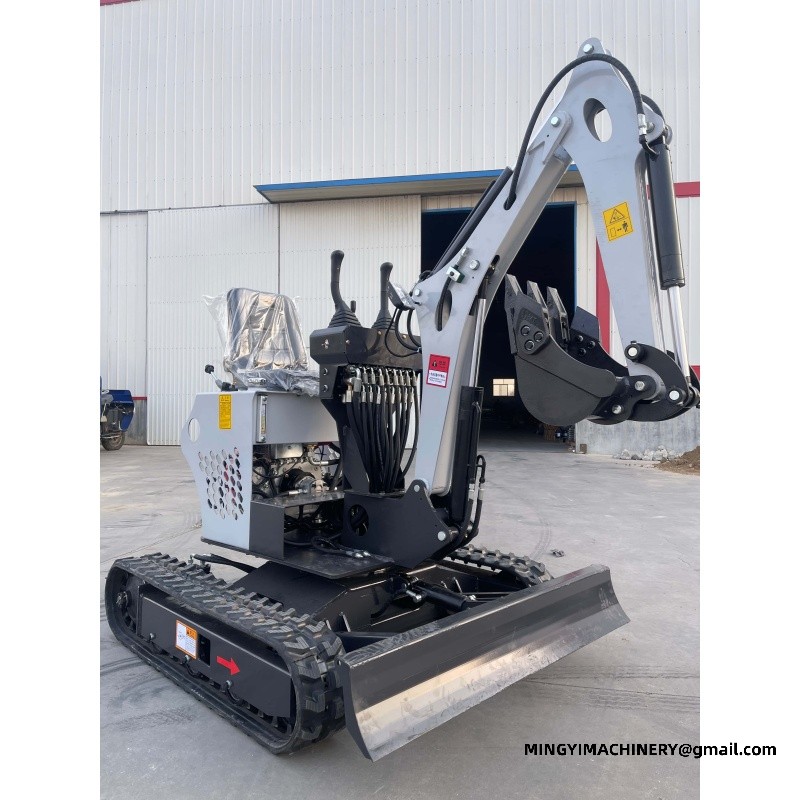
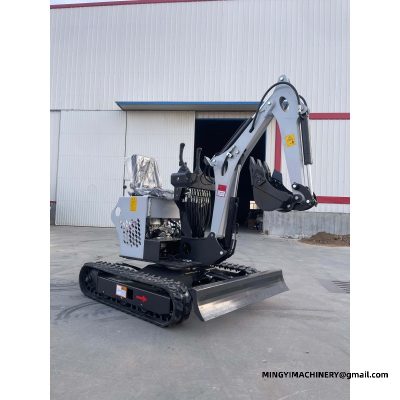
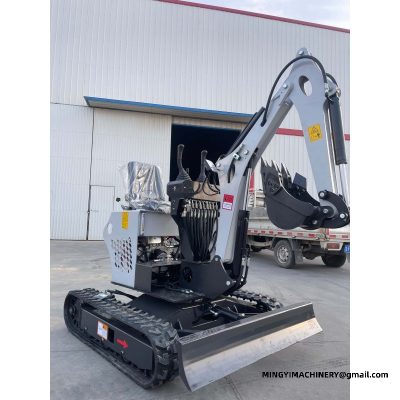
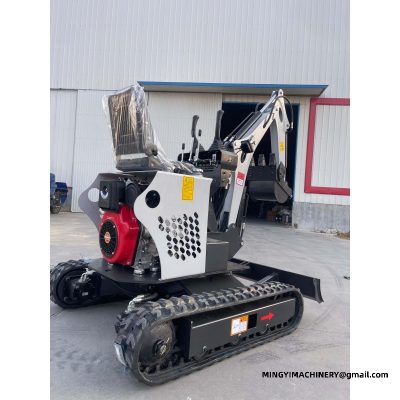
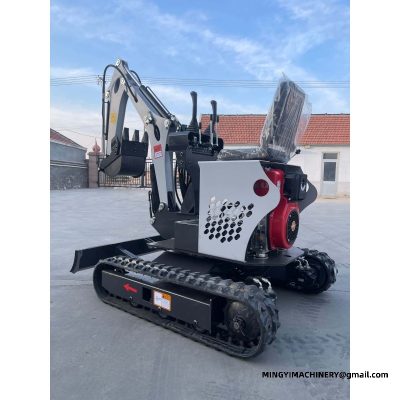
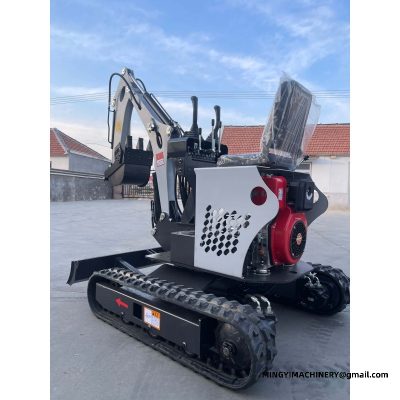
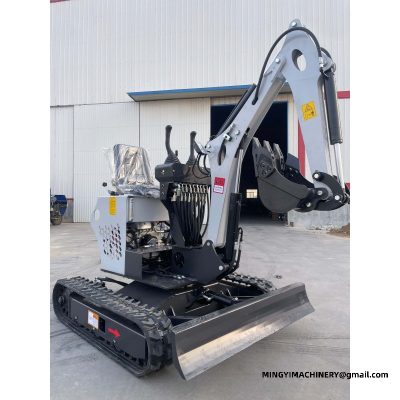
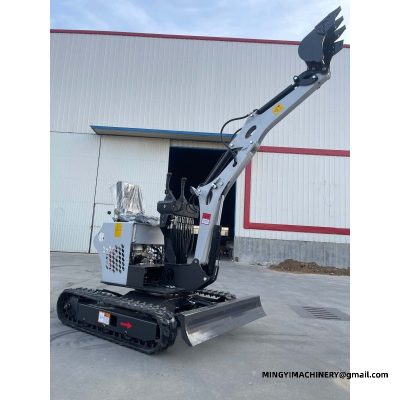
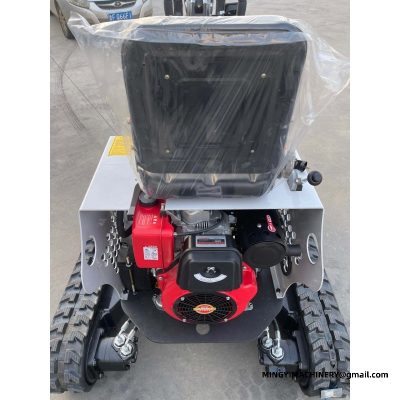
Buyers comparing mini excavators are usually choosing between machine classes rather than between brands. The classes differ in ways that show up directly in daily use, and understanding those differences is more useful than comparing specification tables.
This is a practical comparison of the classes MINGYI builds, in terms of what each one can and cannot do.
Small classes — access and transport
The one-tonne and 1.5 tonne classes are chosen when access and transport are the constraints. They pass through garden gates and side passages, travel on small trailers and cross finished surfaces without marking. Their limit is reach and attachment duty: they work best on short runs and lighter attachment use.
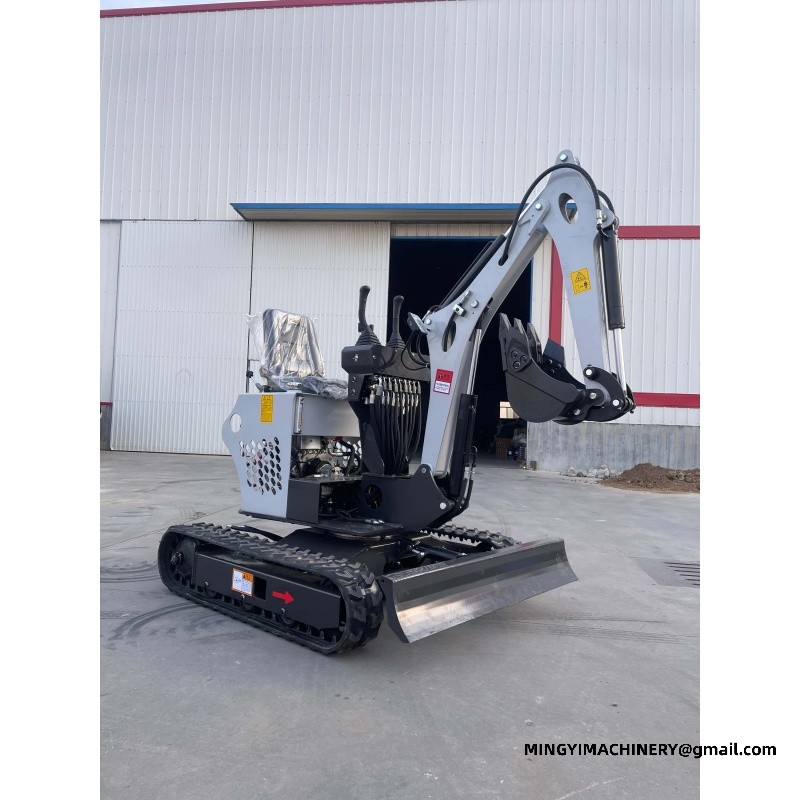
Mid classes — the general-purpose choice
The 1.7 tonne, 2 tonne and 2.5 tonne classes are where most contractor work sits. They add reach, digging depth and the hydraulic headroom to run a breaker or auger for extended periods, while still fitting domestic and light commercial access and remaining transportable on a plant trailer.
Larger compact classes — production
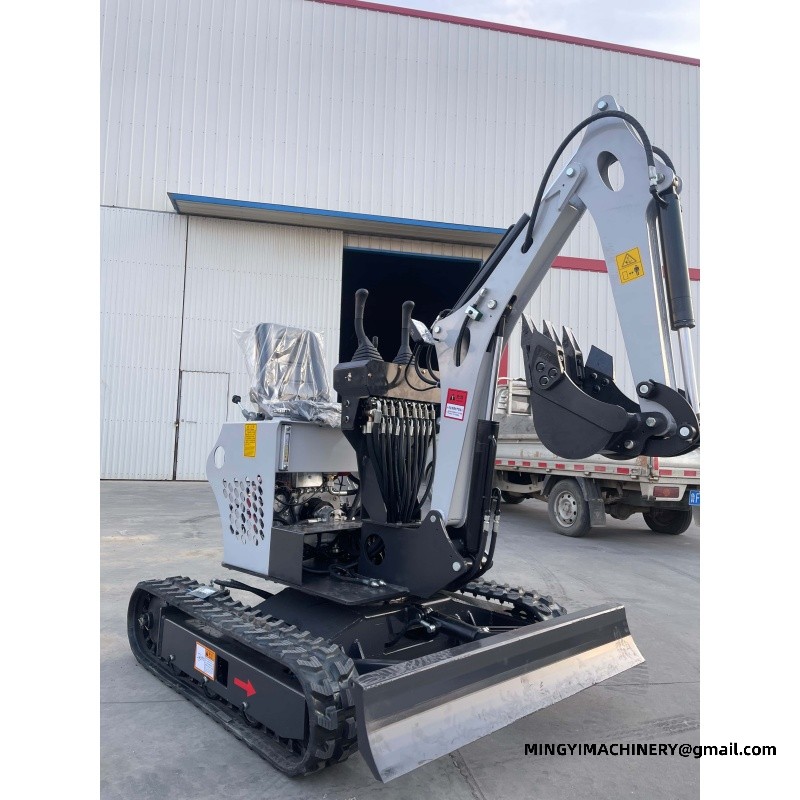
The 3 tonne class and upward is chosen for repeated trench runs and heavier attachment duty, where cycle time drives the decision. These machines still fit access that a full-size excavator cannot, but they need more transport capacity and more working room than the smaller classes.
Undercarriage and station, at any class
Whichever class is chosen, the same three decisions follow: rubber or steel tracks against the ground and surfaces, canopy or cab against the operator’s exposure, and mechanical or hydraulic quick coupler against how often the tool changes. Those choices often matter more to satisfaction than the class itself.
Tell us which classes you are comparing and what the machine has to do and we will set out the trade-offs for your specific work.
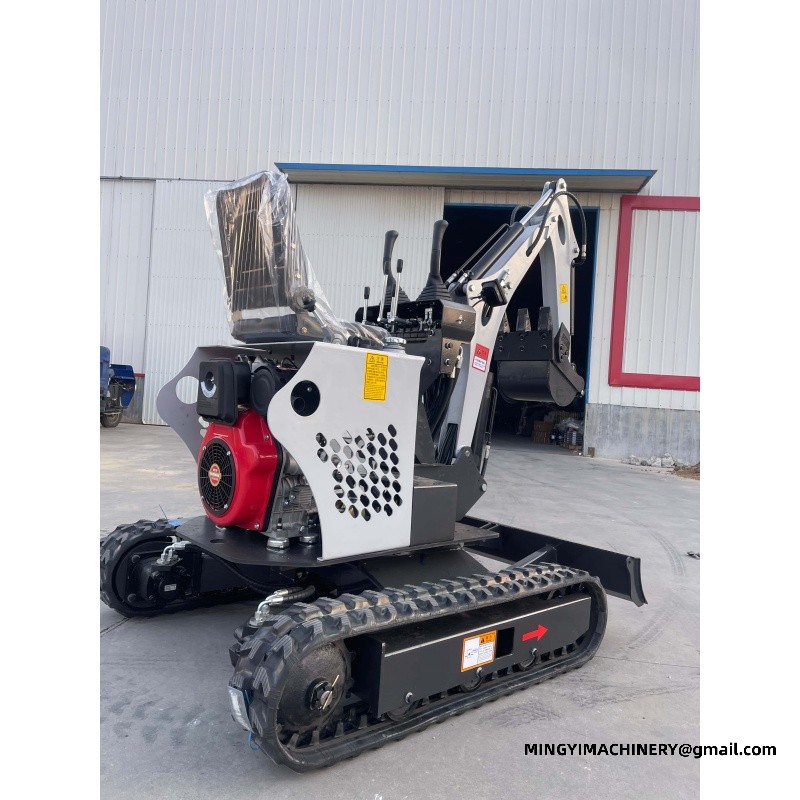
Export packing and shipping of mini excavator comparison Export documentation, decals and paint are settled before packing. Asking for them with the unit in daily use order avoids a second handling session and keeps the machine on the booked vessel. Buyers who import regularly plan the spare parts with the machine. This class of machine ordered with a wearing-parts kit arrives ready to work rather than ready to wait for the first service interval. Interior and light demolition with mini excavator comparison Interior demolition is an access and a weight question. A machine of this size that fits through a doorway and works on a suspended floor does jobs that would otherwise be done by hand or by a larger machine that cannot enter. Breaking out a floor slab, a wall footing or a concrete step is routine work for the equipment on site with a breaker. The machine is small enough to work inside and heavy enough to run the tool at a practical rate. Parts, service and support for mini excavator comparison Support after delivery is a parts question. Wearing items for the machine itself - filters, belts, track components, bucket teeth and pins - are the items a buyer should plan to hold before the first service interval. Remote support is handled by video. The model in question fault can often be diagnosed on a walk-around call with the panel open, which is faster than waiting for a visit and avoids shipping a part that is not needed. Operator technique for mini excavator comparison Output on a compact machine comes from placement rather than power. An experienced operator keeps the machine in that duty working inside the swing arc, positions once and digs a full run instead of repositioning for every bucket. Stability is the third. The unit on the job working across the tracks rather than over the corners keeps the machine steady and the undercarriage loaded evenly, which shows up as track life at the end of the season. Trailering and moving a machine built for the work Transport weight and width decide whether a machine needs a specialist haulier. The equipment in service sized to travel on a standard plant trailer behind a suitable vehicle moves with the crew rather than on a scheduled low loader. Detachable components reduce transport length. This class of machine built with a removable arm section or a folding step fits a shorter trailer and may avoid an oversize movement permit. Landscaping and ground care with the unit in daily use Landscape contractors use a machine of this size for planting holes, pond excavation, grading and retaining work. The machine is light enough to cross finished lawn and narrow enough to work between established trees. Grass cutting heads, rakes and tillers extend the equipment on site into ground care. The same carrier that digs a border in spring can cut and clear the same area later in the season. Engine options behind the machine itself Power unit selection is settled against the service network the buyer already uses. MINGYI offers Kubota D722, Kubota D902, YANMAR, Changchai, Laidong, Runtong, YARMAX, Youpu 2V80 and Youpu 195, so a fleet running one brand of engine can keep the same filters, the same parts supplier and the same mechanic. Engine choice is also an emissions and documentation question for some markets. Listing the available units with the model in question enquiry lets the factory confirm what can be supplied and documented for the destination country. Working near live services with the machine in that duty Digging near water, gas and cable is a precision job. The unit on the job is used here because the operator can work in short controlled cuts and because the machine can be positioned without driving over the run being exposed. Utility crews specify a machine built for the work with a narrow bucket and good visibility for exactly this reason: the machine has to stop at the service, not at the edge of the operator's view. Canopy or enclosed cab on the equipment in service A canopy keeps the machine light and the operator aware of the surroundings, which suits short jobs in warm weather. A fully enclosed cab is specified where rain, dust or cold are part of the working year, and it can be added to this class of machine as a retrofit rather than only at build time. Enclosure also changes noise and dust exposure. A sealed cab on the unit in daily use keeps dust out on dry sites and lets the machine work through weather that would otherwise stop a canopy machine for the day. Municipal and public works with a machine of this size Drainage repair, tree planting, footway reconstruction and cemetery work are all within the range of the equipment on site. The jobs are small individually and continuous across the year. Noise and surface protection matter on public work. The machine itself on rubber tracks across paving, with a sealed cab for the operator, suits the conditions better than a larger tracked machine. Working the model in question in confined spaces Confined sites are decided by dimensions. Overall width, tail swing and the space needed to work the arm are what let the machine in that duty operate inside a building, between walls or in a courtyard. Ventilation is the other indoor constraint. Running the unit on the job inside a closed structure needs air movement, and that is a planning item rather than something to discover after the first hour. Quick coupler practice on a machine built for the work A quick coupler is the single option that changes how a machine is used day to day. Fitted to the equipment in service, it turns an attachment change from a two-person workshop job into a task the operator does alone in minutes. Couplers are specified early because they affect the arm and the hydraulic kit. Adding one to this class of machine after delivery means new pins, new hoses and a fitment session; adding it at build time is a line on the sheet. Specification data for the unit in daily use Buyers comparing a machine of this size usually start from four numbers - weight, digging depth, reach and transport width - because those are the ones that decide whether the machine can be delivered and whether it can do the job once it is there. Every value shown is as built for the equipment on site; options such as cab, side swing or a telescopic undercarriage change the transport dimensions and are confirmed at order stage. Weather decides which days are productive. Rain turns some ground unusable and cold changes how the machine itself starts and warms up, so planning the wet months around maintenance is more useful than planning around output. Heat and dust are as limiting as rain. Air intake condition and cooling cleanliness decide how the model in question behaves in a dry season, and both are checked in a minute rather than repaired later.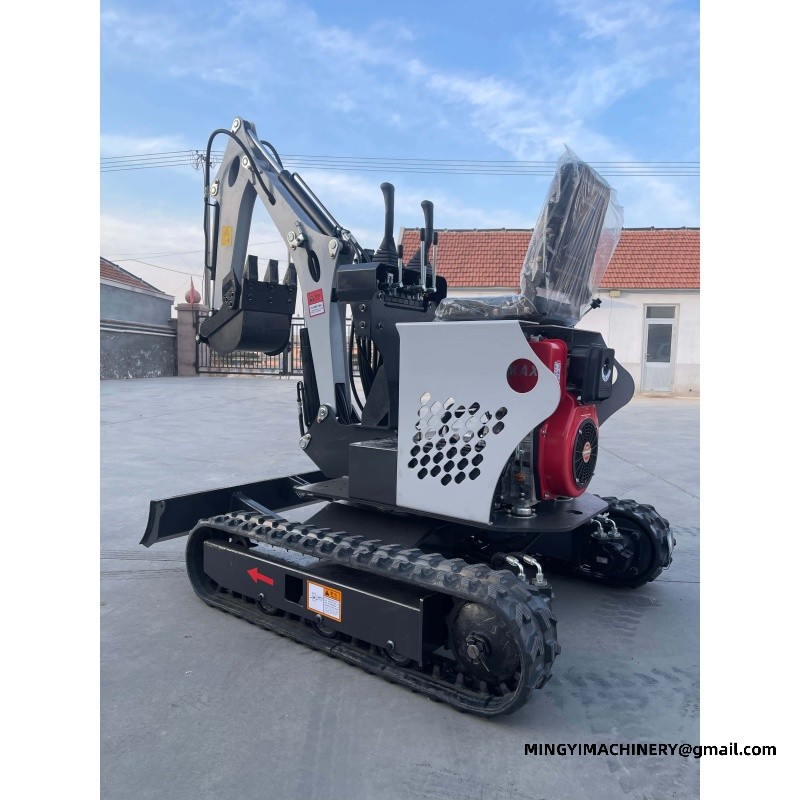
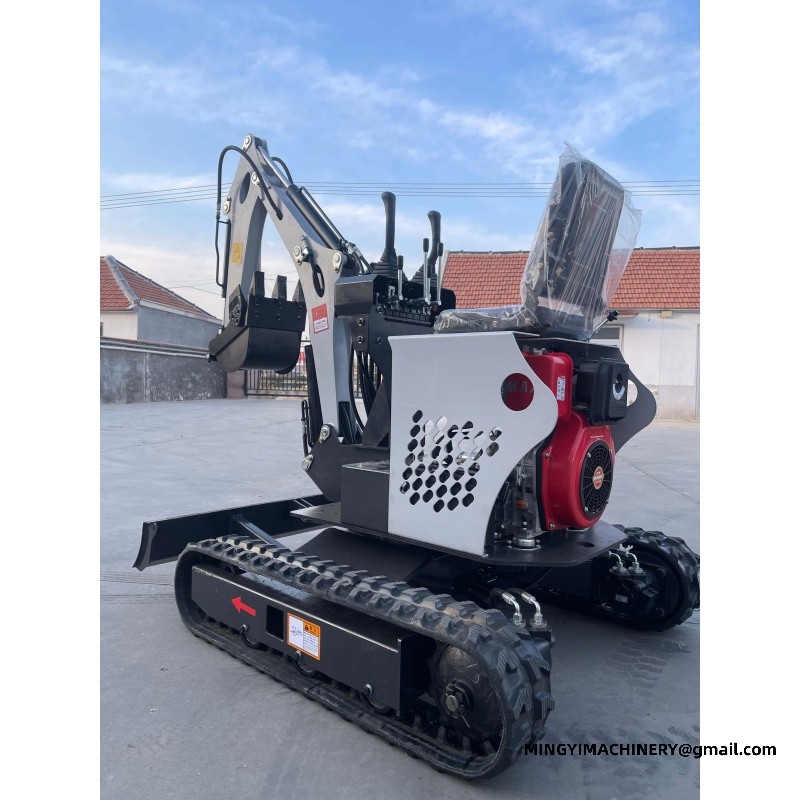
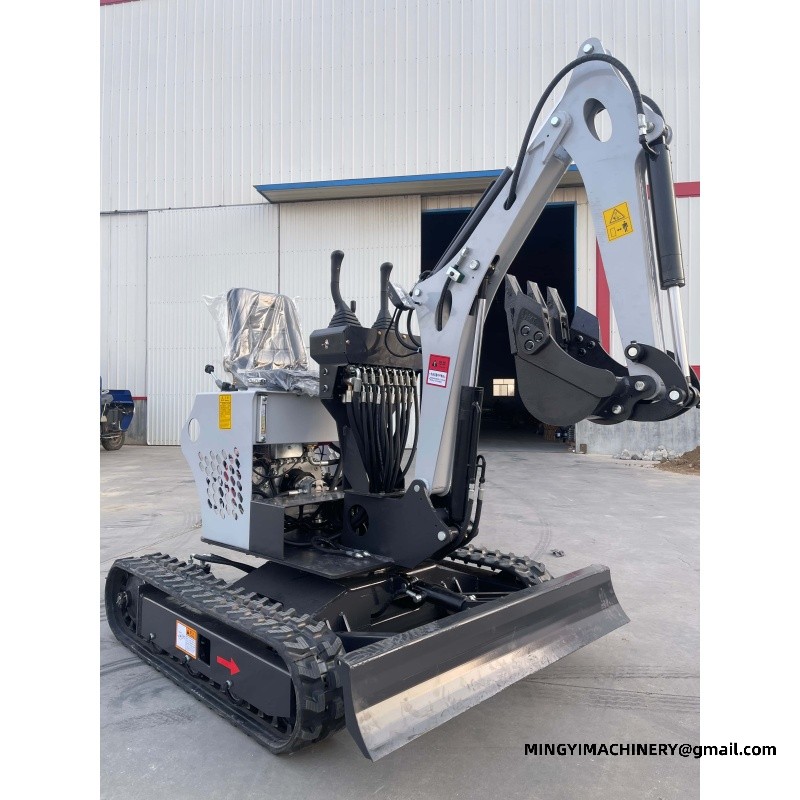
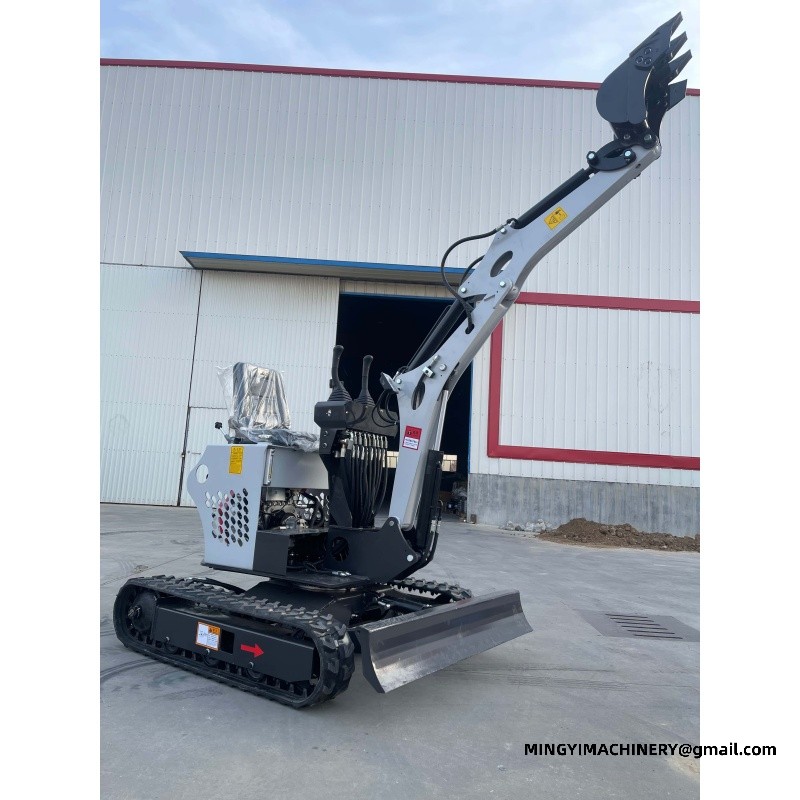
Reference specification — mini excavator range 30-1W 09L 12L 30-2L Operating weight 2900 kg (6393.41 lb) 1100 kg (2425.08 lb) 1200 kg (2645.55 lb) 2400 kg (5291 lb) Transport size (L×W×H) 3000 × 1250 × 2780 mm 2300 × 720 × 1870 mm 2200 × 930 × 2250 mm 2800 × 1500 × 2500 mm Max digging depth 2200 mm (86.61 in) 1400 mm (55.12 in) 1700 mm (66.93 in) 2200 mm (86.61 in) Max digging height 3400 mm (133.86 in) 2800 mm (110.24 in) 2600 mm (102.36 in) 2900 mm (114.17 in) Max dumping height 2400 mm (94.49 in) 1880 mm (74.02 in) 1800 mm (70.87 in) 2100 mm (82.68 in) Max digging radius 4000 mm (157.48 in) 2490 mm (98.03 in) 2900 mm (114.17 in) 3330 mm (131.1 in) Max digging distance 2800 mm (110.24 in) 2000 mm (78.74 in) 2300 mm (90.55 in) 2700 mm (106.3 in) Minimum turning radius 2000 mm (78.74 in) 1400 mm (55.12 in) 1450 mm (57.09 in) 1555 mm (61.22 in) Travel speed 5 km/h (3.11 mph) 3 km/h (1.86 mph) 3 km/h (1.86 mph) 7 km/h (4.35 mph) Gradeability 30° 30° 30° 30° Fuel consumption 2-3 L/h (0.528—0.793 gal) 1-1.3 L/h (0.264—0.343 gal) 1-1.3 L/h (0.264—0.343 gal) 2-3 L/h (0.528—0.793 gal) Fuel tank capacity 16 L (4.23 gal) 8 L (2.11 gal) 10 L (2.64 gal) 16 L (4.23 gal) Hydraulic oil tank 20 L (5.28 gal) 16 L (4.23 gal) 16 L (4.23 gal) 18 L (4.76 gal) Dozer blade lift height 420 mm (16.54 in) 180 mm (7.09 in) 180 mm (7.09 in) 230 mm (9.06 in) Dozer blade drop depth 210 mm (8.27 in) 210 mm (8.27 in) 210 mm (8.27 in) 280 mm (11.02 in)
Q. How do I compare two mini excavator models?
A. Compare on the work, not on the specification sheet alone: the excavation or trench width needed, the access the machine has to pass, the ground, and the attachments the work requires. Two models that both 'fit' can differ a great deal in how many passes the job takes.
Q. What is the most common mistake when comparing models?
A. Buying for the largest job the business might take rather than the work it does most weeks. A machine that is over-specified for daily work takes more to buy and more to run, while one matched to the routine work is simpler and easier to move.
Q. Can you give a side-by-side recommendation?
A. Yes. Send the three or four jobs you do most often, the access width and the ground conditions, and MINGYI will set out which of the 08, 12 and 18 models fits each, with the attachments needed, so the comparison is on your own work.
Keeping a service record for the machine in that duty
Patterns show up in the record before they show up in the machine. Rising oil consumption or a filter that keeps blocking on the unit on the job is obvious on paper long before it becomes a failure on site.
Commissioning a machine built for the work on site
Transport shakes things loose. A short check of the equipment in service after the crate is opened, covering the same points the pre-delivery inspection covered, is the most useful insurance available on delivery day.
Reading the early symptoms on this class of machine
Operators notice things first because they hear the machine every day. Encouraging the person on the unit in daily use to report small changes, and acting on them, is the most effective maintenance programme there is.
E-mail : sales@mingycn.com
LINE ( ID ): mingyicn
Related pages
high quality mini excavator China · reliable mini excavator supplier · mini excavator for grounds maintenance · PRODUCTS









