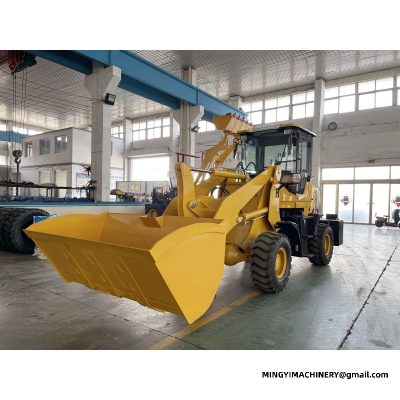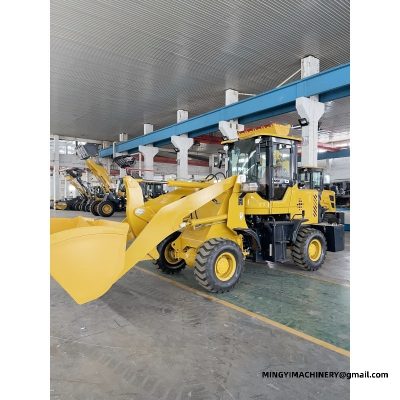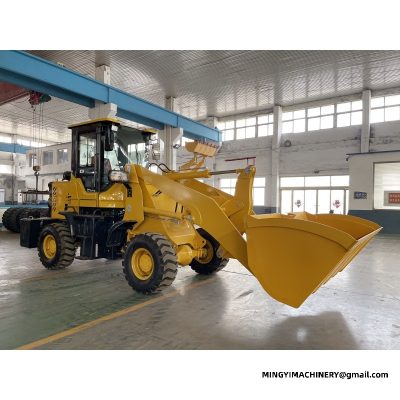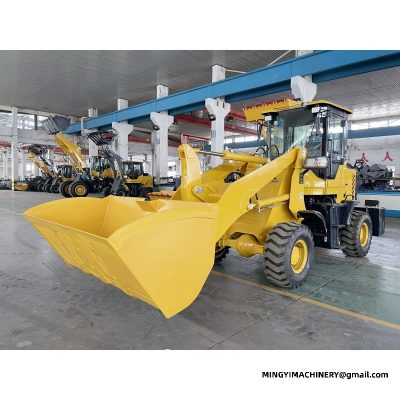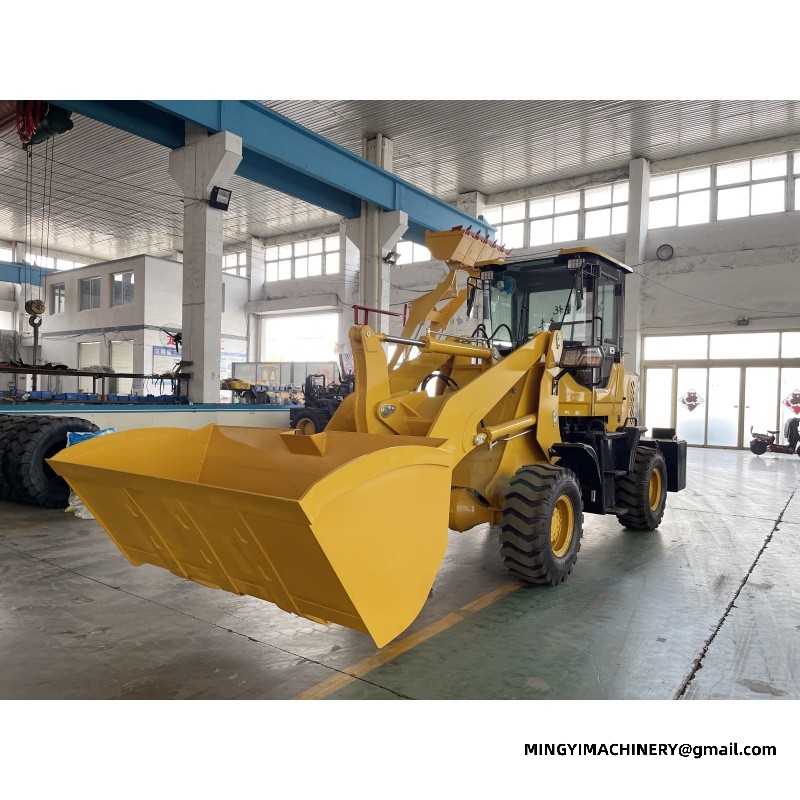
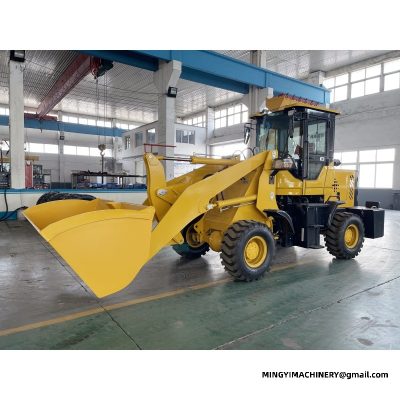
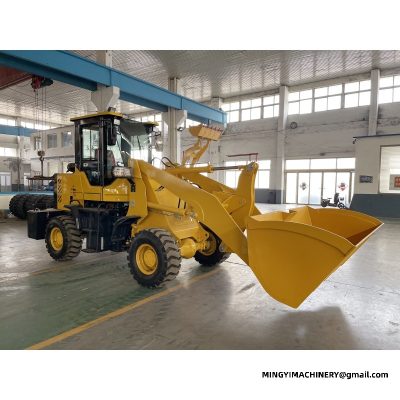
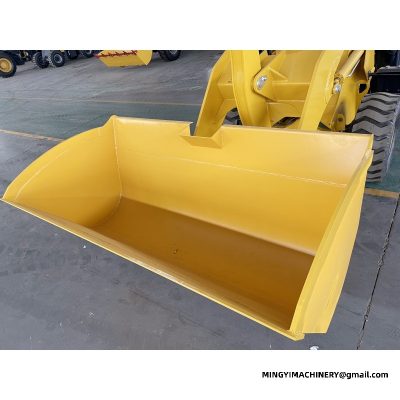
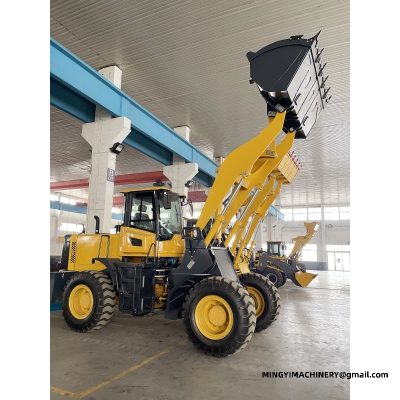
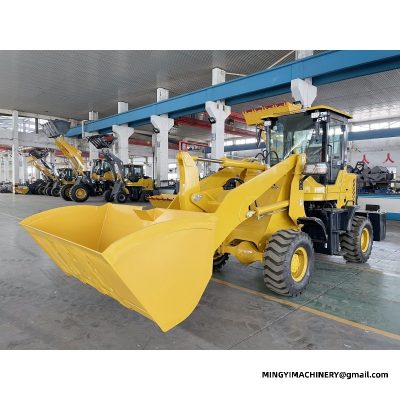
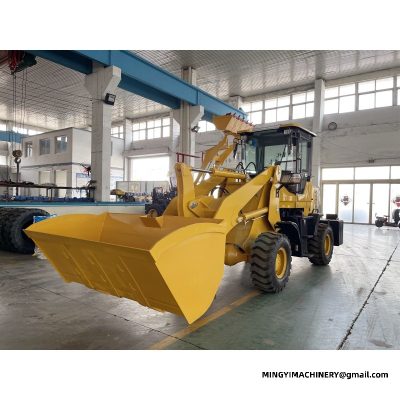
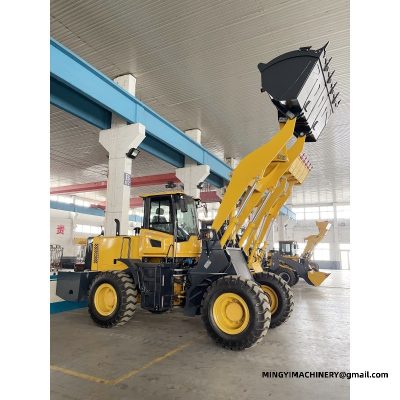
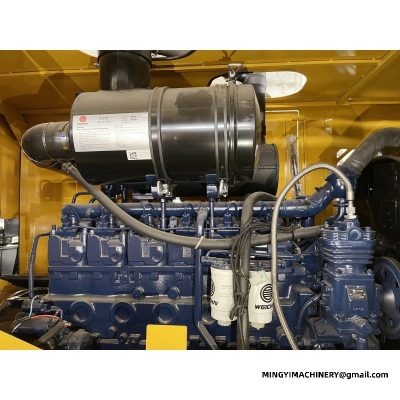
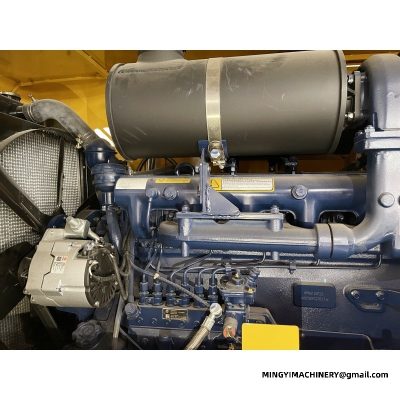
A construction wheel loader that suits the work is quiet about it. It clears the board on the first pass, it does not hunt for grip, and nothing under it leaks at the end of the shift. Machines that draw attention are usually mis-specified rather than badly built. This page works through the rows that produce the quiet ones — 3.5 m of dump height, 1.6 m of track, 45 mm across the cross-member — and compares the heavy-duty 3.5 m medium-frame wheel-side reduction wheel loader against the heavy-duty 3.8 m medium-frame wheel-side reduction wheel loader at each step.
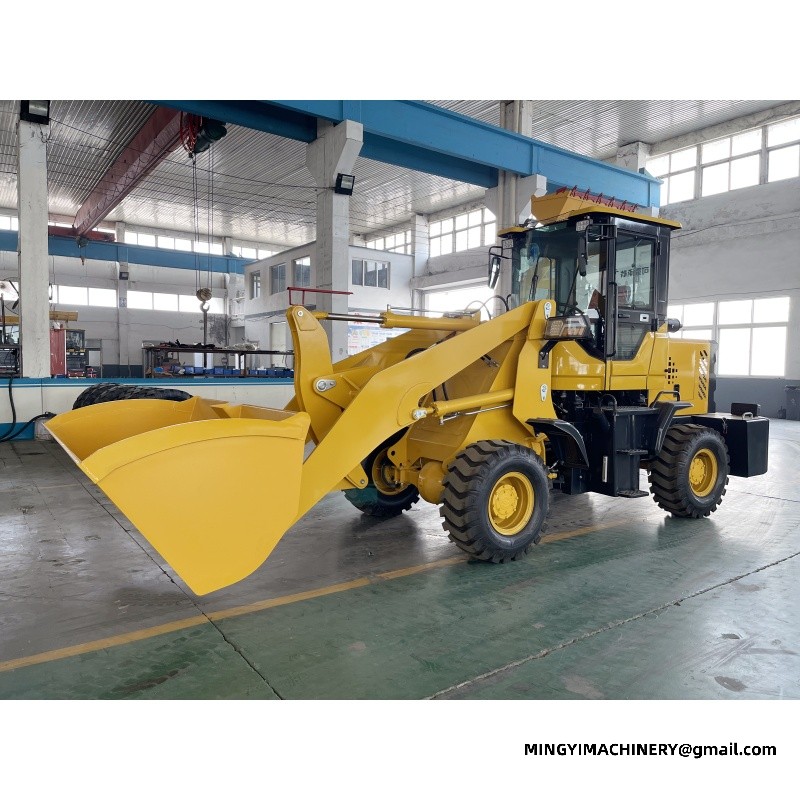
The boom section is the mounting standard. On the heavy-duty 3.5 m medium-frame wheel-side reduction wheel loader it is 500 mm with a 920 mm centre distance; on the heavy-duty 3.8 m medium-frame wheel-side reduction wheel loader it is 500 mm with 920 mm. Fork frames, grapples and snow tools specification against those two numbers, which is why "forks to suit a three-ton loader" is not a specification.
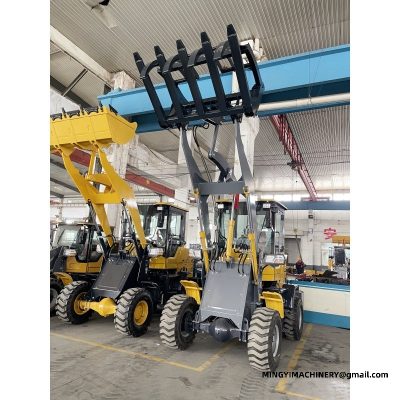
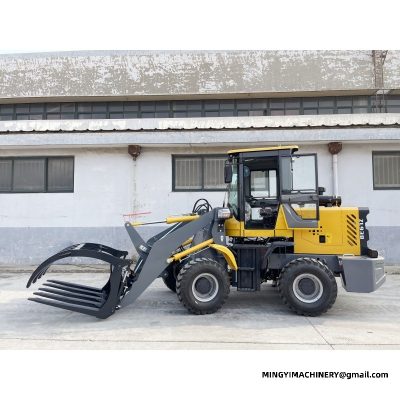
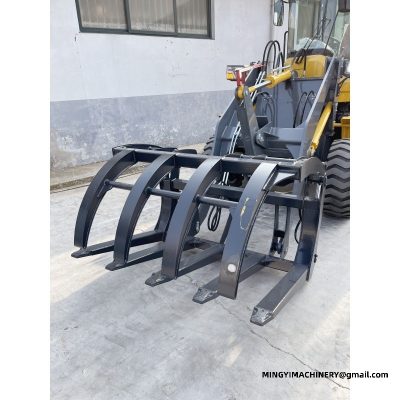
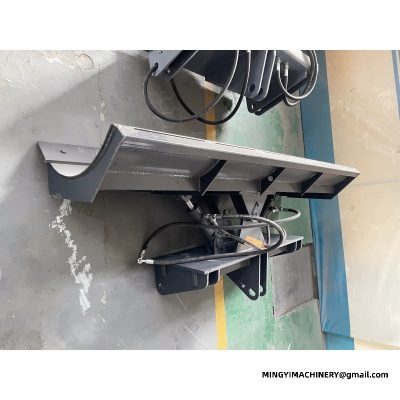
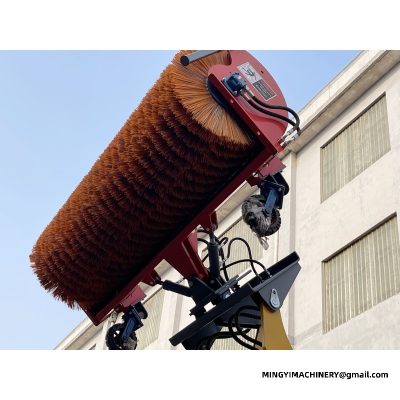
For a mixed fleet the practical set is four tools: a bucket for bulk, forks for pallets and bagged goods, a grapple for loose material and demolition, and a snow tool for winter work. Mechanical sets need no hydraulic circuit and swap in minutes; hydraulic sets need the circuit ordered with the machine. The 25 pump and 25 pump travel pumps keep drive independent either way, so steering is unaffected by tool load.
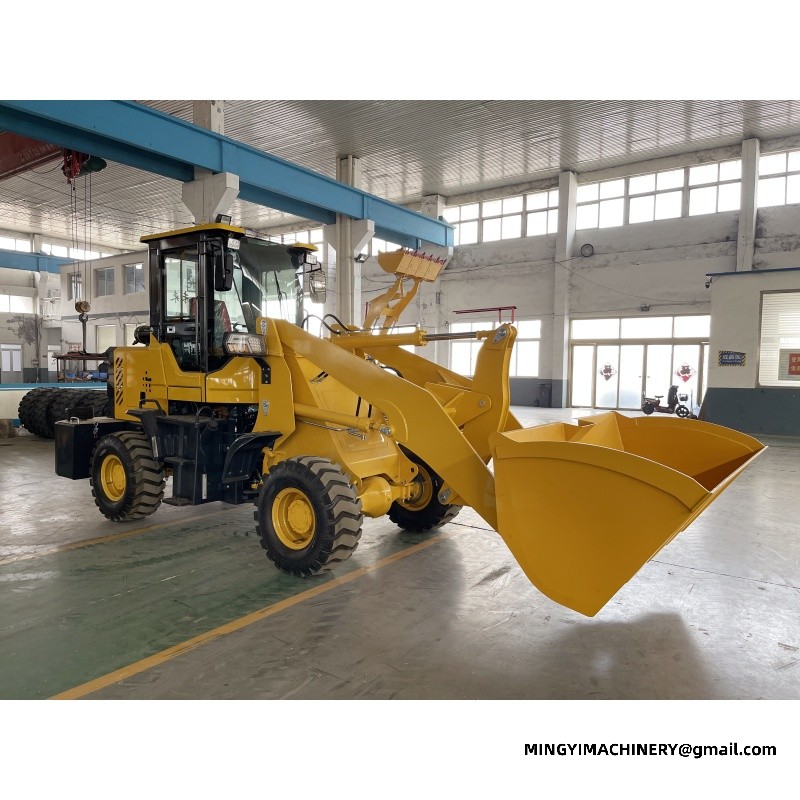
Radiator size follows the engine, not the frame. The heavy-duty 3.5 m medium-frame wheel-side reduction wheel loader lists 4105 core; the heavy-duty 3.8 m medium-frame wheel-side reduction wheel loader lists 4105 core. Where two engine options exist on one build, the cores differ — a 4100 core on the 490 engine and a 4105 on the 4102 turbo — and the taller, raised core is the one to specify wherever dust, chaff or dry sand blankets a standard radiator part-way through a shift.
Overheating is the single most common cause of a loader losing days rather than hours. It presents as power loss, then as a shift cut short, then as a head gasket. Choosing the raised core takes almost nothing at order time and cannot be retrofitted easily later. Pair that with the electrical package — 80 Ah on the heavy-duty 3.5 m medium-frame wheel-side reduction wheel loader, 80 Ah on the heavy-duty 3.8 m medium-frame wheel-side reduction wheel loader — and note that a battery specified for a naturally aspirated engine is often marginal for a turbo one in cold climates.
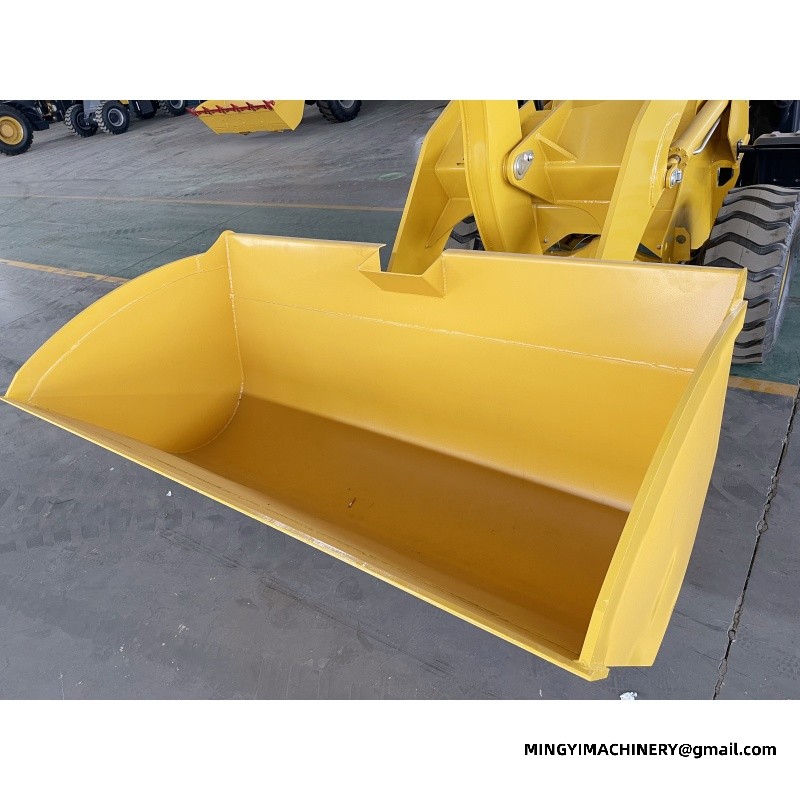
Fuel and cooling capacity are not comfort figures; they are shift-planning figures. A 54 L (50# tank) tank on the heavy-duty 3.2 m low-profile wheel loader is sized so a full working day at operating throttle does not need a mid-shift refuel, which matters on sites where the bowser is a long way from the face. The heavy-duty 4.5 m medium-frame wheel-side reduction wheel loader carries 70 L (75# large tank).
The radiator is the other side of the same question. 4100 core (490 engine); 4105 core (4102T engine) on this build against 4105 core on the other. Where a build offers two cores, the raised one serves the turbo engine, and it is the correct specification for dusty work, high ambient temperature, or any duty where the machine spends its day at high load and low speed with little air passing through the core.
| Published build data — heavy-duty 3.8 m medium-frame wheel-side reduction wheel loader | |
|---|---|
| Bucket capacity | 0.65 m³ |
| Dump height | 3.8 m |
| Track width | 1.6 m |
| Boom arm thickness | 30 mm |
| Boom arm width | 500 mm |
| Boom arm length | 2.9 m |
| Boom arm centre distance | 920 mm |
| Cross-member thickness | 45 mm |
| Front hinge plate thickness | 45 mm |
| Rear hinge plate thickness | 30 mm |
| Rear frame section | 300 mm high x 800 mm wide |
| Hydraulic cylinders | centre cylinder 60 / side cylinder 50 |
| Fuel tank | 70 L (75# large tank) |
| Battery | 80 Ah |
| Front wheel to counterweight | 4.55 m |
| Radiator | 4105 core |
| Work pump | 2063 pump |
| Travel pump | 25 pump |
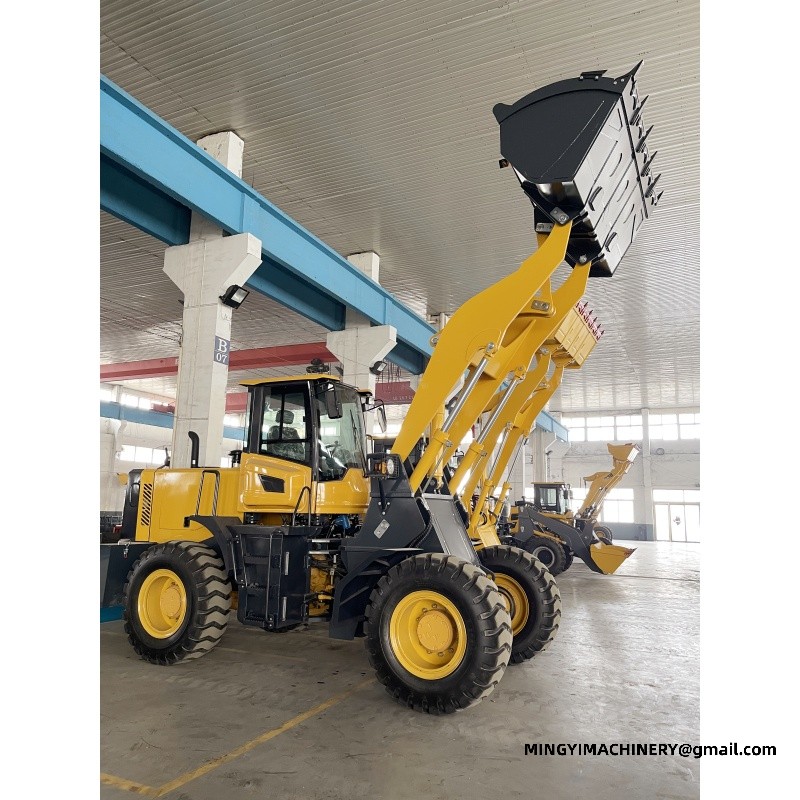
On a farm the loader is judged by whether it can get to the work. The heavy-duty 3.5 m medium-frame wheel-side reduction wheel loader at 1.6 m track and 4.55 m length turns in places the heavy-duty 3.8 m medium-frame wheel-side reduction wheel loader at 1.6 m and 4.55 m cannot enter. Capacity — 0.65 m³ against 0.65 m³ — is the last consideration, not the first.
Dump height still matters, because feed wagons and high-sided trailers are tall: 3.5 m on the heavy-duty 3.5 m medium-frame wheel-side reduction wheel loader, 3.8 m on the heavy-duty 3.8 m medium-frame wheel-side reduction wheel loader. Measure the wagon side, then measure the shed door. Where both fit, take the larger bucket; where only one fits, take the machine that fits. Attachments specification against the boom section — 500 mm against 500 mm — so the tool carrier is decided in the same conversation.
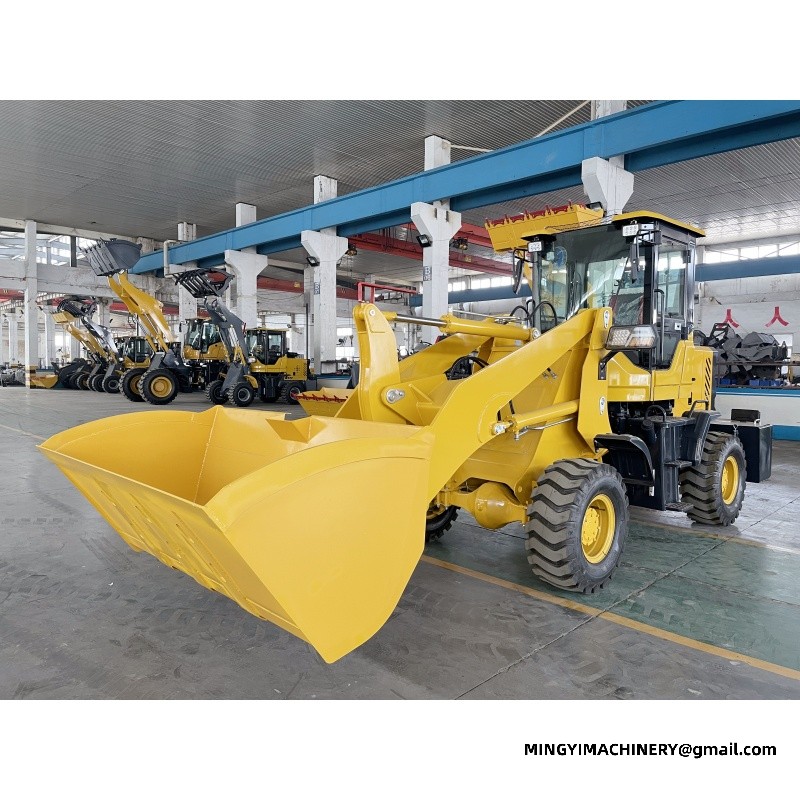
Frames do not usually fail at the boom. They fail at the hinge plates and the cross-member that ties them together, because that is where the articulated joint concentrates every steering and breakout load. On the heavy-duty 3.5 m small-frame wheel-side reduction wheel loader those figures are 30 mm front, 20 mm rear and 30 mm across; on the heavy-duty 3.5 m medium-frame wheel-side reduction wheel loader they are 45 mm, 30 mm and 45 mm. The rear frame sections are 280 mm high x 800 mm wide and 300 mm high x 800 mm wide.
Why the rear plate is the one to watch even though it is the thinner of the two: the front hinge sees the boom loads, which are predictable and largely vertical; the rear sees articulation loads, which are sideways, repeated and often shock-loaded when an operator turns while breaking out. A machine specified with a 30 mm rear plate and a 45 mm cross-member will still be tight at year three in reverse-loading cycles where a 20 mm plate has started to ovalise its pin bores. If your fleet keeps machines past warranty, this is the row of the table to read twice.
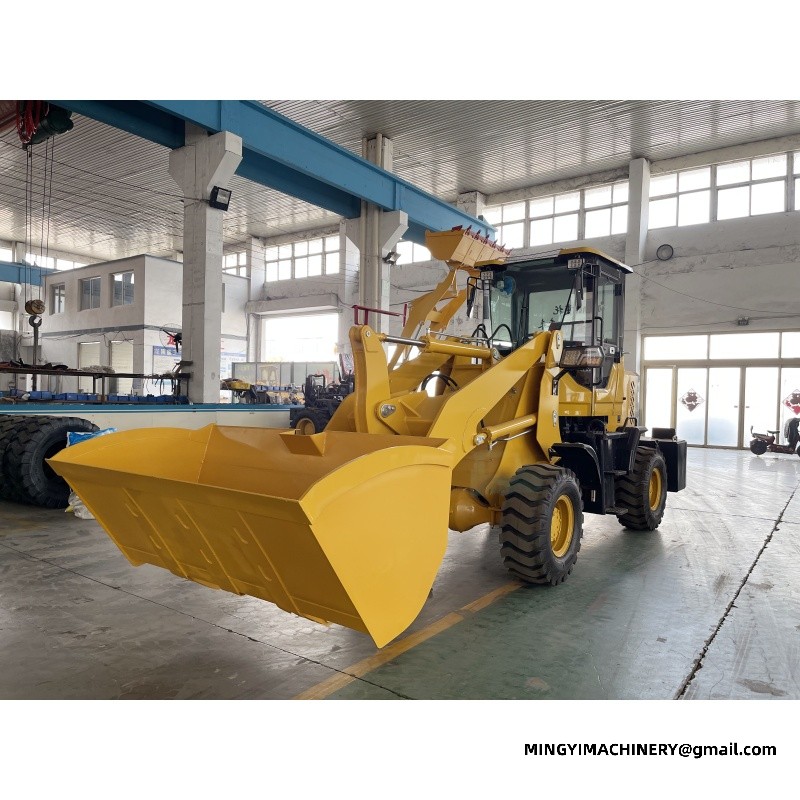
Breakout force is advertised; what you feel in the cab is the combination behind it. On the heavy-duty 3.5 m medium-frame wheel-side reduction wheel loader that is a centre cylinder 60 / side cylinder 50 cylinder set on a 3.15 m boom with a 920 mm centre distance, lifting a 0.65 m³ bucket to 3.5 m. On the heavy-duty 3.8 m medium-frame wheel-side reduction wheel loader it is centre cylinder 60 / side cylinder 50 on a 2.9 m arm with 920 mm spacing, lifting 0.65 m³ to 3.8 m.
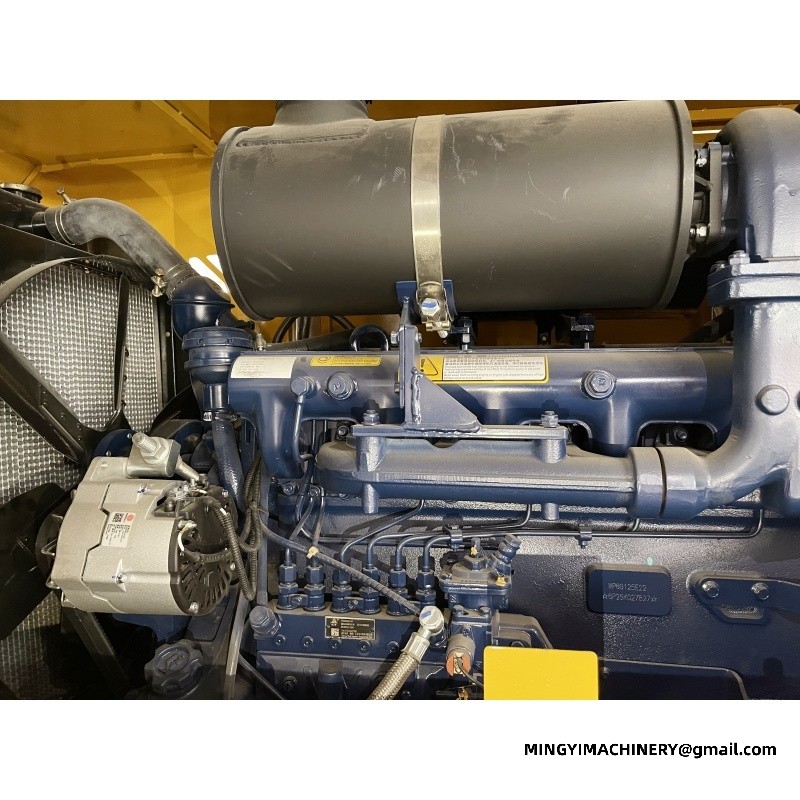
Heat is the failure mode nobody plans for. A pump working at the top of its flow all shift, in dust, at altitude, will cook its oil — and the 2063 pump on the heavy-duty 3.5 m medium-frame wheel-side reduction wheel loader and the 2063 pump on the heavy-duty 3.8 m medium-frame wheel-side reduction wheel loader were each sized against their own cylinder volumes and duty. The matching travel pumps, 25 pump and 25 pump, keep drive independent so a loaded climb does not stall the boom. Specify the third circuit at order time if a hydraulic tool is in the plan; plumbing added later is the most common source of leaks we see in the field.
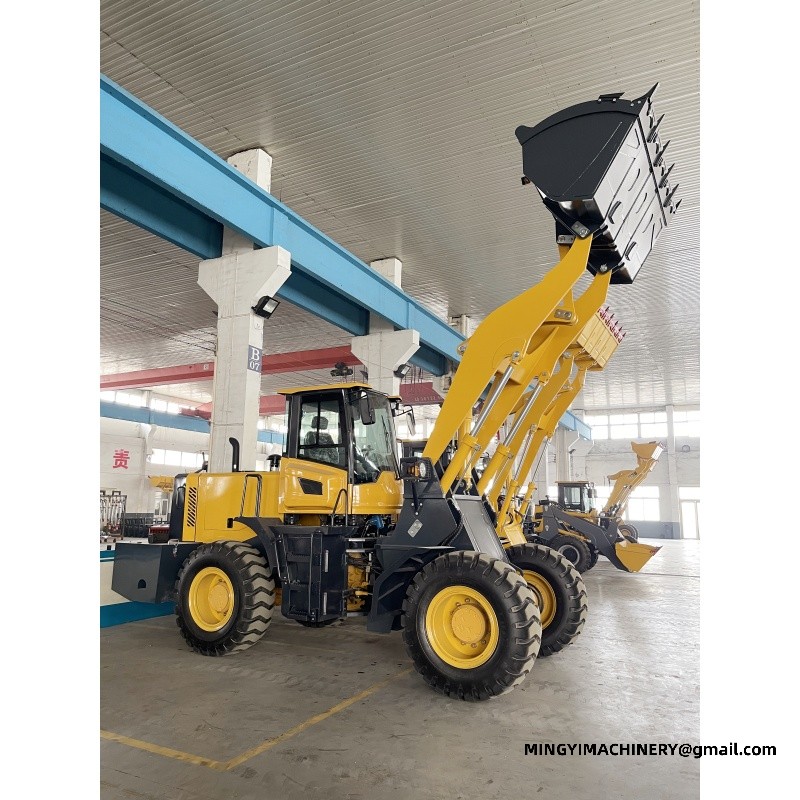
Frames do not usually break; they go loose, and looseness starts at the pins. The parts that govern it are the rear hinge plate, 20 mm, the cross-member behind it, 30 mm, and the rear frame section, 230 mm high x 800 mm wide. Buy on those three and the machine will still feel tight in year five.
Duty decides how long that takes. A machine loading twenty trucks a day ages differently from one moving material for two hours. On the heavy-duty 4.5 m medium-frame wheel-side reduction wheel loader the same three figures are 30 mm, 45 mm and 300 mm high x 800 mm wide; choosing between them is choosing how much duty the frame was built for, and it is the decision that outlasts every other option on the order.
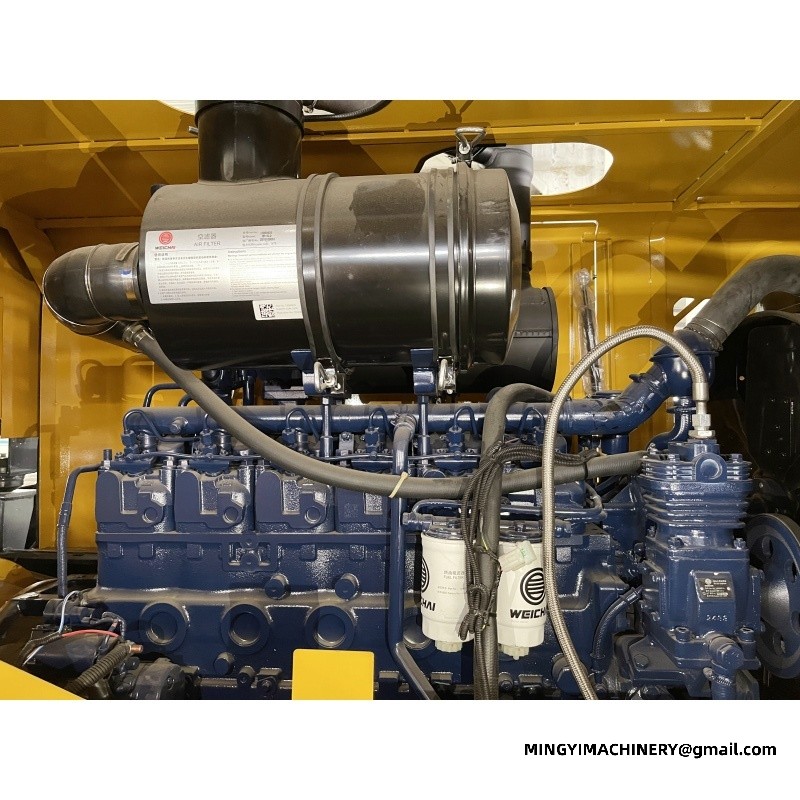
Ask any yard operator which part fails first and the answer is the articulation, not the engine. The rear hinge plate takes every reversing and turning load: 30 mm on the heavy-duty 3.5 m medium-frame wheel-side reduction wheel loader against 30 mm on the heavy-duty 3.8 m medium-frame wheel-side reduction wheel loader, on cross-members of 45 mm and 45 mm respectively. That pair of figures predicts whether the machine is still tight at year three.
The rest of the specification follows the duty. A 0.65 m³ bucket at 3.5 m with centre cylinder 60 / side cylinder 50 cylinders is right for loose stock and loading out; 0.65 m³ at 3.8 m with centre cylinder 60 / side cylinder 50 is right where the machine has to break out of a face. Ground decides the axle — 1.6 m against 1.6 m — and the material decides the radiator.
What should I check before running a grapple on a construction wheel loader?
Side load. A grapple levers the arm in a way a bucket does not, so the 25 mm wall and 430 mm section matter more than capacity. The hinge plates at 30 mm take the reaction.
How does wet ground change how a construction wheel loader is used?
Rolling resistance rises, so wheel spin and driveline load rise with it. Track is 1.5 m (wheel-side reduction axle); 1.45 m (Isuzu axle), and the hub-reduction option is the one for soft ground.
Can a construction wheel loader work inside a building?
Clearance and ventilation are the constraints. Lift height is 2.8 m and the core is 4100 core, which has to reject heat into air that is not moving.
Which spares should I hold for a construction wheel loader?
Hoses and seals for the centre cylinder 45 / side cylinder 40, filters, belts and a battery to the 60 Ah (490 engine); 80 Ah (4102 turbo engine) rating. Do not stock welded items; plates at 30 mm and 20 mm are a repair, not a spare.
What paperwork should come with a construction wheel loader?
A specification listing bucket 0.4 m³, lift 3.2 m, cylinders centre cylinder 45 / side cylinder 45, core 4100 core (490 engine); 4105 core (4102T engine), battery 60 Ah (490 engine); 80 Ah (4102 turbo engine) and track 1.5 m (wheel-side reduction axle); 1.45 m (Isuzu axle). If those six are present, parts and warranty questions are answerable.
Is it worth rebuilding an older construction wheel loader?
If the frame is tight, yes: cylinders centre cylinder 45 / side cylinder 45, pump 40 pump (490 engine); 1045 pump (4102 turbo engine) and core 4100 core (490 engine); 4105 core (4102T engine) are all replaceable. If the pins have ovalised their bores, the geometry will not come back.
How far can a construction wheel loader travel under its own power?
Short moves between faces, not road haulage. The travel circuit is 316 pump and sustained high-speed running generates heat the 4100 core (490 engine); 4105 core (4102T engine) core was not sized to reject.
None of this requires taking a construction wheel loader on faith. The rows are published, the machines can be measured on delivery, and the five figures that matter — bucket, dump height, cylinders, track and hinge steel — are checkable in twenty minutes.
Moving Construction Wheel Loader: Specifying for Truck Boards between sites
A machine that works on one site still has to reach the next. The overall dimensions and the operating weight of Construction Wheel Loader: Specifying for Truck Boards decide what trailer or truck is needed, and that decision belongs before the job is booked.
Reading the early symptoms on Construction Wheel Loader: Specifying for Truck Boards
The symptom is usually not at the fault. A hydraulic function that has become sluggish on Construction Wheel Loader: Specifying for Truck Boards may point to a filter, a relief setting or a pump, and starting with the simple checks avoids the wrong guess.
Contact MINGYI Machinery for the current wheel loader lineup, configuration options and a formal specification for your market. E-mail: sales@mingycn.com | LINE (ID): mingyicn
Front End Loader Manufacturer: Weld and Plate Records · Heavy Duty Wheel Loader: Steel That Takes the Duty · OEM Wheel Loader Manufacturer: Build Records and Model Mixes · Wheel Loader