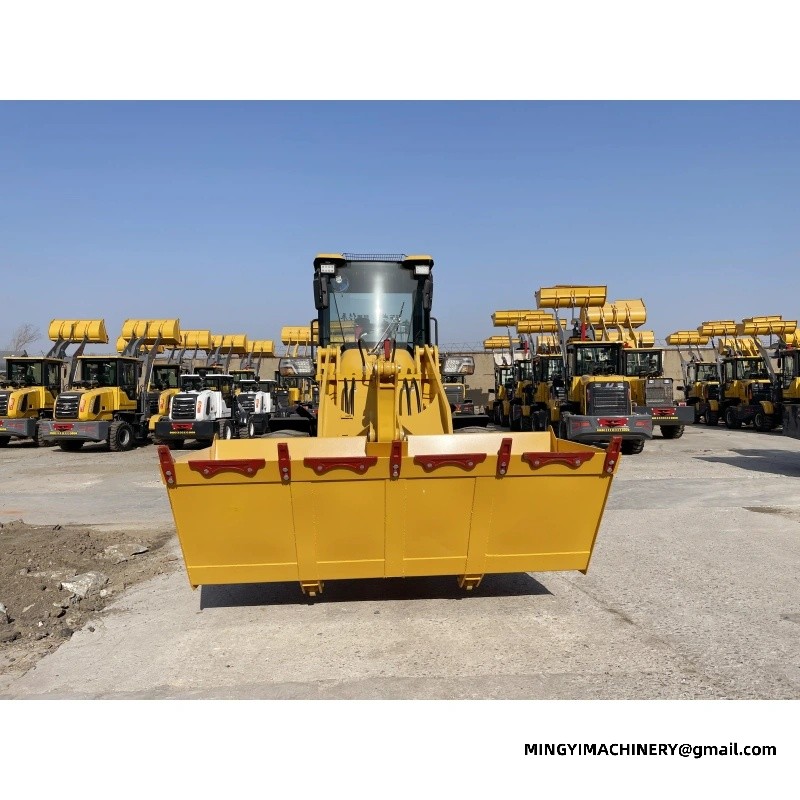
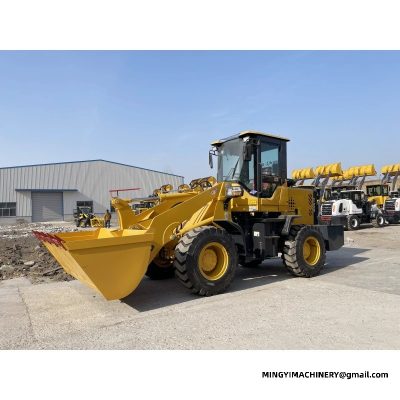
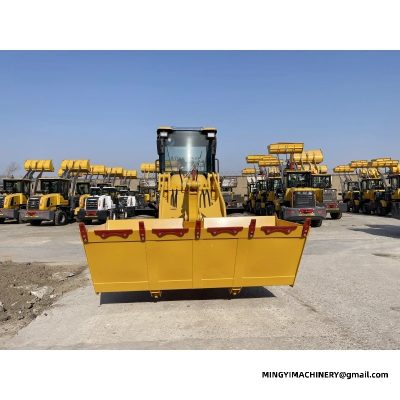
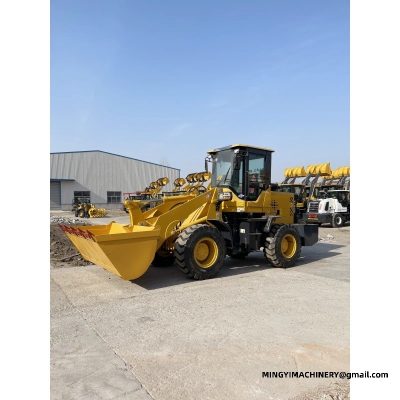
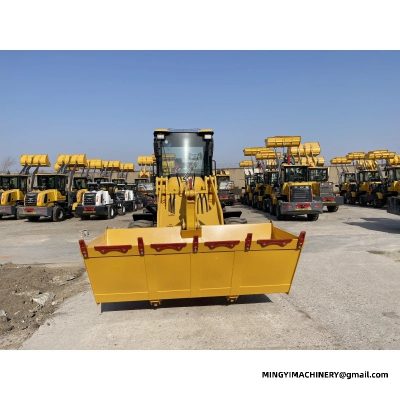
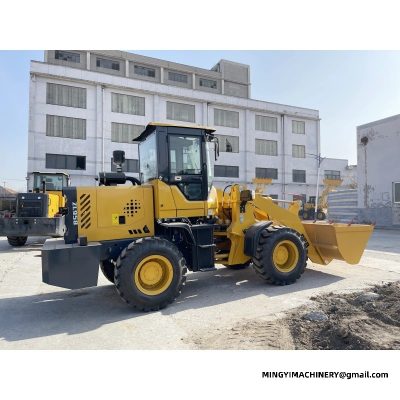
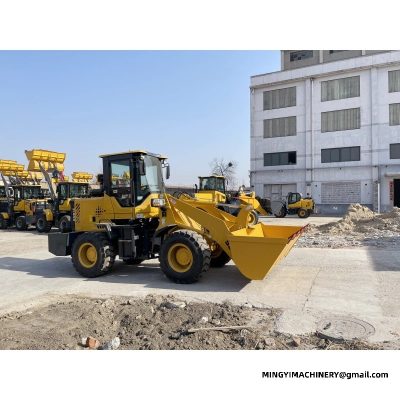
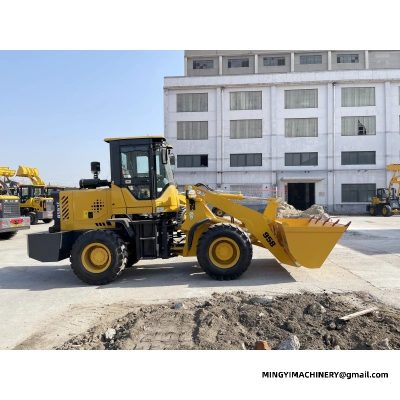
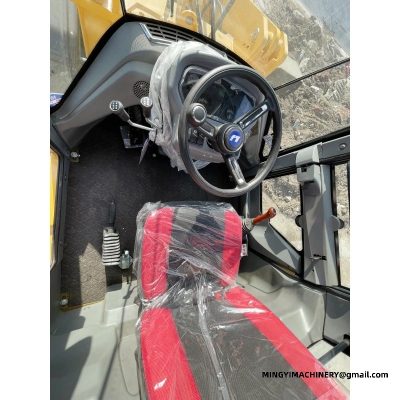
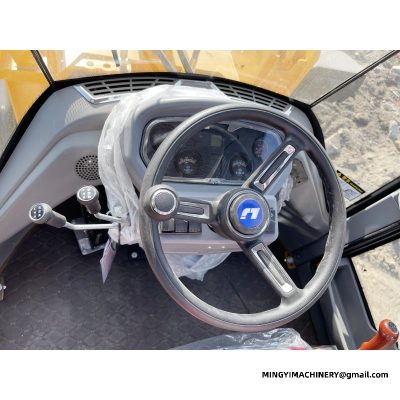
Ask two fleets what they want from a heavy duty wheel loader and you get the same three answers: it starts, it clears the body, and it stays tight. Everything else is preference. Those three map directly onto published rows — battery 60 Ah (490 engine); 80 Ah (4102 turbo engine), dump height 4.5 m, and hinge plates 30 mm front with 20 mm rear over a 30 mm cross-member. This page takes those three answers as its structure, and uses the heavy-duty 4.5 m small-frame wheel-side reduction wheel loader and the heavy-duty 3.5 m medium-frame wheel-side reduction wheel loader throughout so that every claim on it can be checked against the table.
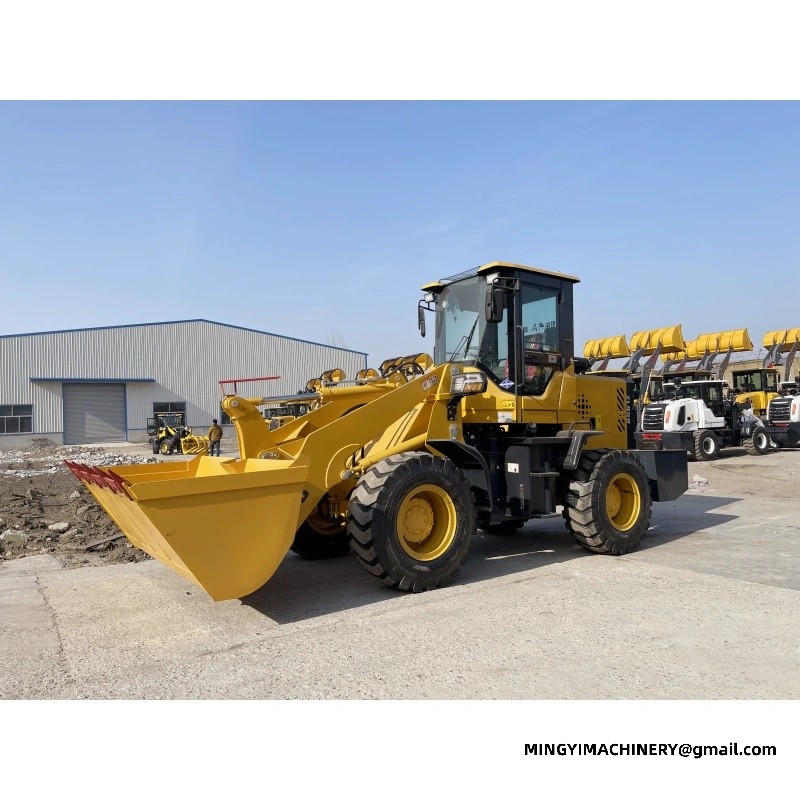
Adding a circuit after delivery is possible and never as good as specifying it at build. The pump is the constraint: 32 pump on this machine, 316 pump alongside it. Flow has to be shared, and a circuit added later shares it through plumbing that was not laid out for it.
The cylinders are less often the limit than people assume. centre cylinder 45 / side cylinder 40 gives the mechanical advantage; the pump gives the speed. If an attachment works but works slowly, look at flow before looking at bore. If it works but the arm twists, look at section instead: 300 mm of width and 680 mm of spacing resist that, and neither can be improved after the frame is welded.
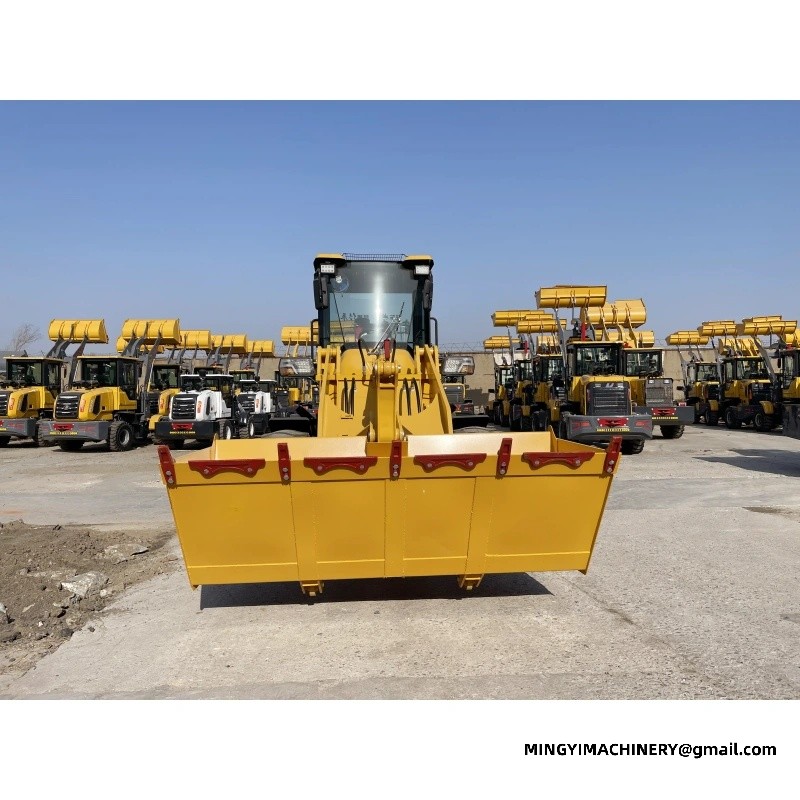
Attachments are specified against the carrier, not against the machine's size class. The figures that matter are the boom section and the hinge geometry: 500 mm on the heavy-duty 4.5 m small-frame wheel-side reduction wheel loader against 500 mm on the heavy-duty 3.5 m medium-frame wheel-side reduction wheel loader, and centre distance 890 mm against 920 mm. Two loaders of the same rated capacity from different frame families will not share a fork frame.
Within one frame family the section and spacing match, so a single tool set covers the light and heavy builds of that frame — a genuine advantage for a mixed fleet. Across families it does not work. If you intend to run hydraulically actuated tools, a grapple, a four-in-one bucket or a hydraulic snow blade, order the third circuit at build time; the 40 pump (490 engine); 1045 pump (4102 turbo engine) and 2063 pump circuits are specified per build and plumbing added later is the most common source of field leaks.
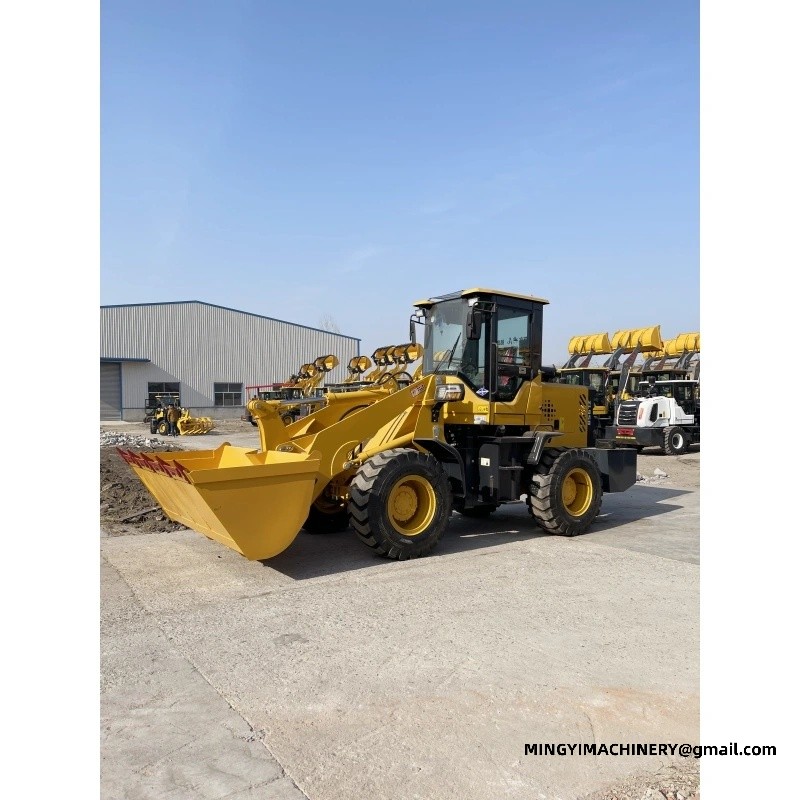
The useful way to read a range is as three decisions: how high, how heavy, and how wide. How high is dump height, 4.5 m against 4.5 m. How heavy is the steel, cross-member 30 mm against 45 mm and rear frame 280 mm high x 800 mm wide against 300 mm high x 800 mm wide. How wide is track, 1.5 m (wheel-side reduction axle); 1.45 m (Isuzu axle) against 1.6 m.
Once those three are settled, the bucket follows from the material and the boom from the height: 0.4 m³ on a 3.15 m arm here, 0.65 m³ on 3.35 m there. Reading it in that order means the specification is decided by the work rather than by whichever machine happened to be in stock.
| Sample build from the range — standard 2.8 m low-profile wheel loader | |
|---|---|
| Bucket capacity | 0.3 m³ |
| Dump height | 2.8 m |
| Track width | 1.2 m (Isuzu axle); 1.3 m (wheel-side reduction axle) |
| Boom arm thickness | 20 mm |
| Boom arm width | 300 mm |
| Boom arm length | 2.05 m |
| Boom arm centre distance | 680 mm |
| Cross-member thickness | 16 mm |
| Front hinge plate thickness | 16 mm |
| Rear hinge plate thickness | 16 mm |
| Rear frame section | 200 mm high x 750 mm wide |
| Hydraulic cylinders | centre cylinder 45 / side cylinder 40 |
| Fuel tank | 30.8 L (48# large tank, 20.5/70-16 tyres); 24.6 L (48# small tank, 8.25-16 tyres) |
| Battery | 45 Ah (24 V) |
| Front wheel to counterweight | 3.5 m |
| Radiator | 4100 core |
| Work pump | 32 pump |
| Travel pump | 316 pump |
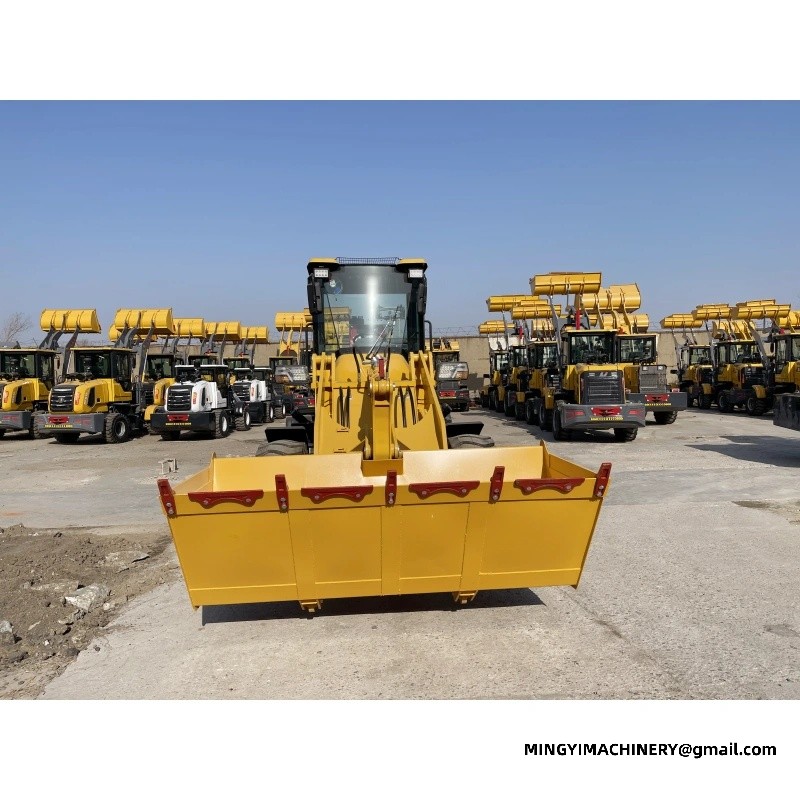
Work out how many passes fill the body, then work backwards. A body that takes four passes from a 0.3 m³ bucket will take three from 0.4 m³, but only if the machine can clear the board, and that is the part people get wrong. The heavy-duty 3.2 m small-frame wheel-side reduction wheel loader reaches 3.2 m; the standard 2.8 m low-profile wheel loader reaches 2.8 m. If the board sits between those two figures, the capacity comparison is academic.
The second check is whether the machine can dump without striking. Dump height is measured at the bucket edge with the arm at full lift, so the clearance you actually have is that figure less the height of the material crest. On the heavy-duty 3.2 m small-frame wheel-side reduction wheel loader the arm is 2.3 m and the spacing between the arms is 890 mm; a longer arm with a wider spacing tips a bucket cleanly instead of rolling it off the corner.
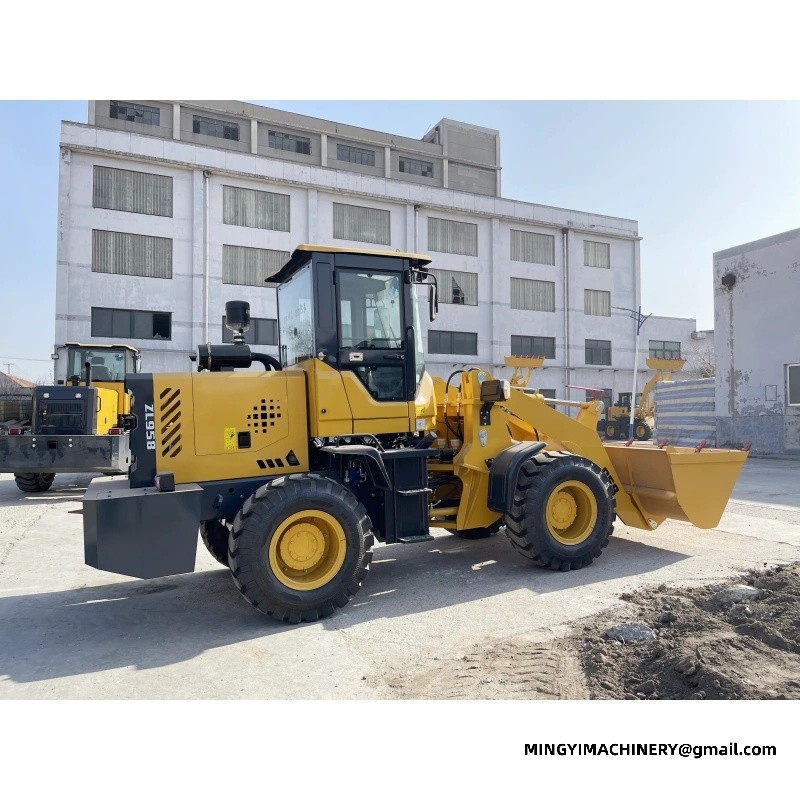
Electrical specification is short but consequential. The heavy-duty 4.5 m small-frame wheel-side reduction wheel loader lists 60 Ah (490 engine); 80 Ah (4102 turbo engine); the heavy-duty 4.2 m medium-frame wheel-side reduction wheel loader lists 80 Ah. Where a build offers two engines, the higher capacity belongs to the turbo — more compression to turn, more glow-plug load, and in a cold market that difference is the whole of a morning.
Beyond the battery, specify an isolator switch and confirm the alternator output matches the load you intend to add. Work lights, a beacon, a reversing alarm and a hydraulic third-circuit solenoid all draw from the same pack, and the 40 pump (490 engine); 1045 pump (4102 turbo engine) driven hydraulics on the heavy-duty 4.5 m small-frame wheel-side reduction wheel loader do not reduce that draw. On the heavy-duty 4.2 m medium-frame wheel-side reduction wheel loader the same applies with 2063 pump. If the machine will sit for more than a month before commissioning, specify the isolator and a maintenance charge interval.
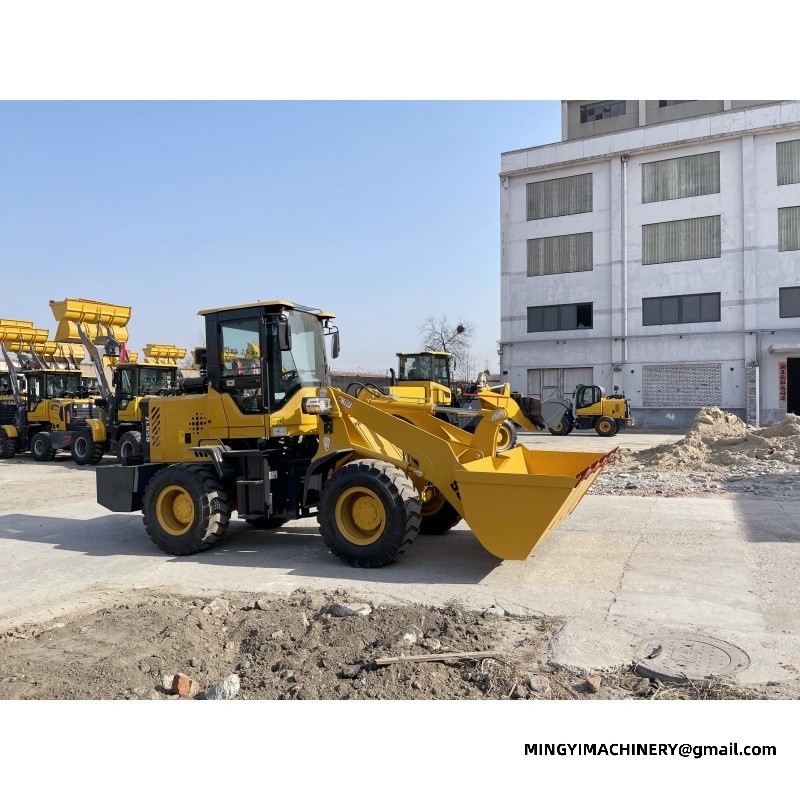
Tank size is a shift-planning figure. The heavy-duty 4.5 m small-frame wheel-side reduction wheel loader carries 64.7 L (75# small tank); the heavy-duty 3.8 m medium-frame wheel-side reduction wheel loader carries 70 L (75# large tank). Both are sized for a full working day at operating throttle without a mid-shift refuel, which matters on sites where the bowser is a ten-minute round trip away and on farms where refuelling means driving back to the yard.
The number to combine it with is cooling: 4100 core (490 engine); 4105 core (4102T engine) on the heavy-duty 4.5 m small-frame wheel-side reduction wheel loader, 4105 core on the heavy-duty 3.8 m medium-frame wheel-side reduction wheel loader. A machine that runs out of coolant capacity is stopped in the middle of a shift wherever it happens to be; a machine that runs low on fuel is stopped somewhere you chose. If the site has no refuelling point, the difference between the two tank sizes is a daily ten minutes, and over a season it is a working week.
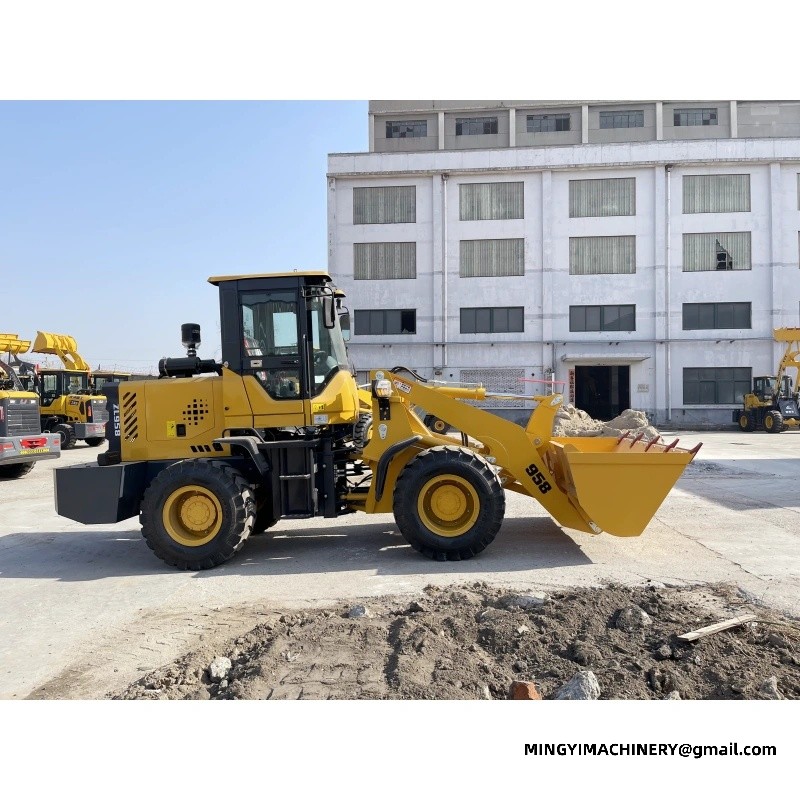
The first hour of running tells you more than the first month of paperwork. Watch the cooling: 4100 core should hold temperature at working load without the fan running continuously. Listen to the hydraulics: centre cylinder 45 / side cylinder 40 on a 32 pump should lift a full 0.3 m³ bucket to 2.8 m without the relief valve complaining.
Then check the electrical side under load, which is what the 45 Ah (24 V) rating exists for. Restart the machine hot, restart it cold, and watch the cranking. A battery that is marginal on day one will fail in the first cold week, and it is far easier to settle at commissioning than six months later.
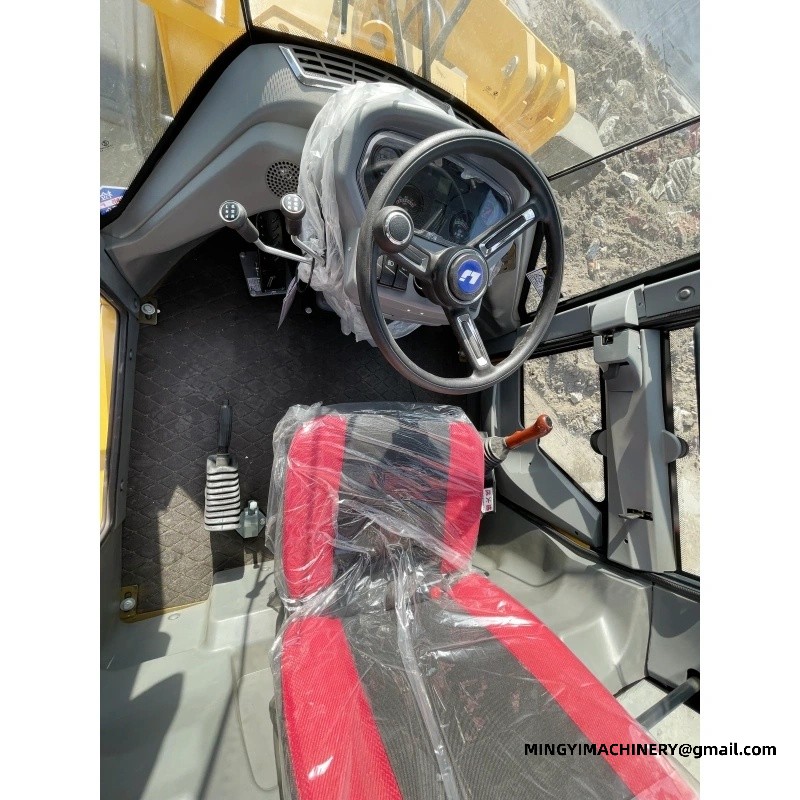
Front wheel to counterweight is the figure that decides whether a machine fits the space you have. Here it is 4.1 m on the heavy-duty 3.2 m small-frame wheel-side reduction wheel loader and 4.25 m on the heavy-duty 4.5 m small-frame wheel-side reduction wheel loader. Measure your tightest working bay, add the swing of the bucket, and compare — because a loader that has to reverse out of every corner loses more time than a bigger bucket ever recovers.
Track width closes the same question from the side. 1.5 m (wheel-side reduction axle); 1.45 m (Isuzu axle) on this build. Where two figures are listed, the narrower belongs to the hard-ground axle, and a narrow machine on a narrow gate is often the right answer even where the work itself would suit something bigger. The rear frame section, 280 mm high x 800 mm wide, is what keeps a compact machine from feeling flimsy once it is loaded.
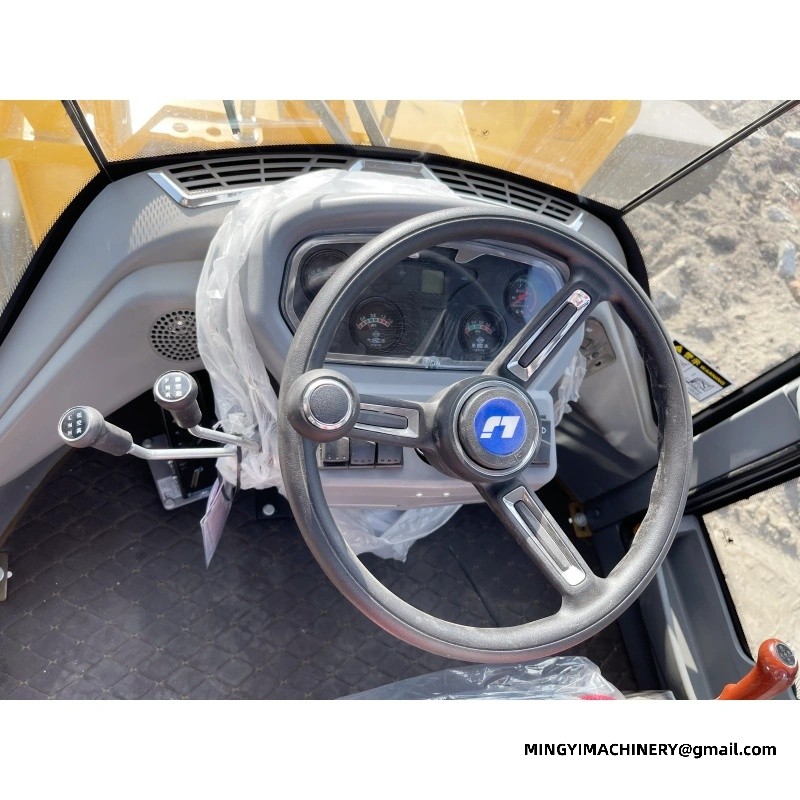
What do I check the day a heavy duty wheel loader is delivered?
Bucket 0.3 m³, lift 2.8 m, cylinders centre cylinder 45 / side cylinder 40, track 1.2 m (Isuzu axle); 1.3 m (wheel-side reduction axle) and length 3.5 m. Photograph all five; they settle any later question about what was ordered.
Will a heavy duty wheel loader ship assembled in a container?
It depends on the longest dimension, 4.1 m from front wheel to counterweight, and on track, 1.5 m (wheel-side reduction axle); 1.45 m (Isuzu axle). The bucket usually comes off; the arm must be lowered to clear the door.
Where do frames on a heavy duty wheel loader crack first?
Weld toes at the cross-member and around the rear hinge. The section is 200 mm high x 750 mm wide over a 16 mm member on this build; check both monthly on hard duty.
What does a daily check on a heavy duty wheel loader actually consist of?
Look at the ground under the machine, check coolant and oil, grease the hinge pins behind the 30 mm front and 20 mm rear plates, and glance at the cylinder rods. Ten minutes, every shift.
My heavy duty wheel loader overheats every afternoon. What is the cause?
In order of likelihood: blocked fins on the 4105 core core, a cap that will not hold pressure, a fan drive problem, or genuine overloading. Clean the core first, from the clean side.
Which spares should I hold for a heavy duty wheel loader?
Hoses and seals for the centre cylinder 45 / side cylinder 45, filters, belts and a battery to the 60 Ah (490 engine); 80 Ah (4102 turbo engine) rating. Do not stock welded items; plates at 30 mm and 20 mm are a repair, not a spare.
What should an operator be shown on a new heavy duty wheel loader?
Board clearance against the 3.2 m of lift, why the bucket should be squared to the face, and the daily walk-round. Most frame damage comes from corner-loading, not from overloading.
The range exists so that a heavy duty wheel loader can be matched to the work rather than approximated to it. Start with dump height, check the steel, then let bucket volume follow from the material — that order gets it right more often than any other.
Planning the season around Heavy Duty Wheel Loader: Wear Points on Hard Ground
Downtime is simplest when it is planned. Booking the service for Heavy Duty Wheel Loader: Wear Points on Hard Ground in the quiet part of the season takes nothing from the schedule, while the same work in the busy weeks gives up a day of output every time.
Documents that travel with Heavy Duty Wheel Loader: Wear Points on Hard Ground
Documentation should match the machine that was actually built. The sheet supplied with Heavy Duty Wheel Loader: Wear Points on Hard Ground records the configuration as delivered, because the generic catalogue description is not what the customer needs when ordering a part.
Keeping a service record for Heavy Duty Wheel Loader: Wear Points on Hard Ground
Service history also protects the warranty position. Evidence that Heavy Duty Wheel Loader: Wear Points on Hard Ground was maintained at the specified intervals and with the specified fluids settles questions that would otherwise be argued.
Contact MINGYI Machinery for the current wheel loader lineup, configuration options and a formal specification for your market. E-mail: sales@mingycn.com | LINE (ID): mingyicn
Construction Wheel Loader: Keeping a Site Cycle Moving · Mining Wheel Loader: Dust, Heat and Cooling Care · Wheel Loader for Material Handling: Forks, Grapples and Circuits · Wheel Loader









