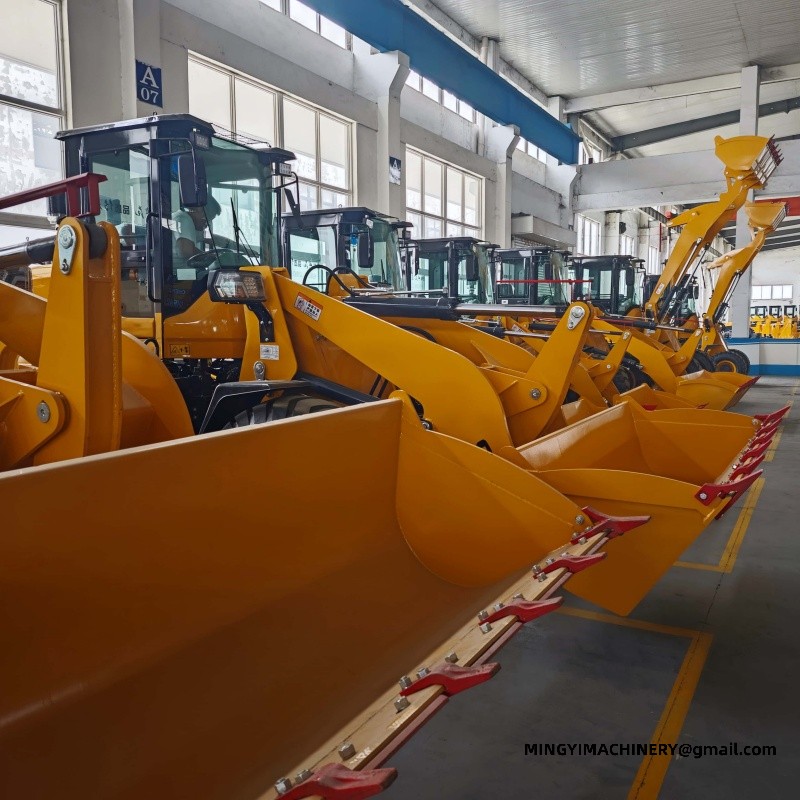
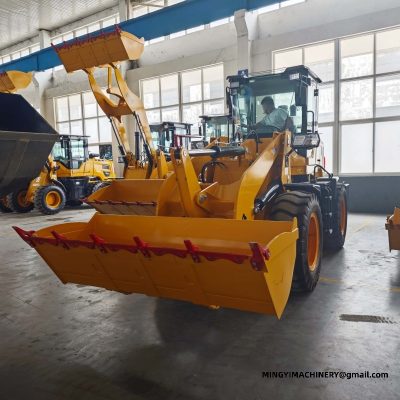
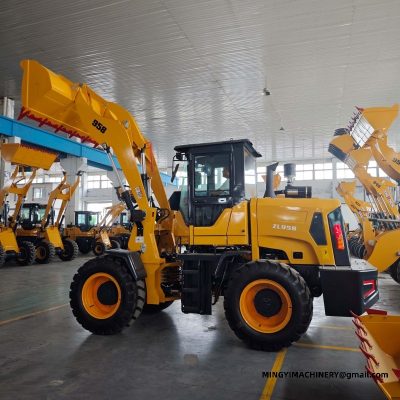
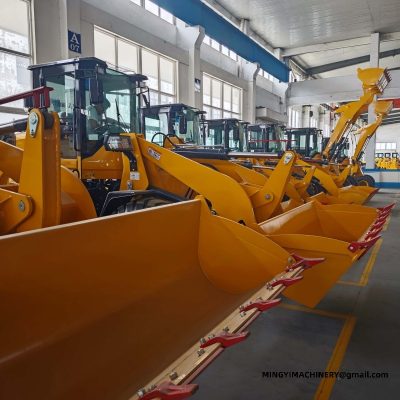
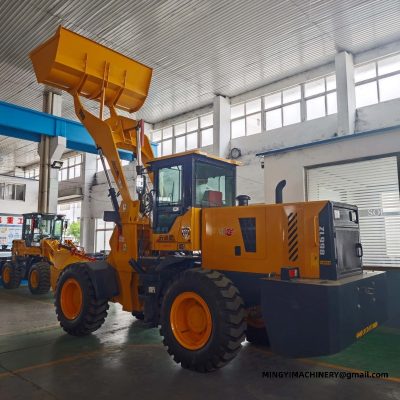
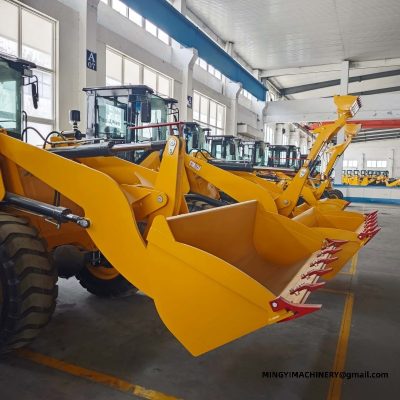
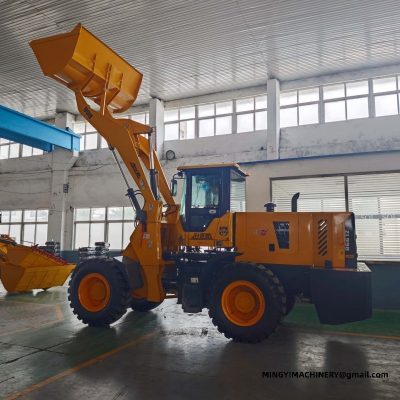
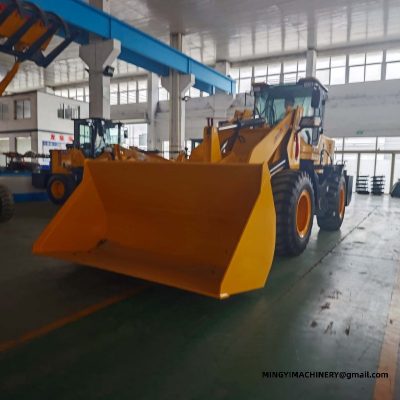
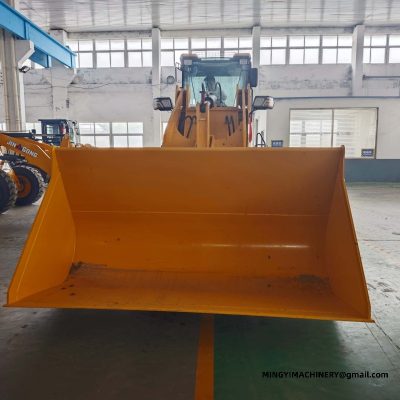
Specification sheets exist so that two people can mean the same thing. Without them, a bucket loader machine order is a name and a hope. With them, it is a bucket of 0.65 m³, a lift of 3.8 m, a track of 1.6 m, cylinders of centre cylinder 60 / side cylinder 50 and a radiator of 4105 core. This page is written for the moment before an order goes in: which rows to pin down, which to leave flexible, and which will come back to matter at delivery. The heavy-duty 3.8 m medium-frame wheel-side reduction wheel loader and the heavy-duty 4.2 m medium-frame wheel-side reduction wheel loader carry the comparisons.
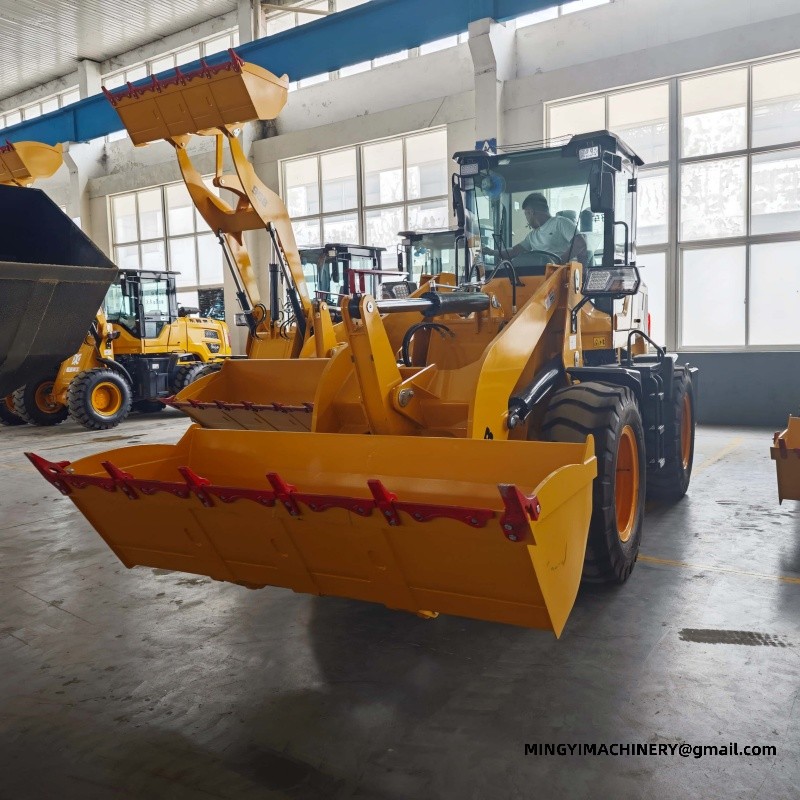
0.65 m³ on the heavy-duty 4.2 m medium-frame wheel-side reduction wheel loader is a volume, and what it means depends entirely on what goes into it. Sand, gravel and crushed rock all weigh differently per cubic metre, and a bucket that is correct for one will overload the frame with another. The frame limit is the cross-member at 45 mm and the hinge plates behind it.
The practical method is to work backwards from the receiving body. If a truck takes four passes from 0.65 m³, it takes three from 0.65 m³ on the heavy-duty 4.5 m medium-frame wheel-side reduction wheel loader, and the saving is real only if the loader clears the board — 4.2 m here against 4.5 m. Capacity without clearance is a specification that looks better in a brochure than on a site.
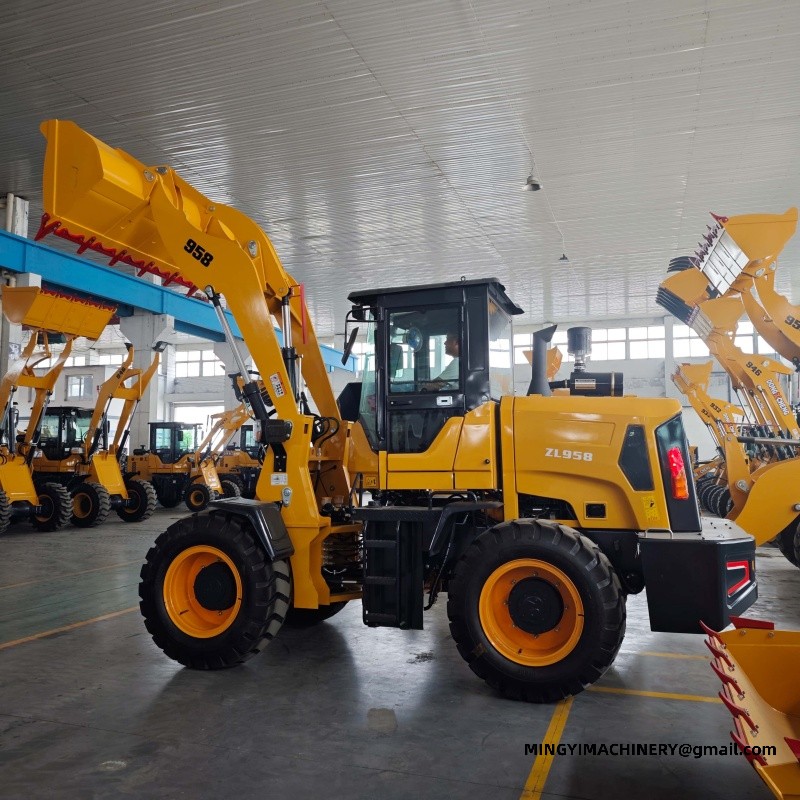
The useful way to read a range is as three decisions: how high, how heavy, and how wide. How high is dump height, 3.8 m against 4.5 m. How heavy is the steel, cross-member 30 mm against 45 mm and rear frame 280 mm high x 800 mm wide against 300 mm high x 800 mm wide. How wide is track, 1.5 m (wheel-side reduction axle); 1.45 m (Isuzu axle) against 1.6 m.
Once those three are settled, the bucket follows from the material and the boom from the height: 0.4 m³ on a 2.61 m arm here, 0.65 m³ on 3.35 m there. Reading it in that order means the specification is decided by the work rather than by whichever machine happened to be in stock.
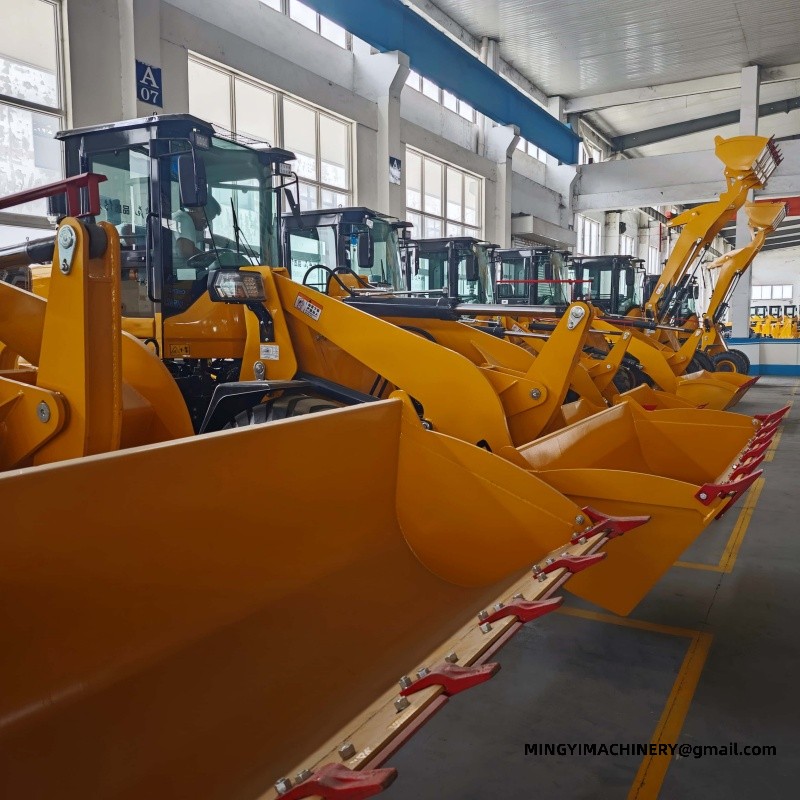
Radiator size follows the engine, not the frame. The heavy-duty 3.8 m medium-frame wheel-side reduction wheel loader lists 4105 core; the heavy-duty 4.2 m medium-frame wheel-side reduction wheel loader lists 4105 core. Where two engine options exist on one build, the cores differ — a 4100 core on the 490 engine and a 4105 on the 4102 turbo — and the taller, raised core is the one to specify wherever dust, chaff or dry sand blankets a standard radiator part-way through a shift.
Overheating is the single most common cause of a loader losing days rather than hours. It presents as power loss, then as a shift cut short, then as a head gasket. Choosing the raised core takes almost nothing at order time and cannot be retrofitted easily later. Pair that with the electrical package — 80 Ah on the heavy-duty 3.8 m medium-frame wheel-side reduction wheel loader, 80 Ah on the heavy-duty 4.2 m medium-frame wheel-side reduction wheel loader — and note that a battery specified for a naturally aspirated engine is often marginal for a turbo one in cold climates.
| Reference specification — heavy-duty 3.8 m small-frame wheel-side reduction wheel loader | |
|---|---|
| Bucket capacity | 0.4 m³ |
| Dump height | 3.8 m |
| Track width | 1.5 m (wheel-side reduction axle); 1.45 m (Isuzu axle) |
| Boom arm thickness | 25 mm |
| Boom arm width | 430 mm |
| Boom arm length | 2.61 m |
| Boom arm centre distance | 890 mm |
| Cross-member thickness | 30 mm |
| Front hinge plate thickness | 30 mm |
| Rear hinge plate thickness | 20 mm |
| Rear frame section | 280 mm high x 800 mm wide |
| Hydraulic cylinders | centre cylinder 45 / side cylinder 45 |
| Fuel tank | 64.7 L (75# small tank) |
| Battery | 60 Ah (490 engine); 80 Ah (4102 turbo engine) |
| Front wheel to counterweight | 4.2 m |
| Radiator | 4100 core (490 engine); 4105 core (4102T engine) |
| Work pump | 40 pump (490 engine); 1045 pump (4102 turbo engine) |
| Travel pump | 316 pump |
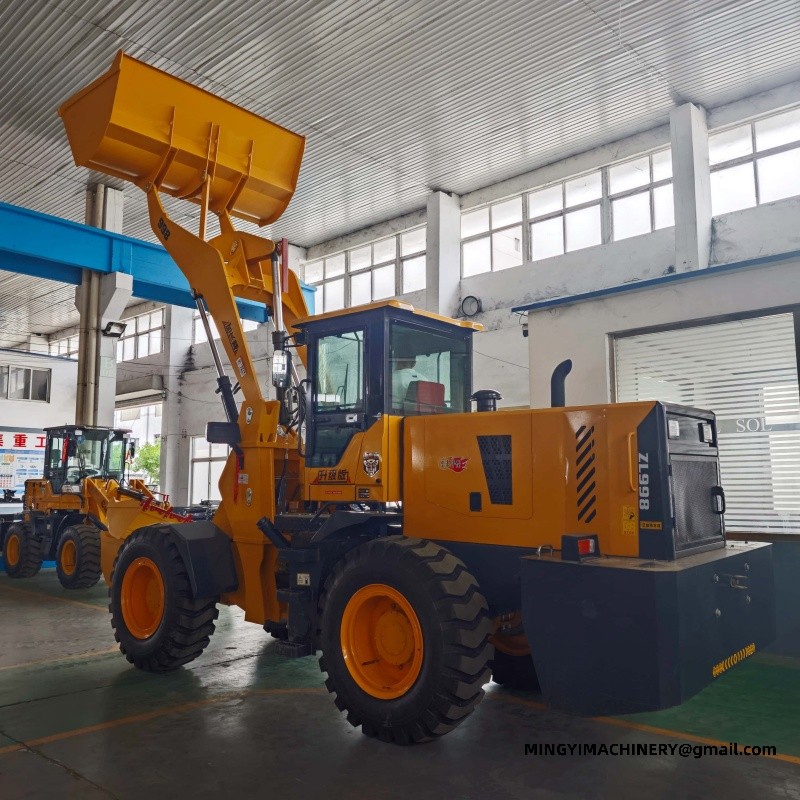
An agricultural loader is a small machine doing varied work, and the specification that matters is the one that lets it into the buildings. Track width 1.6 m on the heavy-duty 3.8 m medium-frame wheel-side reduction wheel loader against 1.6 m on the heavy-duty 4.2 m medium-frame wheel-side reduction wheel loader, footprint 4.55 m against 4.55 m, and dump height 3.8 m against 4.2 m for the wagon or hopper it fills.
Duty is seasonal and mostly light, which is why the light builds exist: a 0.65 m³ bucket with 45 mm cross-member and 30 mm rear hinge plates is correctly specified for silage, bagged goods and yard scraping. Where the machine also does heavy work — muck-out with a loaded bucket, or winter snow clearing — step to the heavier build with 45 mm and 30 mm. Over-specifying takes money once; under-specifying takes a frame.
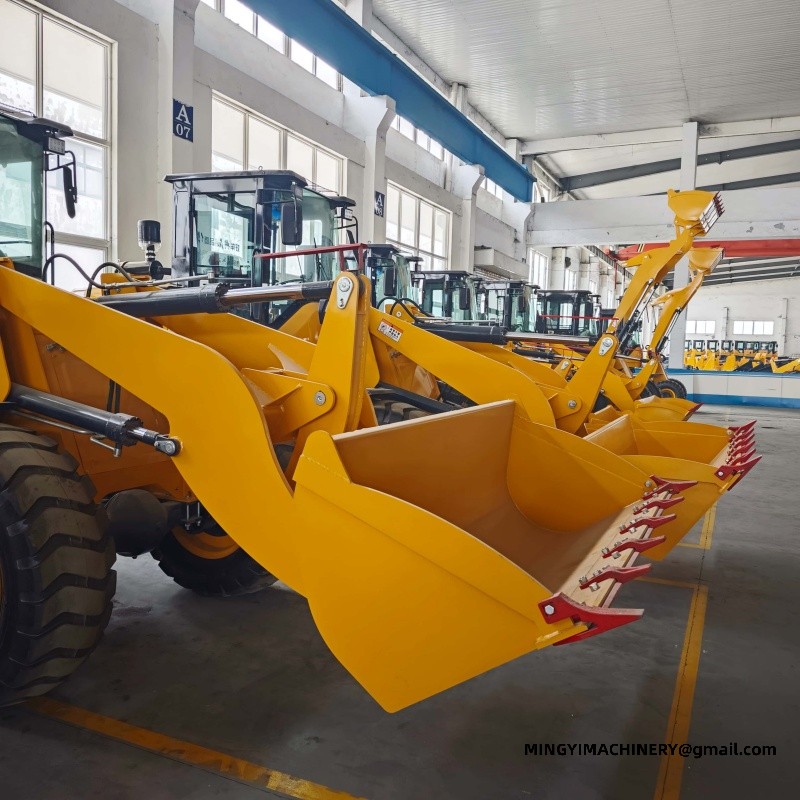
Parts are matched to a build, and the build is identified by its hydraulics and its engine long before its name. Specification centre cylinder 45 / side cylinder 45 and 40 pump (490 engine); 1045 pump (4102 turbo engine) and the pump is identified; specification 4100 core (490 engine); 4105 core (4102T engine) and the engine is identified; specification 60 Ah (490 engine); 80 Ah (4102 turbo engine) and the electrical specification is identified.
Frame parts are identified by the steel: 30 mm front plate, 20 mm rear plate, 30 mm cross-member, 280 mm high x 800 mm wide rear section. Sending those four with an enquiry removes the usual round of photographs and gets the right part on the first shipment.
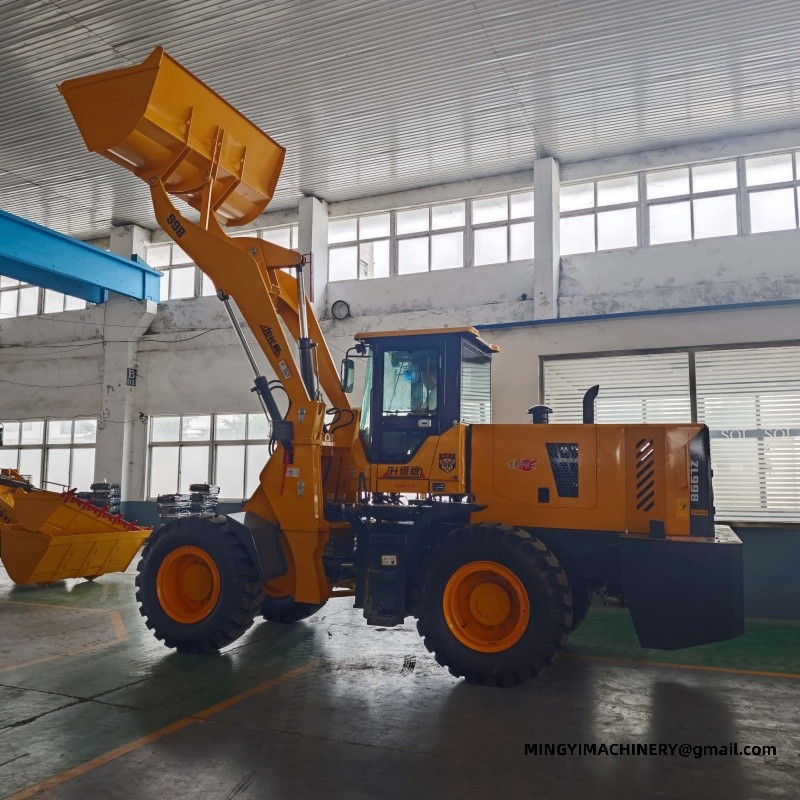
A rebuild is worth doing when the frame is sound and the running gear is not. Check the hinge plates, 30 mm and 20 mm, and the cross-member, 30 mm, for movement and cracking. If those are tight, cylinders centre cylinder 45 / side cylinder 45, pump 40 pump (490 engine); 1045 pump (4102 turbo engine) and radiator 4100 core (490 engine); 4105 core (4102T engine) are all replaceable items and the machine has years left.
If the frame has gone, it has gone: re-machining pin bores restores geometry for a while and never for long, because the 280 mm high x 800 mm wide section has been flexing the whole time. That is the point to compare against a new build rather than a repair, and it is why the plate figures are worth reading at purchase rather than at disposal.
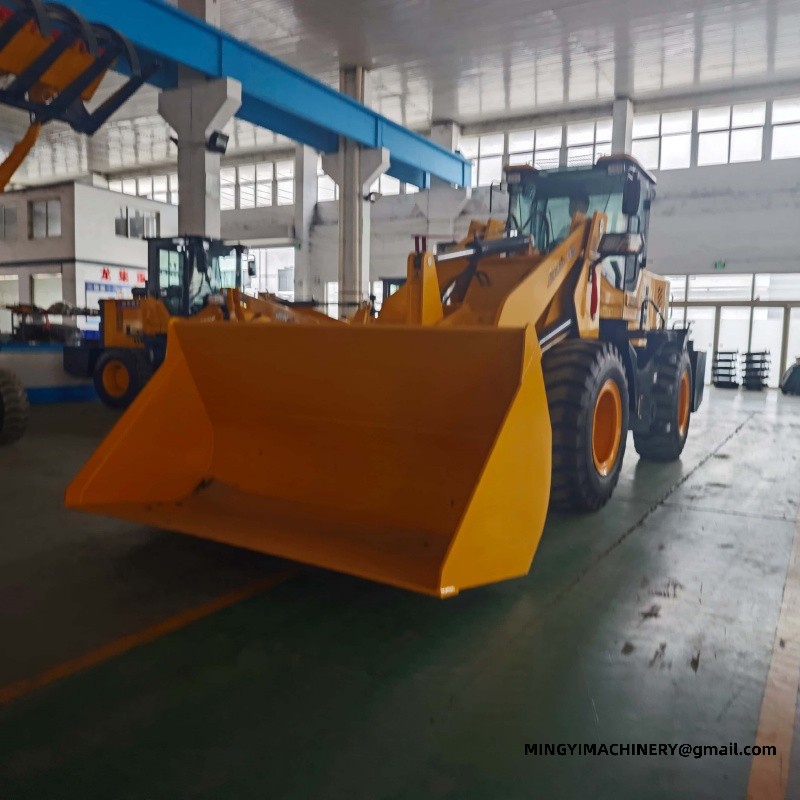
Before specifying anything else, measure the tallest body the loader will ever have to clear, at the front board, loaded, on the worst ground on site. That number decides the machine. The heavy-duty 4.2 m medium-frame wheel-side reduction wheel loader in this comparison dumps at 4.2 m; the heavy-duty 4.2 m medium-frame wheel-side reduction wheel loader at 4.2 m. The difference looks small on paper and is decisive at the face, because a loader that cannot clear the board cannot be worked around.
Once the height is settled, capacity sets the number of passes. 0.4 m³ on the heavy-duty 3.8 m small-frame wheel-side reduction wheel loader against 0.65 m³ on the heavy-duty 4.2 m medium-frame wheel-side reduction wheel loader. Multiply by your material weight per cubic metre and check it against what the chassis is carrying, not what the bucket holds — the frame, at 30 mm across the member, is the limit that arrives first.
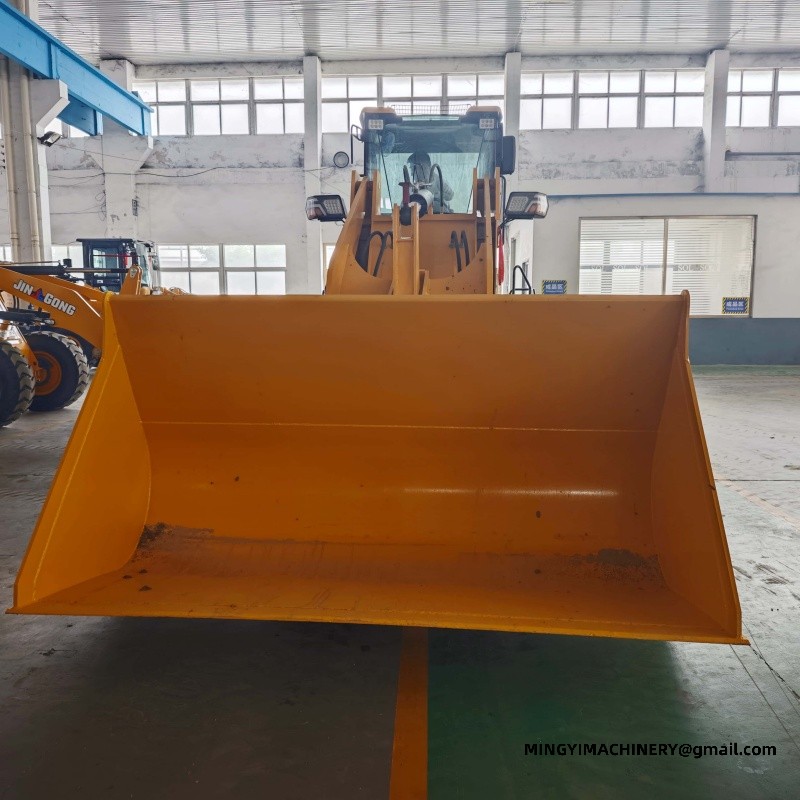
Continuous stockpile duty is where light builds are separated from heavy ones, and the separation is visible in steel. The heavy-duty 4.2 m medium-frame wheel-side reduction wheel loader lists 45 mm front and 30 mm rear hinge plates over a 45 mm cross-member and a 300 mm high x 800 mm wide rear frame, carrying 0.65 m³ to 4.2 m. The heavy-duty 3.8 m medium-frame wheel-side reduction wheel loader lists 45 mm, 30 mm, 45 mm and 300 mm high x 800 mm wide, carrying 0.65 m³ to 3.8 m.
Choose by cycle count rather than by material. Below twenty truck loads a day the lighter machine is the better economics; above it, the heavier frame pays for itself in avoided downtime. Then specify the cooling package for the material — 4105 core raised core for fines and dust — and the axle for the floor. Both are simple at order time and neither is simple later.
How do I keep one spares bin covering a mixed fleet?
Buy within one frame family and one engine. That keeps the 2063 pump pump, the 4105 core core and the 80 Ah battery common across every machine.
Why does my bucket loader machine turn over slowly on cold mornings?
Cranking capacity falls with temperature, and the rating is 80 Ah on this build. Where two engines are offered the higher rating belongs to the turbo; specify it if the machine starts cold or stops often.
Which engine option should a bucket loader machine be ordered with?
It follows the duty. The engine drags three rows with it: pump 32 pump, core 4100 core and battery 45 Ah (24 V). Choose it early rather than accepting whatever is in stock.
What does winter duty change on a bucket loader machine?
Cold cranking, oil viscosity and operator access. Battery 60 Ah (490 engine); 80 Ah (4102 turbo engine) covers the first; the 64.7 L (75# small tank) tank covers the longer idling that cold work brings.
Is it worth rebuilding an older bucket loader machine?
If the frame is tight, yes: cylinders centre cylinder 45 / side cylinder 45, pump 40 pump (490 engine); 1045 pump (4102 turbo engine) and core 4100 core (490 engine); 4105 core (4102T engine) are all replaceable. If the pins have ovalised their bores, the geometry will not come back.
Can I order the same bucket loader machine build again next year?
Yes, if the order is written by figures rather than by name: bucket 0.4 m³, lift 3.5 m, cylinders centre cylinder 45 / side cylinder 40, pump 40 pump (490 engine); 1045 pump (4102 turbo engine). Names change; rows do not.
How should a bucket loader machine be stored for a season?
Isolate the battery, which is rated 80 Ah, grease the pins, and protect the cylinder rods on the centre cylinder 60 / side cylinder 50. Machines stored outside suffer at the pins and the electrics.
If the comparison here is close, decide on the rows that outlast the job: cross-member 45 mm against 45 mm, rear frame 300 mm high x 800 mm wide against 300 mm high x 800 mm wide. Capacity can be changed with a bucket; steel cannot be changed at all.
Commissioning Bucket Loader Machine: Filling the Bucket Every Pass on site
The first hour on site should be slow. Before Bucket Loader Machine: Filling the Bucket Every Pass is put to work the fluid levels are rechecked after transport, the fasteners are gone over and the machine is run light so that anything loosened in transit shows up early.
Moving Bucket Loader Machine: Filling the Bucket Every Pass between sites
Securing the load is not optional. Lashing Bucket Loader Machine: Filling the Bucket Every Pass at the points intended for it, checking the tension before the vehicle moves and rechecking after the first kilometres is standard practice rather than extra care.
Fuel, oil and fluid quality for Bucket Loader Machine: Filling the Bucket Every Pass
Most engine trouble starts with what went into the tank. Clean fuel, stored properly and filtered before it reaches Bucket Loader Machine: Filling the Bucket Every Pass, prevents more downtime than any other single habit an owner can adopt.
Wear items and spares worth holding for Bucket Loader Machine: Filling the Bucket Every Pass
A spares list should follow the duty cycle. A Bucket Loader Machine: Filling the Bucket Every Pass working every day in abrasive dust consumes filters and cutting edges far faster than the same machine used once a week, and the shelf should be stocked for the harder case.
Contact MINGYI Machinery for the current wheel loader lineup, configuration options and a formal specification for your market. E-mail: sales@mingycn.com | LINE (ID): mingyicn
Construction Equipment Loader: Specs Worth Checking Twice · Earthmoving Wheel Loader: Breaking Out of a Hard Face · Wheel Loader Series: Reliable Builds from Entry to Medium Frame · Wheel Loader









