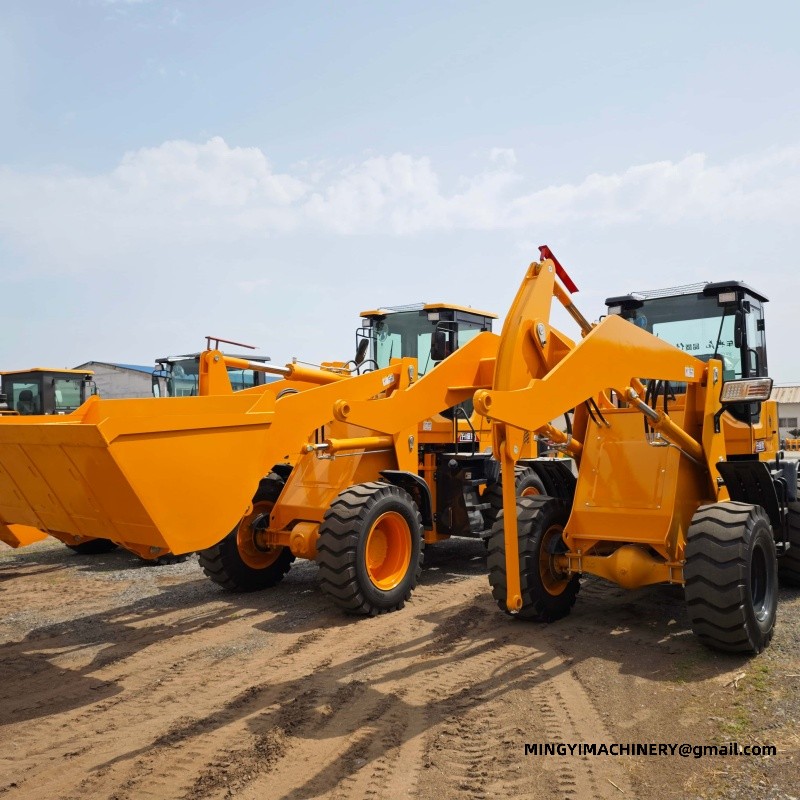
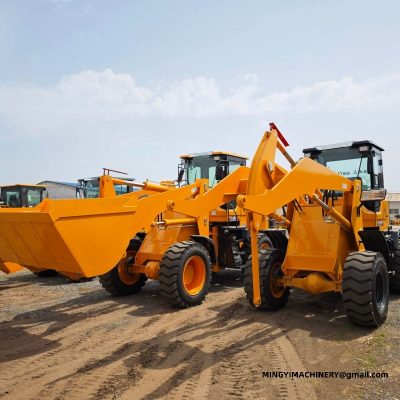
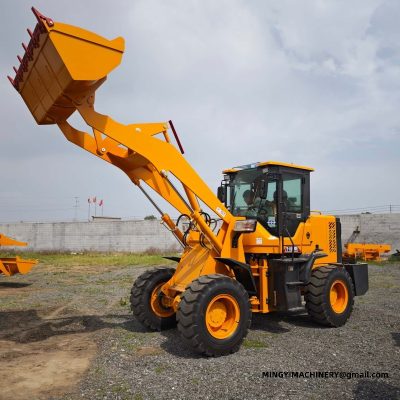
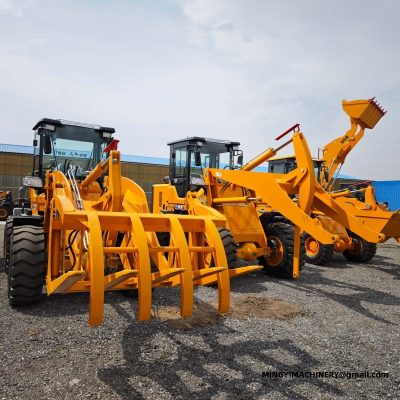
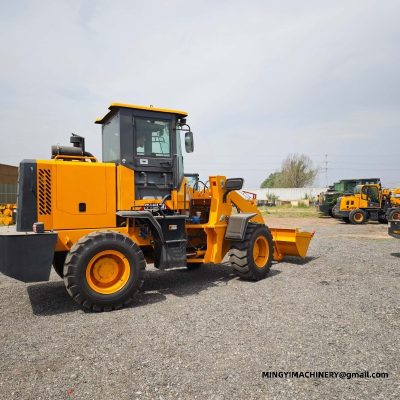
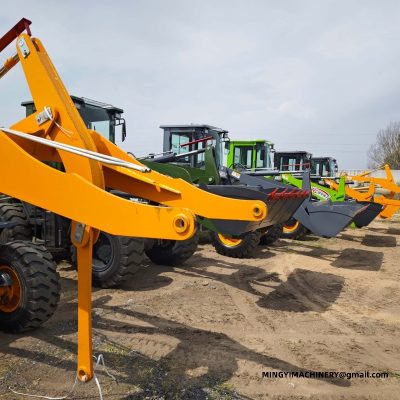
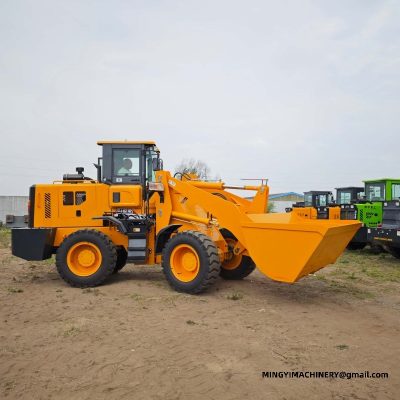
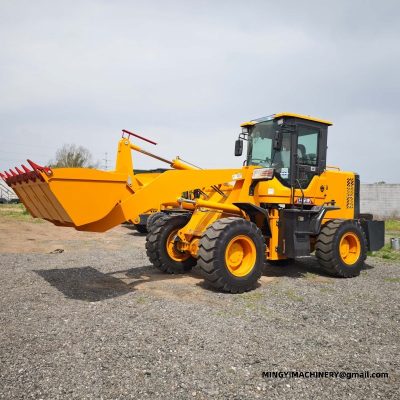
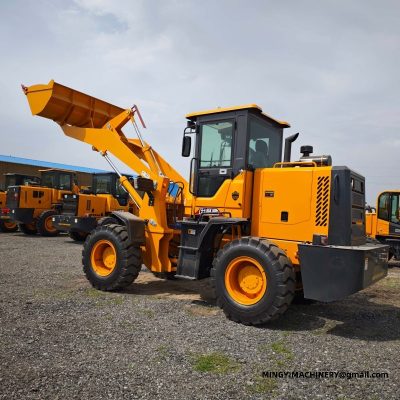
Buying a front end loader manufacturer is mostly deciding what you are willing to give up.Reach takes stability, capacity takes weight, speed takes heat, and a longer arm loads the hinge harder on every pass. The range publishes each of those trade-offs, so the decision can be made deliberately. Taking the heavy-duty 3.5 m medium-frame wheel-side reduction wheel loader — 0.65 m³ bucket, 3.5 m of lift, 45 mm cross-member — against the heavy-duty 3.8 m medium-frame wheel-side reduction wheel loader at 0.65 m³, 3.8 m and 45 mm, this page shows what each choice buys and what it takes.
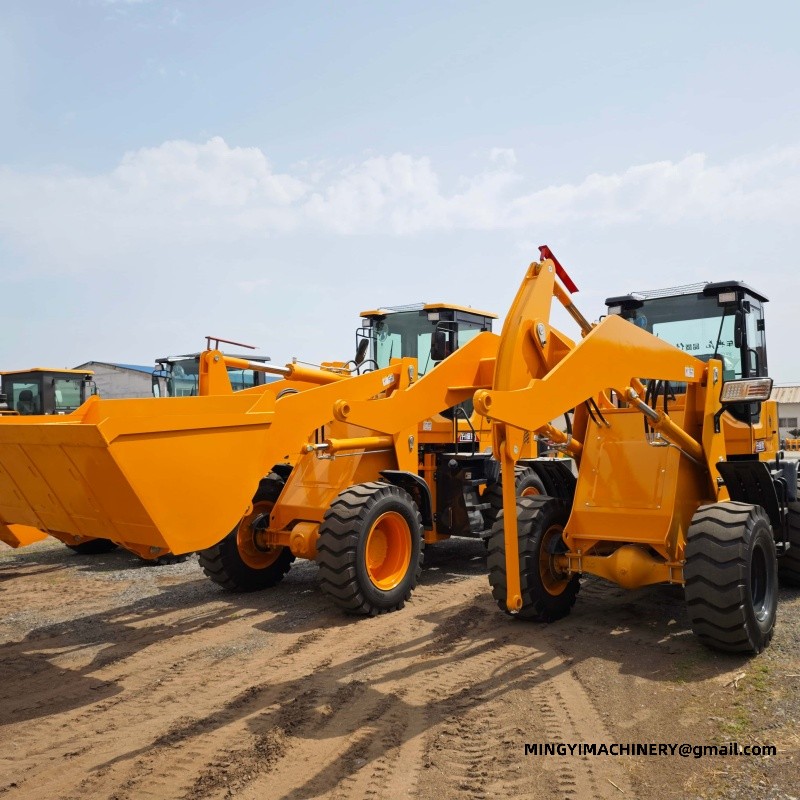
Volume is simple and stability is not. Across the range the buckets run 0.65 m³ on the heavy-duty 3.5 m medium-frame wheel-side reduction wheel loader to 0.65 m³ on the heavy-duty 3.8 m medium-frame wheel-side reduction wheel loader, and the machines behind them are built to match: 30 mm boom wall and 45 mm cross-member against 30 mm and 45 mm. That is why a bigger bucket on a lighter frame is a poor bargain.
Decide in three steps. First, what are you loading into — that fixes dump height, 3.5 m on the heavy-duty 3.5 m medium-frame wheel-side reduction wheel loader or 3.8 m on the heavy-duty 3.8 m medium-frame wheel-side reduction wheel loader. Second, what is the material's weight per cubic metre — that fixes whether 0.65 m³ or 0.65 m³ is honest. Third, how many passes a day — that fixes whether the extra volume saves enough time to pay for the heavier frame. Skip the second step and you buy a machine that is either slow or overloaded.
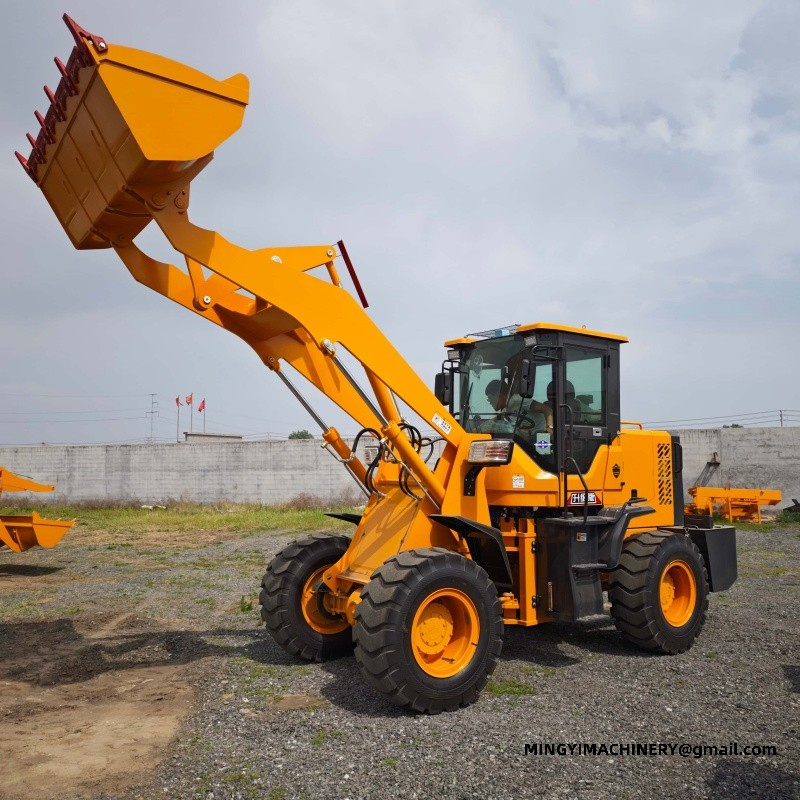
Cold cranking is the one specification that is easy to ignore and impossible to work around at five in the morning. This build is specified with 60 Ah (490 engine); 80 Ah (4102 turbo engine), matched to the engine it has to turn. Capacity in ampere-hours is only half the story; the other half is whether the rating is honest at low temperature, which is why the figure should be read together with the engine option.
Where two engines are offered, the turbo option asks for more from the battery and gets it: the higher rating in 60 Ah (490 engine); 80 Ah (4102 turbo engine) belongs to that build. If the machine will start cold, stop often, or run a short-haul duty with many restarts, specify the higher capacity at the order stage rather than discovering the limit in January.
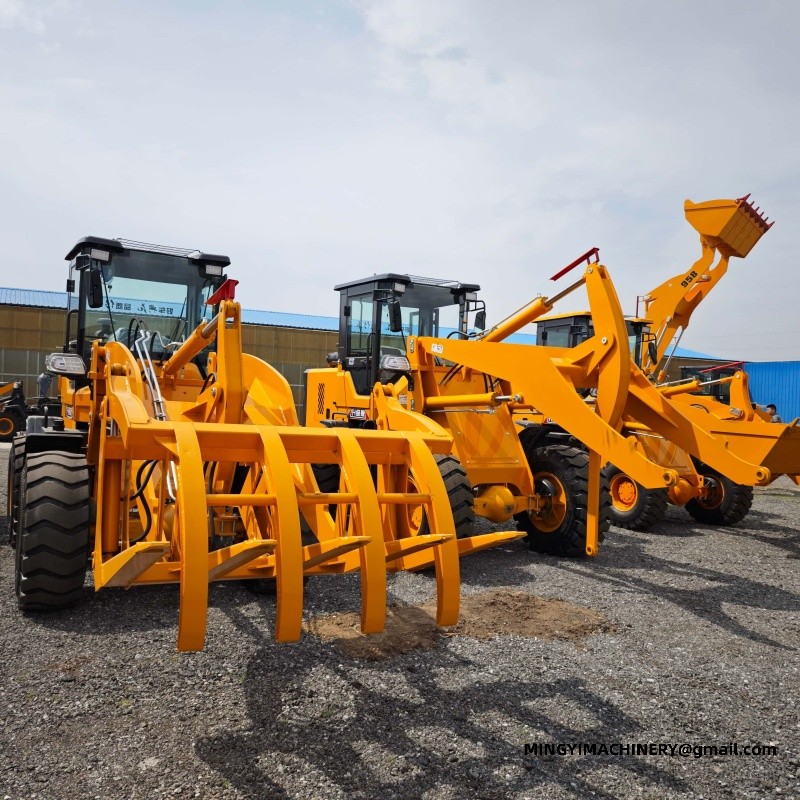
Track width decides two things at once: whether the machine stays upright on a slope, and whether it fits through what you need it to fit through. This build runs 1.2 m (Isuzu axle); 1.3 m (wheel-side reduction axle), against 1.5 m (wheel-side reduction axle); 1.45 m (Isuzu axle) on the heavy-duty 3.5 m small-frame wheel-side reduction wheel loader. Wider is more stable and needs more room. The choice is made by your narrowest gate, not by your widest heap.
The axle behind the track matters as much as the number. A wheel-side reduction axle puts the final reduction at the hub, which lowers the load on the half-shafts and suits soft, rutted or sandy ground. The alternative pattern suits hard, level surfaces and runs cooler at road speed. Where a build offers both, the hub-reduction figure in 1.2 m (Isuzu axle); 1.3 m (wheel-side reduction axle) is the one for quarry floors and unmade haul roads.
| Reference specification — heavy-duty 3.5 m small-frame wheel-side reduction wheel loader | |
|---|---|
| Bucket capacity | 0.4 m³ |
| Dump height | 3.5 m |
| Track width | 1.5 m (wheel-side reduction axle); 1.45 m (Isuzu axle) |
| Boom arm thickness | 25 mm |
| Boom arm width | 430 mm |
| Boom arm length | 2.62 m |
| Boom arm centre distance | 890 mm |
| Cross-member thickness | 30 mm |
| Front hinge plate thickness | 30 mm |
| Rear hinge plate thickness | 20 mm |
| Rear frame section | 280 mm high x 800 mm wide |
| Hydraulic cylinders | centre cylinder 45 / side cylinder 40 |
| Fuel tank | 64.7 L (75# small tank) |
| Battery | 60 Ah (490 engine); 80 Ah (4102 turbo engine) |
| Front wheel to counterweight | 4.1 m |
| Radiator | 4100 core (490 engine); 4105 core (4102T engine) |
| Work pump | 40 pump (490 engine); 1045 pump (4102 turbo engine) |
| Travel pump | 316 pump |
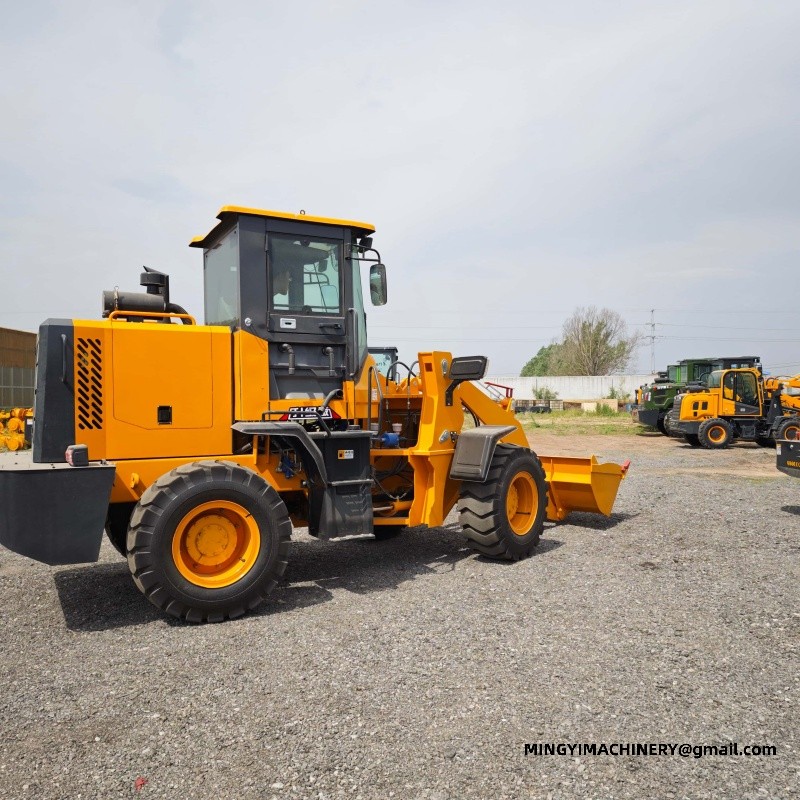
Relief pressure is only half the story; the other half is lever geometry, and lever geometry is decided by the boom and hinge dimensions. The heavy-duty 3.5 m medium-frame wheel-side reduction wheel loader pairs a centre cylinder 60 / side cylinder 50 cylinder set with a 920 mm boom centre distance and a 3.15 m arm; the heavy-duty 3.8 m medium-frame wheel-side reduction wheel loader pairs centre cylinder 60 / side cylinder 50 with a 920 mm spacing and a 2.9 m arm. Wider spacing means the cylinders work through a better lever, which is how a bigger bucket is lifted without simply raising system pressure and heat.
Pump pairing is the second half. Work pump and travel pump are separate circuits on both machines — 2063 pump and 25 pump on the heavy-duty 3.5 m medium-frame wheel-side reduction wheel loader, 2063 pump and 25 pump on the heavy-duty 3.8 m medium-frame wheel-side reduction wheel loader — so steering and drive do not steal flow from the boom at the top of a lift. If you intend to run hydraulically actuated attachments, a grapple or a four-in-one bucket, order the third circuit at build time; retrofitting a valve block and plumbing in the field takes far more than specifying it on the order.
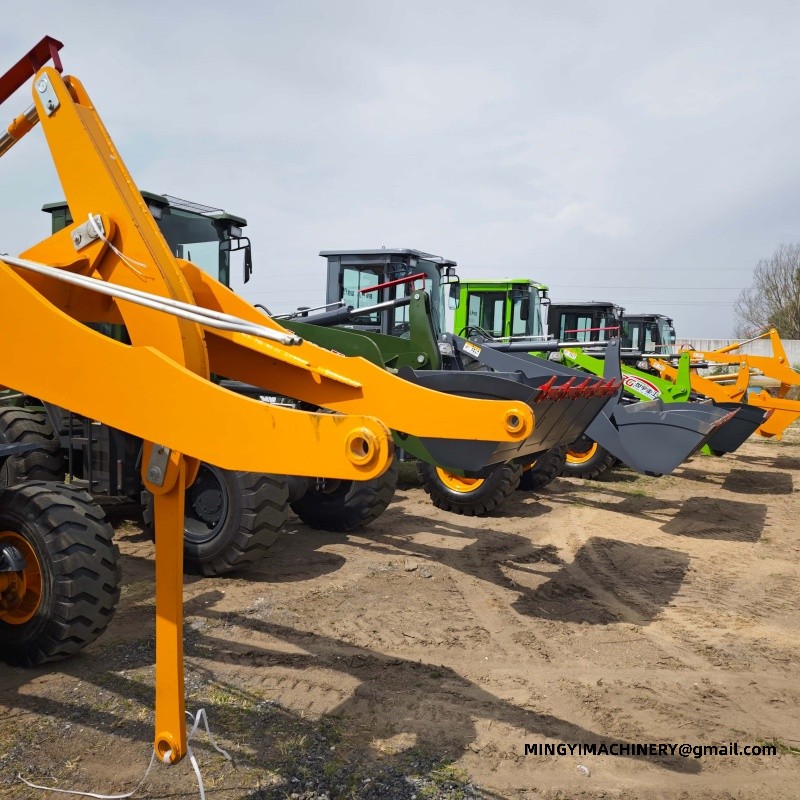
The first hour of running tells you more than the first month of paperwork. Watch the cooling: 4100 core (490 engine); 4105 core (4102T engine) should hold temperature at working load without the fan running continuously. Listen to the hydraulics: centre cylinder 45 / side cylinder 40 on a 40 pump (490 engine); 1045 pump (4102 turbo engine) should lift a full 0.4 m³ bucket to 3.5 m without the relief valve complaining.
Then check the electrical side under load, which is what the 60 Ah (490 engine); 80 Ah (4102 turbo engine) rating exists for. Restart the machine hot, restart it cold, and watch the cranking. A battery that is marginal on day one will fail in the first cold week, and it is far easier to settle at commissioning than six months later.
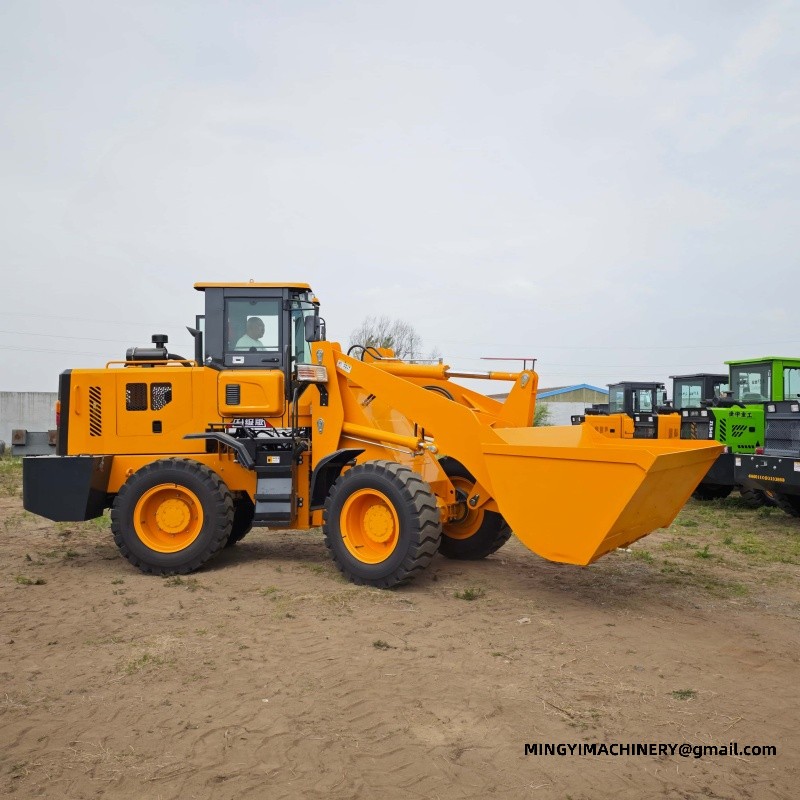
Over a full season, the differences that matter are not the ones on the sales sheet. Two machines, the heavy-duty 3.5 m medium-frame wheel-side reduction wheel loader with 0.65 m³ at 3.5 m and the heavy-duty 3.8 m medium-frame wheel-side reduction wheel loader with 0.65 m³ at 3.8 m, will differ in fuel by less than they differ in uptime, and they will differ in uptime mostly because of the cooling package — 4105 core against 4105 core — and the frame — 30 mm against 30 mm.
plan on the duty, then check the specification supports it. A light build in a quarry is a false economy; a heavy build on a farm is money spent for nothing. Where the duty is mixed, buy the frame for the hardest week of the year and the bucket for the average one — buckets are simple, frames are not, and the 2063 pump and 25 pump on the heavy-duty 3.5 m medium-frame wheel-side reduction wheel loader will run either.
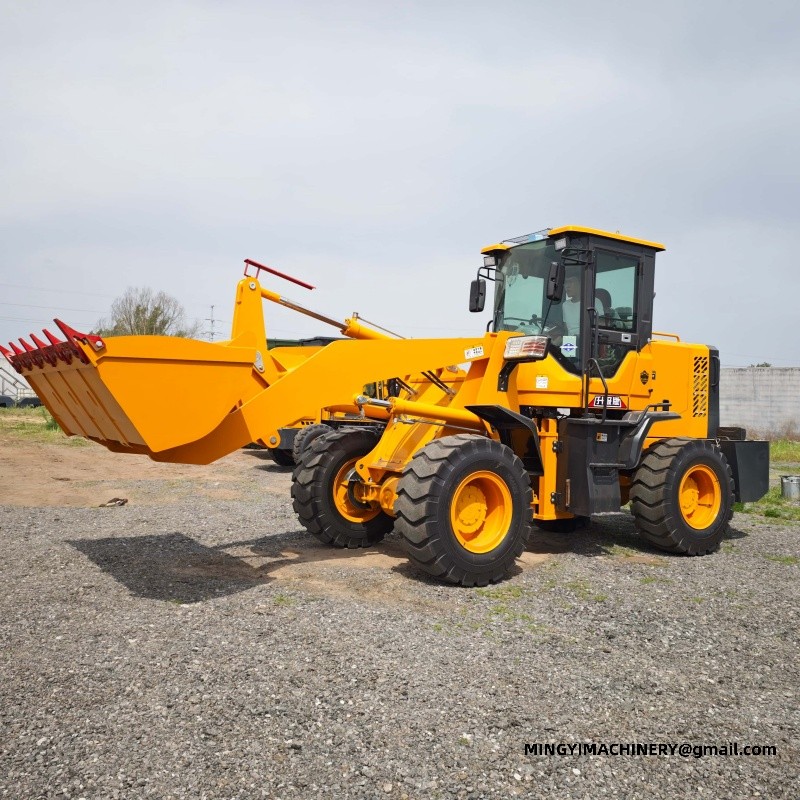
Parts are matched to a build, and the build is identified by its hydraulics and its engine long before its name. Specification centre cylinder 45 / side cylinder 40 and 32 pump and the pump is identified; specification 4100 core and the engine is identified; specification 45 Ah (24 V) and the electrical specification is identified.
Frame parts are identified by the steel: 16 mm front plate, 16 mm rear plate, 16 mm cross-member, 200 mm high x 750 mm wide rear section. Sending those four with an enquiry removes the usual round of photographs and gets the right part on the first shipment.
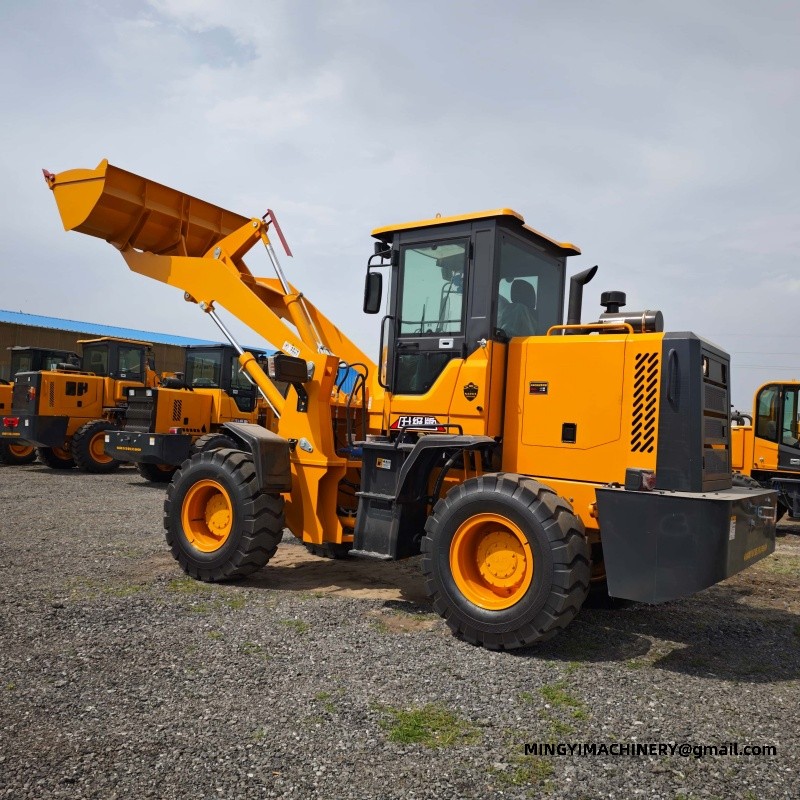
A specification is only as good as the figures on it. Before comparing numbers between suppliers, make sure the same figures appear on both: bucket 0.3 m³, dump height 2.8 m, boom section 300 mm over 20 mm of wall, hinge plates 16 mm front and 16 mm rear, cross-member 16 mm. If a sheet will not give you those five, it is not a specification, it is a description.
The second thing a sheet should let you check is which engine the figures belong to. Where a build offers two engines, the pump and radiator change with it: this one lists 32 pump and 4100 core. Asking for the build by engine, not by model name, is the single change that prevents most delivery disputes.
Should I go up a bucket size on a front end loader manufacturer?
Only if the material is light enough to fill it. 0.4 m³ against 0.65 m³ looks like a gain on paper and is a loss on dense material, and the extra weight lands on the hinge.
Where do frames on a front end loader manufacturer crack first?
Weld toes at the cross-member and around the rear hinge. The section is 200 mm high x 750 mm wide over a 16 mm member on this build; check both monthly on hard duty.
How do I keep one spares bin covering a mixed fleet?
Buy within one frame family and one engine. That keeps the 2063 pump pump, the 4105 core core and the 80 Ah battery common across every machine.
How is dump height on a front end loader manufacturer measured?
At the bucket edge, arm at full lift, machine level. The heavy-duty 3.5 m medium-frame wheel-side reduction wheel loader publishes 3.5 m and the heavy-duty 4.2 m medium-frame wheel-side reduction wheel loader publishes 4.2 m, measured the same way, so the two can be compared directly.
How does wet ground change how a front end loader manufacturer is used?
Rolling resistance rises, so wheel spin and driveline load rise with it. Track is 1.5 m (wheel-side reduction axle); 1.45 m (Isuzu axle), and the hub-reduction option is the one for soft ground.
What makes a used front end loader manufacturer easy to sell?
A verifiable specification. Bucket 0.65 m³, lift 3.8 m, plates 45 mm and 30 mm and a 45 mm cross-member can all be measured, and a buyer who can check them will pay for the certainty.
How much does material weight matter on a front end loader manufacturer?
It sets the real limit, not the bucket. Volume is 0.4 m³; what the frame takes is set by the 30 mm cross-member and the 230 mm high x 800 mm wide rear section behind it.
If the comparison here is close, decide on the rows that outlast the job: cross-member 45 mm against 45 mm, rear frame 300 mm high x 800 mm wide against 300 mm high x 800 mm wide. Capacity can be changed with a bucket; steel cannot be changed at all.
Handover and getting familiar with Front End Loader Manufacturer: Boom and Hinge Checks
A good handover covers the awkward cases, not just the easy ones. Starting Front End Loader Manufacturer: Boom and Hinge Checks on a slope, turning in a confined space and recovering from soft ground are the situations an operator should meet first with someone beside them.
Hot, humid and dusty conditions around Front End Loader Manufacturer: Boom and Hinge Checks
Heat and dust shorten service intervals rather than machine life. In these conditions the filters on Front End Loader Manufacturer: Boom and Hinge Checks need attention more often, and the cooling surfaces need to be kept clear to hold the working temperature.
Fuel, oil and fluid quality for Front End Loader Manufacturer: Boom and Hinge Checks
Contamination is easier to prevent than to cure. Keeping the filler caps sealed, the funnels clean and the containers closed around Front End Loader Manufacturer: Boom and Hinge Checks is unglamorous work that shows up as reliability later.
Contact MINGYI Machinery for the current wheel loader lineup, configuration options and a formal specification for your market. E-mail: sales@mingycn.com | LINE (ID): mingyicn
Heavy Duty Wheel Loader: Frame Steel for Long Shifts · Compact Wheel Loader: Turning Space and Pin Wear · Compact Wheel Loader: Choosing Between the Two Entry Builds · Wheel Loader









