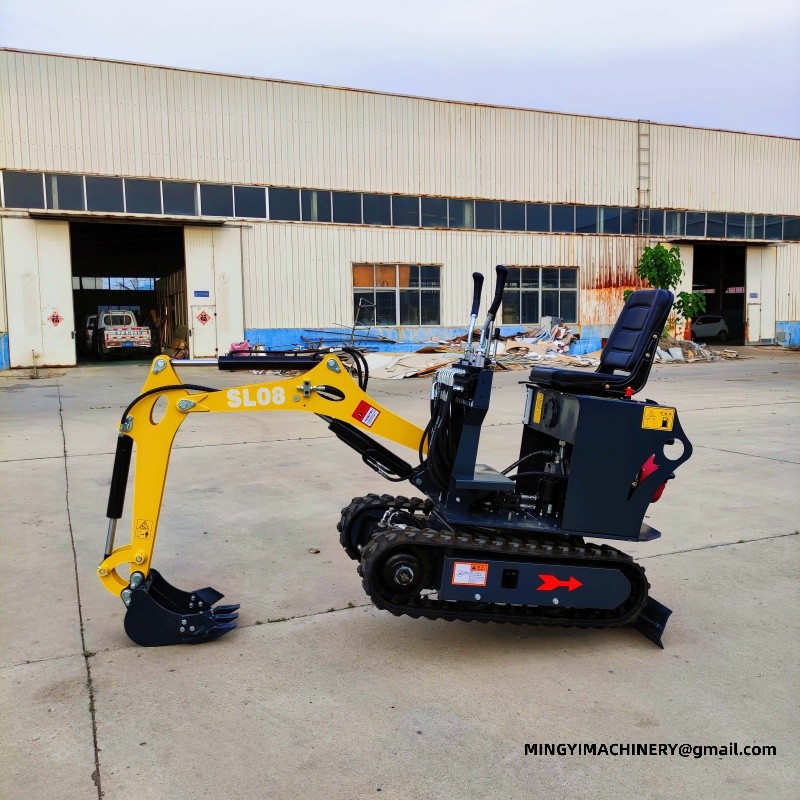
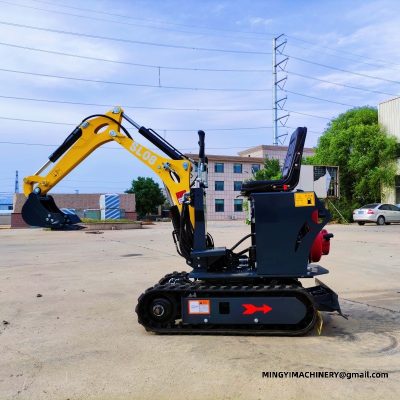
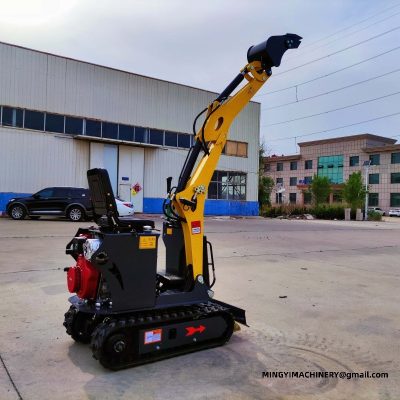
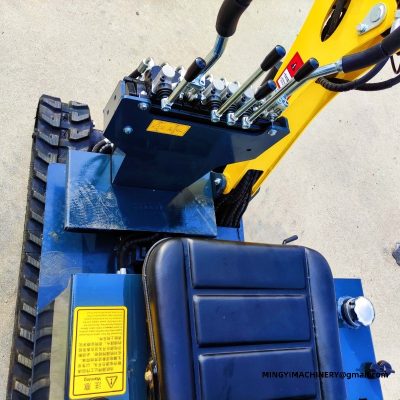
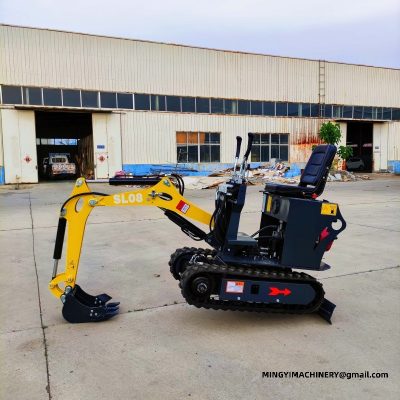
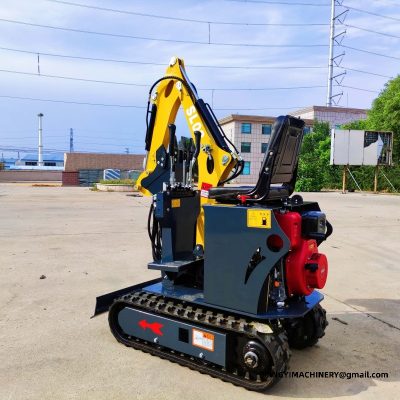
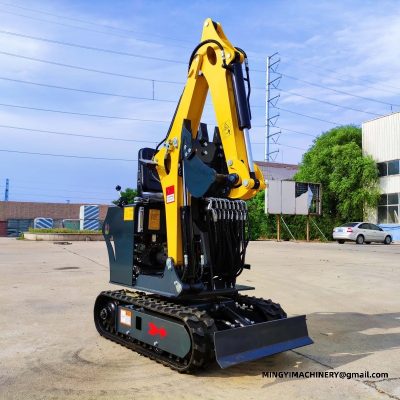
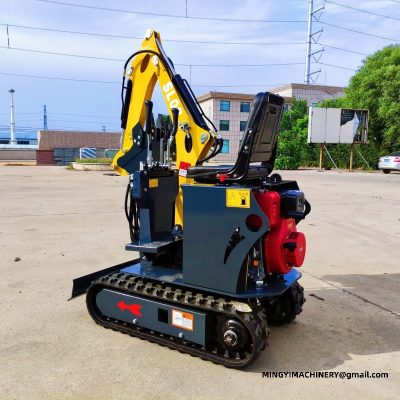
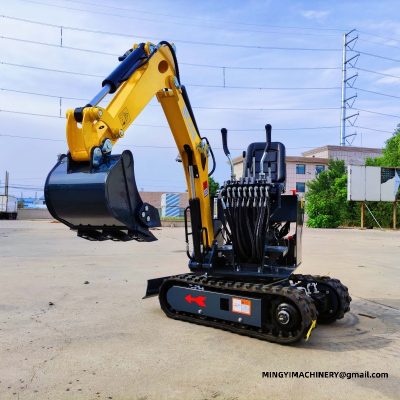
Australian buyers of compact plant work across an unusually wide range of conditions within one market: suburban domestic work, hard and abrasive ground, remote sites a long way from a dealer, and high ambient temperatures. A specification that suits one of those does not automatically suit the others.
MINGYI supplies mini excavators to distributors and buyers in Australia, with machines built to order.
Specifying for Australian conditions
For suburban and municipal work the one-tonne to 2.5 tonne classes on rubber tracks are the standard choice, with a swing boom for working along fences and kerbs. For harder and more abrasive ground, steel tracks with rubber blocks extend track life and are commonly specified.
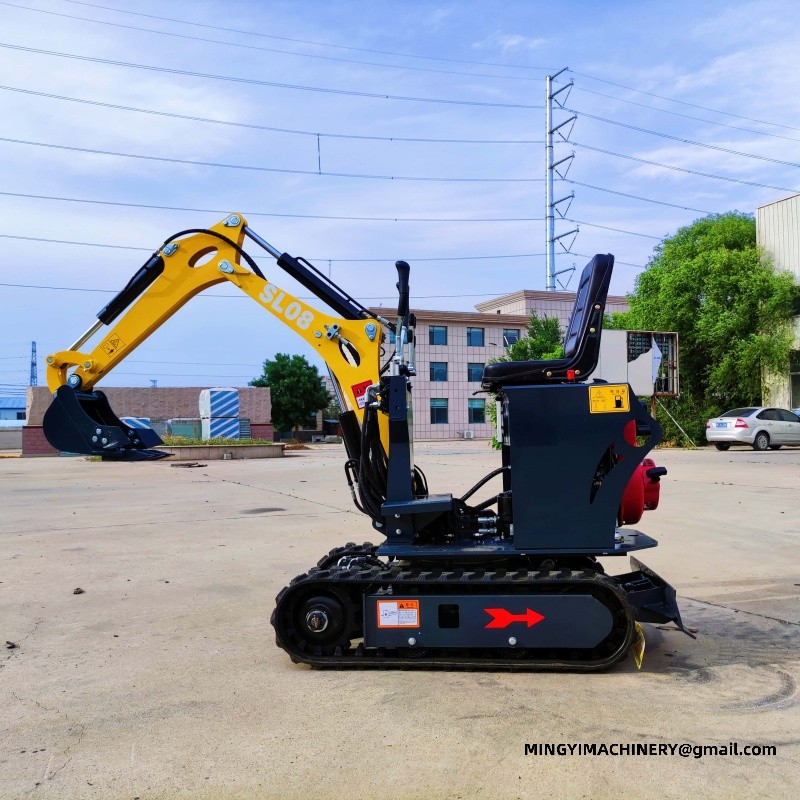
Where machines work remotely, the engine family matters more than anywhere else: the ability to obtain filters, hoses and wear parts locally determines how long a machine stays down. Distributors setting up a product line usually standardise on one engine family across a range and hold the matching parts.
Supporting a distribution business
A distributor needs a product range rather than a single model, plus wear parts, attachments and technical information that continue after the sale. Because machines are supplied against a recorded build specification, replacements match the units sold.
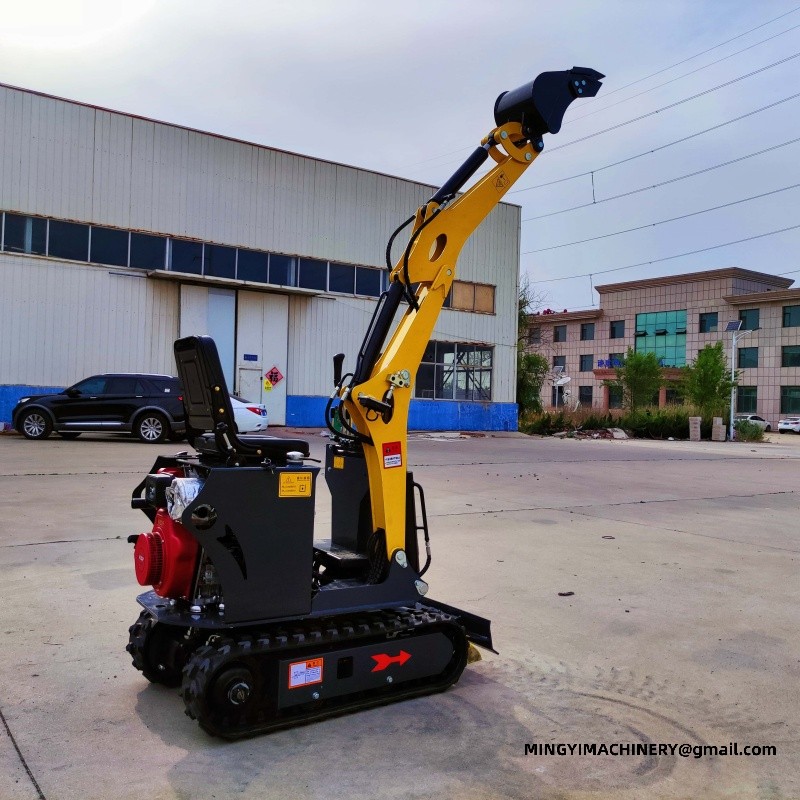
Distributor supply
• Range of classes from domestic to groundwork
• Rubber and steel track options for local ground
• Engine family selection for remote-area parts support
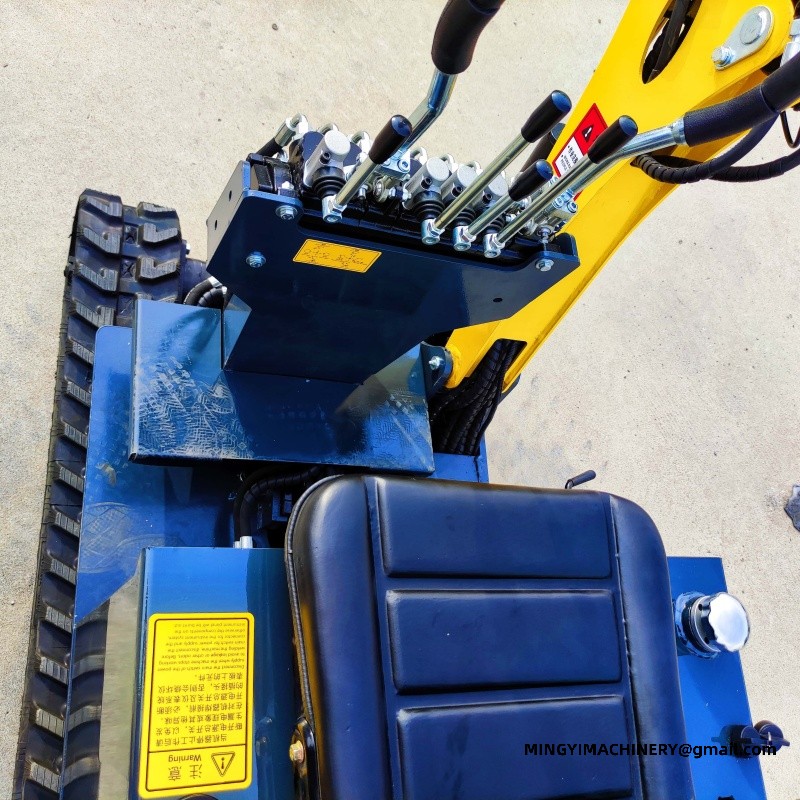
• OEM branding options for the local market
• Wear parts, attachments and technical information
Tell us the states and ground conditions you cover and the range you want and we will propose a distributor programme.
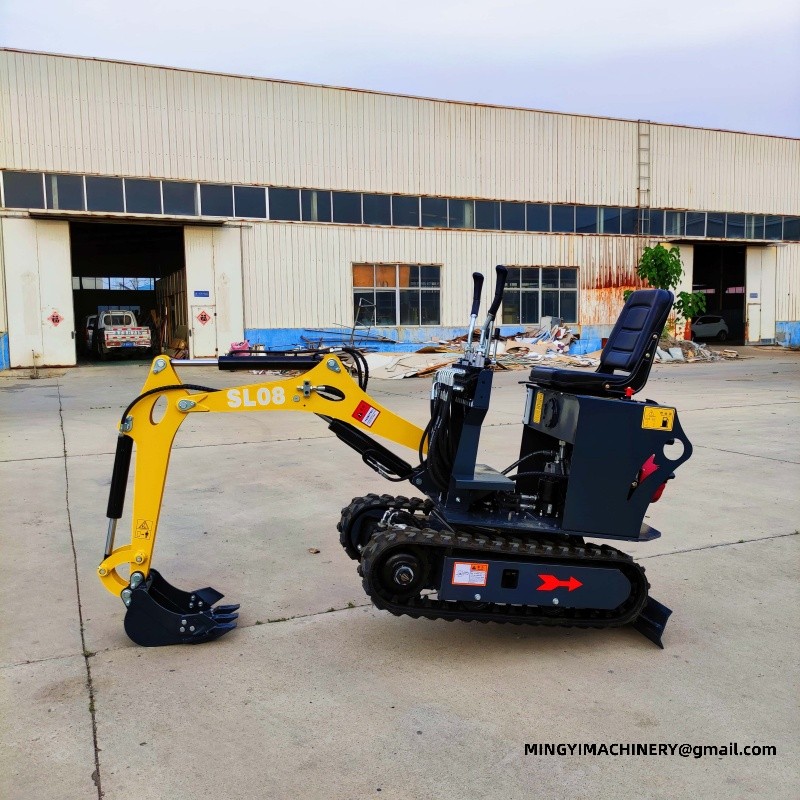
Acceptance checks when a mini excavator Australia distributor arrives A function check before the machine goes to work is worth the hour. Running through the controls, the travel and the attachment circuit on this class of machine confirms it is set up as specified and ready for the site. Documentation should arrive with the machine. Parts list, service schedule and any certificates for the unit in daily use are what the workshop needs later, and they are much easier to obtain at delivery than in month six. Engine options behind mini excavator Australia distributor Power unit selection is settled against the service network the buyer already uses. MINGYI offers Kubota D722, Kubota D902, YANMAR, Changchai, Laidong, Runtong, YARMAX, Youpu 2V80 and Youpu 195, so a fleet running one brand of engine can keep the same filters, the same parts supplier and the same mechanic. Engine choice is also an emissions and documentation question for some markets. Listing the available units with a machine of this size enquiry lets the factory confirm what can be supplied and documented for the destination country. Landscaping and ground care with mini excavator Australia distributor Landscape contractors use the equipment on site for planting holes, pond excavation, grading and retaining work. The machine is light enough to cross finished lawn and narrow enough to work between established trees. Grass cutting heads, rakes and tillers extend the machine itself into ground care. The same carrier that digs a border in spring can cut and clear the same area later in the season. Hydraulic circuits on a mini excavator Australia distributor Auxiliary hydraulic lines are what let a machine drive a tool rather than only a bucket. The model in question specified with the right circuits and flow runs a breaker or an auger without an add-on power pack bolted to the frame. Hydraulic specification is easier to settle at build time than to correct later. The machine in that duty delivered without auxiliary lines can still dig, but every additional tool becomes a retrofit project. Road and paving work for mini excavator Australia distributor Road repair generates short, interrupted jobs - a patch, a drainage connection, a kerb line. The unit on the job is economical here because it travels on a small trailer and starts working minutes after arriving. Patching and reinstatement favour a machine that can work in a lane closure. A machine built for the work occupies less road than a full-size excavator, which reduces the traffic management needed and the length of the closure. What owners should plan for beyond the equipment in service The useful comparison is demand per working hour, not demand per machine. This class of machine that works more hours a year spreads its standing takes over more output, which is why utilisation usually matters more than the invoice figure. Downtime is the hidden line item. The unit in daily use waiting on a part earns nothing while it stands, so parts availability and service access belong in the plan as much as fuel does. Trenching work with a machine of this size Service trenches are the most common reason the equipment on site is hired. Water, sewage, cable and gas runs are narrow, shallow and often close to existing services, which is exactly the work a full-size machine cannot do safely. Depth control matters more on service work than speed. The machine itself working beside live services is chosen because it can be placed precisely and stopped instantly, which is what the job actually requires. Attachments that turn the model in question into several machines The base machine is a carrier; the tool on the end of the arm decides the task. The machine in that duty fitted with a toothed bucket digs, and the same machine with a breaker, an auger or a grab does work that would otherwise need a second unit on site. Attachment lists are best written before delivery. Specifying the unit on the job with the tools the job list needs avoids the work and delay of adding hydraulics later, and a quick coupler makes the swap a few minutes instead of a workshop job. Getting a machine built for the work through a narrow gap The first question on most job lists is whether the machine can reach the work at all. The equipment in service is chosen against the narrowest point on the route - a garden gate, a doorway, a gap between two walls - because a machine that arrives and then cannot pass loses a day, not an hour. Contractors who buy this class of machine normally have one job in mind that nothing else reaches. The purchase order follows the access measurement, not the other way round, and the build sheet is then settled around it. Orchard, vineyard and farm use of the unit in daily use Orchard and vineyard work is carried out between rows. A machine of this size with a narrow chassis and a swing boom works down the row without damaging the trees, which is the reason a full-size machine is not used at all. Farms also use the equipment on site for general maintenance - clearing a watercourse, repairing a track, loading a spreader. One carrier with a few attachments covers most of the jobs that would otherwise wait for a contractor. Operator technique for the machine itself The second habit is tool discipline. Running the model in question with the right bucket width for the trench means less spoil, less reinstatement and a cleaner job than a wide bucket and a lot of trimming. Stability is the third. The machine in that duty working across the tracks rather than over the corners keeps the machine steady and the undercarriage loaded evenly, which shows up as track life at the end of the season. Quick coupler practice on the unit on the job A quick coupler is the single option that changes how a machine is used day to day. Fitted to a machine built for the work, it turns an attachment change from a two-person workshop job into a task the operator does alone in minutes. Couplers are specified early because they affect the arm and the hydraulic kit. Adding one to the equipment in service after delivery means new pins, new hoses and a fitment session; adding it at build time is a line on the sheet. Specification data for this class of machine Where the unit in daily use is being specified for a job list, the table below gives the factory figures that matter most: what the machine weighs, how deep and how far it works, and what it measures on a trailer. Figures are factory figures and are confirmed on the build sheet for a machine of this size. Where a job sits between two models, the larger machine usually takes less time than the smaller one spends on rework. Distributors and rental fleets usually need the machine to look like theirs. Paint, decals, seat colour and attachment branding can be specified on the equipment on site at build time rather than applied after import. Documentation can be prepared to suit the importer. Manuals, parts books and decal sets for the machine itself can be supplied with the buyer's own branding where the order size justifies it.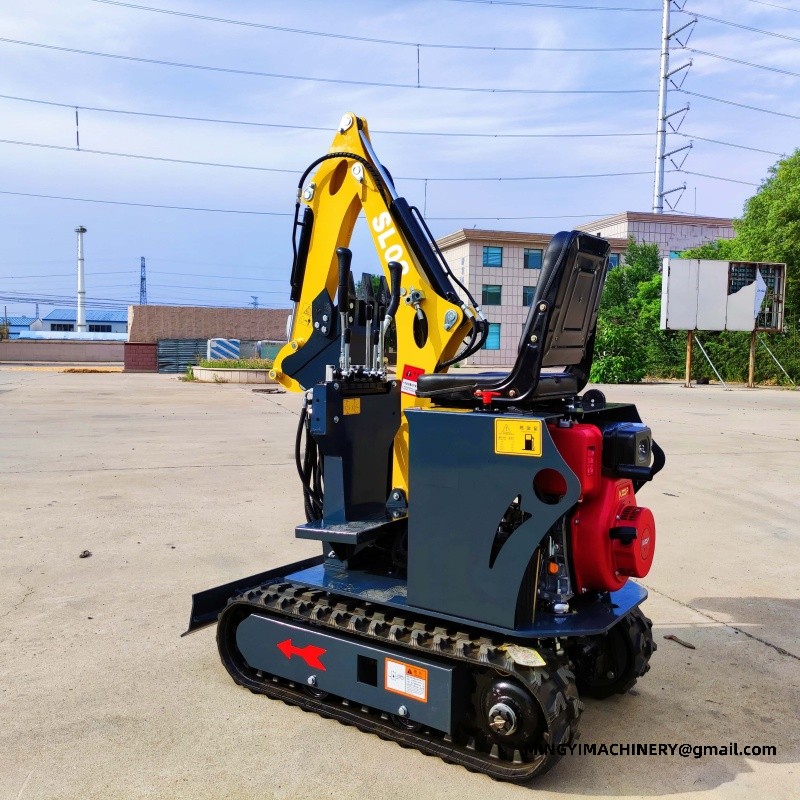
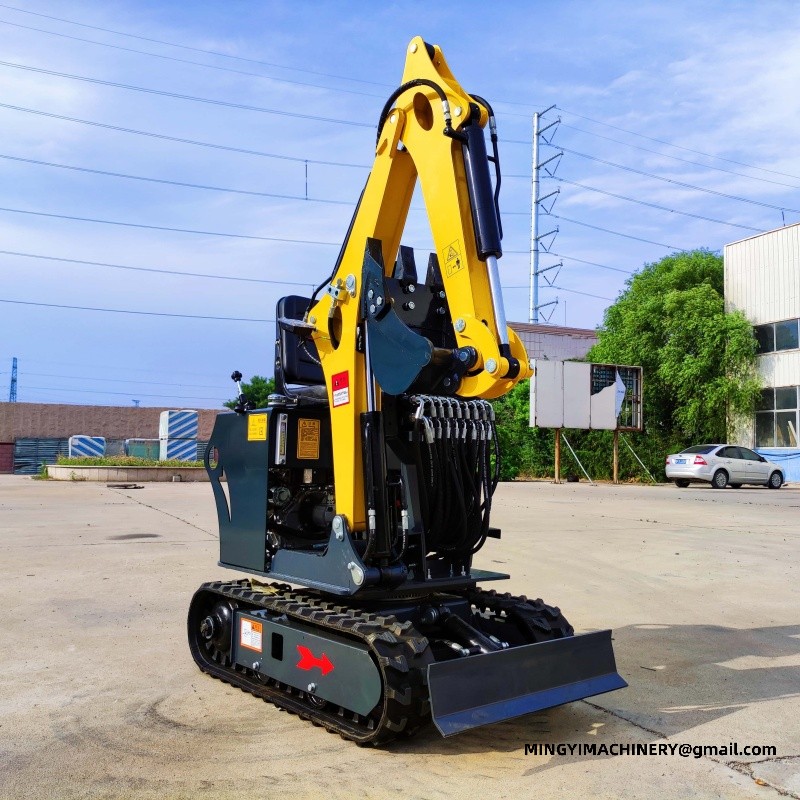
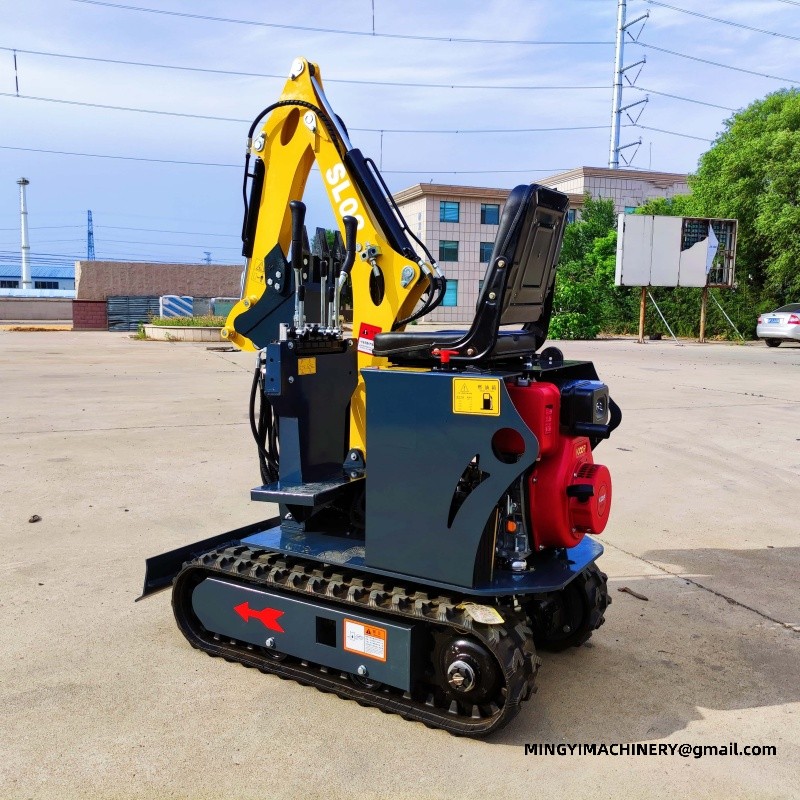
Reference specification — mini excavator range 12W 15W 30-2W 20-2L Operating weight 1200 kg (2645.55 lb) 1400 kg (3086.47 lb) 2700 kg (5952.48 lb) 1900 kg (4188.78 lb) Transport size (L×W×H) 2200 × 930 × 2250 mm 2200 × 930 × 2250 mm 3000 × 1100 × 2700 mm 2600 × 1300 × 2344 mm Max digging depth 1630 mm (64.17 in) 1630 mm (64.17 in) 2200 mm (86.61 in) 2100 mm (82.68 in) Max digging height 2750 mm (108.27 in) 2750 mm (108.27 in) 3000 mm (118.11 in) 2880 mm (113.39 in) Max dumping height 1960 mm (77.17 in) 1960 mm (77.17 in) 2000 mm (78.74 in) 2100 mm (82.68 in) Max digging radius 2900 mm (114.17 in) 2900 mm (114.17 in) 3800 mm (149.61 in) 3215 mm (126.57 in) Max digging distance 2100 mm (82.68 in) 2100 mm (82.68 in) 3050 mm (120.08 in) 2460 mm (96.85 in) Minimum turning radius 1300 mm (51.18 in) 1300 mm (51.18 in) 1750 mm (68.9 in) 1587 mm (62.48 in) Travel speed 3 km/h (1.86 mph) 3 km/h (1.86 mph) 7 km/h (4.35 mph) 5 km/h (3.11 mph) Gradeability 30° 30° 30° 30° Fuel consumption 1-1.3 L/h (0.264—0.343 gal) 1-1.3 L/h (0.264—0.343 gal) 2-3 L/h (0.528—0.793 gal) 2-3 L/h (0.528—0.793 gal) Fuel tank capacity 10 L (2.64 gal) 10 L (2.64 gal) 16 L (4.23 gal) 16 L (4.23 gal) Hydraulic oil tank 16 L (4.23 gal) 16 L (4.23 gal) 20 L (5.28 gal) 18 L (4.76 gal) Dozer blade lift height 180 mm (7.09 in) 180 mm (7.09 in) 230 mm (9.06 in) 180 mm (7.09 in) Dozer blade drop depth 210 mm (8.27 in) 210 mm (8.27 in) 280 mm (11.02 in) 210 mm (8.27 in)
Q. Are you a mini excavator distributor for Australia?
A. MINGYI supplies compact crawler excavators and spare parts to Australian buyers direct from its China factory. We work both with end users and with dealers who want to carry the 08, 12 and 18 models as a range rather than as single units.
Q. Can you supply a dealer range rather than one machine?
A. Yes. Dealers order mixed containers so several sizes arrive together, which is how a compact excavator range is normally built up. MINGYI can apply your colour and decals, and specification the whole container at factory specification.
Q. What about parts support for a dealer?
A. Parts are shipped with the machine order or separately, and can be consolidated so that a container carries both machines and the consumables a dealer needs for the first service intervals. Common engine families make local sourcing easier between shipments.
Packing, loading and shipment of the model in question
Container loading is a planning exercise. The overall dimensions and the operating weight of the machine in that duty decide whether it ships whole, partly disassembled or with the attachment removed, and that decision is made before the booking.
Handover and getting familiar with the unit on the job
Familiarisation is not the same as reading the manual. Sitting on a machine built for the work, working through the controls at low speed and learning where the machine balances takes an hour, and that hour is what keeps the first week uneventful.
E-mail : sales@mingycn.com
LINE ( ID ): mingyicn
Related pages
mini excavator Middle East · mini excavator Africa supplier · zero tail swing excavator · PRODUCTS









