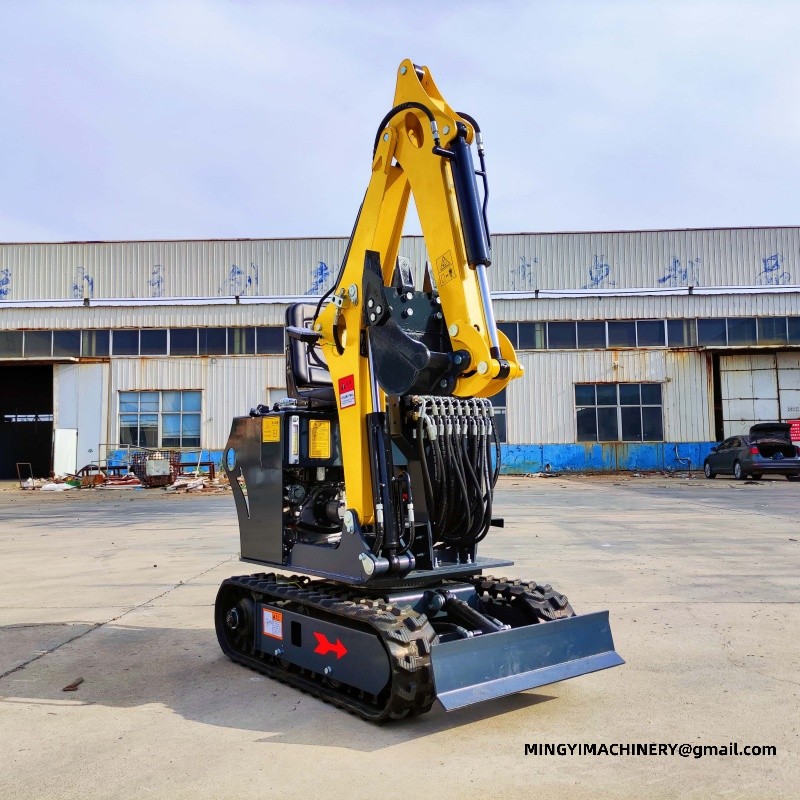
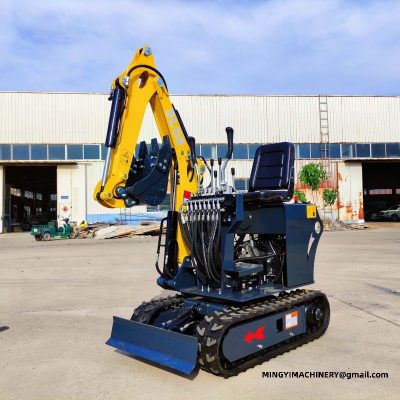
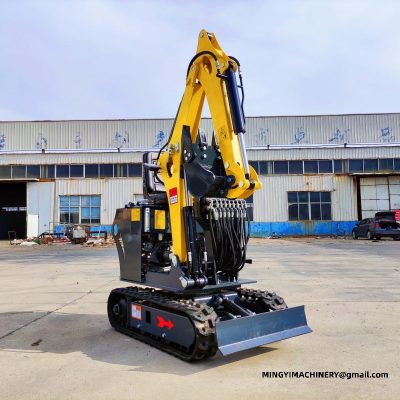
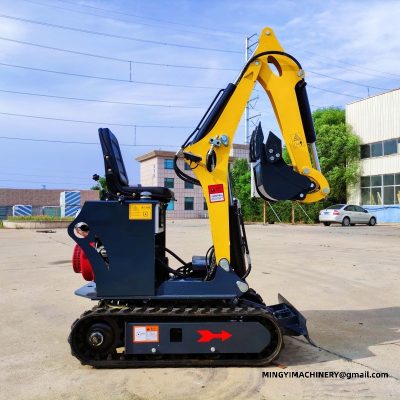
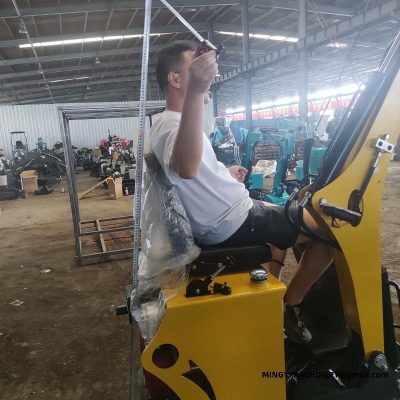
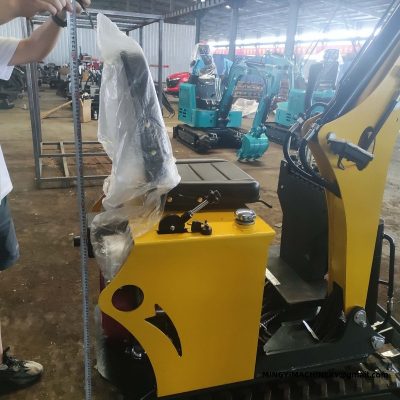
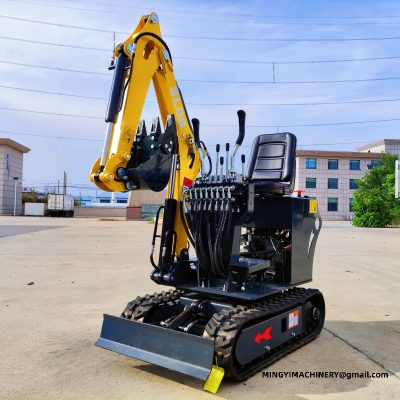
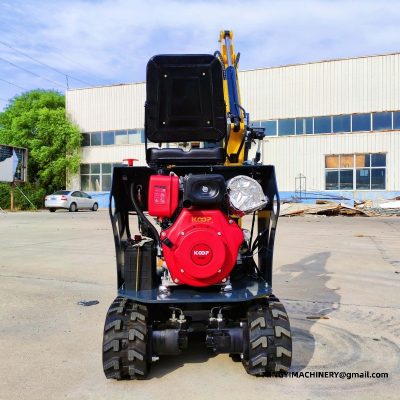
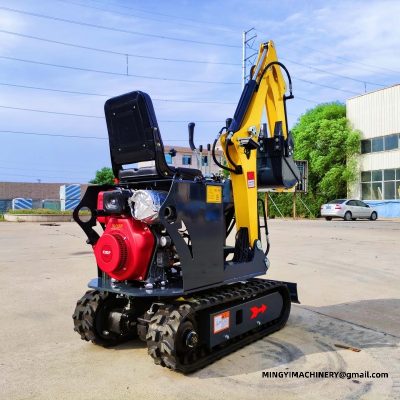
Plant ownership in African markets places a premium on machines that can be kept working with locally obtainable parts. Access is often restricted, ground conditions vary widely, and a machine standing idle waiting for a component takes far more than the component.
MINGYI supplies mini excavators to buyers, contractors and distributors across Africa, built to order and supported against the recorded machine specification.
Specifying for the working conditions
Machine class is set by the work and the access. The one-tonne to 2.5 tonne classes cover most utility, building, agricultural and municipal work, and they remain transportable on a small trailer between sites. Where the machine works on harder ground, steel tracks with rubber blocks extend track life; rubber tracks suit paved and landscaped surfaces.
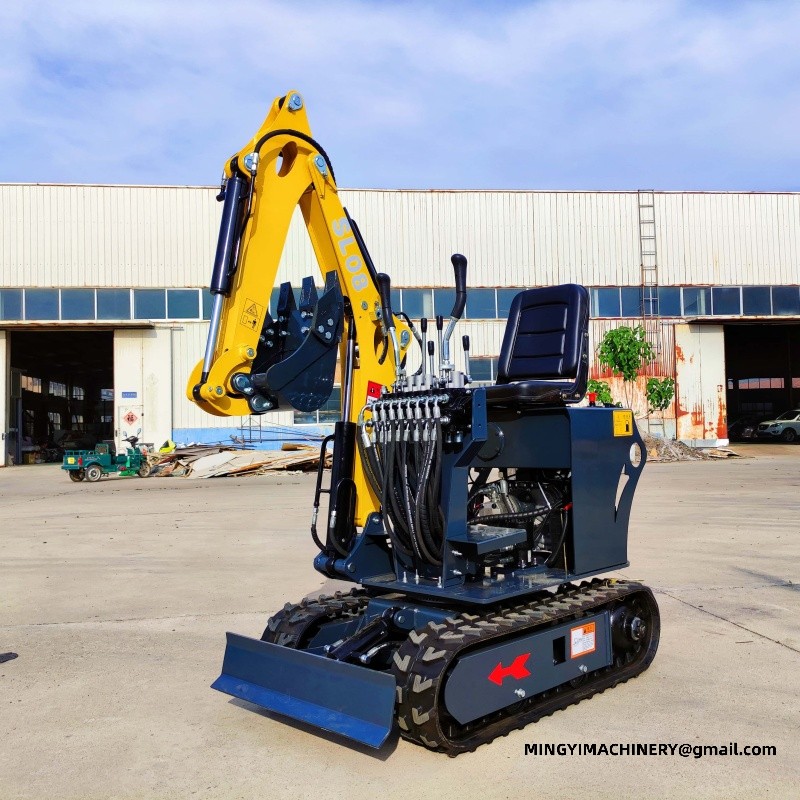
The engine family is the most important single decision. Choosing a power unit with a parts and service network the buyer can reach locally keeps the machine working, and holding the common consumables — teeth, edges, hoses and filters — prevents most stoppages from becoming extended downtime.
Utility of one machine across several jobs
Where a single machine has to cover many tasks, the quick-change attachment interface matters. Buckets, breaker hammers, augers and rakes on one mount let the same excavator dig, break, drill and clear, which is generally more valuable than extra capacity on any single task.
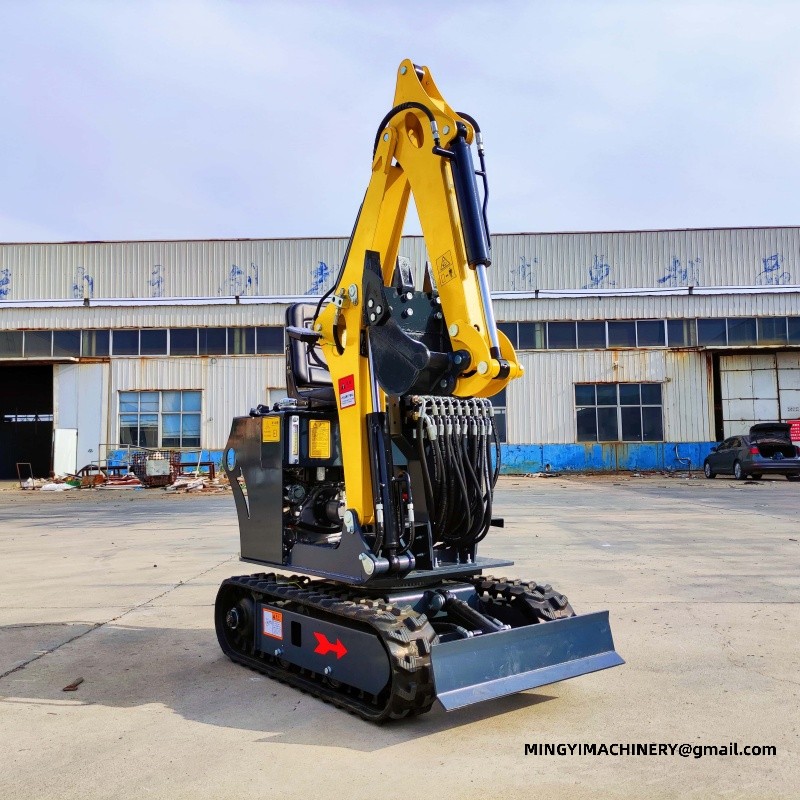
Support for African markets
• Compact classes for utility, building and agricultural work
• Rubber or steel track options for local ground
• Engine family selected for local parts availability
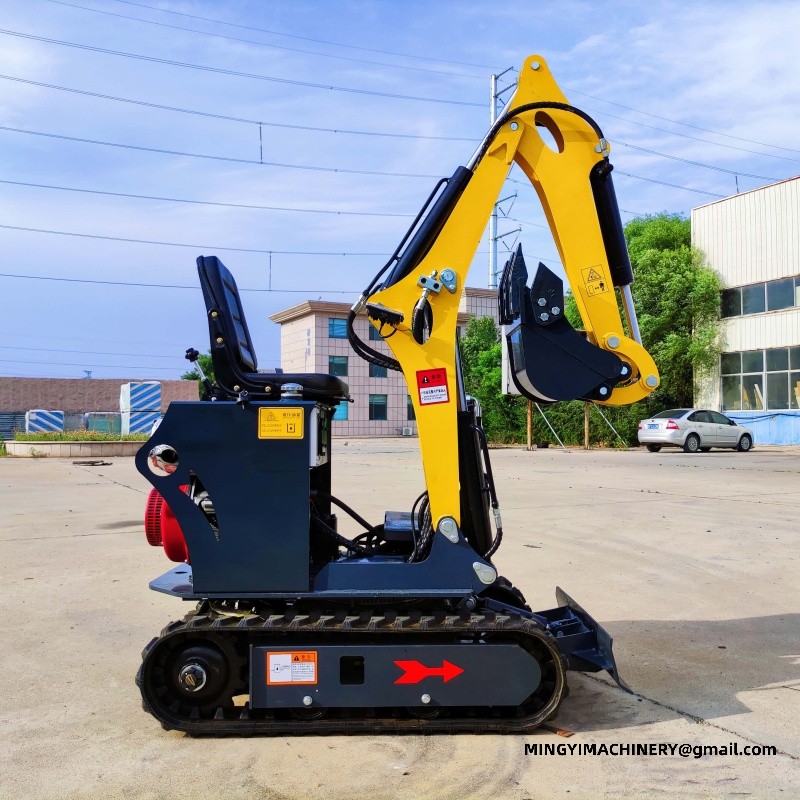
• Shared attachment interface across the range
• Direct parts and technical support
Tell us the country, the work and the engine family you can get parts for and we will specification a specification.
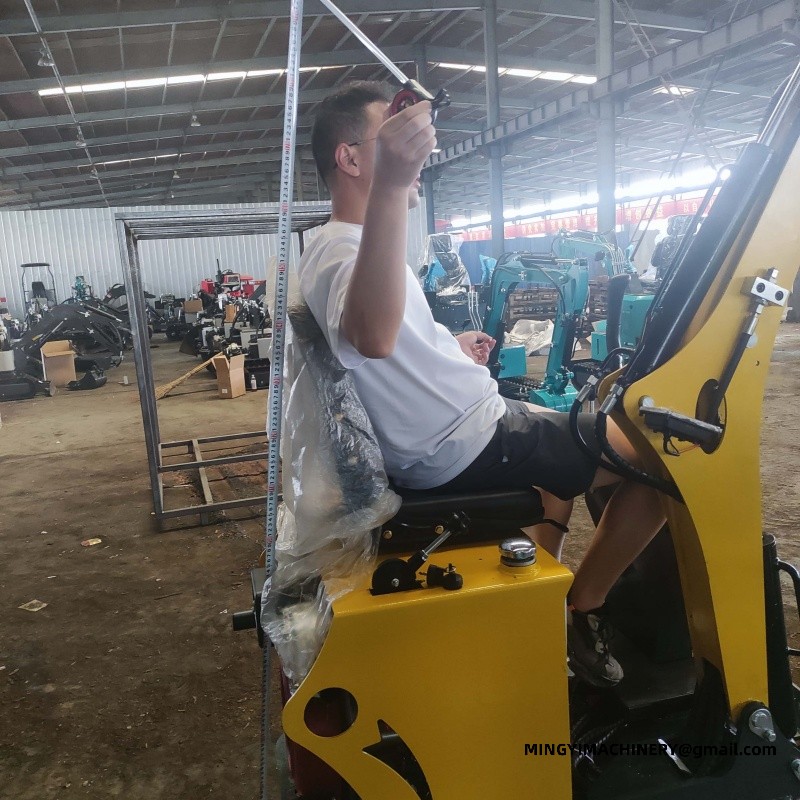
Working near live services with mini excavator Africa supplier Digging near water, gas and cable is a precision job. This class of machine is used here because the operator can work in short controlled cuts and because the machine can be positioned without driving over the run being exposed. The risk on utility work is not machine power but machine placement. The unit in daily use that fits the working width leaves the surrounding ground undisturbed, which keeps the trench stable and the reinstatement small. Interior and light demolition with mini excavator Africa supplier Interior demolition is an access and a weight question. A machine of this size that fits through a doorway and works on a suspended floor does jobs that would otherwise be done by hand or by a larger machine that cannot enter. Dust, debris clearance and floor loading all argue for a compact machine indoors. The equipment on site spreads its weight over a wider track footprint than a wheeled machine of similar capacity. Orchard, vineyard and farm use of mini excavator Africa supplier Ditching, fertilising and drainage on farmland suit the machine itself because the work is spread over a large area in short bursts. The machine travels behind a pickup and works where it stops. Farms also use the model in question for general maintenance - clearing a watercourse, repairing a track, loading a spreader. One carrier with a few attachments covers most of the jobs that would otherwise wait for a contractor. Trenching work with mini excavator Africa supplier Trench quality depends on the bucket width and the operator, not on machine size. The machine in that duty with a narrow bucket and a swing boom cuts a clean run along a boundary without disturbing the ground either side of it. Depth control matters more on service work than speed. The unit on the job working beside live services is chosen because it can be placed precisely and stopped instantly, which is what the job actually requires. Track choice for mini excavator Africa supplier Rubber tracks suit paved and landscaped ground because they spread the machine weight and leave the surface intact. Steel tracks with rubber blocks are specified where the ground is rougher or the working day is longer, and the choice can be made per machine rather than accepted as a factory default. Track type changes what the machine can cross and what it leaves behind. Buyers specify rubber for lawns, driveways and municipal work, and steel with rubber blocks for sites where sharp material would cut a rubber belt in a week. Trailering and moving a machine built for the work Transport weight and width decide whether a machine needs a specialist haulier. The equipment in service sized to travel on a standard plant trailer behind a suitable vehicle moves with the crew rather than on a scheduled low loader. Loading practice matters as much as the numbers. This class of machine is driven up ramps under its own power with the boom lowered and the tracks aligned, and secured at the points the manufacturer specifies. Lifting and material handling with the unit in daily use Lifting with a machine built to dig needs a plan. The load, the radius and the ground under the equipment on site all matter, and the safe figure is the one on the chart rather than the one that looks possible. Ground condition under the machine is part of every lift. Soft or uneven support is the common factor in handling incidents, and checking it takes less time than recovering a machine of this size that has settled. Canopy or enclosed cab on the machine itself The cab decision follows the climate and the hours. Operators working a full shift in the model in question benefit from a sealed cab with wipers and heating; operators stepping on and off every few minutes usually prefer the canopy for the visibility and the quick exit. Enclosure also changes noise and dust exposure. A sealed cab on the machine in that duty keeps dust out on dry sites and lets the machine work through weather that would otherwise stop a canopy machine for the day. Attachments that turn the unit on the job into several machines Attachment lists are best written before delivery. Specifying a machine built for the work with the tools the job list needs avoids the work and delay of adding hydraulics later, and a quick coupler makes the swap a few minutes instead of a workshop job. Most of the daily variety on the equipment in service comes from the attachment rack rather than from the machine itself. Bucket, breaker, auger, ripper, rake and grab cover the large majority of the work a contractor will see. Parts, service and support for this class of machine Engine parts availability usually drives the engine choice. The unit in daily use built with an engine the local network already carries is serviced from stock rather than from an international order. Remote support is handled by video. A machine of this size fault can often be diagnosed on a walk-around call with the panel open, which is faster than waiting for a visit and avoids shipping a part that is not needed. Hiring versus owning the equipment on site The choice follows the hours. Work that fills a few weeks a year is usually better hired, while the machine itself that would be on site most weeks starts to justify ownership once the transport and booking time is counted. Availability is part of the decision. Owning the model in question means it is there on the day the ground is ready; hiring means competing for the same machine at the same time as everyone else in the season. Specifying the machine in that duty against a job list Buyers who skip this step either over-buy or under-buy. The unit on the job specified only from machine size tends to arrive without the coupler, the circuits or the track type the work actually needs. Useful information to send with an enquiry includes working width, required digging depth, ground conditions and the attachment set. Those four items let the factory specify a machine built for the work that fits rather than a generic build. Specification data for the equipment in service Buyers comparing this class of machine usually start from four numbers - weight, digging depth, reach and transport width - because those are the ones that decide whether the machine can be delivered and whether it can do the job once it is there. Figures are factory figures and are confirmed on the build sheet for the unit in daily use. Where a job sits between two models, the larger machine usually takes less time than the smaller one spends on rework. Customisation also covers the specification sheet. A fleet buyer may want every equipment on site delivered with the same coupler, the same engine and the same tool kit so training and parts stock stay simple. Documentation can be prepared to suit the importer. Manuals, parts books and decal sets for a machine of this size can be supplied with the buyer's own branding where the order size justifies it.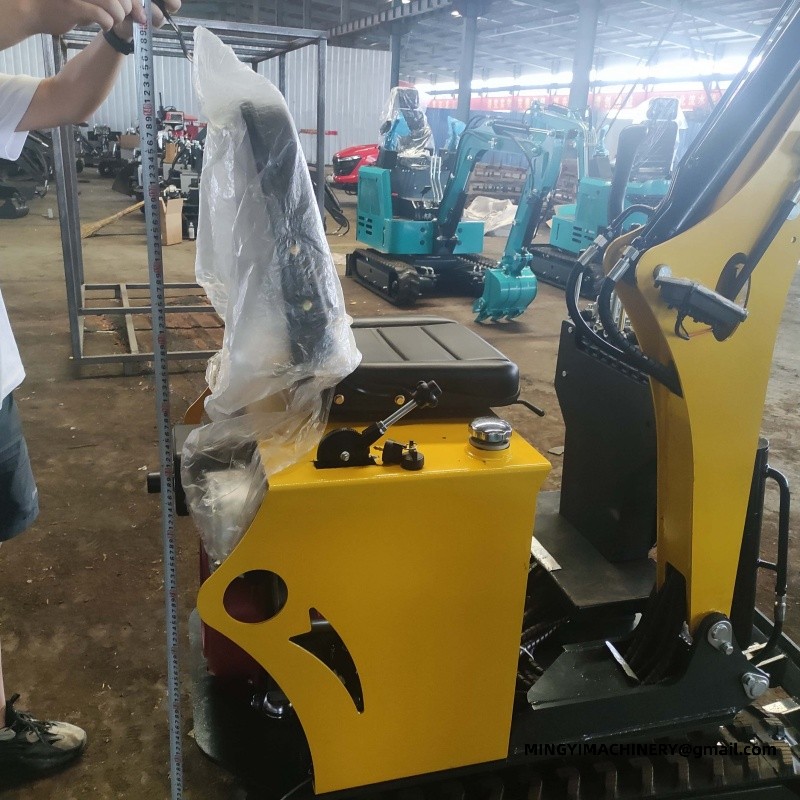
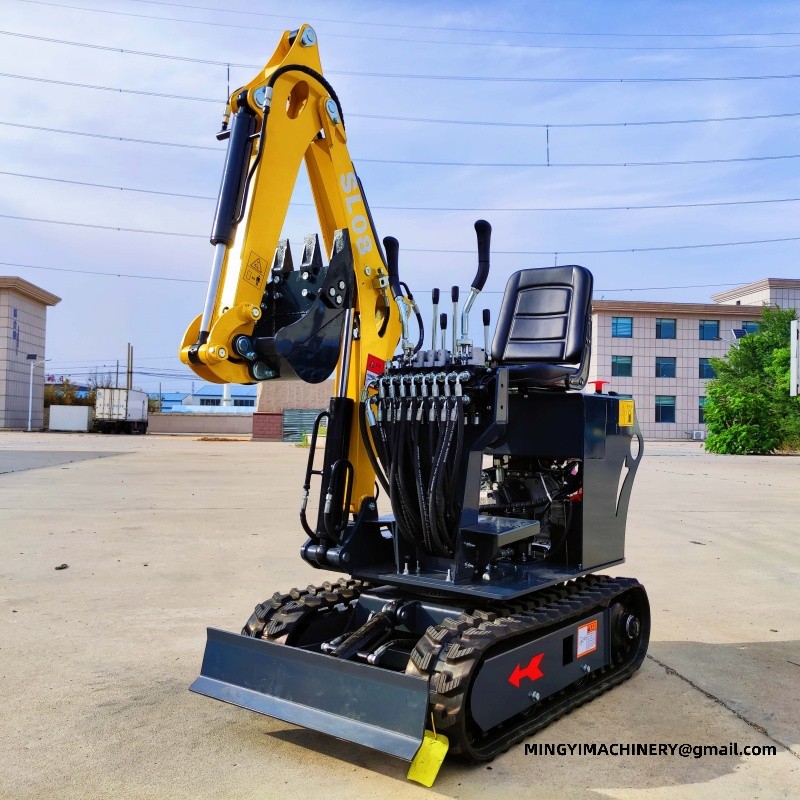
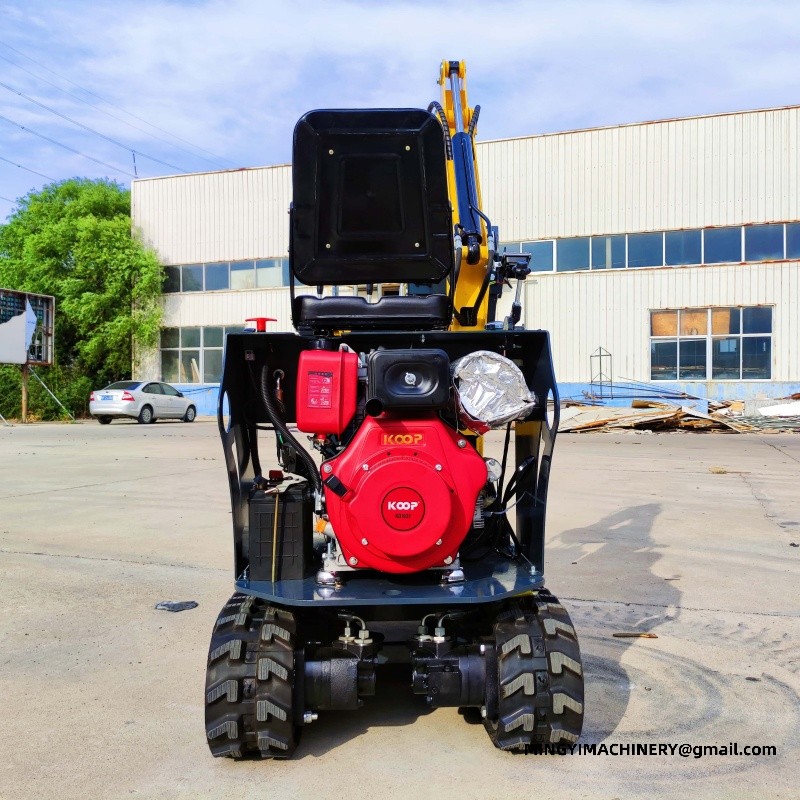
Reference specification — mini excavator range 12W 20-1WL 09L 15L Operating weight 1200 kg (2645.55 lb) 1900 kg (4188.78 lb) 1100 kg (2425.08 lb) 1400 kg (3086.47 lb) Transport size (L×W×H) 2200 × 930 × 2250 mm 2550 × 1100 × 2200 mm 2300 × 720 × 1870 mm 2200 × 930 × 2250 mm Max digging depth 1630 mm (64.17 in) 1800 mm (70.87 in) 1400 mm (55.12 in) 1700 mm (66.93 in) Max digging height 2750 mm (108.27 in) 2820 mm (111.02 in) 2800 mm (110.24 in) 2750 mm (108.27 in) Max dumping height 1960 mm (77.17 in) 2050 mm (80.71 in) 1880 mm (74.02 in) 1960 mm (77.17 in) Max digging radius 2900 mm (114.17 in) 3050 mm (120.08 in) 2490 mm (98.03 in) 2900 mm (114.17 in) Max digging distance 2100 mm (82.68 in) 2300 mm (90.55 in) 2000 mm (78.74 in) 2300 mm (90.55 in) Minimum turning radius 1300 mm (51.18 in) 1450 mm (57.09 in) 1400 mm (55.12 in) 1450 mm (57.09 in) Travel speed 3 km/h (1.86 mph) 5 km/h (3.11 mph) 3 km/h (1.86 mph) 3 km/h (1.86 mph) Gradeability 30° 30° 30° 30° Fuel consumption 1-1.3 L/h (0.264—0.343 gal) 2-3 L/h (0.528—0.793 gal) 1-1.3 L/h (0.264—0.343 gal) 1-1.3 L/h (0.264—0.343 gal) Fuel tank capacity 10 L (2.64 gal) 16 L (4.23 gal) 8 L (2.11 gal) 10 L (2.64 gal) Hydraulic oil tank 16 L (4.23 gal) 18 L (4.76 gal) 16 L (4.23 gal) 16 L (4.23 gal) Dozer blade lift height 180 mm (7.09 in) 180 mm (7.09 in) 180 mm (7.09 in) 180 mm (7.09 in) Dozer blade drop depth 210 mm (8.27 in) 210 mm (8.27 in) 210 mm (8.27 in) 210 mm (8.27 in)
Q. Are you a mini excavator supplier for Africa?
A. Yes. MINGYI supplies compact crawler excavators to African buyers direct from its own factory in China, across the 0.8 to 6 tonne class, with the 08, 12 and 18 models as the core range. Machines are built to order against the buyer's working conditions.
Q. Can you supply dealers instead of end users?
A. Yes. Dealers and rental fleets usually order mixed containers so that several sizes arrive together. MINGYI can build machines to your specification including colour and decals, load the container in the order you want, and specification the whole order at factory specification.
Q. What support does an African buyer get?
A. Specification advice before the order, container loading and export documentation, and spare parts supply afterward. Tell us the ground conditions, the fuel available and the work the machine will do, and we will propose the model, engine family and attachments.
Handover and getting familiar with the machine itself
Operators who come from a different machine need a short conversion. The controls on the model in question follow the usual pattern, but the response, the sightlines and the stopping distance are learned by doing rather than by reading.
Documents that travel with the machine in that duty
The machine is only half of what arrives. The parts book, the service schedule and the declarations that come with the unit on the job are what let the owner register, insure and maintain it without a second round of emails.
E-mail : sales@mingycn.com
LINE ( ID ): mingyicn
Related pages
practical mini excavator · mini excavator for everyday site work · steel track mini excavator · PRODUCTS









