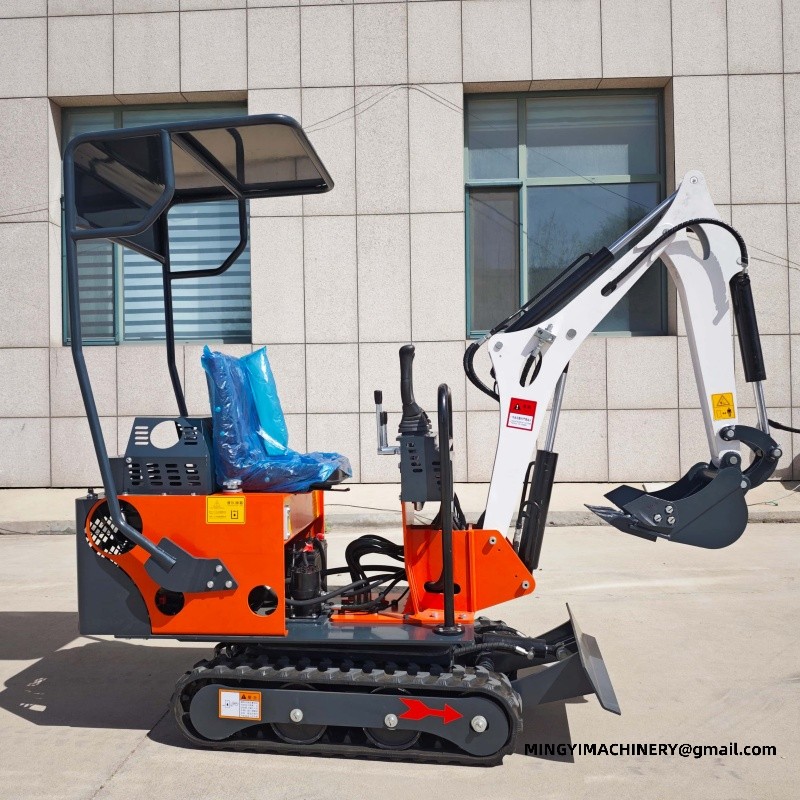
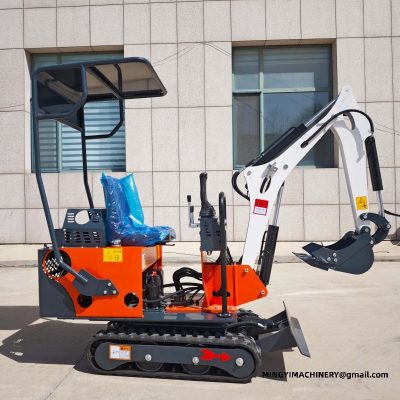
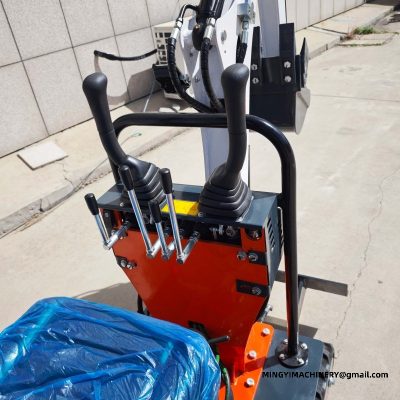
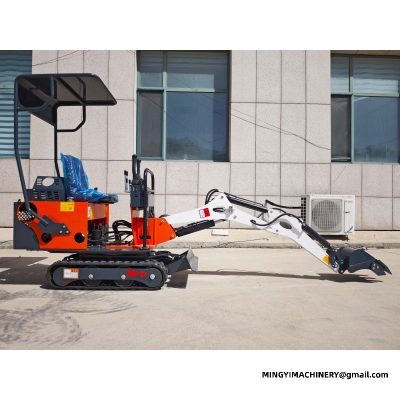
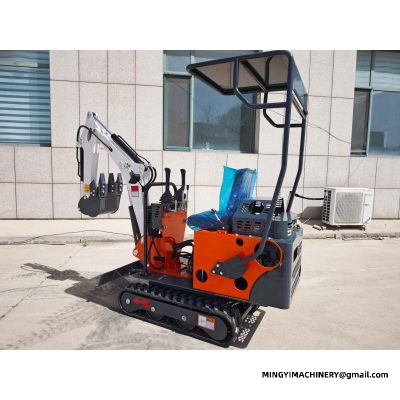
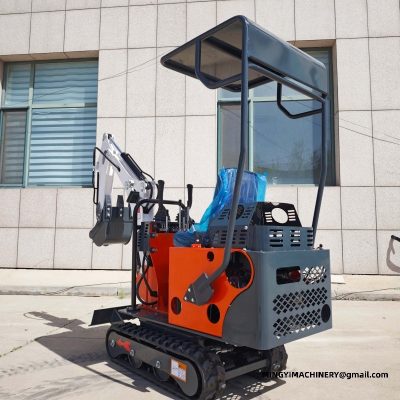
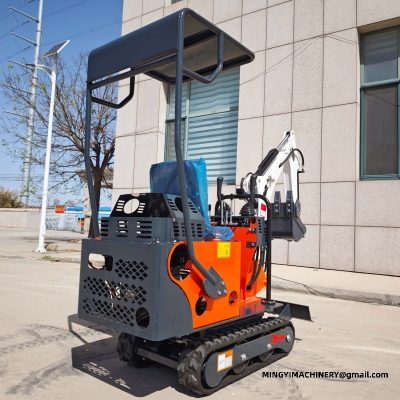
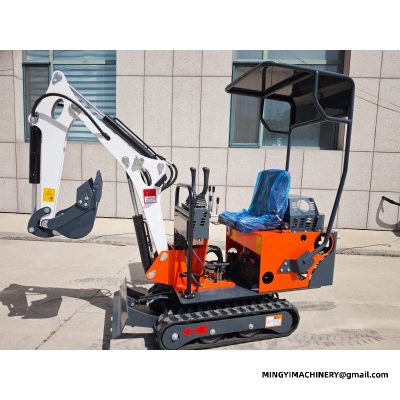
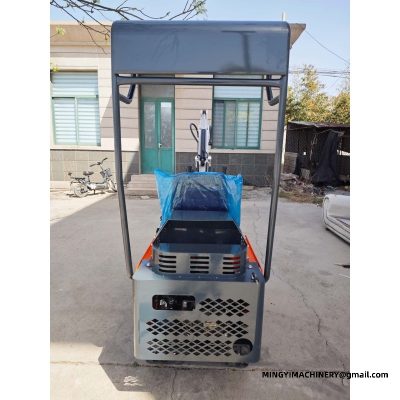
Practical does not mean small and limited. For most buyers it means a machine whose purchase effort can be justified by the work it will do, and whose running effort does not become a burden once it is on site.
MINGYI mini excavators are built in a range of classes so that buyers can match the machine to the work rather than buying more capacity than they need.
Matching effort to the work
The largest avoidable effort in buying a compact excavator is buying too much machine. A contractor whose work is garden trenching and small foundations rarely needs the largest class available, and the smaller machine is simpler to buy, transport, fuel and maintain.
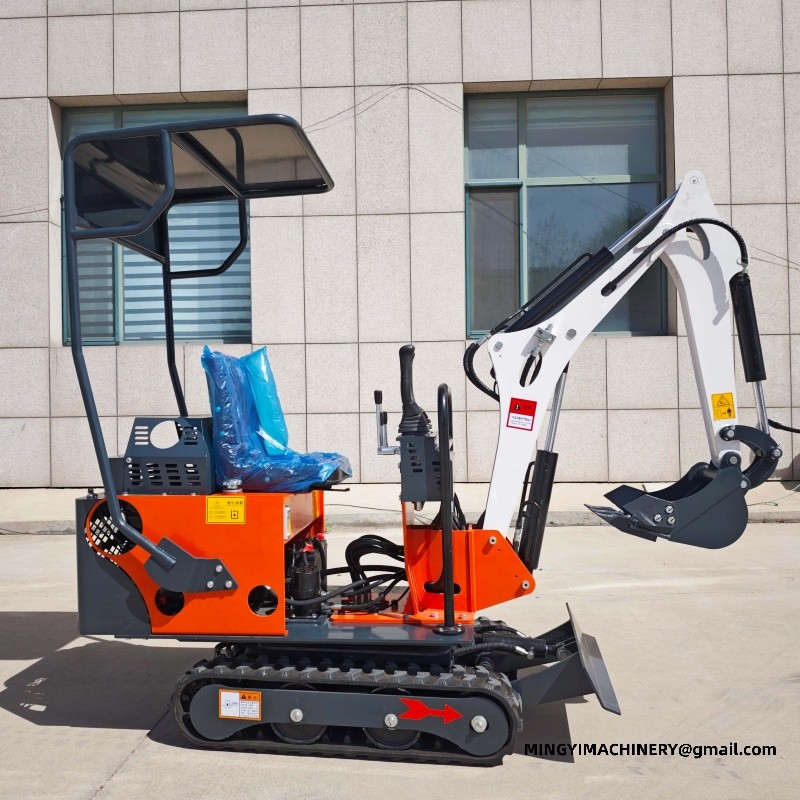
Equally, buying too small is lengthy in a different way: a machine that has to be repositioned repeatedly along a trench, or that cannot run the breaker the work requires, takes more in lost time than the larger machine would have effort outright.
Specifying only what is needed
Attachments are the second largest avoidable effort. Buying the attachment set that matches the work, and adding others only when the work justifies them, keeps the initial investment under control without limiting the machine.
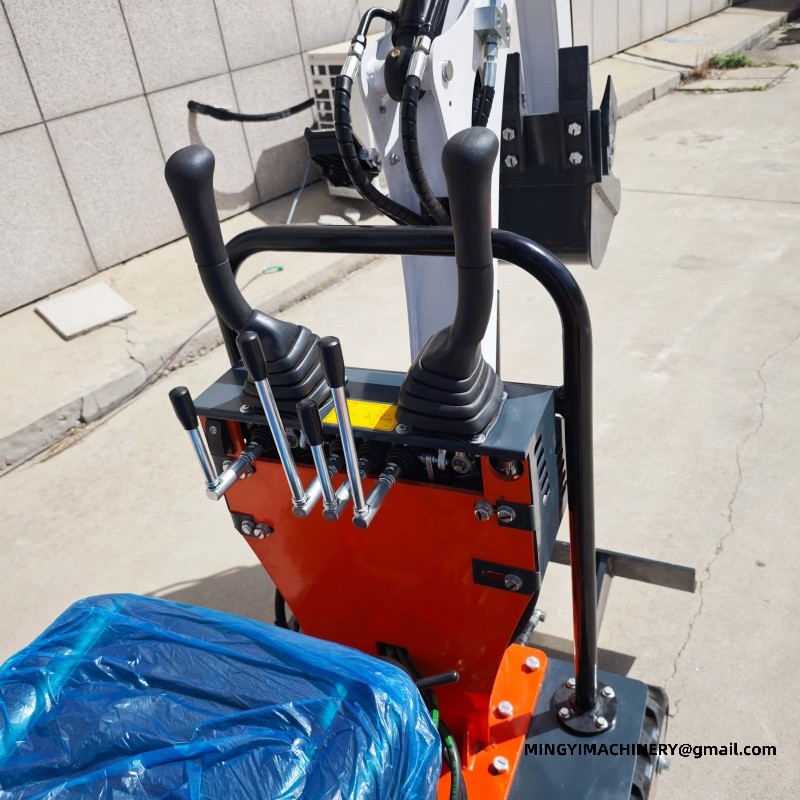
practical without compromise
• Machine class matched to the work, not to the plan alone
• Attachments purchased to match actual tasks
• Diesel engines with straightforward service requirements
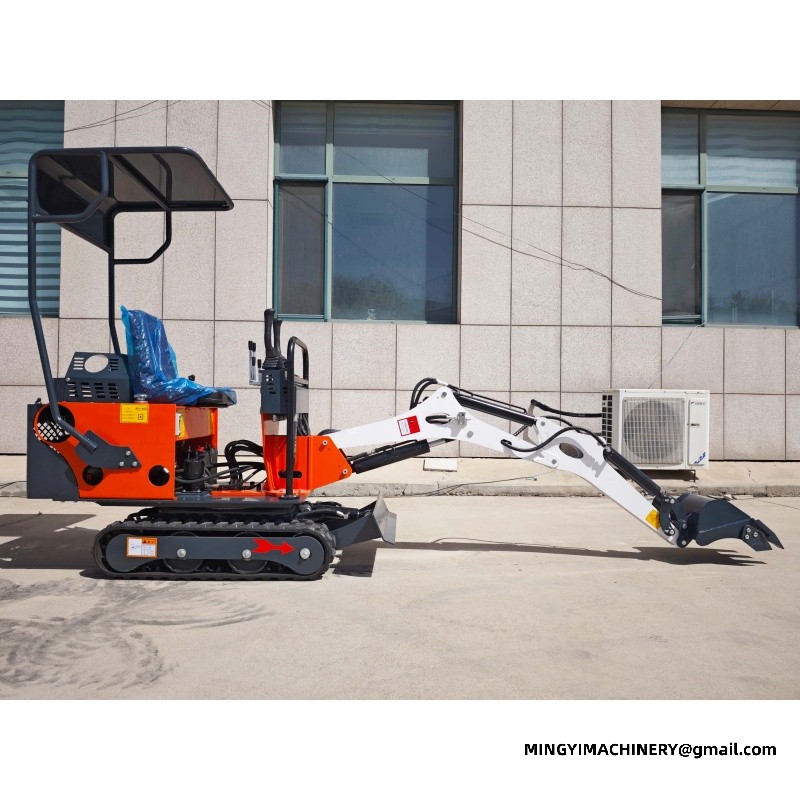
• Transport effort considered as part of the purchase
• Common attachment interface so tools carry over
Tell us the work you need to cover and the plan you are working to and we will propose the best value specification within it.
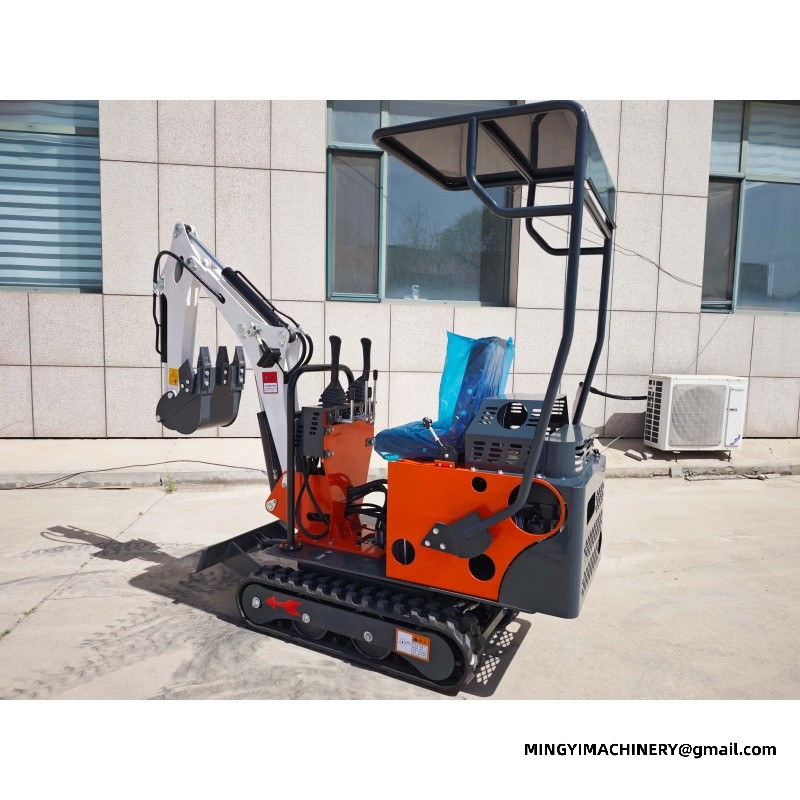
Working a practical mini excavator through the seasons Weather decides which days are productive. Rain turns some ground unusable and cold changes how this class of machine starts and warms up, so planning the wet months around maintenance is more useful than planning around output. Heat and dust are as limiting as rain. Air intake condition and cooling cleanliness decide how the unit in daily use behaves in a dry season, and both are checked in a minute rather than repaired later. Track choice for practical mini excavator Undercarriage selection is a ground question, not a preference question. A machine of this size running on finished paving needs rubber; the same machine on demolition rubble or rock wears rubber quickly, so steel with rubber blocks becomes the better answer over a full season. Track type changes what the machine can cross and what it leaves behind. Buyers specify rubber for lawns, driveways and municipal work, and steel with rubber blocks for sites where sharp material would cut a rubber belt in a week. Canopy or enclosed cab on a practical mini excavator A canopy keeps the machine light and the operator aware of the surroundings, which suits short jobs in warm weather. A fully enclosed cab is specified where rain, dust or cold are part of the working year, and it can be added to the equipment on site as a retrofit rather than only at build time. The cab decision follows the climate and the hours. Operators working a full shift in the machine itself benefit from a sealed cab with wipers and heating; operators stepping on and off every few minutes usually prefer the canopy for the visibility and the quick exit. Trenching work with practical mini excavator Service trenches are the most common reason the model in question is hired. Water, sewage, cable and gas runs are narrow, shallow and often close to existing services, which is exactly the work a full-size machine cannot do safely. Trench quality depends on the bucket width and the operator, not on machine size. The machine in that duty with a narrow bucket and a swing boom cuts a clean run along a boundary without disturbing the ground either side of it. Trailering and moving practical mini excavator Loading practice matters as much as the numbers. The unit on the job is driven up ramps under its own power with the boom lowered and the tracks aligned, and secured at the points the manufacturer specifies. Detachable components reduce transport length. A machine built for the work built with a removable arm section or a folding step fits a shorter trailer and may avoid an oversize movement permit. Hydraulic circuits on the equipment in service Auxiliary hydraulic lines are what let a machine drive a tool rather than only a bucket. This class of machine specified with the right circuits and flow runs a breaker or an auger without an add-on power pack bolted to the frame. Flow and pressure are matched to the tool, not to the machine size. Asking for the attachment list first means the unit in daily use leaves the factory with circuits that suit the heaviest tool the buyer intends to run. Road and paving work for a machine of this size Road repair generates short, interrupted jobs - a patch, a drainage connection, a kerb line. The equipment on site is economical here because it travels on a small trailer and starts working minutes after arriving. Breaking out a failed slab and backfilling the same hole in one visit is normal work for the machine itself. The breaker and the bucket come off the same coupler, so the road is reopened the same day. Municipal and public works with the model in question Municipal crews work on streets, footpaths and parks where the public is present. The machine in that duty is specified because it occupies little space, works inside a small exclusion zone and can be moved on a standard trailer. Noise and surface protection matter on public work. The unit on the job on rubber tracks across paving, with a sealed cab for the operator, suits the conditions better than a larger tracked machine. Working a machine built for the work in confined spaces Confined sites are decided by dimensions. Overall width, tail swing and the space needed to work the arm are what let the equipment in service operate inside a building, between walls or in a courtyard. Clearance above matters as much as around. Door heights, pipework and overhead services set the limit for this class of machine indoors, and measuring them first avoids a machine that arrives and cannot be used. Matching the unit in daily use to ground conditions Soft ground is a flotation problem, not a power problem. A machine of this size on wide rubber tracks crosses lawn, sand and cultivated soil that would stop a narrower machine or a wheeled unit of the same capacity. Mixed sites are common and argue for a compromise specification. Most buyers choose rubber for the equipment on site and accept the wear, unless the majority of the work is on material that will damage it. Boom configuration for the machine itself A swing boom lets the machine dig parallel to its tracks without repositioning, which is what makes trenching beside a wall or a fence practical. On the model in question this is often the option that decides whether a job is possible at all. Detachable boom sections are used where transport length matters. The machine in that duty that has to travel on a standard trailer can be built so the arm comes off for the road and goes back on at the site. Operator technique for the unit on the job Output on a compact machine comes from placement rather than power. An experienced operator keeps a machine built for the work working inside the swing arc, positions once and digs a full run instead of repositioning for every bucket. Stability is the third. The equipment in service working across the tracks rather than over the corners keeps the machine steady and the undercarriage loaded evenly, which shows up as track life at the end of the season. Working on slopes and uneven ground with this class of machine Ground that looks level often is not. The unit in daily use crossing a filled trench, a soft edge or a hidden void behaves differently from one on undisturbed ground, and those are the places worth walking before driving. Specification data for a machine of this size Where the equipment on site is being specified for a job list, the table below gives the factory figures that matter most: what the machine weighs, how deep and how far it works, and what it measures on a trailer. Figures are factory figures and are confirmed on the build sheet for the machine itself. Where a job sits between two models, the larger machine usually takes less time than the smaller one spends on rework. Slope work is a stability question before it is a traction question. Knowing the gradient the model in question is rated for, and working across rather than straight up where the ground allows, removes most of the risk. Planning the direction of travel helps. Working so that the machine in that duty is stable under load and not required to turn on a slope is a decision made before the job starts, not a correction made during it.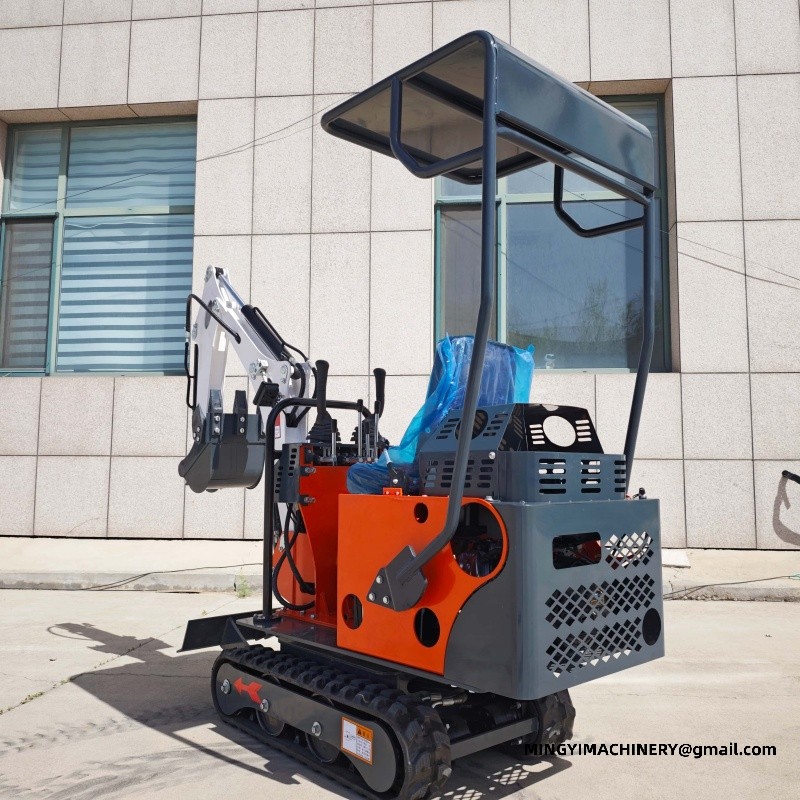
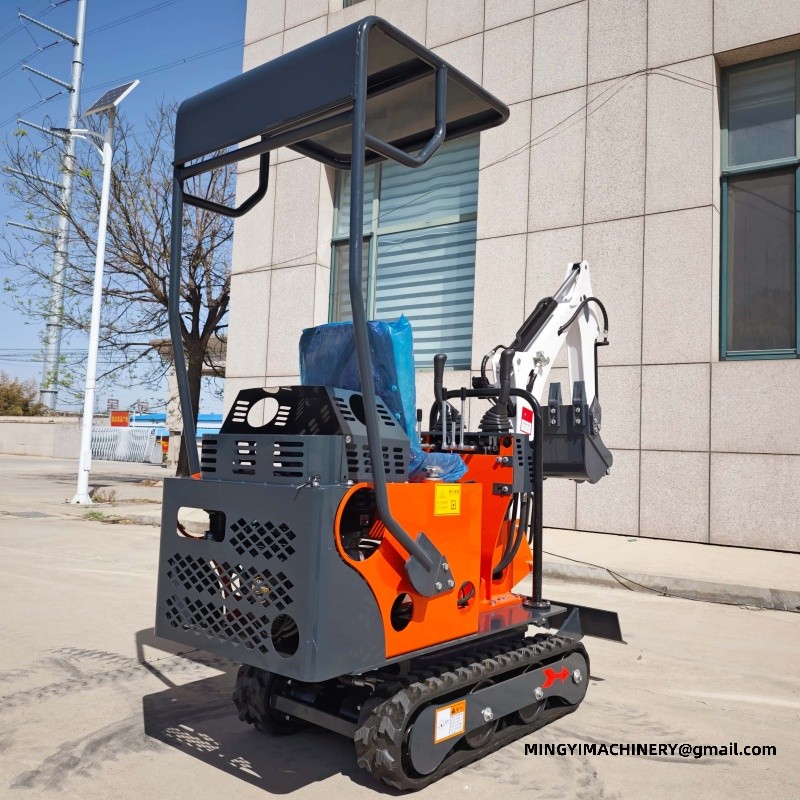
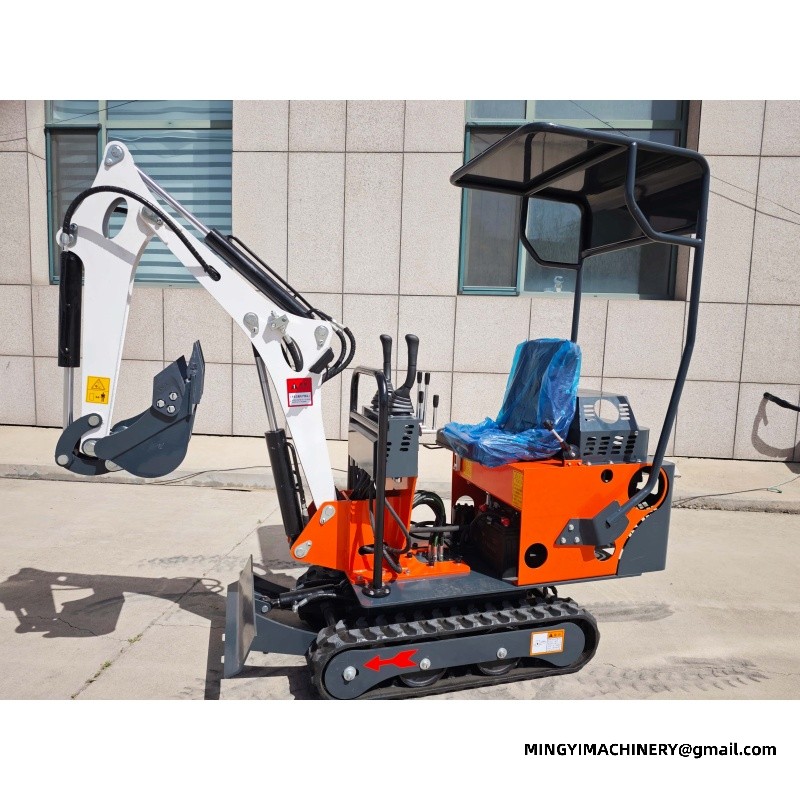
Reference specification — mini excavator range 13W 20-1W 20-3W 12L Operating weight 1300 kg (2866.01 lb) 1800 kg (3968.32 lb) 1900 kg (4188.78 lb) 1200 kg (2645.55 lb) Transport size (L×W×H) 2200 × 930 × 2250 mm 2550 × 1100 × 2200 mm 2550 × 1100 × 2200 mm 2200 × 930 × 2250 mm Max digging depth 1630 mm (64.17 in) 1800 mm (70.87 in) 1800 mm (70.87 in) 1700 mm (66.93 in) Max digging height 2750 mm (108.27 in) 2820 mm (111.02 in) 2820 mm (111.02 in) 2600 mm (102.36 in) Max dumping height 1960 mm (77.17 in) 2050 mm (80.71 in) 2050 mm (80.71 in) 1800 mm (70.87 in) Max digging radius 2900 mm (114.17 in) 3050 mm (120.08 in) 3050 mm (120.08 in) 2900 mm (114.17 in) Max digging distance 2100 mm (82.68 in) 2300 mm (90.55 in) 2300 mm (90.55 in) 2300 mm (90.55 in) Minimum turning radius 1300 mm (51.18 in) 1450 mm (57.09 in) 1450 mm (57.09 in) 1450 mm (57.09 in) Travel speed 3 km/h (1.86 mph) 5 km/h (3.11 mph) 5 km/h (3.11 mph) 3 km/h (1.86 mph) Gradeability 30° 30° 30° 30° Fuel consumption 1-1.3 L/h (0.264—0.343 gal) 2-3 L/h (0.528—0.793 gal) 2-3 L/h (0.528—0.793 gal) 1-1.3 L/h (0.264—0.343 gal) Fuel tank capacity 10 L (2.64 gal) 16 L (4.23 gal) 16 L (4.23 gal) 10 L (2.64 gal) Hydraulic oil tank 16 L (4.23 gal) 18 L (4.76 gal) 18 L (4.76 gal) 16 L (4.23 gal) Dozer blade lift height 180 mm (7.09 in) 180 mm (7.09 in) 180 mm (7.09 in) 180 mm (7.09 in) Dozer blade drop depth 210 mm (8.27 in) 210 mm (8.27 in) 210 mm (8.27 in) 210 mm (8.27 in)
Q. What keeps a mini excavator practical without losing reliability?
A. Three things drive the specification: model size, engine family and attachment set. MINGYI builds the 08, 12 and 18 models with a choice of power units, so a buyer can match the engine to the fuel and service network they already have instead of paying for specification they cannot use.
Q. Is a simpler machine harder to service?
A. Not when the engine family is chosen for your market. MINGYI uses widely serviced power units including Kubota D722 and D902, YANMAR, Changchai, Laidong, Runtong, YARMAX and Youpu, so filters and common wear parts can be sourced locally rather than ordered from China every time.
Q. How do I keep the purchase decision down?
A. Buy the model that matches the work, choose the engine family your own workshop already knows, and take only the attachments you will actually use. Send us the job description and MINGYI will specification the closest match at factory direct specification.
Reading the early symptoms on the unit on the job
Temperature and pressure are the two things worth watching. A machine built for the work that runs hotter than it used to, or whose pressure has drifted, is reporting a problem that is still simple to fix.
Moving the equipment in service between sites
Loading is where most damage happens. Ramps, angle of approach and the condition of the ground under them matter more than the machine when this class of machine is being loaded, and a careful driver is worth more than a fast one.
Fuel, oil and fluid quality for the unit in daily use
Fluid quality is a storage problem before it is a machine problem. Water and sediment in a drum will find the injection system of a machine of this size eventually, and a settling period is nothing compared with a pump.
E-mail : sales@mingycn.com
LINE ( ID ): mingyicn
Related pages
mini excavator for everyday site work · mini excavator specification · rubber track digger for sensitive ground · PRODUCTS









