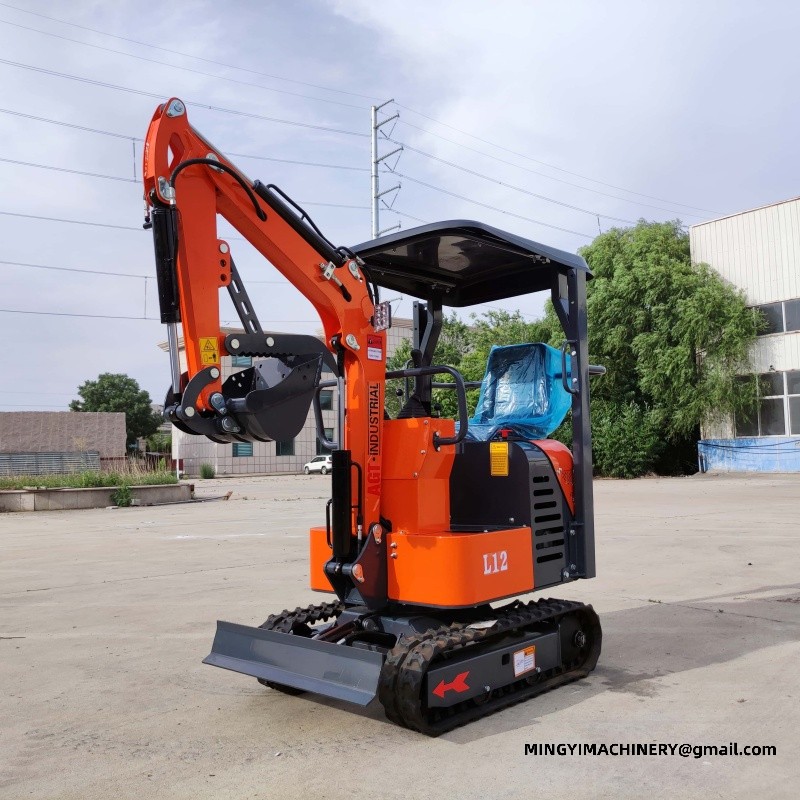
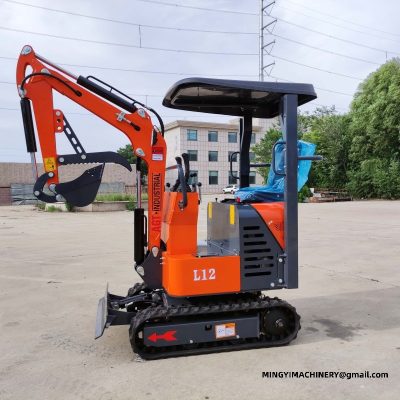
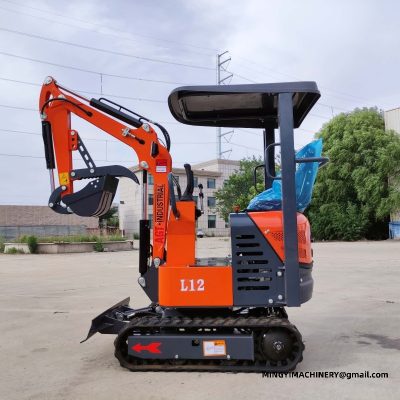
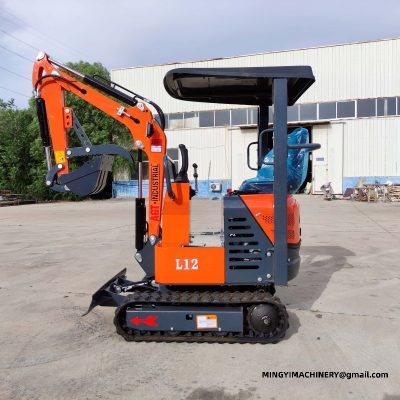
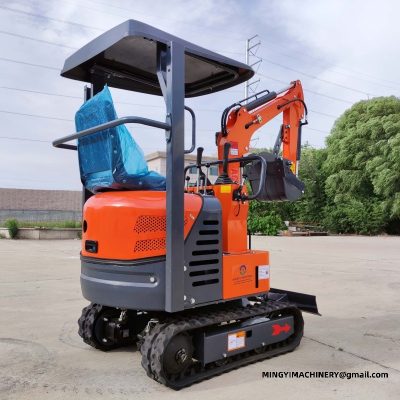
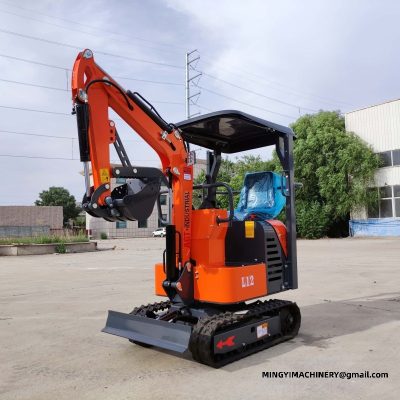
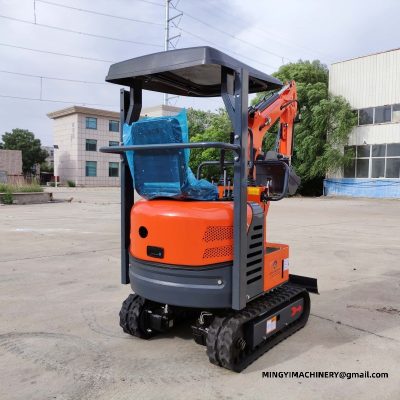
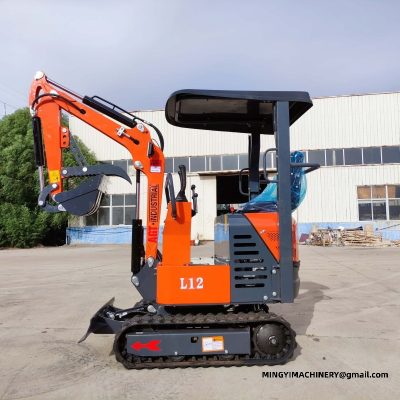
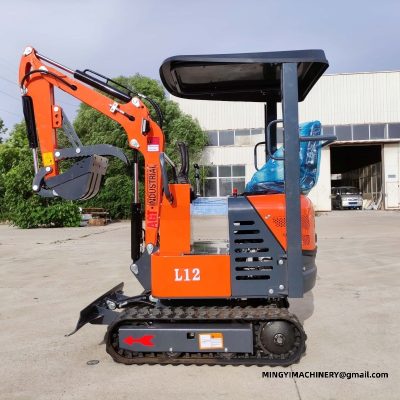
A small construction company buys one machine and needs it to cover as much of the work as possible. That places a premium on versatility: the excavator has to dig footings, open service trenches, break out concrete and handle material, without needing a second machine on site.
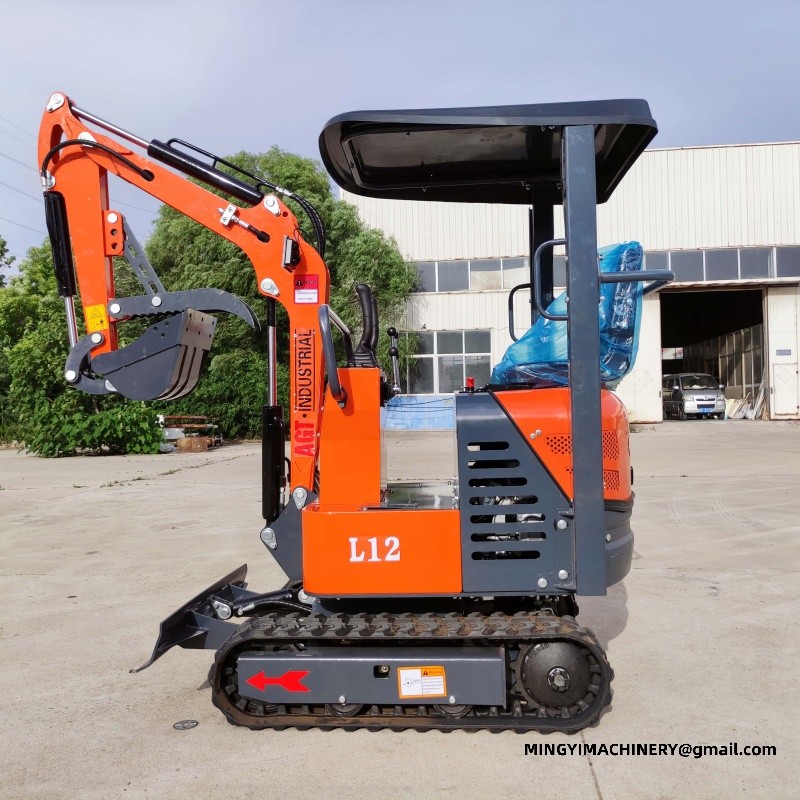
MINGYI mini excavators in the 1.5 to 3 tonne classes are built for exactly that breadth of work.
Covering the work of a small builder
The typical small contractor’s work spans extensions, garage bases, drainage, driveways and refurbishment. An excavator with a quick coupler and the right attachment set covers all of it: buckets for excavation, a breaker for concrete and masonry, an auger for post and pile holes, and a thumb bucket or forks for handling.
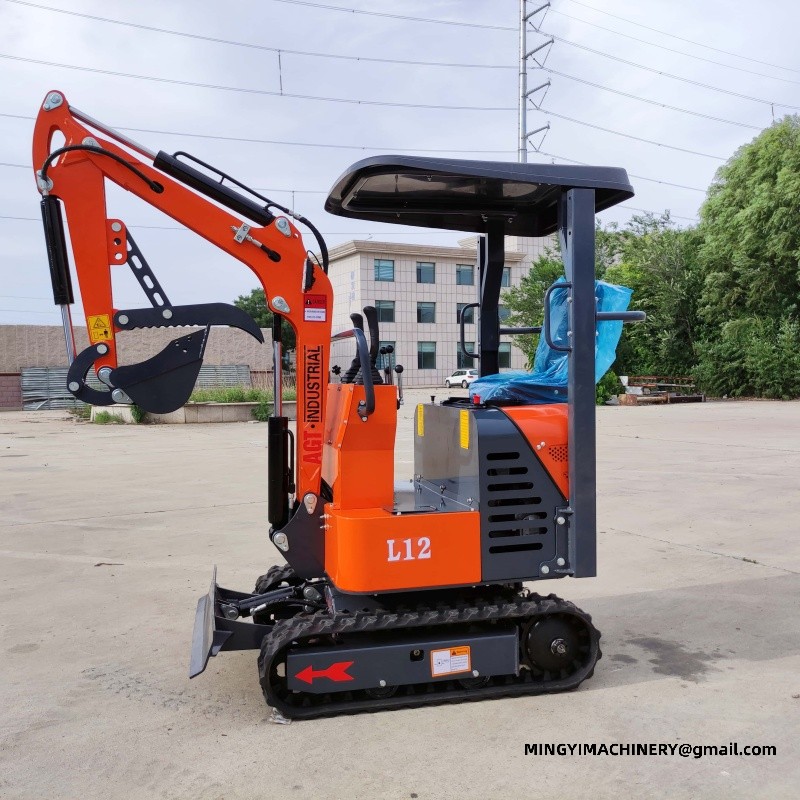
Because one machine and one operator can complete the whole sequence, the contractor avoids the machine changes that stretch small jobs.
Choosing the size
The right class is set by the access and the excavation, not by ambition. Most small building work sits in the 1.5 to 2.5 tonne range, where the machine fits domestic access but still has the reach and attachment capability for footings and drainage. The 3 tonne class suits contractors taking on larger groundwork.
Effort control
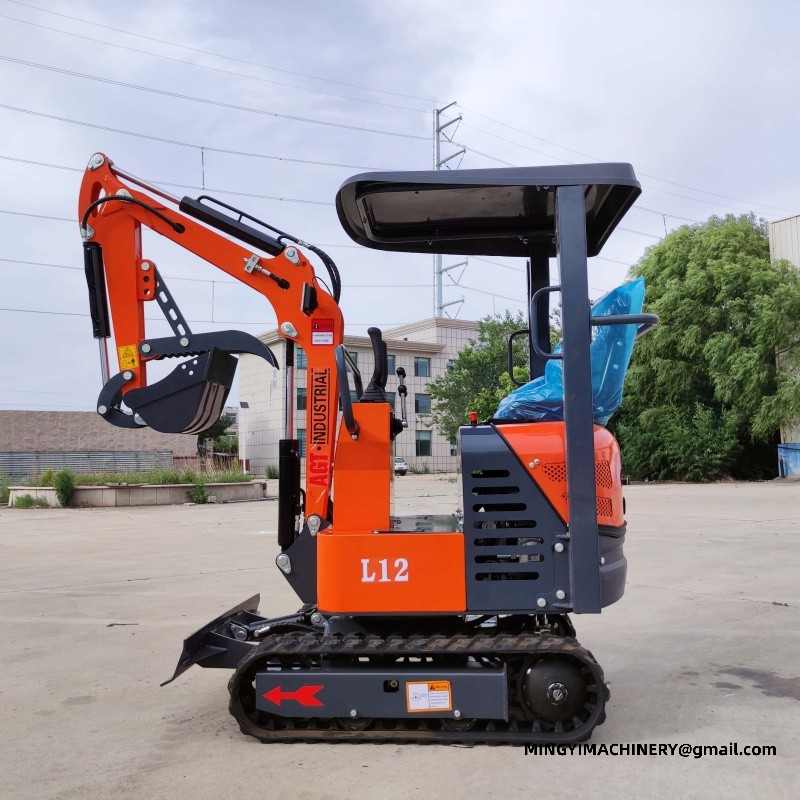
Transport, fuel and maintenance scale with machine size, so specifying the class that matches the work keeps the effort per job predictable. Matching the engine family to a locally supported brand reduces the effort of parts and the risk of downtime.
Covering small contractor work
• Footings and foundations for extensions and outbuildings
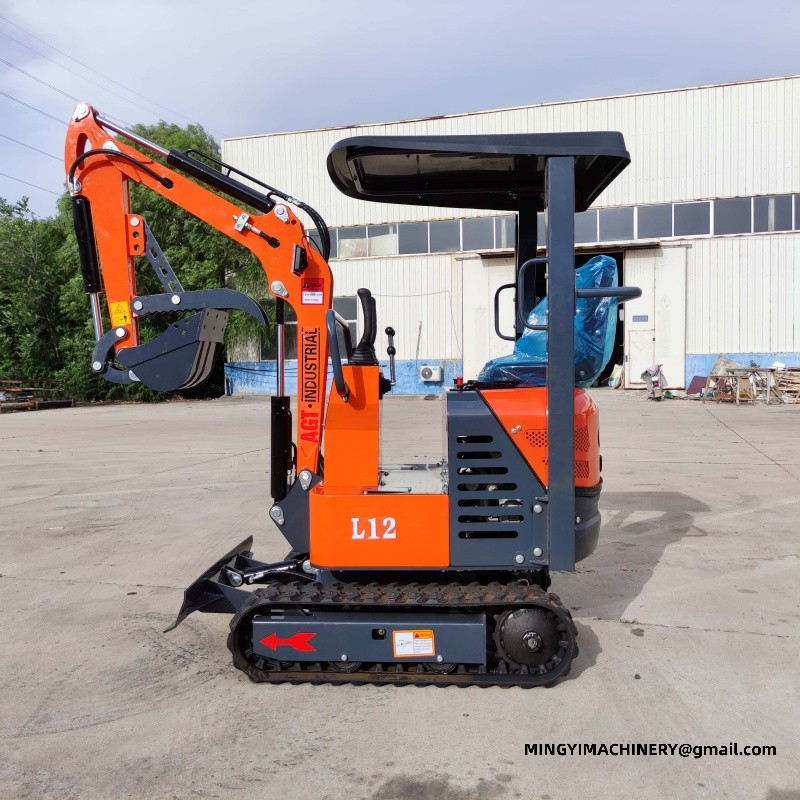
• Drainage, soakaways and service trenches
• Concrete and hard-standing breakout
• Driveway and patio sub-base preparation
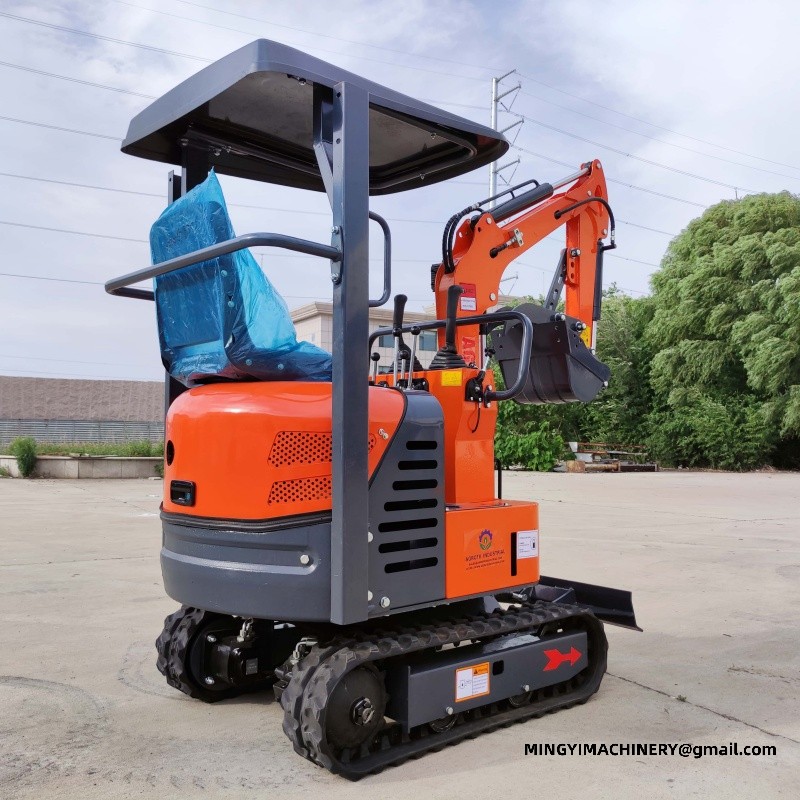
• Material handling with forks or thumb bucket
Tell us the kind of jobs you take on and the access you normally work with and we will specify a machine to cover them.
Operator technique for mini excavator for small construction companies The second habit is tool discipline. Running this class of machine with the right bucket width for the trench means less spoil, less reinstatement and a cleaner job than a wide bucket and a lot of trimming. Stability is the third. The unit in daily use working across the tracks rather than over the corners keeps the machine steady and the undercarriage loaded evenly, which shows up as track life at the end of the season. Trenching work with mini excavator for small construction companies Service trenches are the most common reason a machine of this size is hired. Water, sewage, cable and gas runs are narrow, shallow and often close to existing services, which is exactly the work a full-size machine cannot do safely. Depth control matters more on service work than speed. The equipment on site working beside live services is chosen because it can be placed precisely and stopped instantly, which is what the job actually requires. Landscaping and ground care with mini excavator for small construction companies Landscape contractors use the machine itself for planting holes, pond excavation, grading and retaining work. The machine is light enough to cross finished lawn and narrow enough to work between established trees. Grass cutting heads, rakes and tillers extend the model in question into ground care. The same carrier that digs a border in spring can cut and clear the same area later in the season. Interior and light demolition with mini excavator for small construction companies Breaking out a floor slab, a wall footing or a concrete step is routine work for the machine in that duty with a breaker. The machine is small enough to work inside and heavy enough to run the tool at a practical rate. Dust, debris clearance and floor loading all argue for a compact machine indoors. The unit on the job spreads its weight over a wider track footprint than a wheeled machine of similar capacity. Working a machine built for the work in confined spaces Confined sites are decided by dimensions. Overall width, tail swing and the space needed to work the arm are what let the equipment in service operate inside a building, between walls or in a courtyard. Ventilation is the other indoor constraint. Running this class of machine inside a closed structure needs air movement, and that is a planning item rather than something to discover after the first hour. Hiring versus owning the unit in daily use The choice follows the hours. Work that fills a few weeks a year is usually better hired, while a machine of this size that would be on site most weeks starts to justify ownership once the transport and booking time is counted. Ownership brings obligations that hiring does not. Storage, servicing, insurance and an operator are the items to set against the hire rate before deciding which way the equipment on site should be supplied. Road and paving work for the machine itself Road repair generates short, interrupted jobs - a patch, a drainage connection, a kerb line. The model in question is economical here because it travels on a small trailer and starts working minutes after arriving. Patching and reinstatement favour a machine that can work in a lane closure. The machine in that duty occupies less road than a full-size excavator, which reduces the traffic management needed and the length of the closure. Municipal and public works with the unit on the job Drainage repair, tree planting, footway reconstruction and cemetery work are all within the range of a machine built for the work. The jobs are small individually and continuous across the year. Noise and surface protection matter on public work. The equipment in service on rubber tracks across paving, with a sealed cab for the operator, suits the conditions better than a larger tracked machine. Quick coupler practice on this class of machine Couplers are specified early because they affect the arm and the hydraulic kit. Adding one to the unit in daily use after delivery means new pins, new hoses and a fitment session; adding it at build time is a line on the sheet. For a fleet that shares attachments between machines, a common coupler standard matters more than the coupler brand. A machine of this size that picks up the same tools as the larger machines keeps the rack usable across the yard. Working on slopes and uneven ground with the equipment on site Slope work is a stability question before it is a traction question. Knowing the gradient the machine itself is rated for, and working across rather than straight up where the ground allows, removes most of the risk. Ground that looks level often is not. The model in question crossing a filled trench, a soft edge or a hidden void behaves differently from one on undisturbed ground, and those are the places worth walking before driving. Acceptance checks when the machine in that duty arrives A function check before the machine goes to work is worth the hour. Running through the controls, the travel and the attachment circuit on the unit on the job confirms it is set up as specified and ready for the site. Documentation should arrive with the machine. Parts list, service schedule and any certificates for a machine built for the work are what the workshop needs later, and they are much easier to obtain at delivery than in month six. Specification data for the equipment in service Where this class of machine is being specified for a job list, the table below gives the factory figures that matter most: what the machine weighs, how deep and how far it works, and what it measures on a trailer. These are the reference figures for the unit in daily use. MINGYI confirms the final build sheet, including engine and attachment choices, against the destination and the job list before production. Power unit selection is settled against the service network the buyer already uses. MINGYI offers Kubota D722, Kubota D902, YANMAR, Changchai, Laidong, Runtong, YARMAX, Youpu 2V80 and Youpu 195, so a fleet running one brand of engine can keep the same filters, the same parts supplier and the same mechanic. Engine choice is also an emissions and documentation question for some markets. Listing the available units with a machine of this size enquiry lets the factory confirm what can be supplied and documented for the destination country.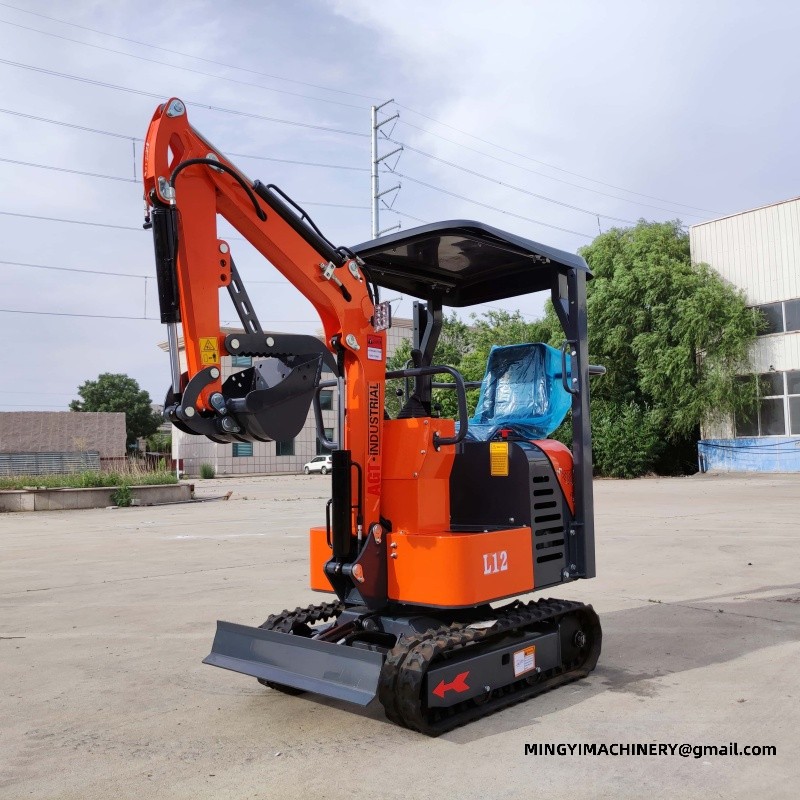
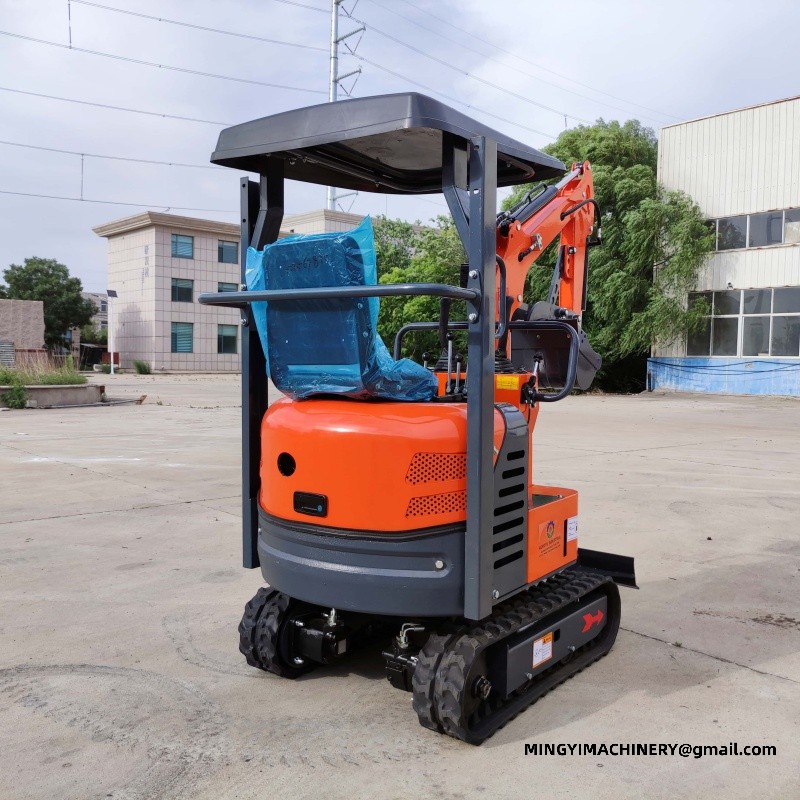
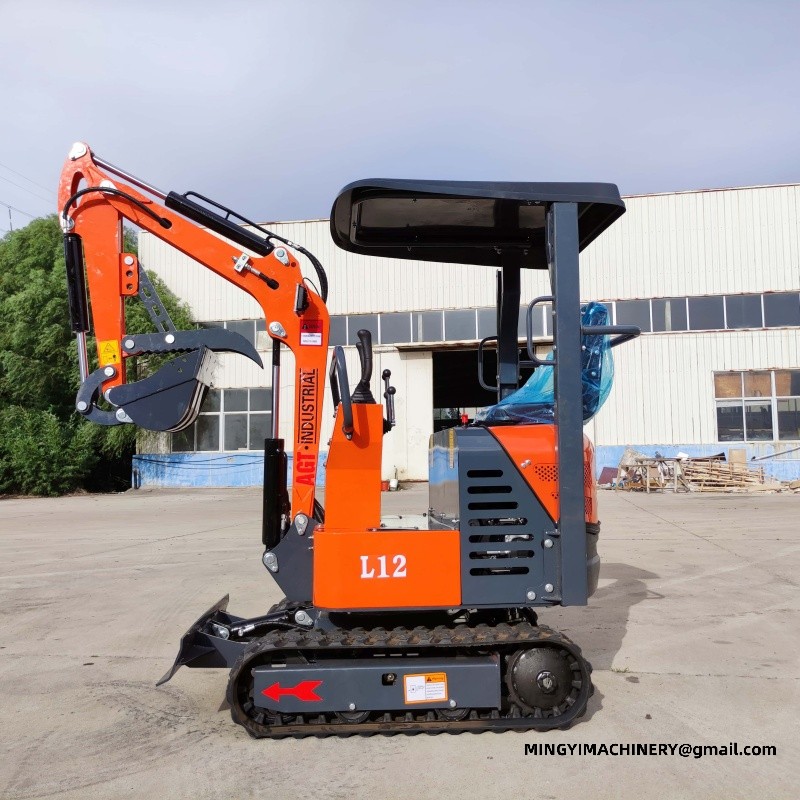
Reference specification — mini excavator range 13W 20-1WL 30-1W 15L Operating weight 1300 kg (2866.01 lb) 1900 kg (4188.78 lb) 2900 kg (6393.41 lb) 1400 kg (3086.47 lb) Transport size (L×W×H) 2200 × 930 × 2250 mm 2550 × 1100 × 2200 mm 3000 × 1250 × 2780 mm 2200 × 930 × 2250 mm Max digging depth 1630 mm (64.17 in) 1800 mm (70.87 in) 2200 mm (86.61 in) 1700 mm (66.93 in) Max digging height 2750 mm (108.27 in) 2820 mm (111.02 in) 3400 mm (133.86 in) 2750 mm (108.27 in) Max dumping height 1960 mm (77.17 in) 2050 mm (80.71 in) 2400 mm (94.49 in) 1960 mm (77.17 in) Max digging radius 2900 mm (114.17 in) 3050 mm (120.08 in) 4000 mm (157.48 in) 2900 mm (114.17 in) Max digging distance 2100 mm (82.68 in) 2300 mm (90.55 in) 2800 mm (110.24 in) 2300 mm (90.55 in) Minimum turning radius 1300 mm (51.18 in) 1450 mm (57.09 in) 2000 mm (78.74 in) 1450 mm (57.09 in) Travel speed 3 km/h (1.86 mph) 5 km/h (3.11 mph) 5 km/h (3.11 mph) 3 km/h (1.86 mph) Gradeability 30° 30° 30° 30° Fuel consumption 1-1.3 L/h (0.264—0.343 gal) 2-3 L/h (0.528—0.793 gal) 2-3 L/h (0.528—0.793 gal) 1-1.3 L/h (0.264—0.343 gal) Fuel tank capacity 10 L (2.64 gal) 16 L (4.23 gal) 16 L (4.23 gal) 10 L (2.64 gal) Hydraulic oil tank 16 L (4.23 gal) 18 L (4.76 gal) 20 L (5.28 gal) 16 L (4.23 gal) Dozer blade lift height 180 mm (7.09 in) 180 mm (7.09 in) 420 mm (16.54 in) 180 mm (7.09 in) Dozer blade drop depth 210 mm (8.27 in) 210 mm (8.27 in) 210 mm (8.27 in) 210 mm (8.27 in)
Q. Do you supply small construction companies?
A. Yes. MINGYI supplies the 08, 12 and 18 models to small construction companies direct from its China factory, built to order against the work the company does rather than against a stock specification.
Q. Which model suits a small builder?
A. The mid size covers most of it: footings, service trenches, drainage and backfill, while still fitting through the access a small site provides. Contractors working mostly indoors or in gardens go a size down.
Q. What tooling pays for itself first?
A. A bucket set and a quick coupler, with a breaker added if the company takes on concrete and paving work. Tell us the work mix and MINGYI will list the tooling in the order it earns its keep.
Reading the early symptoms on the equipment on site
The symptom is usually not at the fault. A hydraulic function that has become sluggish on the machine itself may point to a filter, a relief setting or a pump, and starting with the simple checks avoids the wrong guess.
Documents that travel with the model in question
A clear parts book saves more time than any other document. When the machine in that duty needs a replacement, the illustration and the part number are what turn a phone call into a shipment instead of a description.
A second operator for the unit on the job
A machine that only one person can use is a single point of failure. Training a second operator on a machine built for the work takes a day and removes the dependency that otherwise governs holidays, illness and busy weeks.
E-mail : sales@mingycn.com
LINE ( ID ): mingyicn
Visibility and blind spots around mini excavator for small construction companies
Mirrors, cameras and a signal person cover what the seat cannot. Walk the route before the first load and mark the corners where sight is lost.
A machine working in a yard with people on foot needs a rule about who moves first, agreed before the shift rather than during it.
Dust, low sun and rain all shorten sight lines, and the sensible response is to slow the cycle rather than to work on memory.
Related pages
mini excavator suitable for narrow spaces · mini excavator factory audit for importers · mini excavator parts supply · PRODUCTS









