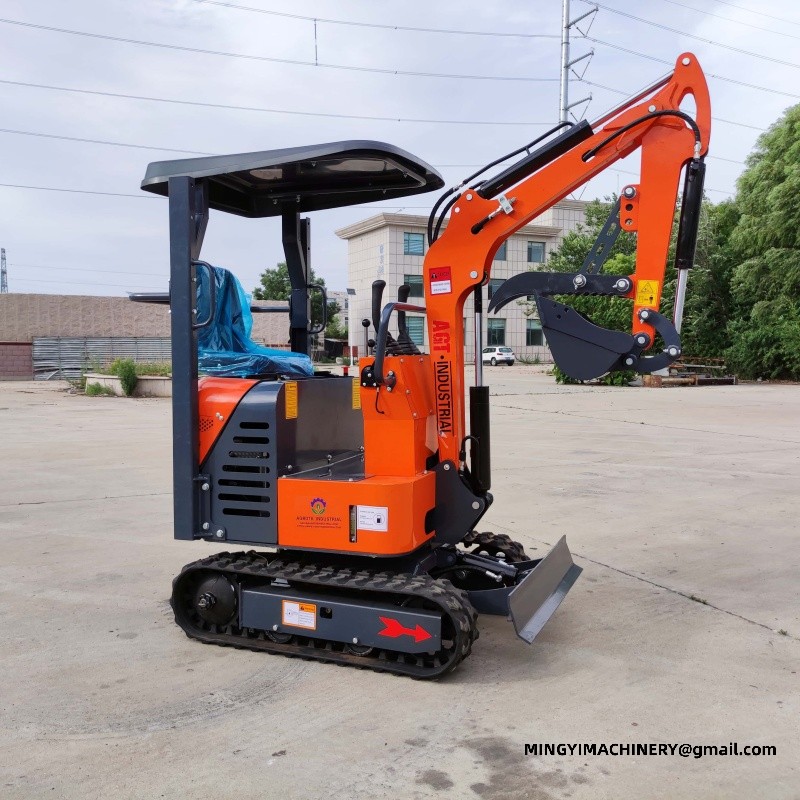
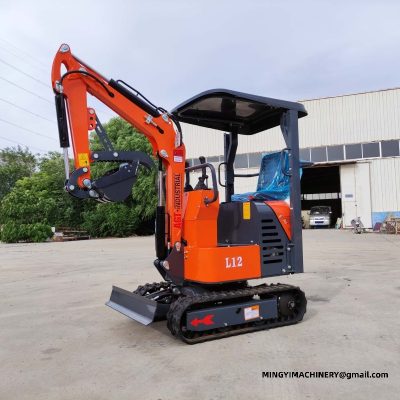
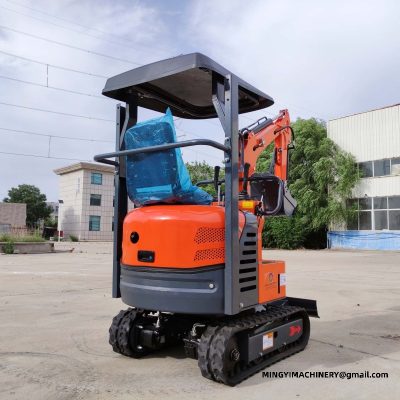
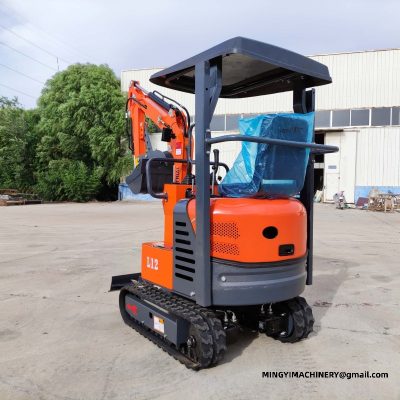
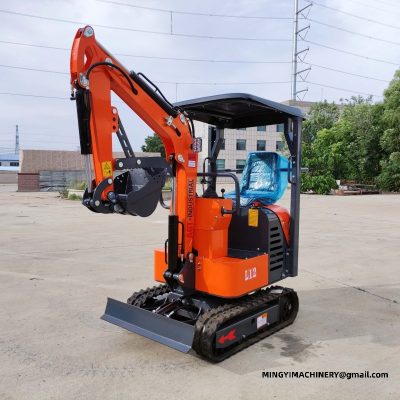
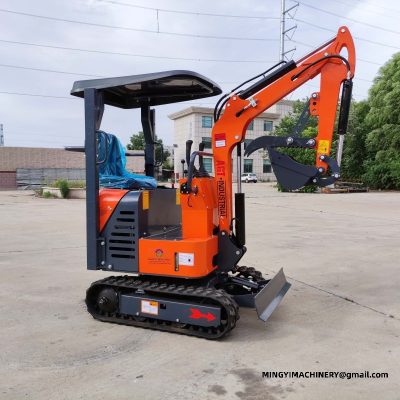
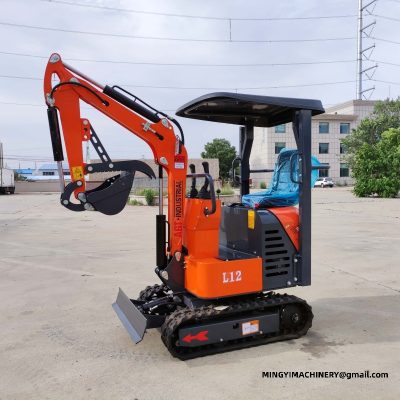
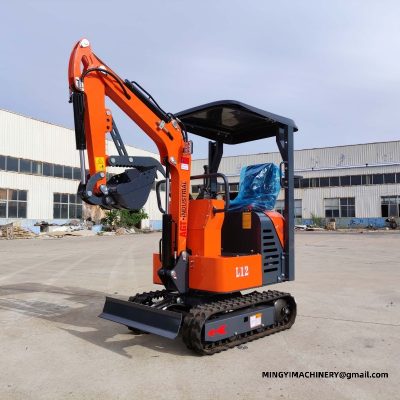
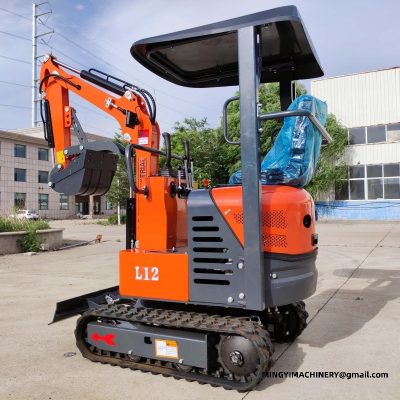
Some sites can only be reached through a door, a passage or a gap between buildings. When that happens the choice of machine stops being about output and becomes entirely about dimensions — how narrow the undercarriage is, how far the tail swings, and whether the machine can turn once it is inside.
MINGYI mini excavators are designed for exactly those situations, with a narrow undercarriage and close-coupled swing geometry across the model range.
Three dimensions that decide access
Track width determines whether the machine physically passes through the gap. Tail swing determines whether it can slew once it is through, because a conventional tail needs clear space behind. Transport height determines whether it passes under an overhang or into a building.
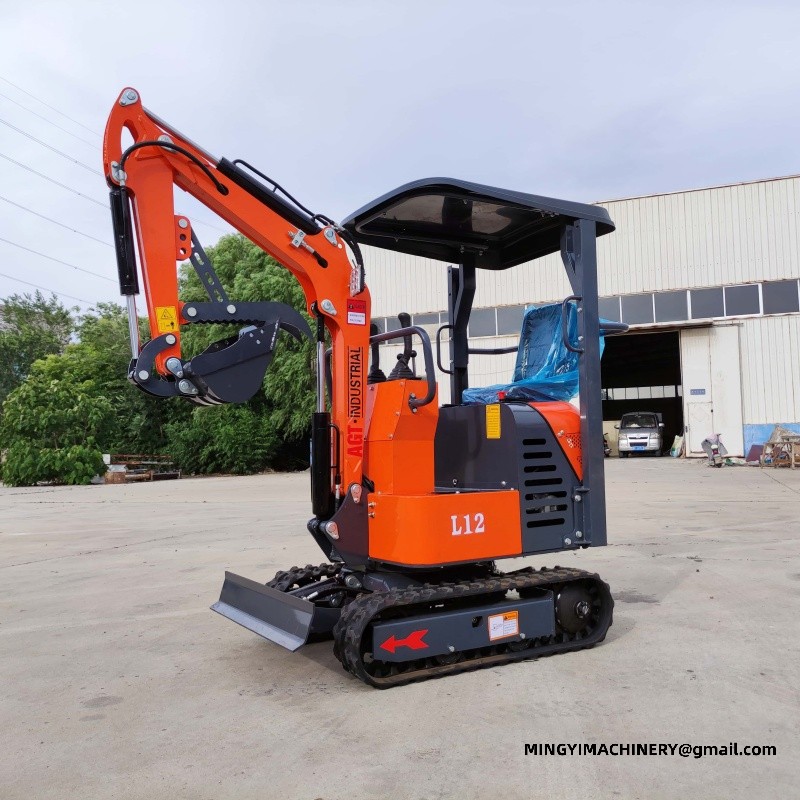
A close-coupled design keeps the upper structure within the track footprint during slewing, so a machine that can pass through a gap can also turn and dig once inside it.
Working effectively once inside
Access is only half the problem; the machine must still be able to work. A swing boom allows the bucket to offset from the track line so a trench or footing can be dug alongside a wall without repositioning the machine, and the ability to fit narrow buckets keeps spoil volume manageable in a confined area.
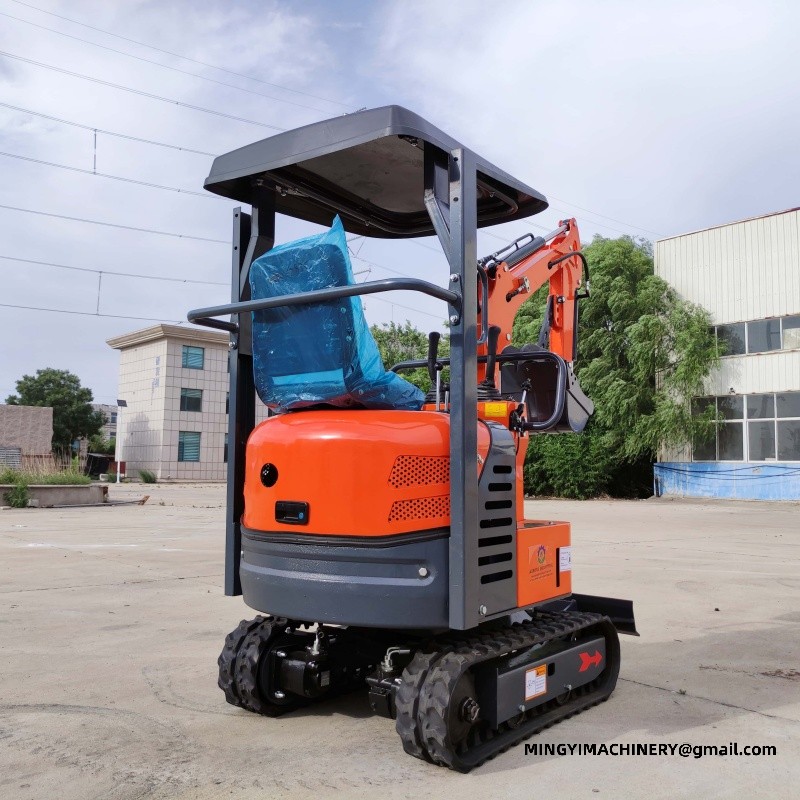
Narrow access situations
• Rear gardens and courtyards reached by a side passage
• Interior demolition and basement work
• Work between the gable of a building and a boundary
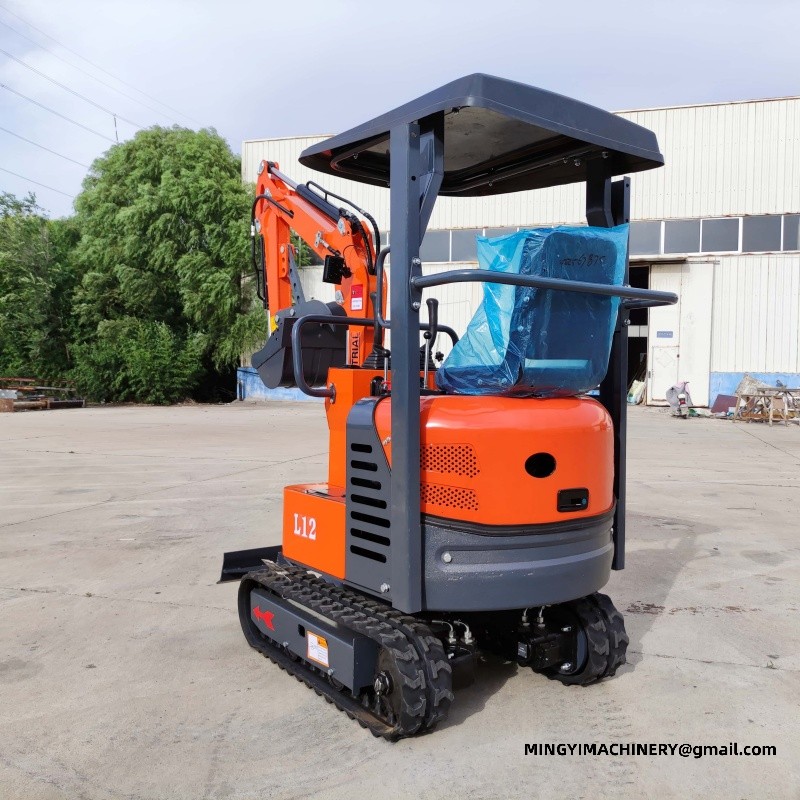
• Alleyways, service strips and formed corridors
• Sites entered through an existing doorway or opening
Tell us the narrowest passage and the lowest opening the machine must pass and we will confirm which model fits.
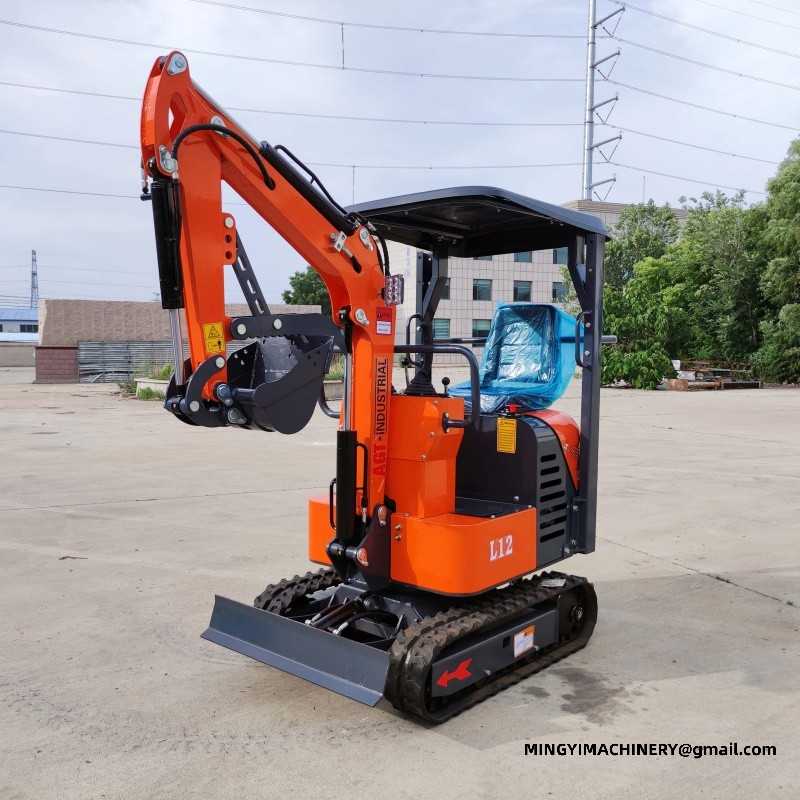
OEM and fleet customisation of mini excavator suitable for narrow spaces Customisation also covers the specification sheet. A fleet buyer may want every unit in daily use delivered with the same coupler, the same engine and the same tool kit so training and parts stock stay simple. Documentation can be prepared to suit the importer. Manuals, parts books and decal sets for this class of machine can be supplied with the buyer's own branding where the order size justifies it. Specifying mini excavator suitable for narrow spaces against a job list Buyers who skip this step either over-buy or under-buy. A machine of this size specified only from machine size tends to arrive without the coupler, the circuits or the track type the work actually needs. Useful information to send with an enquiry includes working width, required digging depth, ground conditions and the attachment set. Those four items let the factory specify the equipment on site that fits rather than a generic build. Engine options behind mini excavator suitable for narrow spaces Power unit selection is settled against the service network the buyer already uses. MINGYI offers Kubota D722, Kubota D902, YANMAR, Changchai, Laidong, Runtong, YARMAX, Youpu 2V80 and Youpu 195, so a fleet running one brand of engine can keep the same filters, the same parts supplier and the same mechanic. Two buyers can order the same the machine itself and receive different engines. The decision is rarely about peak power; it is about which parts counter is closest to the site and which engine the local mechanic already knows. Parts, service and support for mini excavator suitable for narrow spaces Engine parts availability usually drives the engine choice. The model in question built with an engine the local network already carries is serviced from stock rather than from an international order. Remote support is handled by video. The machine in that duty fault can often be diagnosed on a walk-around call with the panel open, which is faster than waiting for a visit and avoids shipping a part that is not needed. What owners should plan for beyond the mini excavator suitable for narrow spaces Purchase decision is the visible part of the effort. Fuel, filters, tracks or tyres, the operator and the transport between sites are the items that decide what the unit on the job actually demands over a few seasons, and they are worth listing before the order. Downtime is the hidden line item. A machine built for the work waiting on a part earns nothing while it stands, so parts availability and service access belong in the plan as much as fuel does. Hydraulic circuits on the equipment in service Flow and pressure are matched to the tool, not to the machine size. Asking for the attachment list first means this class of machine leaves the factory with circuits that suit the heaviest tool the buyer intends to run. Hydraulic specification is easier to settle at build time than to correct later. The unit in daily use delivered without auxiliary lines can still dig, but every additional tool becomes a retrofit project. Boom configuration for a machine of this size A swing boom lets the machine dig parallel to its tracks without repositioning, which is what makes trenching beside a wall or a fence practical. On the equipment on site this is often the option that decides whether a job is possible at all. Extended and offset boom configurations change reach and working range. The machine itself with a longer arm reaches further but lifts less at full extension, so the specification is set against the deepest and furthest point on the job list. Orchard, vineyard and farm use of the model in question Ditching, fertilising and drainage on farmland suit the machine in that duty because the work is spread over a large area in short bursts. The machine travels behind a pickup and works where it stops. Farms also use the unit on the job for general maintenance - clearing a watercourse, repairing a track, loading a spreader. One carrier with a few attachments covers most of the jobs that would otherwise wait for a contractor. Landscaping and ground care with a machine built for the work Landscape contractors use the equipment in service for planting holes, pond excavation, grading and retaining work. The machine is light enough to cross finished lawn and narrow enough to work between established trees. On soft landscape work the surface is the constraint. This class of machine on rubber tracks crosses turf without stripping it, which is why the same jobs are not given to a wheeled machine. Track choice for the unit in daily use Rubber tracks suit paved and landscaped ground because they spread the machine weight and leave the surface intact. Steel tracks with rubber blocks are specified where the ground is rougher or the working day is longer, and the choice can be made per machine rather than accepted as a factory default. Track type changes what the machine can cross and what it leaves behind. Buyers specify rubber for lawns, driveways and municipal work, and steel with rubber blocks for sites where sharp material would cut a rubber belt in a week. Daily checks and maintenance on a machine of this size Daily maintenance on the equipment on site is a short list: engine oil level, coolant, track tension, hydraulic oil level and a look at the hoses. Ten minutes at the start of the shift prevents most of the failures that stop a machine. Track tension is the item most often neglected. The machine itself run with slack tracks wears the undercarriage and can throw a track on a turn; run too tight, the same components wear from the other direction. Acceptance checks when the model in question arrives Documentation should arrive with the machine. Parts list, service schedule and any certificates for the machine in that duty are what the workshop needs later, and they are much easier to obtain at delivery than in month six. Specification data for the unit on the job The figures below are the factory figures for the models most often matched to a machine built for the work. They are the numbers to check against the site: the depth the work needs, the reach from one position, and the width of the narrowest point on the route in. These are the reference figures for the equipment in service. MINGYI confirms the final build sheet, including engine and attachment choices, against the destination and the job list before production. Delivery day is the best time to find a problem. Checking the specification against the order, the fluid levels, the fasteners and any transport damage while the unit in daily use is still on the trailer is faster than claiming later. A function check before the machine goes to work is worth the hour. Running through the controls, the travel and the attachment circuit on this class of machine confirms it is set up as specified and ready for the site.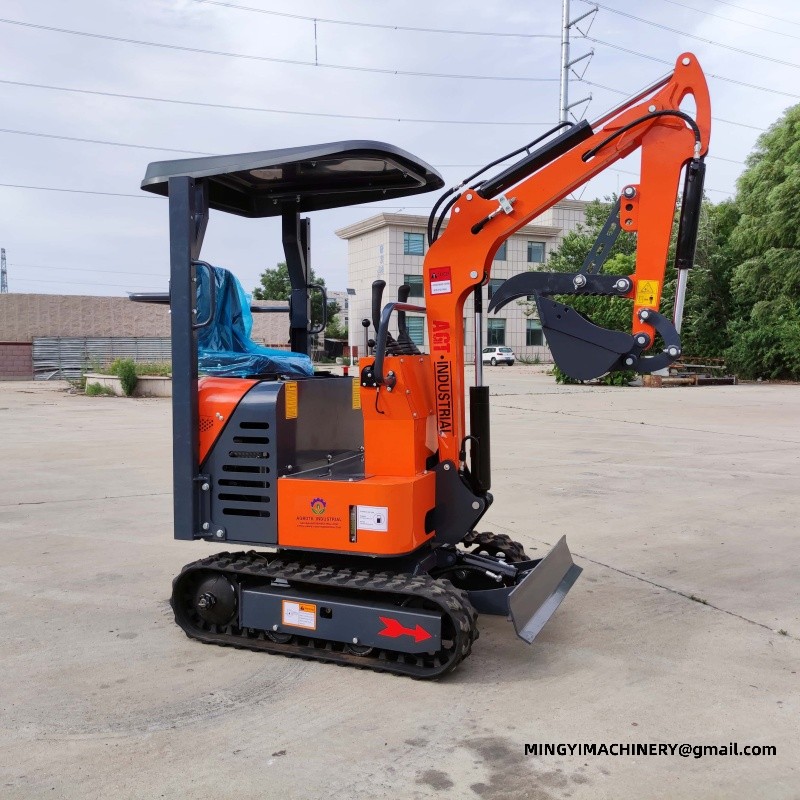
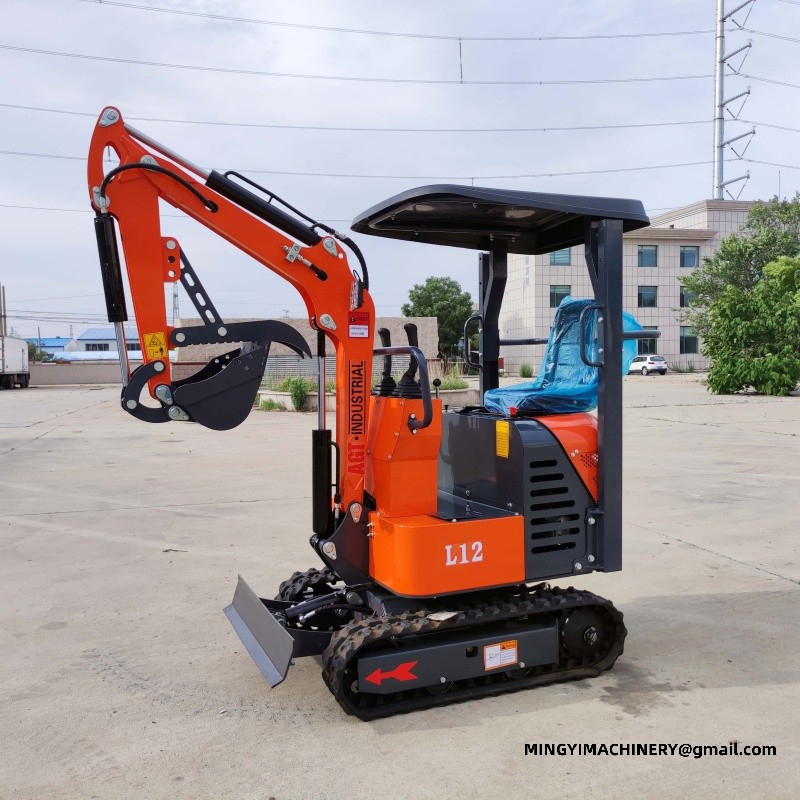
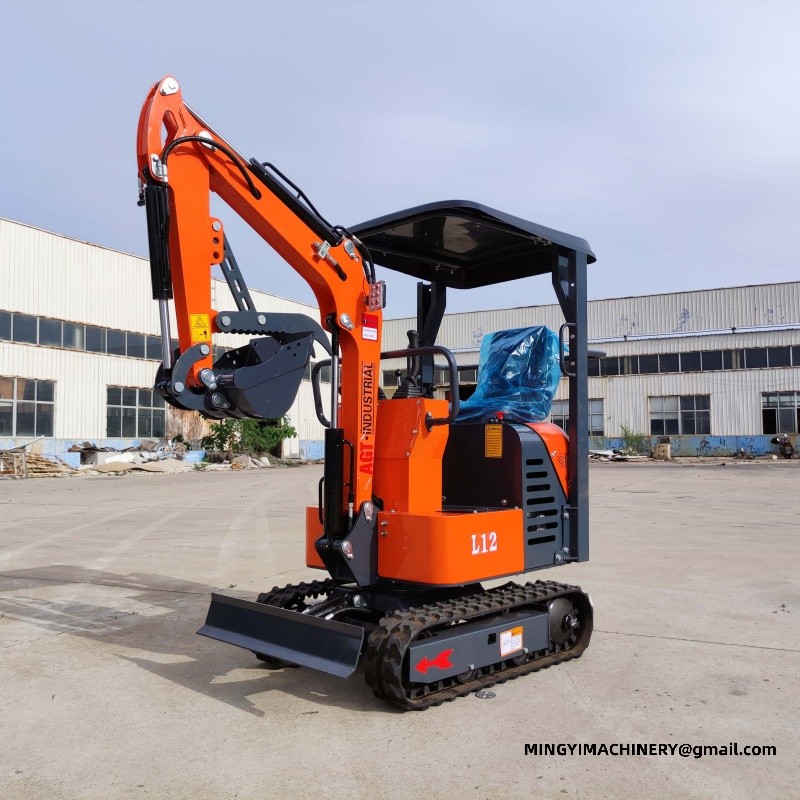
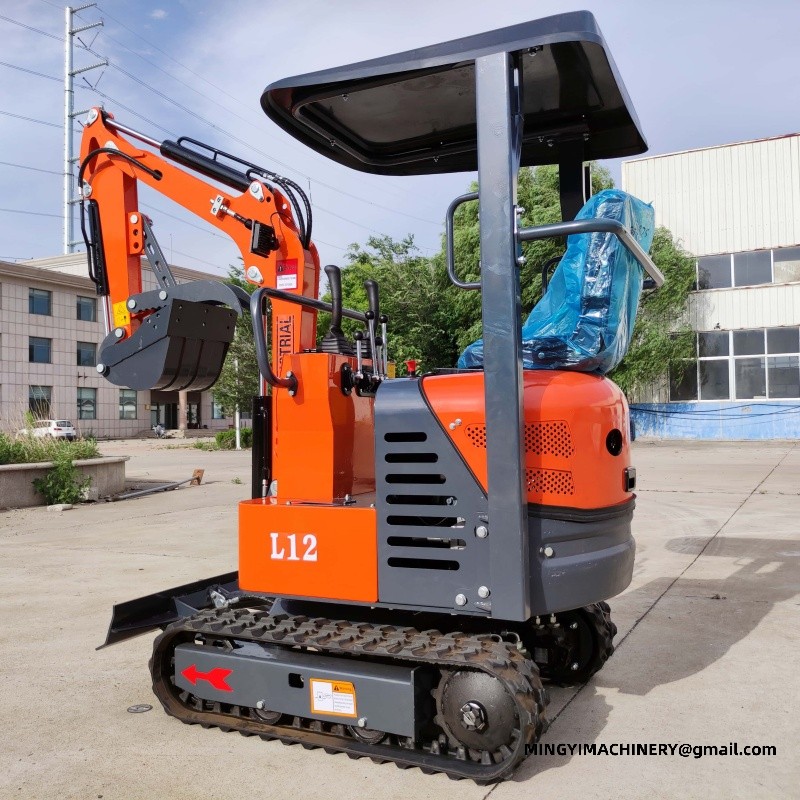
Reference specification — mini excavator range 09W 15W 09L 12L Operating weight 1100 kg (2425.08 lb) 1400 kg (3086.47 lb) 1100 kg (2425.08 lb) 1200 kg (2645.55 lb) Transport size (L×W×H) 1800 × 750 × 1970 mm 2200 × 930 × 2250 mm 2300 × 720 × 1870 mm 2200 × 930 × 2250 mm Max digging depth 1250 mm (49.21 in) 1630 mm (64.17 in) 1400 mm (55.12 in) 1700 mm (66.93 in) Max digging height 2800 mm (110.24 in) 2750 mm (108.27 in) 2800 mm (110.24 in) 2600 mm (102.36 in) Max dumping height 1700 mm (66.93 in) 1960 mm (77.17 in) 1880 mm (74.02 in) 1800 mm (70.87 in) Max digging radius 2570 mm (101.18 in) 2900 mm (114.17 in) 2490 mm (98.03 in) 2900 mm (114.17 in) Max digging distance 1869 mm (73.58 in) 2100 mm (82.68 in) 2000 mm (78.74 in) 2300 mm (90.55 in) Minimum turning radius 1000 mm (39.37 in) 1300 mm (51.18 in) 1400 mm (55.12 in) 1450 mm (57.09 in) Travel speed 3 km/h (1.86 mph) 3 km/h (1.86 mph) 3 km/h (1.86 mph) 3 km/h (1.86 mph) Gradeability 30° 30° 30° 30° Fuel consumption 1-1.3 L/h (0.264—0.343 gal) 1-1.3 L/h (0.264—0.343 gal) 1-1.3 L/h (0.264—0.343 gal) 1-1.3 L/h (0.264—0.343 gal) Fuel tank capacity 8 L (2.11 gal) 10 L (2.64 gal) 8 L (2.11 gal) 10 L (2.64 gal) Hydraulic oil tank 16 L (4.23 gal) 16 L (4.23 gal) 16 L (4.23 gal) 16 L (4.23 gal) Dozer blade lift height 180 mm (7.09 in) 180 mm (7.09 in) 180 mm (7.09 in) 180 mm (7.09 in) Dozer blade drop depth 210 mm (8.27 in) 210 mm (8.27 in) 210 mm (8.27 in) 210 mm (8.27 in)
Q. Which mini excavator works in narrow spaces?
A. The compact end of the range, and where the rear of the machine cannot overhang at all, a zero tail swing machine. Width, tail swing and the ability to offset the boom are the three things that decide whether a machine fits.
Q. What is zero tail swing and why does it matter?
A. Zero tail swing means the rear of the machine does not project beyond the tracks as it slews, so the machine can turn beside a wall, in a lane or between structures without the rear counterweight making contact. It is what makes narrow access work practical.
Q. How do I check whether a machine will fit?
A. Send us the narrowest point on the access route and the position the machine has to work from. With those two measurements MINGYI can confirm the model and whether a swing boom or zero tail swing machine is needed.
Commissioning a machine of this size on site
Commissioning is where the specification meets the ground. The settings chosen for the equipment on site are confirmed against the actual site, and the working pattern is adjusted before the machine is asked for a full day.
Wear items and spares worth holding for the machine itself
Wear items are predictable once the machine has settled in. After the first service interval the pattern on the model in question is visible, and the parts that were replaced become the parts that are kept.
Cold weather and winter care for the machine in that duty
Starting is only the first problem. Until the unit on the job reaches working temperature the hydraulic response is slower and the seals are stiffer, and warming the machine before asking for full output avoids unnecessary strain.
E-mail : sales@mingycn.com
LINE ( ID ): mingyicn
Related pages
mini excavator factory audit for importers · mini excavator for export from China · mini excavator maintenance and service · PRODUCTS









