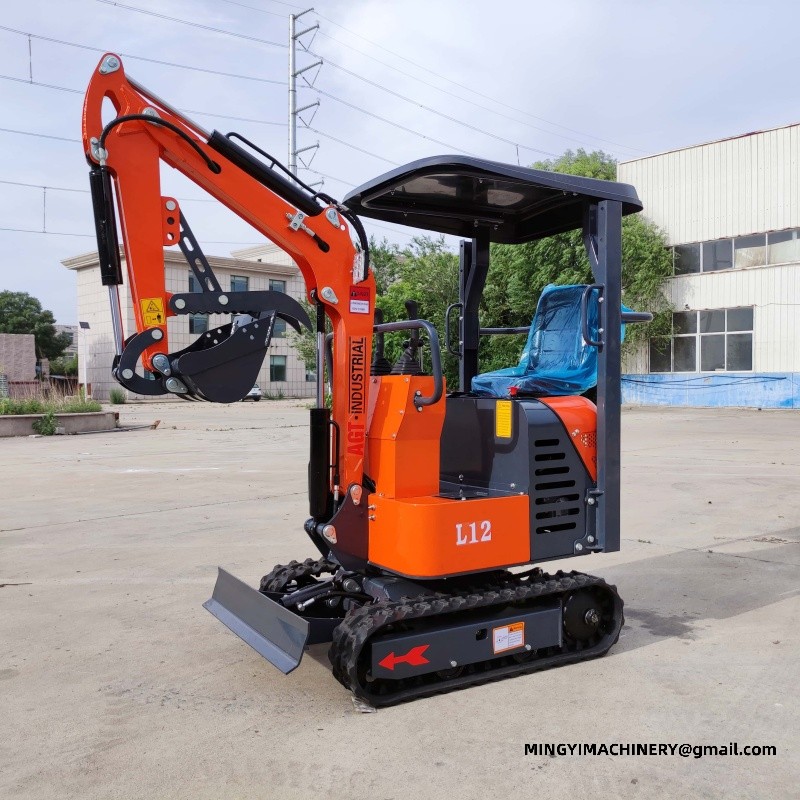
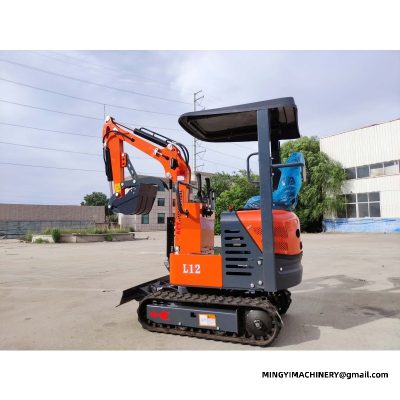
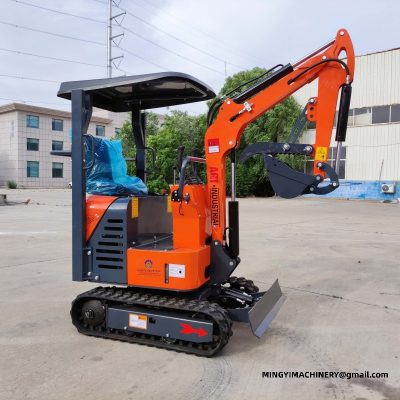
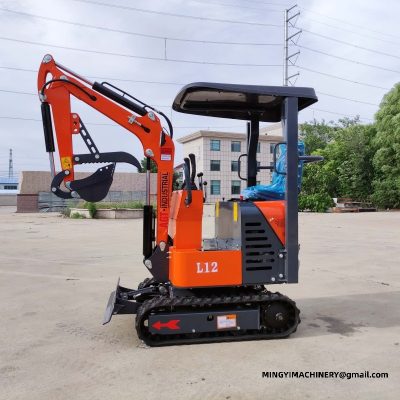
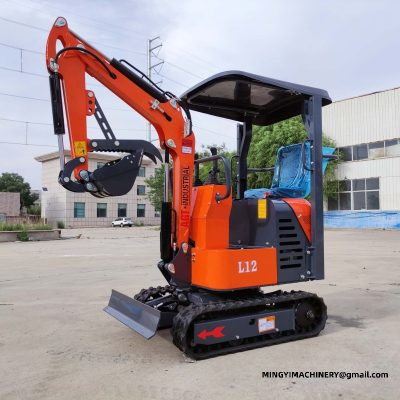
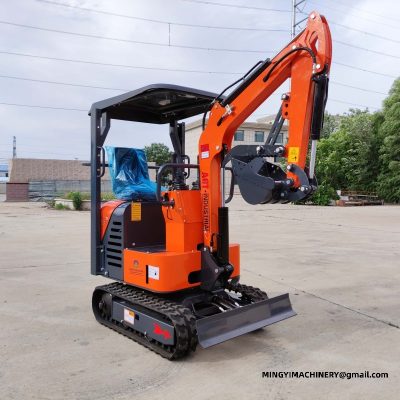
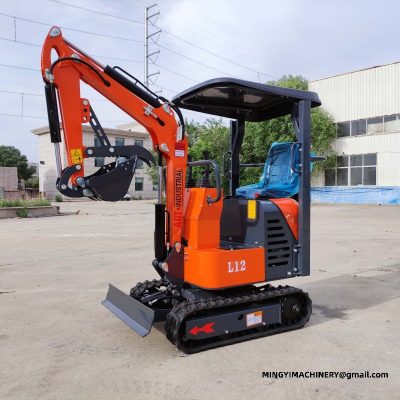
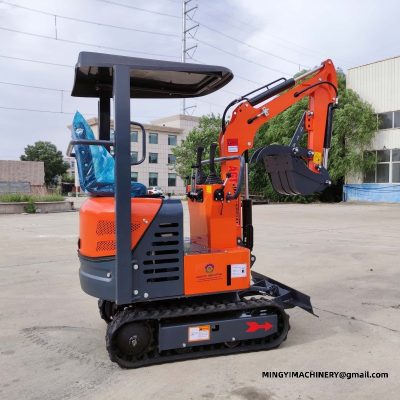
When a compact excavator is bought from overseas, the machine is judged by the first container, not by the brochure. Importers who visit or audit a factory before placing a repeat order are checking a small number of things that predict how the next shipment will arrive.
An audit is not about finding fault with the supplier. It is about confirming that what was described on paper is what actually happens on the shop floor, and that the same standard will apply to the order placed next year.
Fabrication, welding and structural work
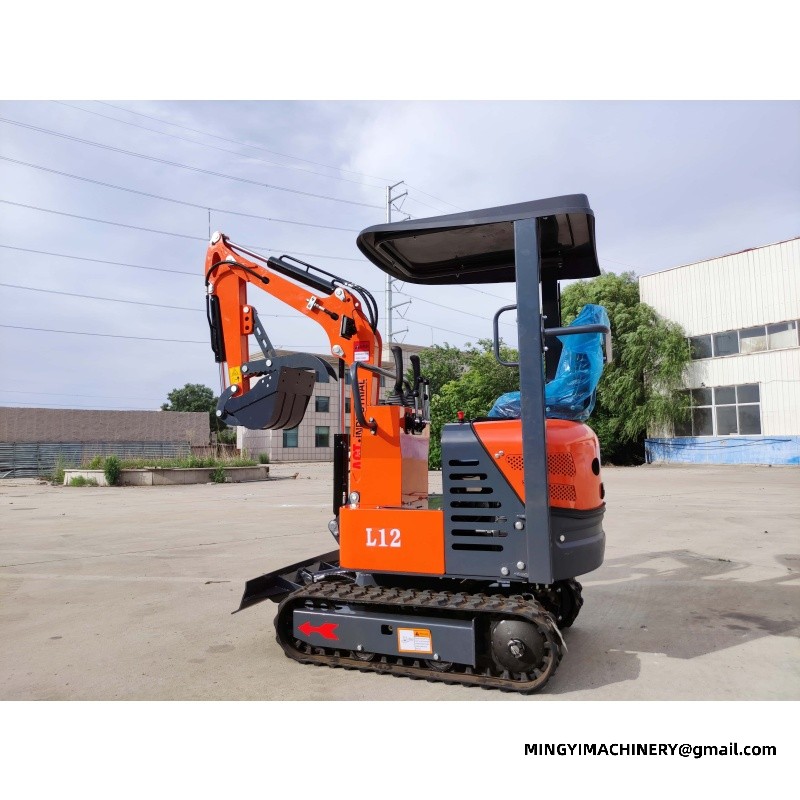
The undercarriage frame, boom and dipper arm carry the working loads, so their fabrication is the first thing worth seeing. Look at how the plates are cut and formed, how the welds are laid on the high-stress joints, and whether the finished assemblies are checked before they are painted.
Paint and preparation matter for the same reason. A machine that will work near the coast or in wet conditions depends on surface preparation and coating thickness rather than on the colour chosen for the decals.
Assembly, hydraulic testing and pre-shipment inspection
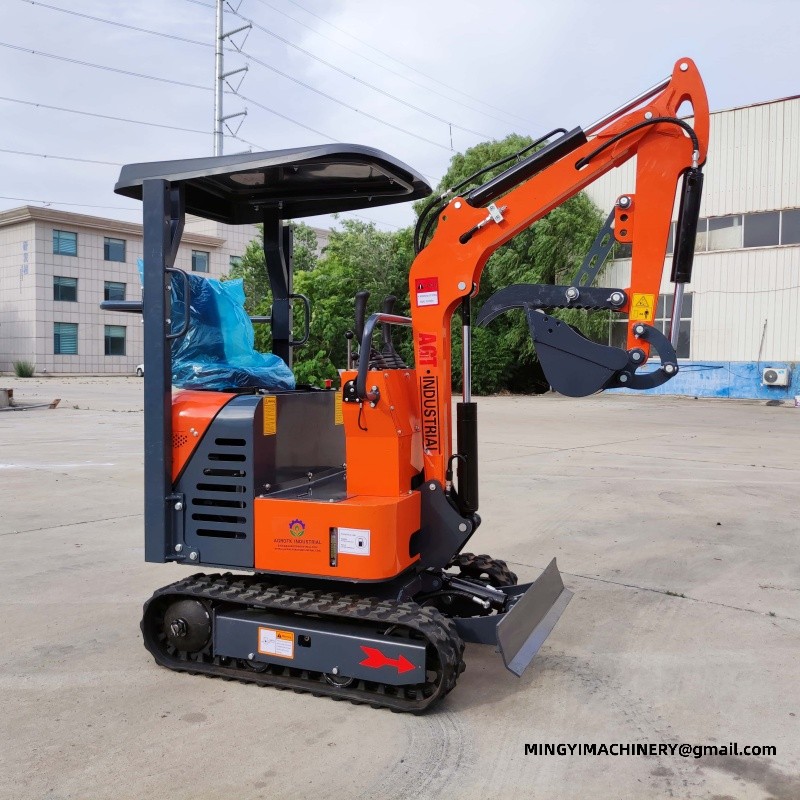
Mini excavators are assembled from bought-in engines, pumps, valves and cylinders together with locally made structures. An audit should confirm that the hydraulic circuit is pressure-tested and that every function — travel, swing, boom, arm, bucket and any attachment circuit — is operated before the machine is packed.
A pre-shipment inspection record is the document that protects both sides. Photos of the machine on test, a function checklist and the machine serial numbers matched to the packing list let the buyer verify the container contents against the order before it leaves the port.
Documents, packing and after-sales arrangements
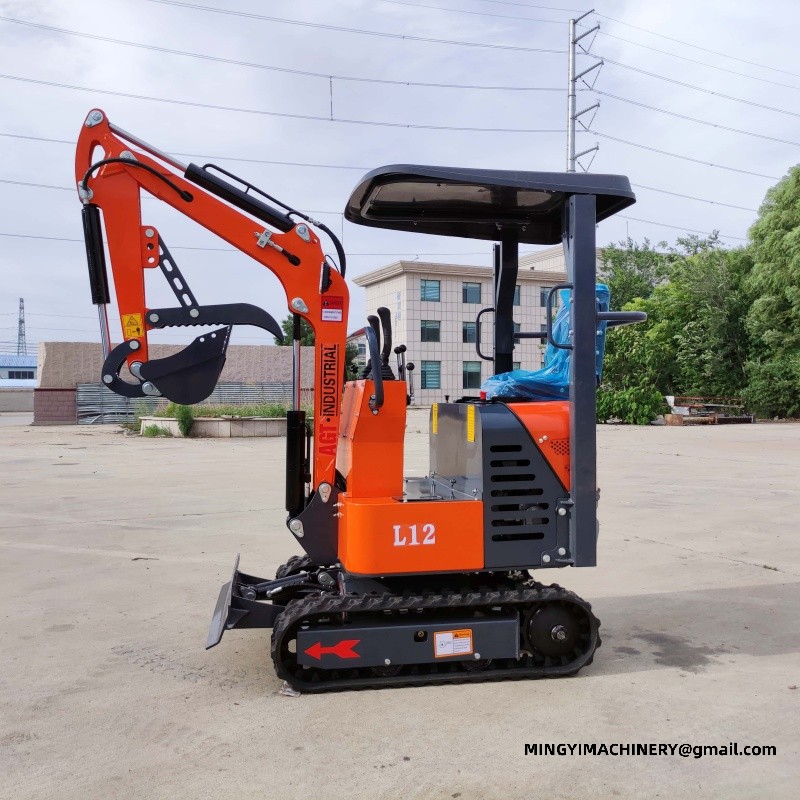
Export paperwork, the spare parts list and the operation manual should be settled before shipment, not after. Ask how a wear part is identified and ordered, and how long a replacement takes to reach your market, because that answer decides the real work of ownership.
Packing is the last check: whether the machine is secured properly for container loading, whether the bucket and attachments are packed to avoid damage, and whether the machine is protected from dust and moisture in transit. Tell us your market and the volume you handle, and we will walk you through the audit points that matter for your order.
Factory visits and pre-shipment inspections can be arranged against a confirmed order. Tell us the models you intend to import and we will confirm the schedule and the documentation provided.
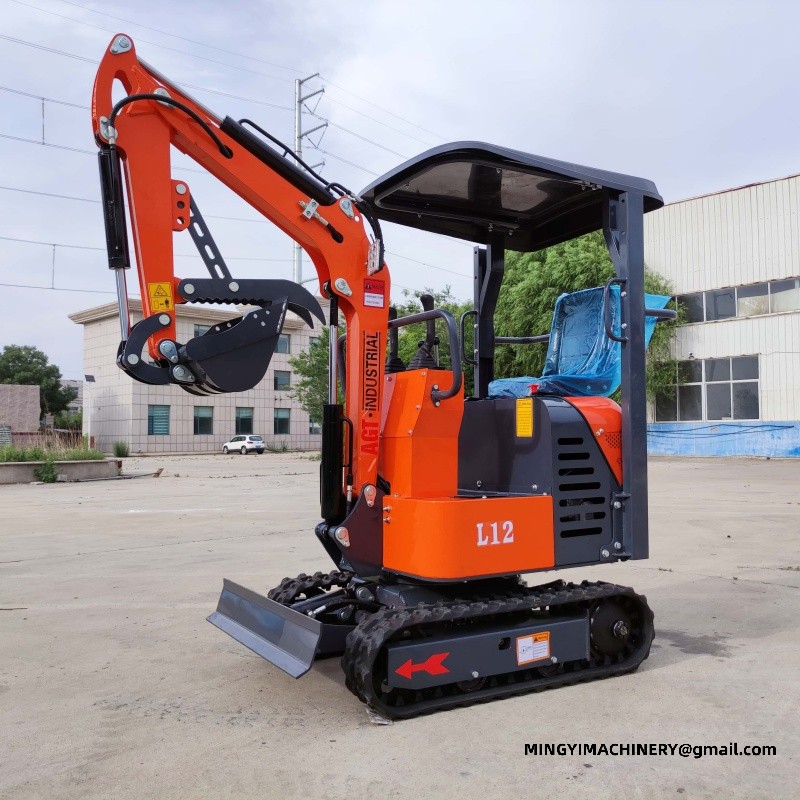
E-mail : Trailering and moving this class of machine Loading practice matters as much as the numbers. The unit in daily use is driven up ramps under its own power with the boom lowered and the tracks aligned, and secured at the points the manufacturer specifies. Detachable components reduce transport length. A machine of this size built with a removable arm section or a folding step fits a shorter trailer and may avoid an oversize movement permit. Working a mini excavator factory audit for importers through the seasons Weather decides which days are productive. Rain turns some ground unusable and cold changes how the equipment on site starts and warms up, so planning the wet months around maintenance is more useful than planning around output. Heat and dust are as limiting as rain. Air intake condition and cooling cleanliness decide how the machine itself behaves in a dry season, and both are checked in a minute rather than repaired later. Operator technique for mini excavator factory audit for importers Output on a compact machine comes from placement rather than power. An experienced operator keeps the model in question working inside the swing arc, positions once and digs a full run instead of repositioning for every bucket. The second habit is tool discipline. Running the machine in that duty with the right bucket width for the trench means less spoil, less reinstatement and a cleaner job than a wide bucket and a lot of trimming. OEM and fleet customisation of mini excavator factory audit for importers Distributors and rental fleets usually need the machine to look like theirs. Paint, decals, seat colour and attachment branding can be specified on the unit on the job at build time rather than applied after import. Customisation also covers the specification sheet. A fleet buyer may want every machine built for the work delivered with the same coupler, the same engine and the same tool kit so training and parts stock stay simple. Matching mini excavator factory audit for importers to ground conditions Soft ground is a flotation problem, not a power problem. The equipment in service on wide rubber tracks crosses lawn, sand and cultivated soil that would stop a narrower machine or a wheeled unit of the same capacity. Mixed sites are common and argue for a compromise specification. Most buyers choose rubber for this class of machine and accept the wear, unless the majority of the work is on material that will damage it. Road and paving work for mini excavator factory audit for importers Road repair generates short, interrupted jobs - a patch, a drainage connection, a kerb line. The unit in daily use is economical here because it travels on a small trailer and starts working minutes after arriving. Breaking out a failed slab and backfilling the same hole in one visit is normal work for a machine of this size. The breaker and the bucket come off the same coupler, so the road is reopened the same day. Getting the equipment on site through a narrow gap Access decides the machine before output does. With the machine itself the limiting dimension is usually the widest point on the way in, so measuring the gate, the corridor and the turning space first saves a wasted delivery and a second visit. Contractors who buy the model in question normally have one job in mind that nothing else reaches. The purchase order follows the access measurement, not the other way round, and the build sheet is then settled around it. Landscaping and ground care with the machine in that duty Grass cutting heads, rakes and tillers extend the unit on the job into ground care. The same carrier that digs a border in spring can cut and clear the same area later in the season. On soft landscape work the surface is the constraint. A machine built for the work on rubber tracks crosses turf without stripping it, which is why the same jobs are not given to a wheeled machine. Boom configuration for the equipment in service A swing boom lets the machine dig parallel to its tracks without repositioning, which is what makes trenching beside a wall or a fence practical. On this class of machine this is often the option that decides whether a job is possible at all. Detachable boom sections are used where transport length matters. The unit in daily use that has to travel on a standard trailer can be built so the arm comes off for the road and goes back on at the site. Trenching work with a machine of this size Trench quality depends on the bucket width and the operator, not on machine size. The equipment on site with a narrow bucket and a swing boom cuts a clean run along a boundary without disturbing the ground either side of it. Depth control matters more on service work than speed. The machine itself working beside live services is chosen because it can be placed precisely and stopped instantly, which is what the job actually requires. Canopy or enclosed cab on the model in question A canopy keeps the machine light and the operator aware of the surroundings, which suits short jobs in warm weather. A fully enclosed cab is specified where rain, dust or cold are part of the working year, and it can be added to the machine in that duty as a retrofit rather than only at build time. The cab decision follows the climate and the hours. Operators working a full shift in the unit on the job benefit from a sealed cab with wipers and heating; operators stepping on and off every few minutes usually prefer the canopy for the visibility and the quick exit. Interior and light demolition with a machine built for the work Interior demolition is an access and a weight question. The equipment in service that fits through a doorway and works on a suspended floor does jobs that would otherwise be done by hand or by a larger machine that cannot enter. Dust, debris clearance and floor loading all argue for a compact machine indoors. This class of machine spreads its weight over a wider track footprint than a wheeled machine of similar capacity. Specification data for the unit in daily use Buyers comparing a machine of this size usually start from four numbers - weight, digging depth, reach and transport width - because those are the ones that decide whether the machine can be delivered and whether it can do the job once it is there. These are the reference figures for the equipment on site. MINGYI confirms the final build sheet, including engine and attachment choices, against the destination and the job list before production. Wear items and spares worth holding for the machine itself Holding spares is about downtime rather than the shelf itself. The question for the model in question is not how large the part is but how long the machine sits while it is found, and a small shelf answers that better than a fast courier. A second operator for the machine in that duty Different operators suit different work. The person who is quickest with the unit on the job on open ground is not always the one who is safest in a confined space, and having both available is a genuine advantage. Slope work is a stability question before it is a traction question. Knowing the gradient a machine built for the work is rated for, and working across rather than straight up where the ground allows, removes most of the risk. Planning the direction of travel helps. Working so that the equipment in service is stable under load and not required to turn on a slope is a decision made before the job starts, not a correction made during it.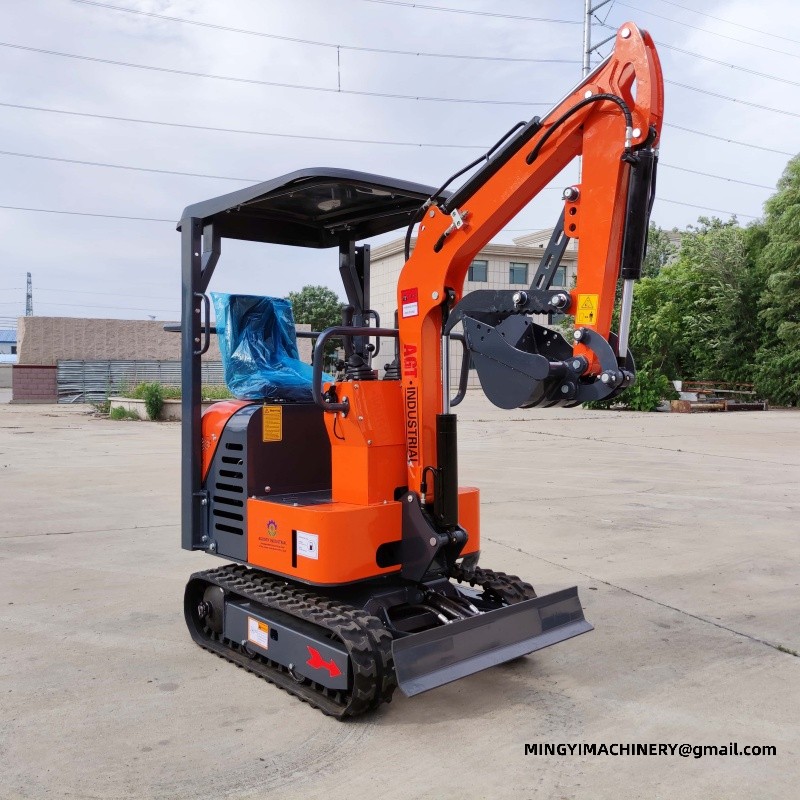
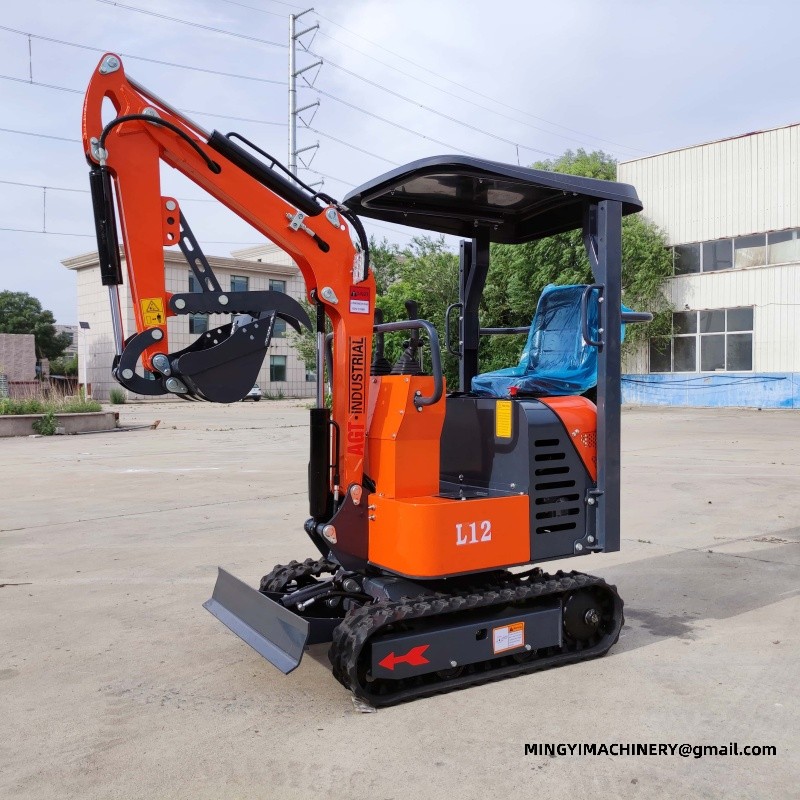
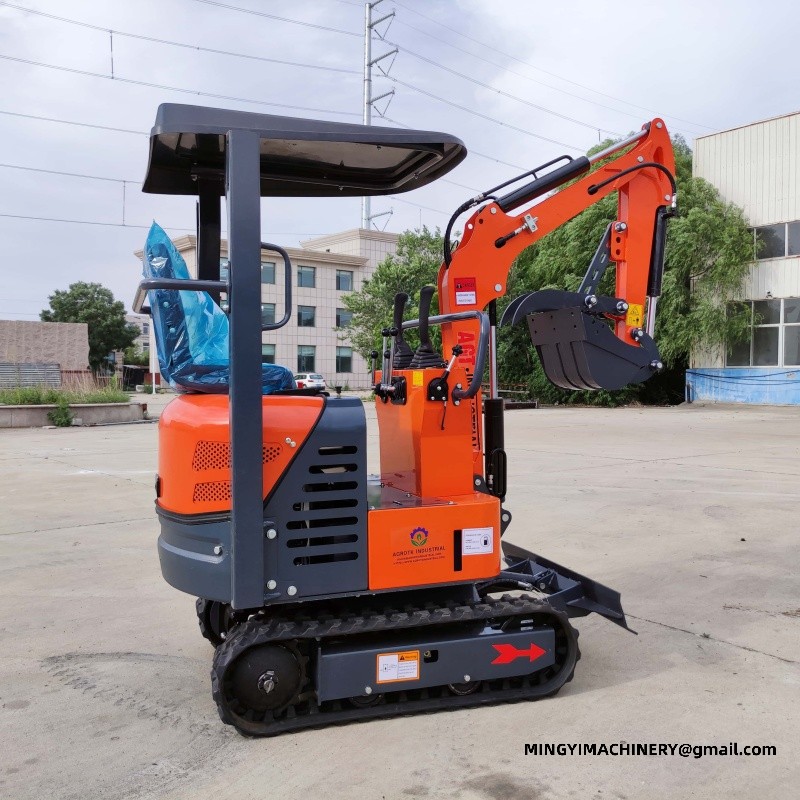
Reference specification — mini excavator range 20-1W 09L 20-2L 25L Operating weight 1800 kg (3968.32 lb) 1100 kg (2425.08 lb) 1900 kg (4188.78 lb) 2200 kg (4850.17 lb) Transport size (L×W×H) 2550 × 1100 × 2200 mm 2300 × 720 × 1870 mm 2600 × 1300 × 2344 mm 3000 × 1300 × 2700 mm Max digging depth 1800 mm (70.87 in) 1400 mm (55.12 in) 2100 mm (82.68 in) 2300 mm (90.55 in) Max digging height 2820 mm (111.02 in) 2800 mm (110.24 in) 2880 mm (113.39 in) 3100 mm (122.05 in) Max dumping height 2050 mm (80.71 in) 1880 mm (74.02 in) 2100 mm (82.68 in) 2050 mm (80.71 in) Max digging radius 3050 mm (120.08 in) 2490 mm (98.03 in) 3215 mm (126.57 in) 3900 mm (153.54 in) Max digging distance 2300 mm (90.55 in) 2000 mm (78.74 in) 2460 mm (96.85 in) 3100 mm (125.05 in) Minimum turning radius 1450 mm (57.09 in) 1400 mm (55.12 in) 1587 mm (62.48 in) 1800 mm (70.87 in) Travel speed 5 km/h (3.11 mph) 3 km/h (1.86 mph) 5 km/h (3.11 mph) 7 km/h (4.35 mph) Gradeability 30° 30° 30° 30° Fuel consumption 2-3 L/h (0.528—0.793 gal) 1-1.3 L/h (0.264—0.343 gal) 2-3 L/h (0.528—0.793 gal) 2-3 L/h (0.528—0.793 gal) Fuel tank capacity 16 L (4.23 gal) 8 L (2.11 gal) 16 L (4.23 gal) 16 L (4.23 gal) Hydraulic oil tank 18 L (4.76 gal) 16 L (4.23 gal) 18 L (4.76 gal) 18 L (4.76 gal) Dozer blade lift height 180 mm (7.09 in) 180 mm (7.09 in) 180 mm (7.09 in) 230 mm (9.06 in) Dozer blade drop depth 210 mm (8.27 in) 210 mm (8.27 in) 210 mm (8.27 in) 280 mm (11.02 in)
LINE ( ID ): mingyicn
v
Related pages
mini excavator for export from China · 1 ton mini excavator transport and setup · mini excavator parts and support · PRODUCTS









