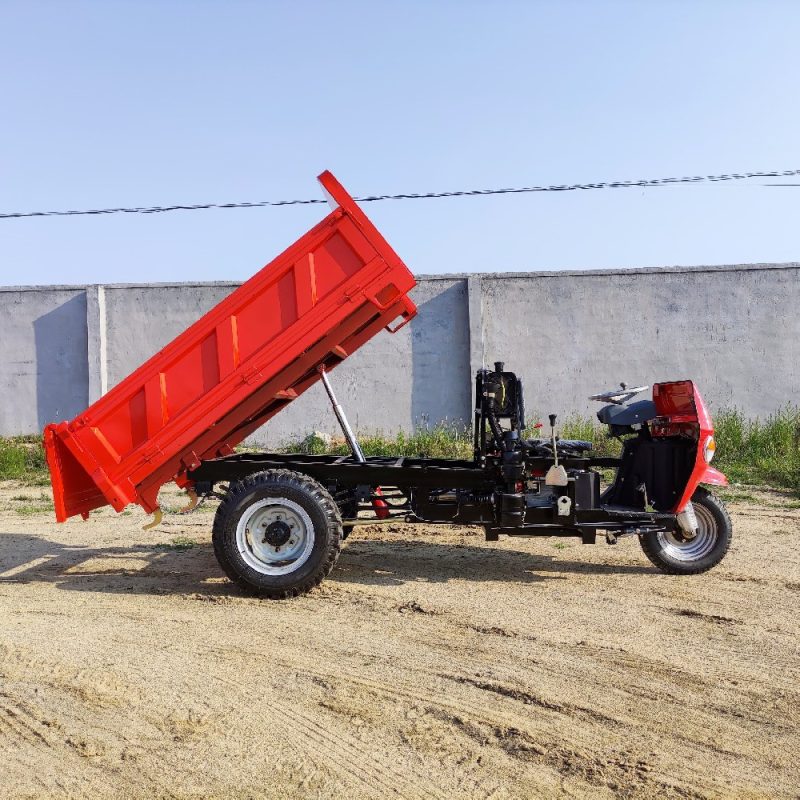
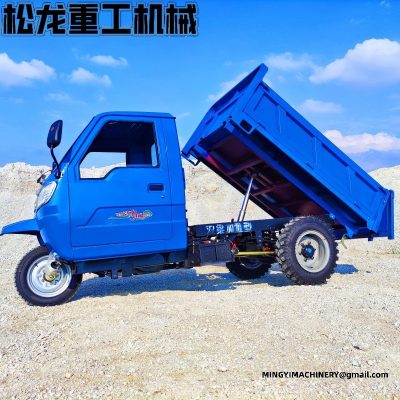
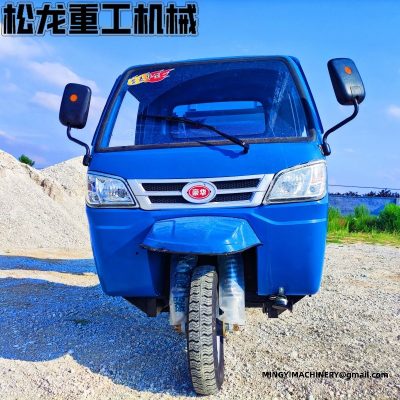
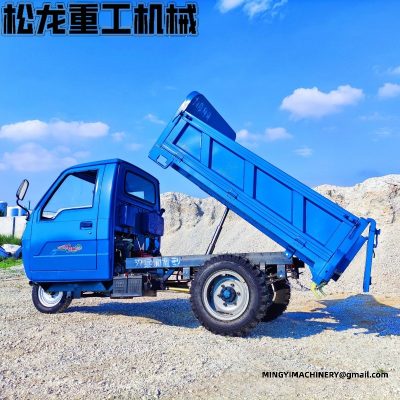
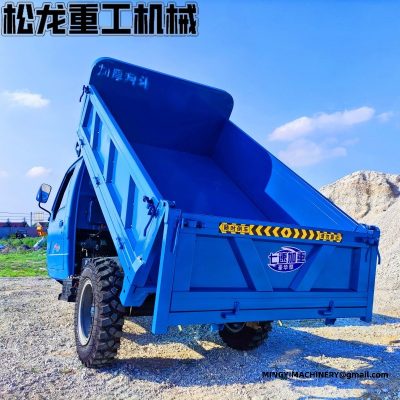
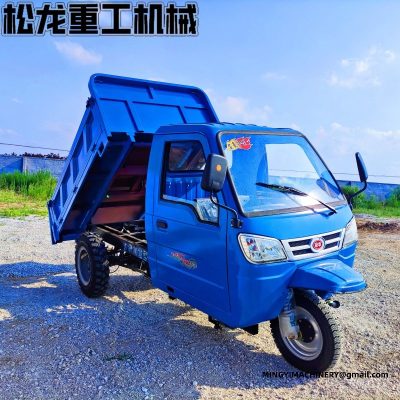
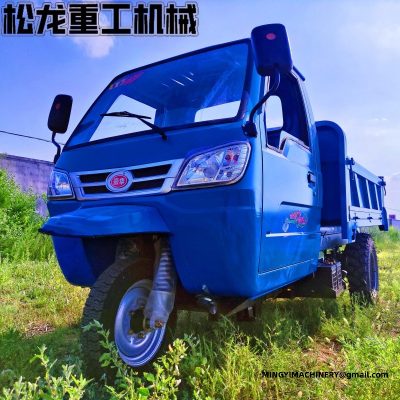
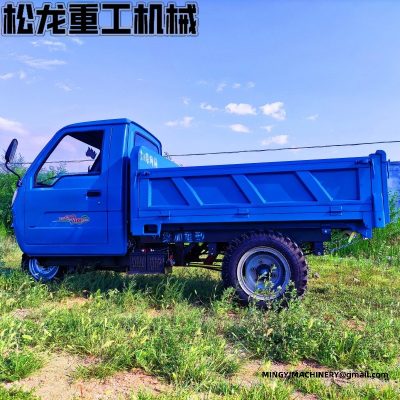
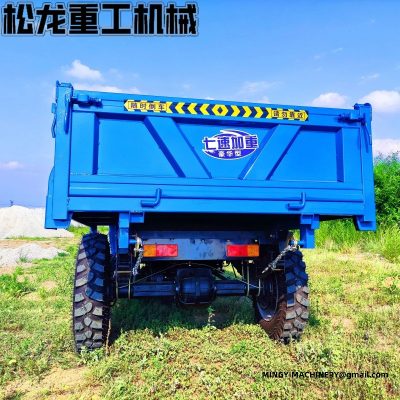
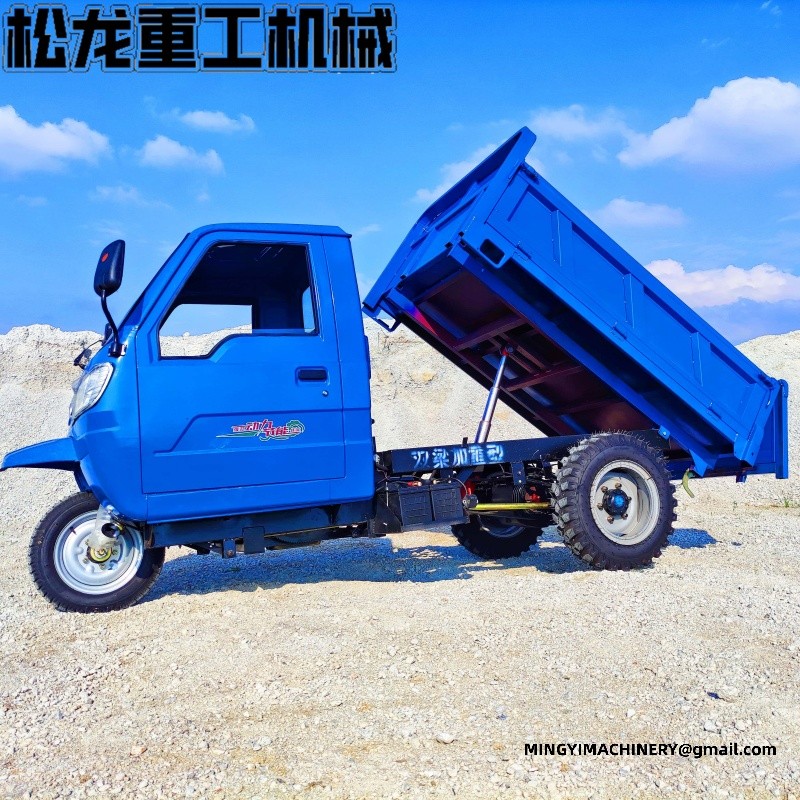
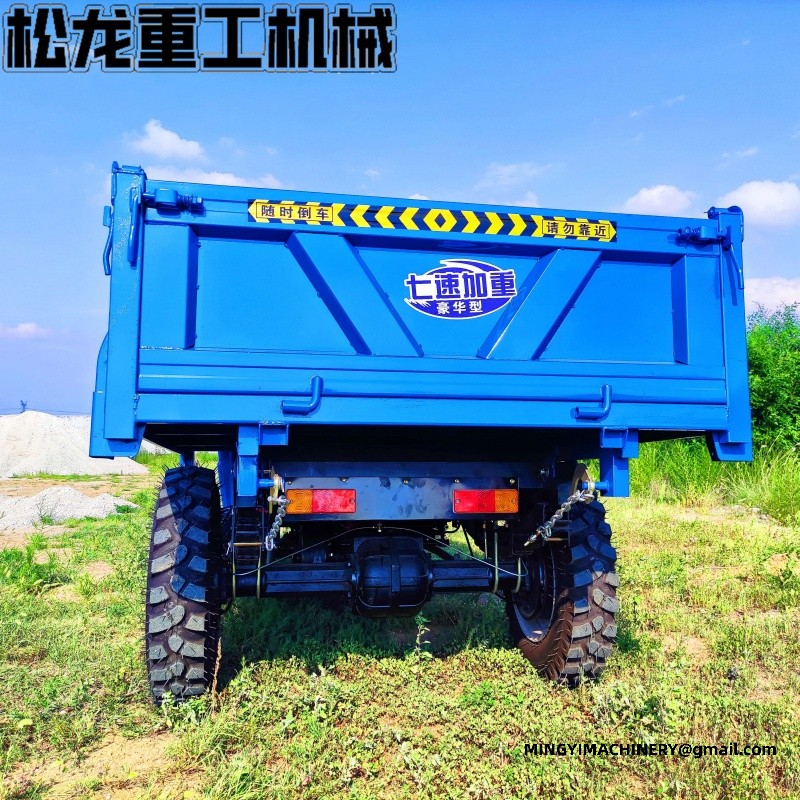
The Mingyi tricycle is a three-wheeled cargo vehicle for short-distance hauling where a truck is too big and a wheelbarrow is too slow. Diesel power, a simple mechanical layout and low ground pressure make it a practical workhorse for farms, building sites and small urban deliveries.
Typical duties include carrying harvested crops from the field, moving sand, cement and bricks on a construction site, and delivering goods through narrow streets and alleys that cannot be reached by a conventional lorry. The tipping cargo box lets the operator discharge loose material without manual unloading.
Because the machine is mechanically simple, spare parts are easy to source and roadside repairs are quick. Cab, canopy and open-platform versions are available, together with different cargo box styles for bulk material, bagged goods and farm produce. OEM branding and export packaging are supported.
Tell us what you need to carry and where it has to go, and we will point you to the right tricycle configuration.
Dust, mud and abrasive conditions around diesel cargo tricycle for farm and site haulage
Abrasive conditions shorten service intervals. Air filters, seals and any exposed sliding surface on this class of machine need attention more often in dusty or muddy work, and the extra checks prevent far more wear than the time they take. Cleaning is maintenance, not appearance. Washing the cooling surfaces and clearing packed material from the unit in daily use keeps temperatures where they should be and makes the next inspection quicker and more useful.
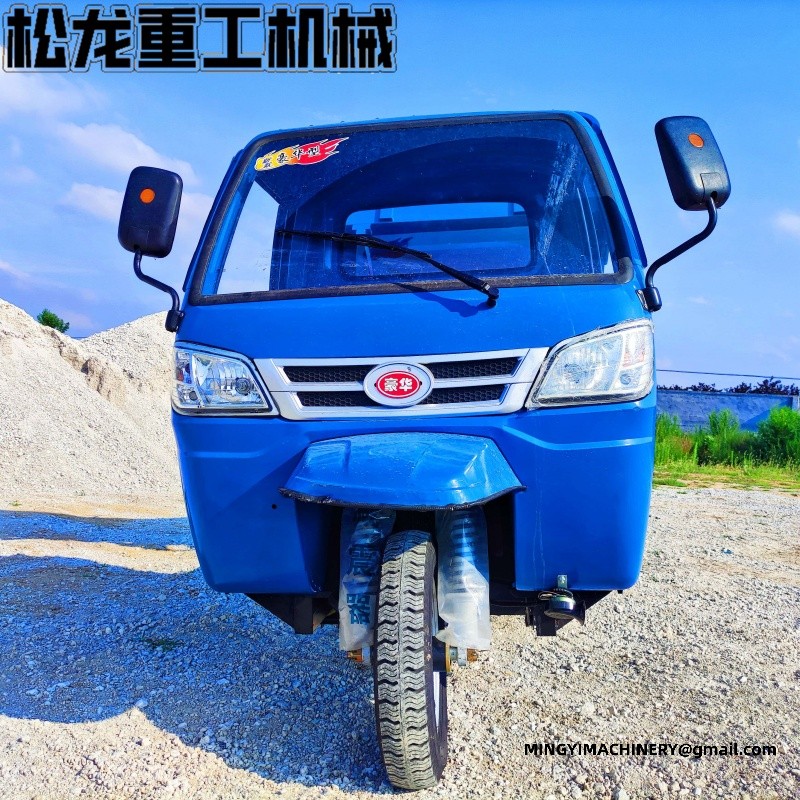
Matching diesel cargo tricycle for farm and site haulage to ground conditions
Ground decides more of the outcome than power does. Soft, wet or loose surfaces call for a wider footprint and lower ground pressure, while hard standing allows a narrower machine that turns in less space and travels faster between tasks. Traction and flotation are two separate questions. A machine of this size may have the power for a slope and still not have the grip, so the surface, not the engine rating, is usually what limits the working day.
Working hours and duty cycle of diesel cargo tricycle for farm and site haulage
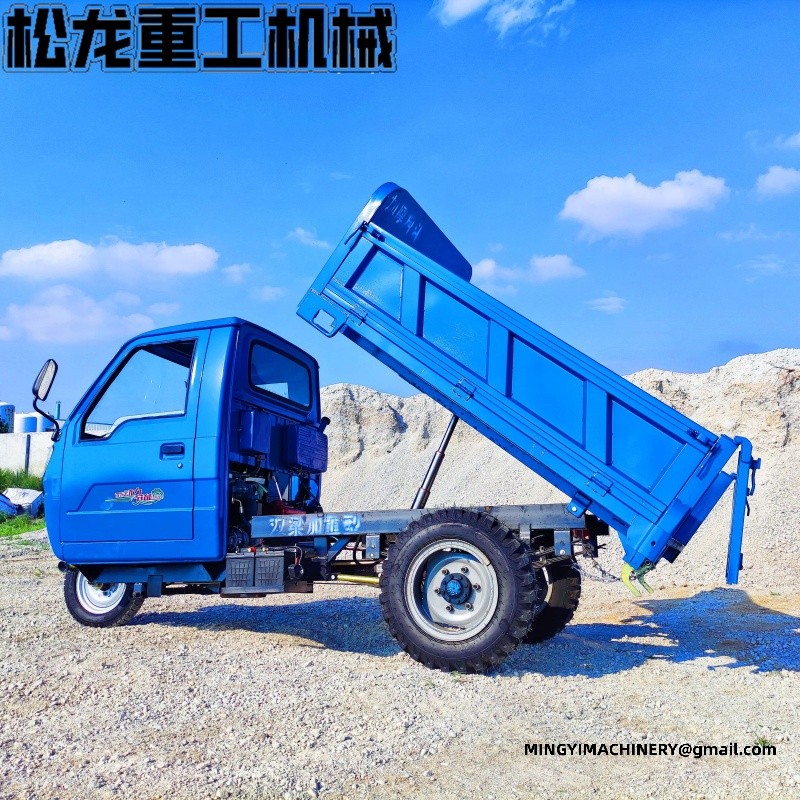
Duty cycle is the honest measure of a machine. The equipment on site working a few hours a week has different needs from one working two shifts, and the cooling, filtration and service intervals should follow the hours rather than the calendar. Hour planning helps at resale as well. The machine itself with a recorded service history and a sensible hour count is easier to sell than one with the same hours and no records, whatever its condition.
Lighting and low light operation of diesel cargo tricycle for farm and site haulage
Working after daylight changes the risk. Lighting coverage on the machine in that duty and across the working area, plus high-visibility clothing for anyone on foot, are the items that make low-light work practical. Visibility from the seat is different at night. Reflections, shadows and glare all hide detail, so the model in question used after dark benefits from clean lenses, working wipers and a slower working pace.
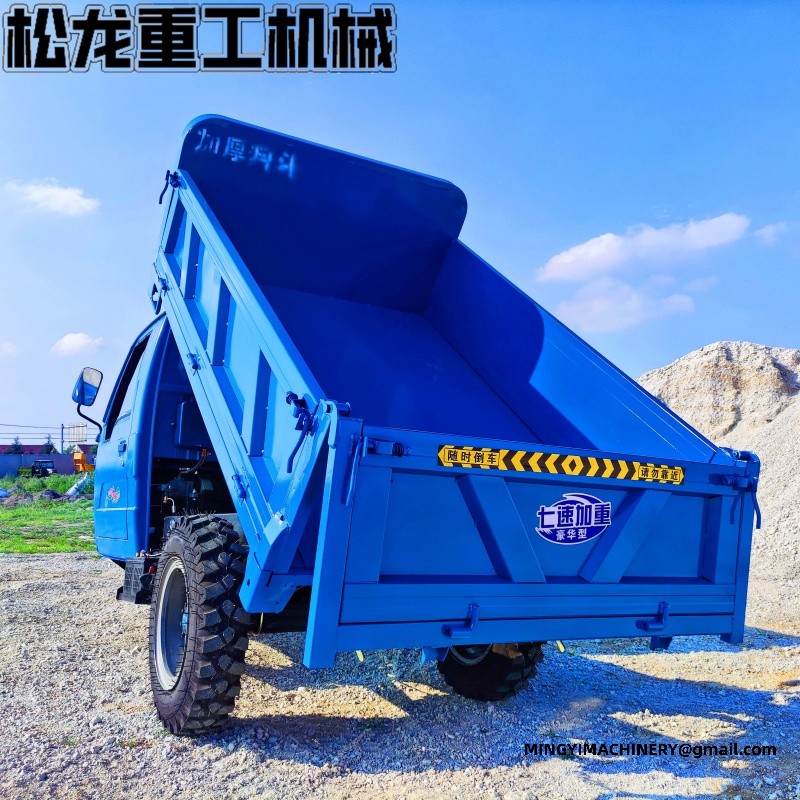
Running diesel cargo tricycle for farm and site haulage in a mixed fleet
Fleet value comes from interchangeability. Operators who can step between machines without retraining, and a workshop that stocks one set of filters, keep utilisation higher than a fleet of individually optimised units. Utilisation matters more than the purchase decision over a few years. The unit on the job that sits idle ties up the same yard space standing still as one that earns, so the buying decision should follow the hours the machine will realistically work.
Attachments and working tools for diesel cargo tricycle for farm and site haulage
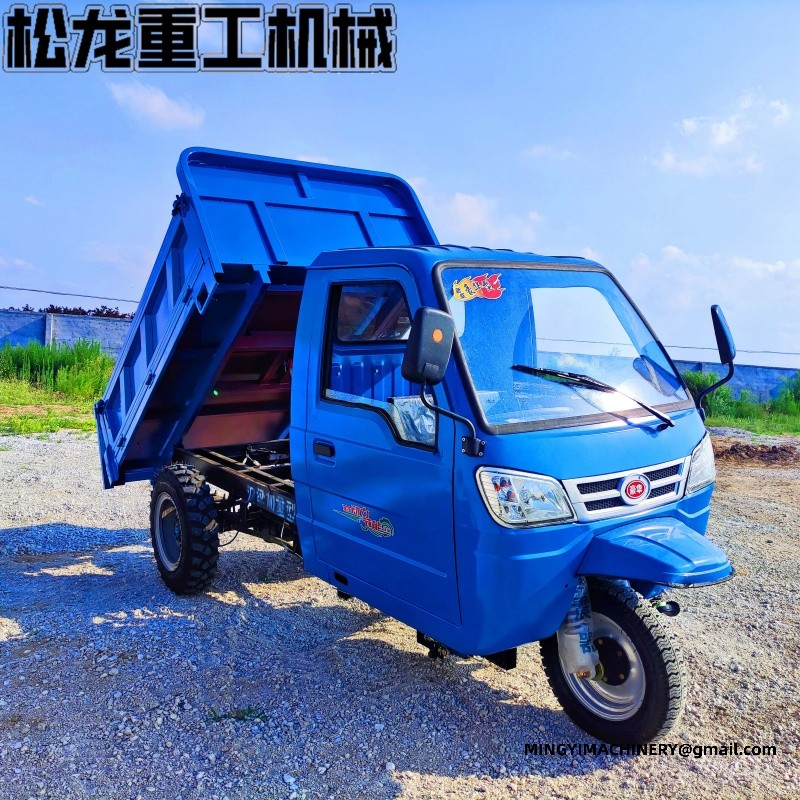
The base machine is only as useful as the tool on the end of it. Matching the attachment to the task - rather than to what arrived with the machine - is what lets one a machine built for the work cover several jobs across a week. Attachment decisions are best made before delivery. Specifying hydraulics and couplers at build time is simpler than adding them later, and it avoids the downtime of a workshop visit in the first month.
Wear items and life of diesel cargo tricycle for farm and site haulage
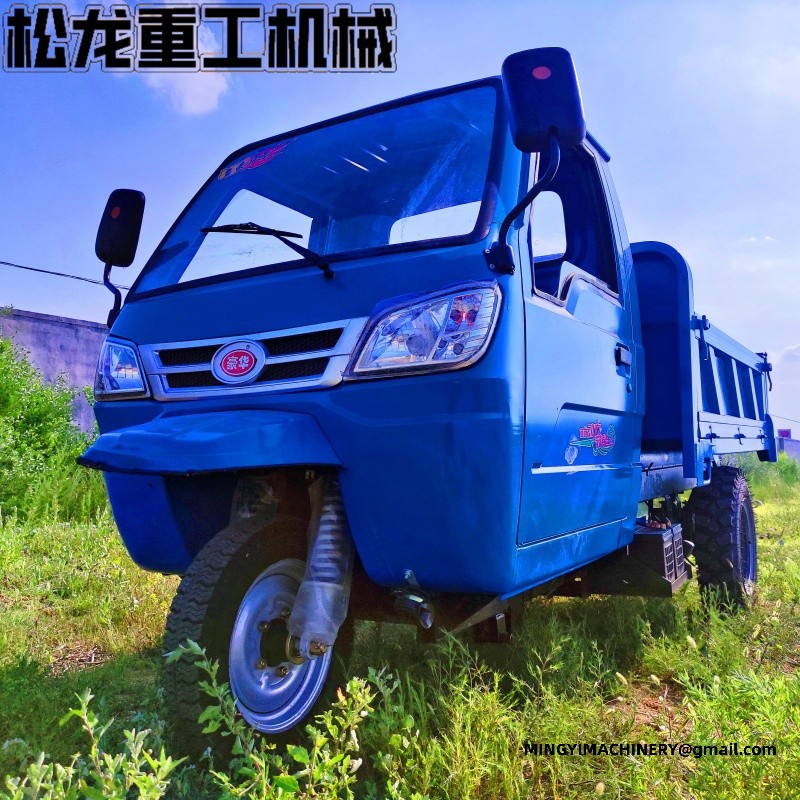
Certain parts are designed to be consumed. Knowing which items on the equipment in service are wearing parts, and roughly how long they last in the duty the machine sees, turns replacement into a plan rather than a breakdown. Replacing wear items early is usually simpler. Worn components on this class of machine load the parts they run against, so a worn part left too long often becomes a major repair.
Customisation and build options for diesel cargo tricycle for farm and site haulage
Fleet buyers often want consistency rather than variety. Specifying the unit in daily use so that several units share controls, filters and service points reduces training time and keeps the parts shelf small. Customisation should still be limited to what the work needs. Each addition to a machine of this size is another item to maintain, so the useful question is not what can be added but what the job list actually requires.
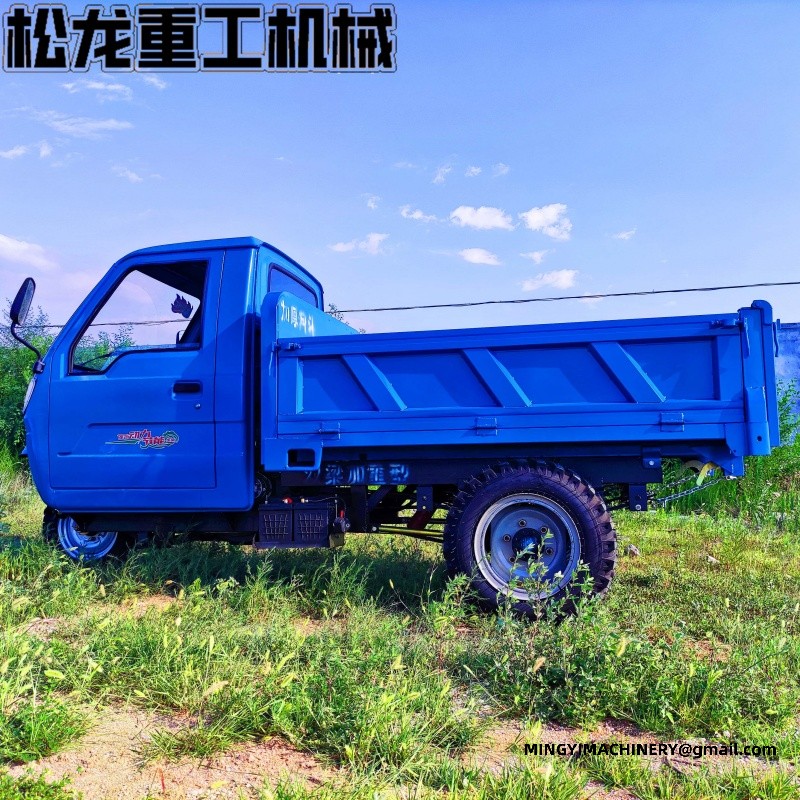
Safe working practice around the equipment on site
Most incidents around machinery come from the space rather than the machine. Exclusion zones, a clear signal person and a check on what is behind the model in question before it moves cover the large majority of the risk on a working site. Personal protective equipment and a stop rule are simple controls. Agreeing before work starts that anyone can stop the job is the single measure that most often prevents a serious incident near the machine itself.
Operator technique and familiarisation
Machine output varies more between operators than between brands. Smooth, planned movements put less load on the structure and use less fuel, and that difference is visible on the hour meter and in the service bills for the machine in that duty. Familiarisation should cover the limits as well as the controls. Knowing where the unit on the job loses stability, how it behaves at full reach, and what the warning lights mean prevents the incidents that are put down to bad luck.
Daily checks and maintenance on a machine built for the work
Most failures start as something small that a walk-around would have caught. Fluid levels, belt tension, tyre or track condition and any fresh leak are the items worth two minutes at the start of each shift on the equipment in service. A simple log helps. Recording hours, fuel and any adjustment made to this class of machine gives the workshop a history, and that history is what turns an intermittent fault into a one-visit repair instead of three.
Fitting the unit in daily use into the wider site plan
Access and storage are worth settling early. Where a machine of this size will be parked, refuelled and serviced on site affects the working day more than most specification details, and it takes nothing to plan. Sequencing avoids rework. Doing the work in the order that suits the ground and the following trades keeps the equipment on site productive and prevents finishing a task that then has to be opened up again.
Engine and power options behind the machine itself
Power unit choice is usually a parts question, not a performance one. Two buyers can order the same the model in question and sensibly choose different engines, because the right answer depends on which brand the local workshop already supports. Emissions documentation is part of engine selection for some destinations. Confirming which units can be supplied and documented for the destination country is worth doing at enquiry stage rather than after the build sheet is signed.
Cold weather and low temperature work with the machine in that duty
Cold changes how a machine starts and how it warms up. Allowing the unit on the job to reach operating temperature before loading it, and using the correct grade of oil and fuel for the season, prevents most cold-start problems. Batteries and fluids are the parts that notice the cold first. A machine built for the work kept on a maintainer through a freezing spell starts on the first turn, while one left standing is the usual cause of a lost morning.
Transporting the equipment in service to and between sites
Moving the machine is part of owning it. Overall length, width and height decide which trailer or container this class of machine fits, and a machine that needs a permit or an abnormal load escort is a machine with a delivery delay built in. Owners who work across several sites should check the transport dimensions before ordering. The unit in daily use that fits a standard trailer can be moved by any operator with a suitable vehicle, while an over-width machine narrows that choice and complicates every move.
Handover and documentation for a machine of this size
A short familiarisation session prevents the early faults. Most first-month problems on the equipment on site come from unfamiliarity with controls, limits or checks rather than from the machine itself. Keeping the manuals where they can be reached matters. The machine itself whose documents stay with the machine gets serviced on schedule; one whose paperwork was filed elsewhere tends to run on memory instead.
Export packing and shipping of the model in question
Export orders add steps that domestic buyers never see. Packed dimensions, securing points, documentation and any dismantling required are all settled before the machine in that duty leaves the factory, and each one affects the freight booking. Documentation should be agreed at order stage. The commercial invoice, packing list and any certificate required at destination are part of shipping the unit on the job, and missing papers delay clearance longer than the voyage takes.
Documents that travel with a machine built for the work
The machine is only half of what arrives. The parts book, the service schedule and the declarations that come with the equipment in service are what let the owner register, insure and maintain it without a second round of emails.
Commissioning this class of machine on site
Commissioning is where the specification meets the ground. The settings chosen for the unit in daily use are confirmed against the actual site, and the working pattern is adjusted before the machine is asked for a full day.
Pre-delivery inspection before a machine of this size leaves the shop
Inspection is a list, not a glance. Before the equipment on site is released the fluid levels, belt tension, electrical connections and safety decals are each ticked off, and anything that fails stays in the shop rather than travelling with the machine.
Wear items and spares worth holding for the machine itself
Holding spares is about downtime rather than the shelf itself. The question for the model in question is not how large the part is but how long the machine sits while it is found, and a small shelf answers that better than a fast courier.
Reading the early symptoms on the machine in that duty
Operators notice things first because they hear the machine every day. Encouraging the person on the unit on the job to report small changes, and acting on them, is the most effective maintenance programme there is.
Visibility and blind spots around diesel cargo tricycle for farm and site haulage
Mirrors, cameras and a signal person cover what the seat cannot. Walk the route before the first load and mark the corners where sight is lost.
Reverse alarms and beacons fail quietly, and testing them takes a minute whenever the machine changes site.
Dust, low sun and rain all shorten sight lines, and the sensible response is to slow the cycle rather than to work on memory.
Night work and lighting on diesel cargo tricycle for farm and site haulage
Night work changes the job more than most specification lines do, because light coverage, glare and shadow decide how much of the site the operator can actually read.
Work lamps should cover the working area and the travel path separately, since a beam set for loading usually leaves the route dark.
Fatigue management matters more after dark, so shorter cycles, a second operator on long runs and a fixed break pattern are part of the plan.
Related pages
skid-steer loader attachments and applications · rubber track crawler carrier for soft ground · rubber to steel track conversion · PRODUCTS









