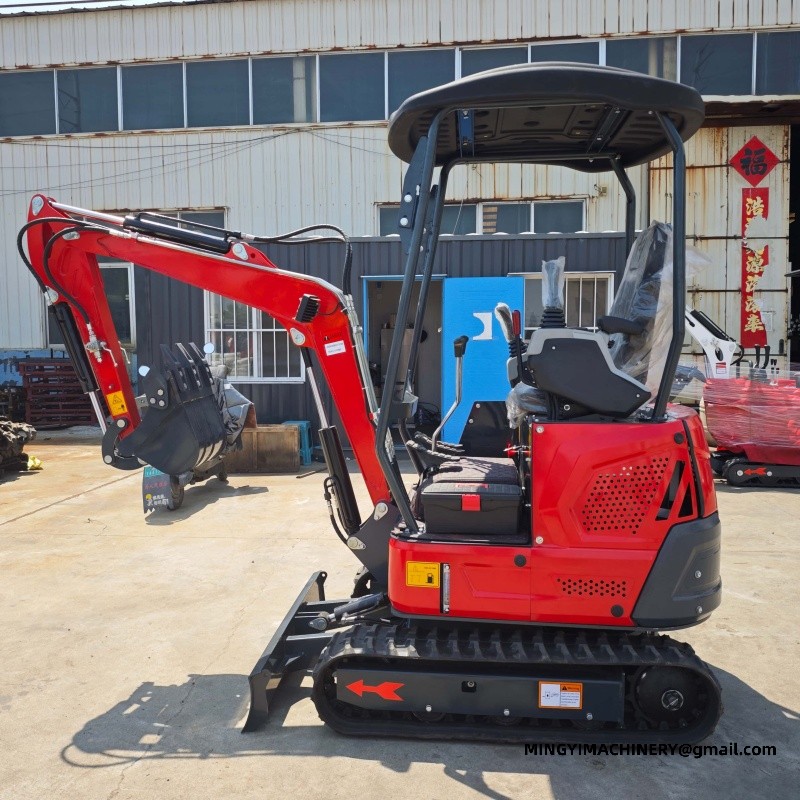
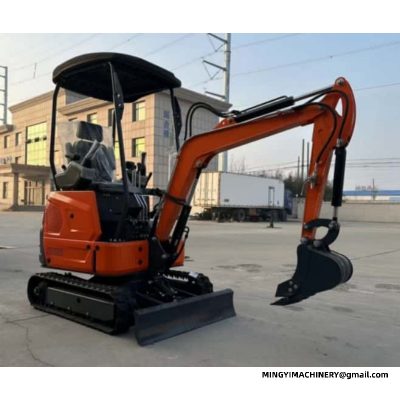
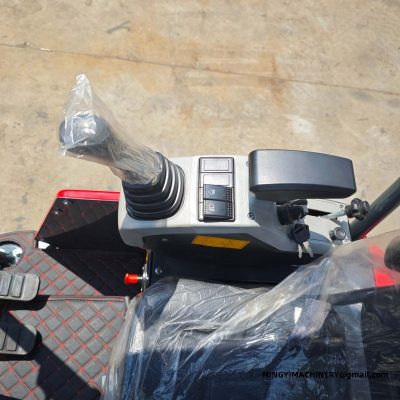
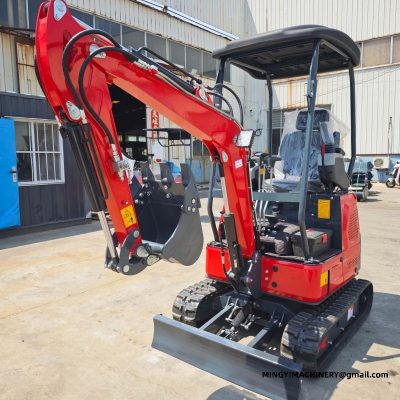
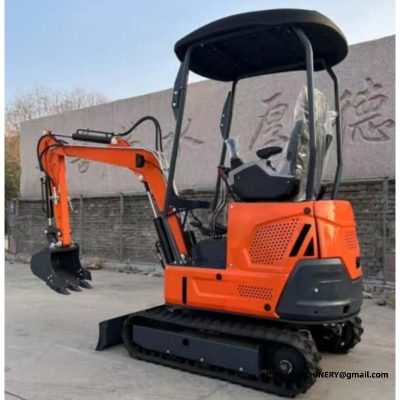
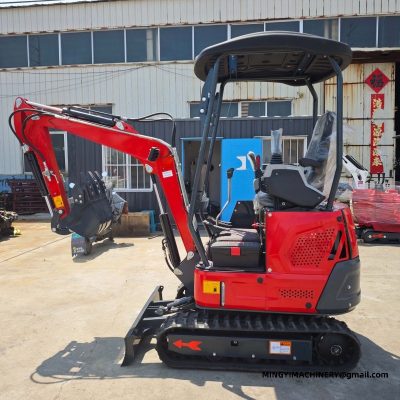
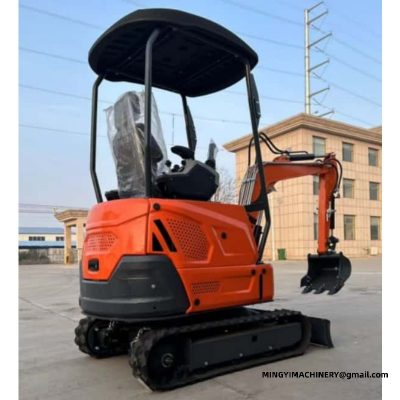
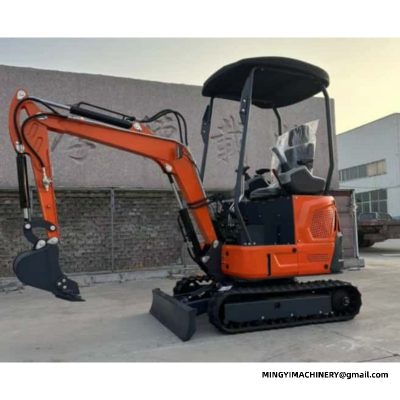
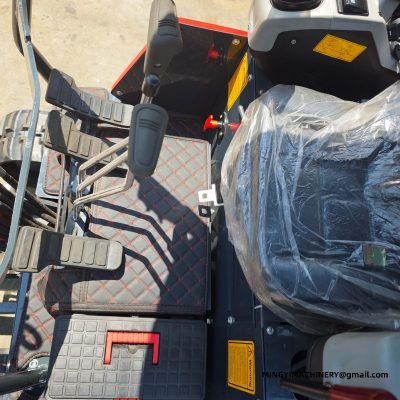
The jobs that fill a small contractor's diary are short, varied and rarely deep. A footing here, a drainage run there, a tree to take out and a fence line to open.
A mini excavator sized for that pattern of work is one that can be moved easily, set up quickly and used across all of it without a change of machine.
Sizing for short, mixed jobs
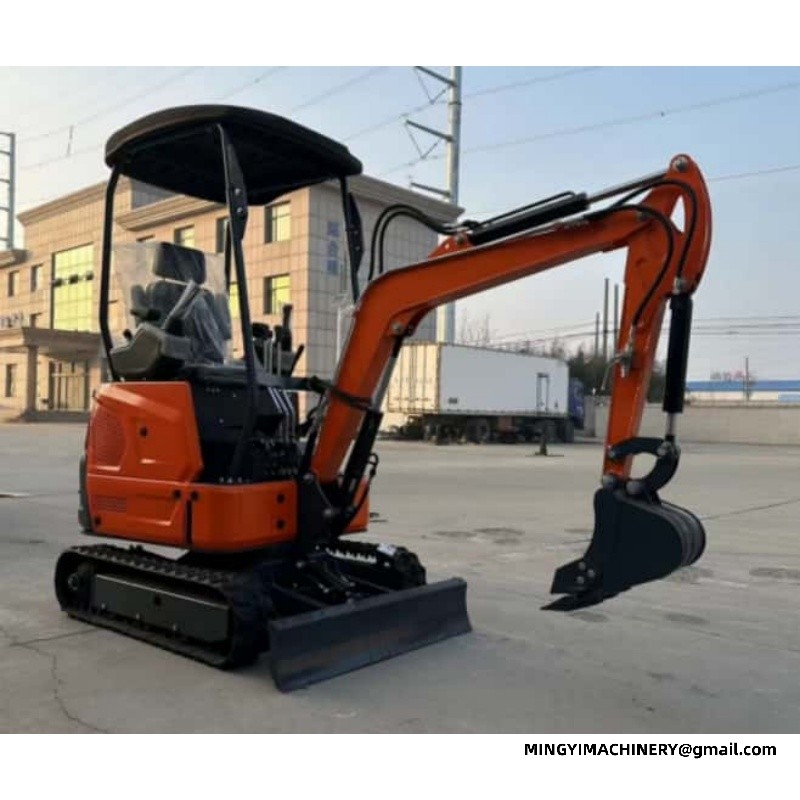
The compact classes dominate this work because they tow behind a standard vehicle, pass through a domestic gate and can be working within minutes of arriving.
Depth capability still has to be adequate for footings and drainage, which is why the mid-compact sizes are the most commonly chosen.
Covering several tasks with one machine
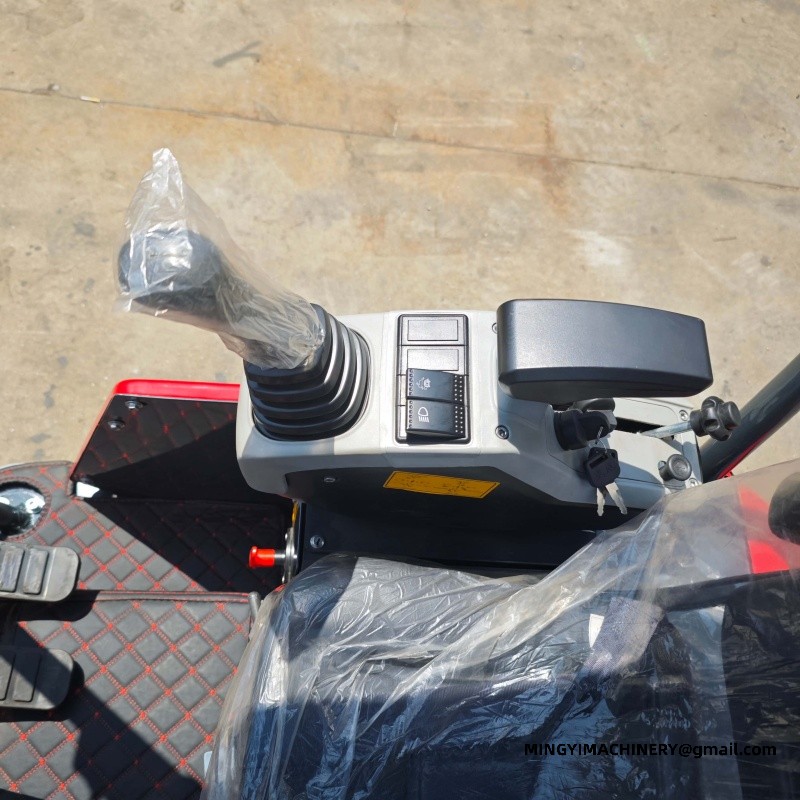
A quick coupler and two or three attachments let the machine dig, break, drill and handle material across the working day.
That versatility is what makes a single machine viable for a contractor whose jobs change from week to week.
Tell MINGYI the jobs you take on most and how you move the machine, and we will confirm the size that fits.
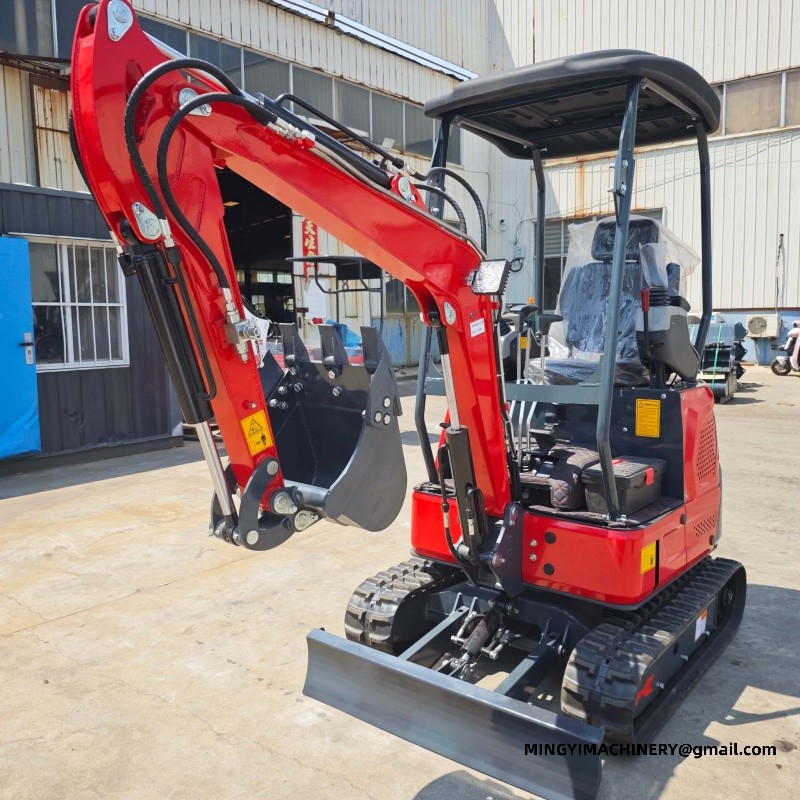
E-mail : Specifying this class of machine against a job list The practical way to specify is to write the job list first: the narrowest access, the deepest trench, the heaviest tool and the surfaces the machine must cross. The unit in daily use is then matched to those four numbers. Buyers who skip this step either over-buy or under-buy. A machine of this size specified only from machine size tends to arrive without the coupler, the circuits or the track type the work actually needs. Export packing and shipping of mini excavator for varied small jobs Export documentation, decals and paint are settled before packing. Asking for them with the machine itself order avoids a second handling session and keeps the machine on the booked vessel. Buyers who import regularly plan the spare parts with the machine. The equipment on site ordered with a wearing-parts kit arrives ready to work rather than ready to wait for the first service interval. Working near live services with mini excavator for varied small jobs Digging near water, gas and cable is a precision job. The model in question is used here because the operator can work in short controlled cuts and because the machine can be positioned without driving over the run being exposed. Utility crews specify the machine in that duty with a narrow bucket and good visibility for exactly this reason: the machine has to stop at the service, not at the edge of the operator's view. Matching mini excavator for varied small jobs to ground conditions Hard and abrasive ground reverses the specification. On rock, demolition rubble or sharp gravel, steel tracks with rubber blocks on the unit on the job survive conditions that cut a rubber belt quickly. Mixed sites are common and argue for a compromise specification. Most buyers choose rubber for a machine built for the work and accept the wear, unless the majority of the work is on material that will damage it. Parts, service and support for mini excavator for varied small jobs Support after delivery is a parts question. Wearing items for the equipment in service - filters, belts, track components, bucket teeth and pins - are the items a buyer should plan to hold before the first service interval. Engine parts availability usually drives the engine choice. This class of machine built with an engine the local network already carries is serviced from stock rather than from an international order. Trailering and moving mini excavator for varied small jobs Transport weight and width decide whether a machine needs a specialist haulier. The unit in daily use sized to travel on a standard plant trailer behind a suitable vehicle moves with the crew rather than on a scheduled low loader. Detachable components reduce transport length. A machine of this size built with a removable arm section or a folding step fits a shorter trailer and may avoid an oversize movement permit. Noise, dust and working near occupied buildings Work near housing or occupied premises brings constraints that open sites do not. Start times, exhaust condition and how often the equipment on site needs to reverse are the practical limits that neighbours notice. Dust control is often part of the same conversation. Water, timing and work sequence reduce what leaves the site, and agreeing them in advance keeps the machine itself working rather than stopped after a complaint. Boom configuration for the model in question Extended and offset boom configurations change reach and working range. The machine in that duty with a longer arm reaches further but lifts less at full extension, so the specification is set against the deepest and furthest point on the job list. Detachable boom sections are used where transport length matters. The unit on the job that has to travel on a standard trailer can be built so the arm comes off for the road and goes back on at the site. Hydraulic circuits on a machine built for the work Auxiliary hydraulic lines are what let a machine drive a tool rather than only a bucket. The equipment in service specified with the right circuits and flow runs a breaker or an auger without an add-on power pack bolted to the frame. Flow and pressure are matched to the tool, not to the machine size. Asking for the attachment list first means this class of machine leaves the factory with circuits that suit the heaviest tool the buyer intends to run. Lifting and material handling with the unit in daily use Lifting with a machine built to dig needs a plan. The load, the radius and the ground under the equipment on site all matter, and the safe figure is the one on the chart rather than the one that looks possible. Stability changes with reach. A load a machine of this size handles close in becomes a different proposition at full extension, so the working radius belongs in the plan before the lift rather than during it. Attachments that turn the machine itself into several machines The base machine is a carrier; the tool on the end of the arm decides the task. The model in question fitted with a toothed bucket digs, and the same machine with a breaker, an auger or a grab does work that would otherwise need a second unit on site. Attachment lists are best written before delivery. Specifying the machine in that duty with the tools the job list needs avoids the work and delay of adding hydraulics later, and a quick coupler makes the swap a few minutes instead of a workshop job. Quick coupler practice on the unit on the job A quick coupler is the single option that changes how a machine is used day to day. Fitted to a machine built for the work, it turns an attachment change from a two-person workshop job into a task the operator does alone in minutes. For a fleet that shares attachments between machines, a common coupler standard matters more than the coupler brand. The equipment in service that picks up the same tools as the larger machines keeps the rack usable across the yard. Interior and light demolition with this class of machine Breaking out a floor slab, a wall footing or a concrete step is routine work for the unit in daily use with a breaker. The machine is small enough to work inside and heavy enough to run the tool at a practical rate. Dust, debris clearance and floor loading all argue for a compact machine indoors. A machine of this size spreads its weight over a wider track footprint than a wheeled machine of similar capacity. Working the equipment on site through the seasons Seasonal planning smooths the workload. Machines that are busy for a few months and idle for the rest benefit from a service slot in the quiet period, and the machine itself prepared in the off-season starts the busy months reliably. Heat and dust are as limiting as rain. Air intake condition and cooling cleanliness decide how the model in question behaves in a dry season, and both are checked in a minute rather than repaired later. Specification data for the machine in that duty Buyers comparing the unit on the job usually start from four numbers - weight, digging depth, reach and transport width - because those are the ones that decide whether the machine can be delivered and whether it can do the job once it is there. Figures are factory figures and are confirmed on the build sheet for a machine built for the work. Where a job sits between two models, the larger machine usually takes less time than the smaller one spends on rework. Wear items and spares worth holding for the equipment in service Holding spares is about downtime rather than the shelf itself. The question for this class of machine is not how large the part is but how long the machine sits while it is found, and a small shelf answers that better than a fast courier. Keeping a service record for the unit in daily use Patterns show up in the record before they show up in the machine. Rising oil consumption or a filter that keeps blocking on a machine of this size is obvious on paper long before it becomes a failure on site. Rubber tracks suit paved and landscaped ground because they spread the machine weight and leave the surface intact. Steel tracks with rubber blocks are specified where the ground is rougher or the working day is longer, and the choice can be made per machine rather than accepted as a factory default. Undercarriage selection is a ground question, not a preference question. The equipment on site running on finished paving needs rubber; the same machine on demolition rubble or rock wears rubber quickly, so steel with rubber blocks becomes the better answer over a full season.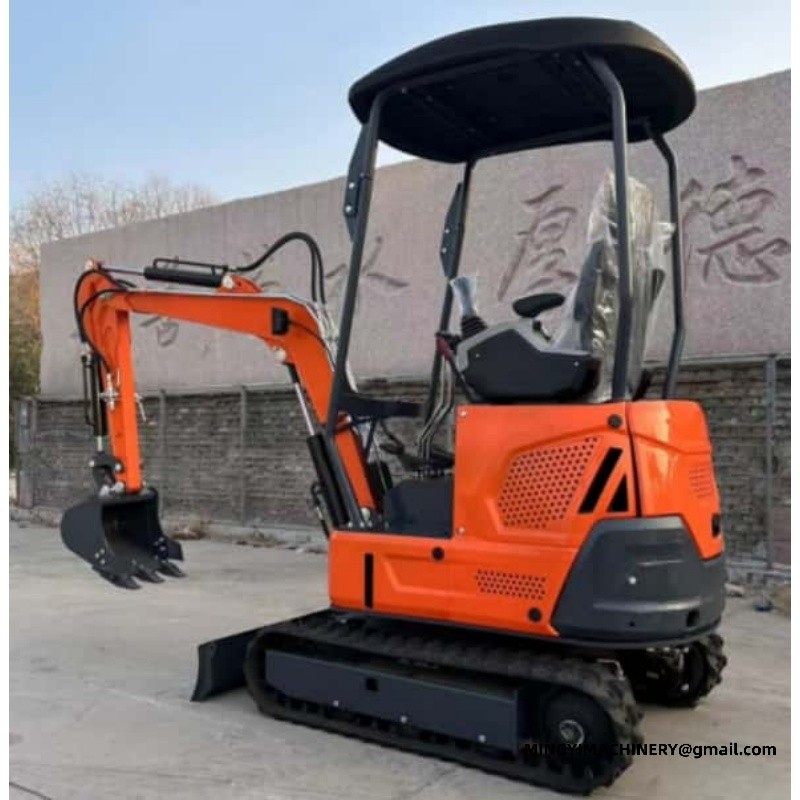
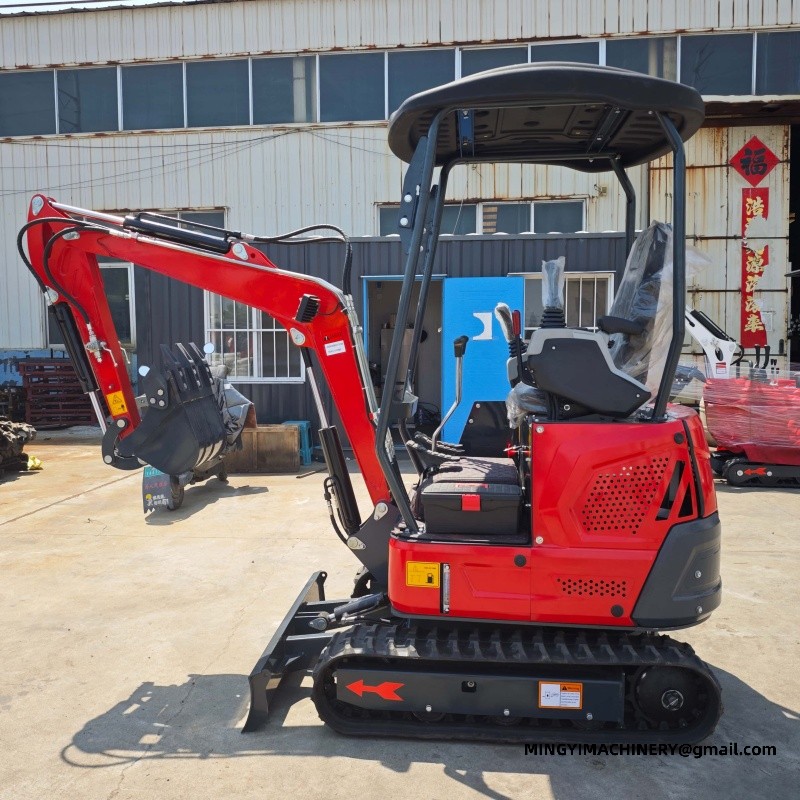
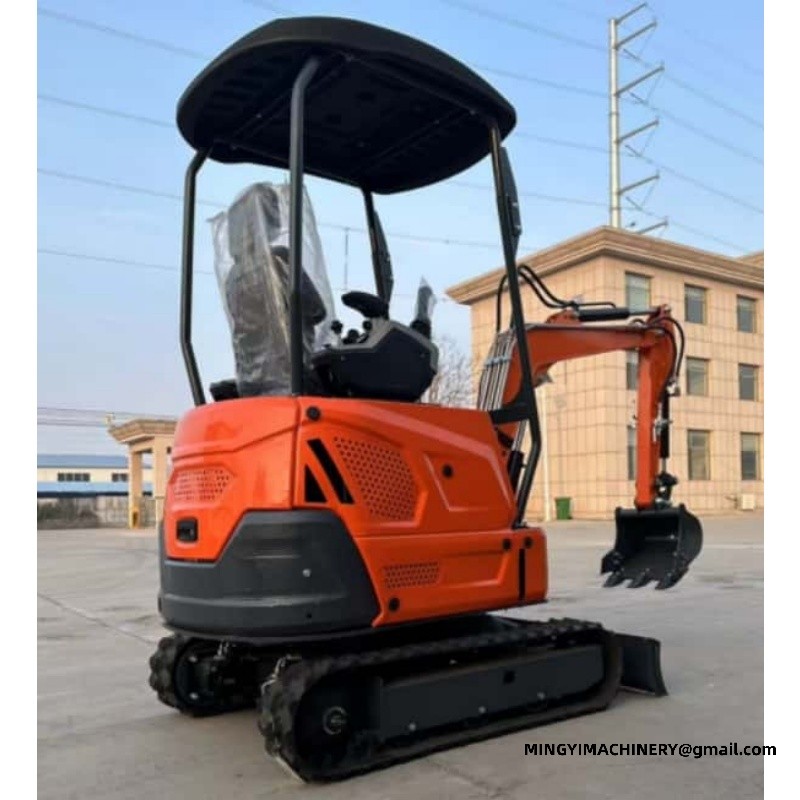
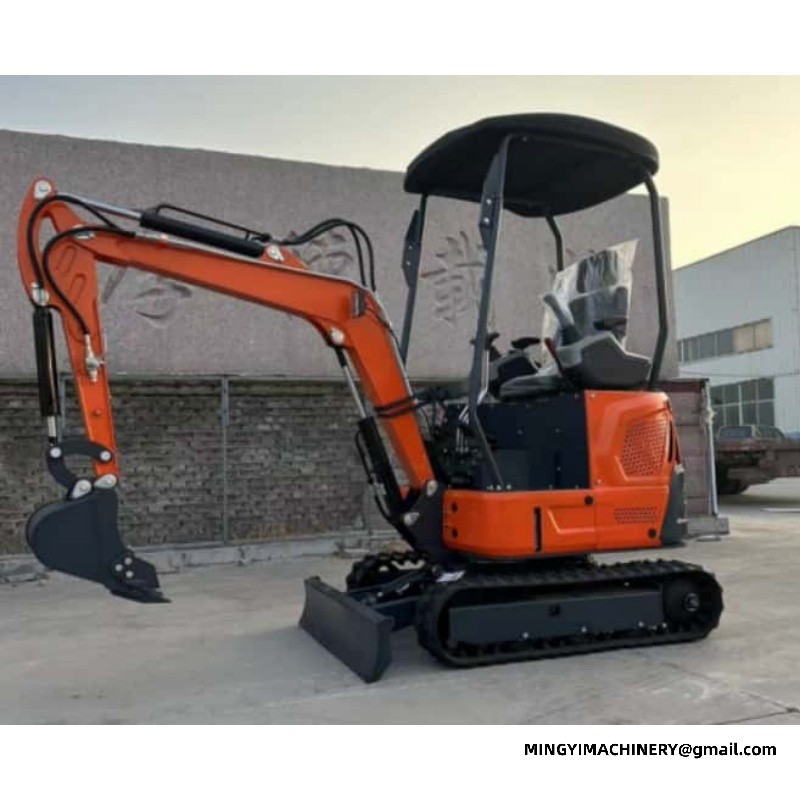
Reference specification — mini excavator range 15W 20-1WL 30-2W 30-2L Operating weight 1400 kg (3086.47 lb) 1900 kg (4188.78 lb) 2700 kg (5952.48 lb) 2400 kg (5291 lb) Transport size (L×W×H) 2200 × 930 × 2250 mm 2550 × 1100 × 2200 mm 3000 × 1100 × 2700 mm 2800 × 1500 × 2500 mm Max digging depth 1630 mm (64.17 in) 1800 mm (70.87 in) 2200 mm (86.61 in) 2200 mm (86.61 in) Max digging height 2750 mm (108.27 in) 2820 mm (111.02 in) 3000 mm (118.11 in) 2900 mm (114.17 in) Max dumping height 1960 mm (77.17 in) 2050 mm (80.71 in) 2000 mm (78.74 in) 2100 mm (82.68 in) Max digging radius 2900 mm (114.17 in) 3050 mm (120.08 in) 3800 mm (149.61 in) 3330 mm (131.1 in) Max digging distance 2100 mm (82.68 in) 2300 mm (90.55 in) 3050 mm (120.08 in) 2700 mm (106.3 in) Minimum turning radius 1300 mm (51.18 in) 1450 mm (57.09 in) 1750 mm (68.9 in) 1555 mm (61.22 in) Travel speed 3 km/h (1.86 mph) 5 km/h (3.11 mph) 7 km/h (4.35 mph) 7 km/h (4.35 mph) Gradeability 30° 30° 30° 30° Fuel consumption 1-1.3 L/h (0.264—0.343 gal) 2-3 L/h (0.528—0.793 gal) 2-3 L/h (0.528—0.793 gal) 2-3 L/h (0.528—0.793 gal) Fuel tank capacity 10 L (2.64 gal) 16 L (4.23 gal) 16 L (4.23 gal) 16 L (4.23 gal) Hydraulic oil tank 16 L (4.23 gal) 18 L (4.76 gal) 20 L (5.28 gal) 18 L (4.76 gal) Dozer blade lift height 180 mm (7.09 in) 180 mm (7.09 in) 230 mm (9.06 in) 230 mm (9.06 in) Dozer blade drop depth 210 mm (8.27 in) 210 mm (8.27 in) 280 mm (11.02 in) 280 mm (11.02 in)
LINE ( ID ): mingyicn
Visibility and blind spots around mini excavator for varied small jobs
A machine working in a yard with people on foot needs a rule about who moves first, agreed before the shift rather than during it.
Glass, wipers and mirrors are safety items rather than comfort items, and they belong on the daily walk-around with the lights and the horn.
Dust, low sun and rain all shorten sight lines, and the sensible response is to slow the cycle rather than to work on memory.
Related pages
mini excavator for hard landscaping · mini excavator for small builders · mini excavator hammer for demolition · PRODUCTS









