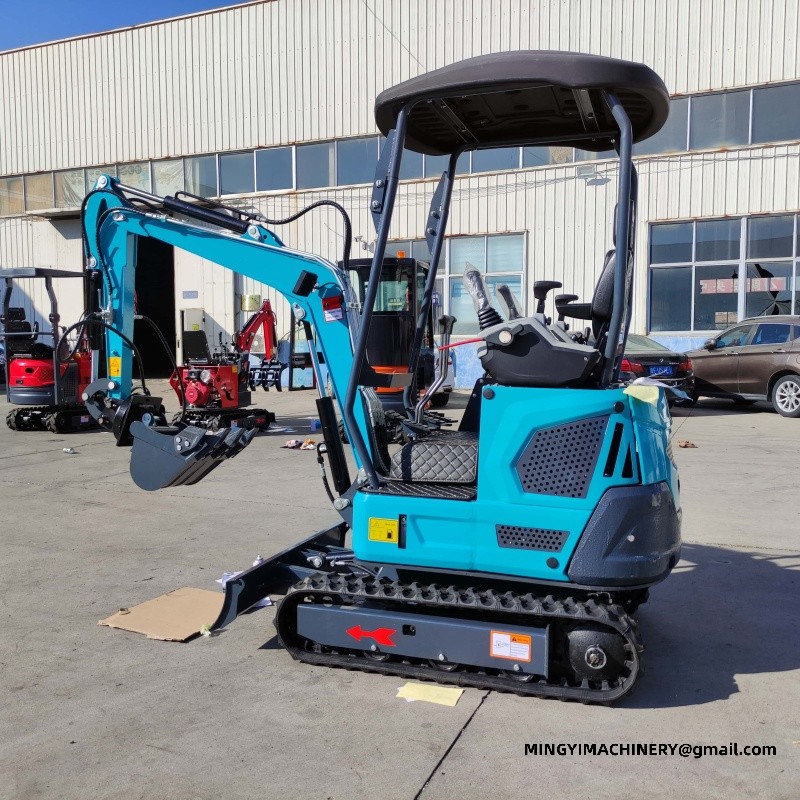
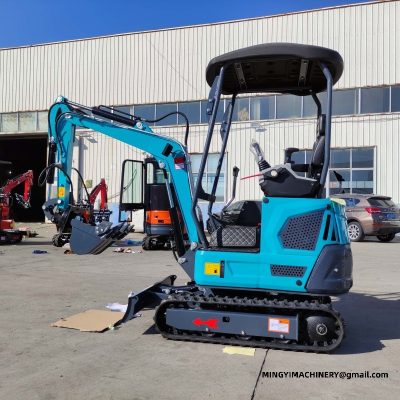
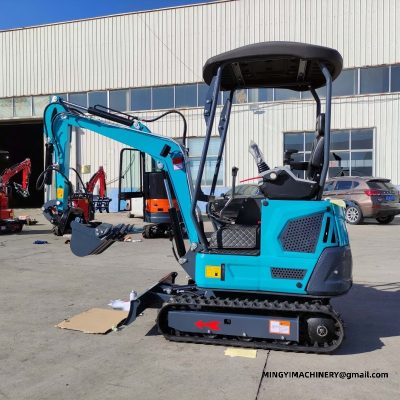
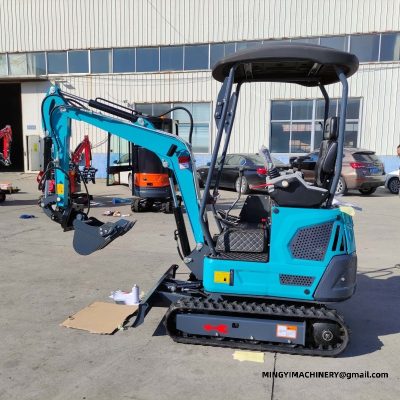
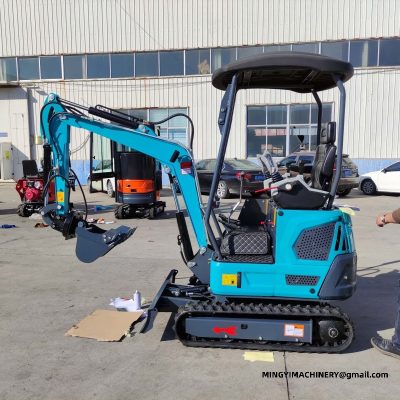
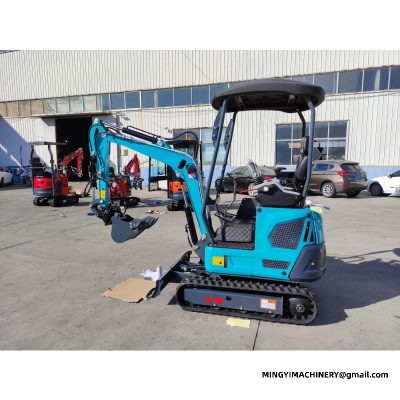
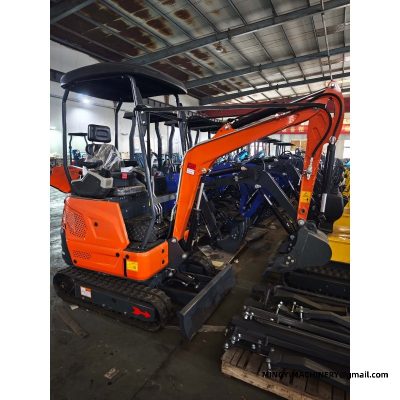
A small builder's excavator earns its keep by covering the whole of a job rather than one stage of it. Footings, drainage, services, backfill and clearance all fall to the same machine.
MINGYI builds compact excavators that suit that pattern of work, sized for domestic and small commercial building rather than for bulk earthmoving.
The work a small builder needs to cover
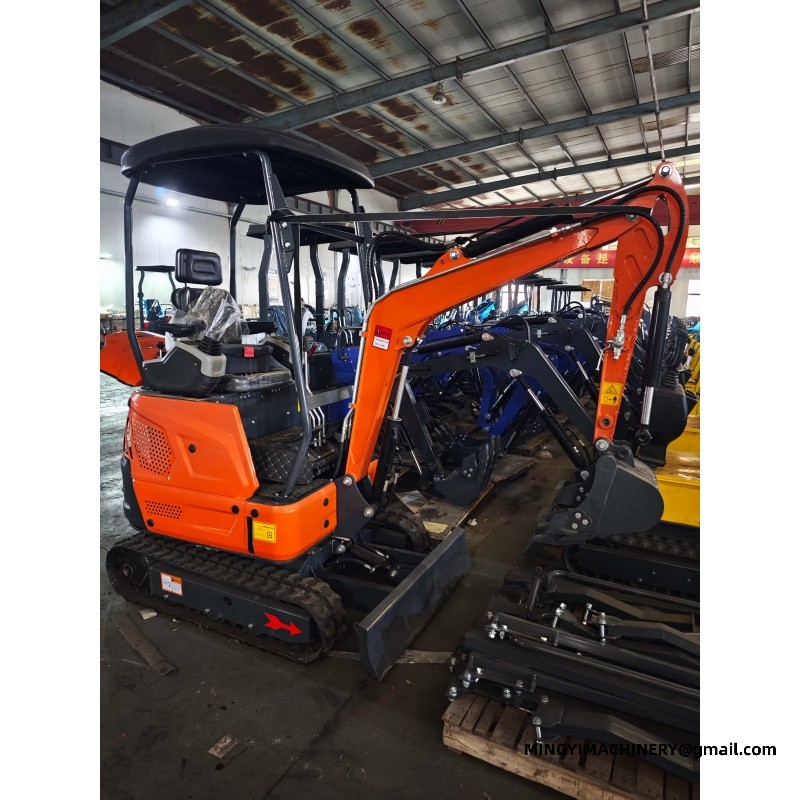
Strip footings and pad foundations, service and drainage trenches, and the excavation and backfill around a new build or extension.
Site clearance and levelling follow, along with the small earthworks that fill the gaps between trades.
Choosing for a small building firm
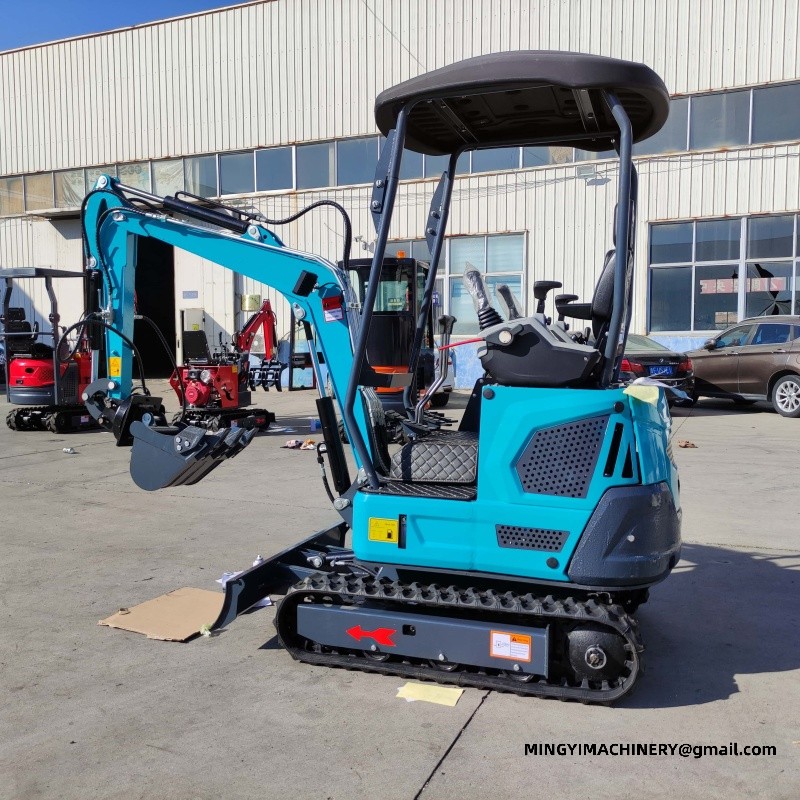
The machine has to tow or travel without a specialist vehicle, fit through domestic access, and be simple enough to service between jobs.
An attachment set covering digging, breaking and grading lets one machine absorb the whole project.
Tell MINGYI the kind of building work you do and how you move the machine, and we will confirm the size and configuration.
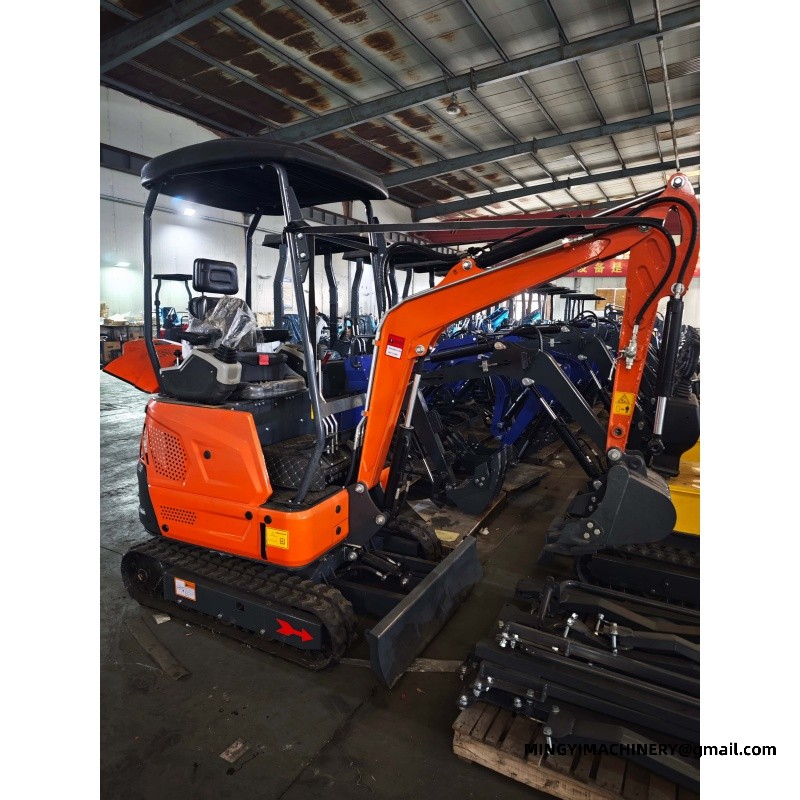
E-mail : Operator technique for this class of machine Output on a compact machine comes from placement rather than power. An experienced operator keeps the unit in daily use working inside the swing arc, positions once and digs a full run instead of repositioning for every bucket. The second habit is tool discipline. Running a machine of this size with the right bucket width for the trench means less spoil, less reinstatement and a cleaner job than a wide bucket and a lot of trimming. Municipal and public works with mini excavator for small builders Municipal crews work on streets, footpaths and parks where the public is present. The equipment on site is specified because it occupies little space, works inside a small exclusion zone and can be moved on a standard trailer. Drainage repair, tree planting, footway reconstruction and cemetery work are all within the range of the machine itself. The jobs are small individually and continuous across the year. Specifying mini excavator for small builders against a job list Buyers who skip this step either over-buy or under-buy. The model in question specified only from machine size tends to arrive without the coupler, the circuits or the track type the work actually needs. Useful information to send with an enquiry includes working width, required digging depth, ground conditions and the attachment set. Those four items let the factory specify the machine in that duty that fits rather than a generic build. Trenching work with mini excavator for small builders Trench quality depends on the bucket width and the operator, not on machine size. The unit on the job with a narrow bucket and a swing boom cuts a clean run along a boundary without disturbing the ground either side of it. Depth control matters more on service work than speed. A machine built for the work working beside live services is chosen because it can be placed precisely and stopped instantly, which is what the job actually requires. Export packing and shipping of mini excavator for small builders Machines leave the factory prepared for container or flat rack shipment. The equipment in service is normally shipped with the attachment set and the spare parts list agreed in advance so the container is planned once. Export documentation, decals and paint are settled before packing. Asking for them with the this class of machine order avoids a second handling session and keeps the machine on the booked vessel. Quick coupler practice on mini excavator for small builders Couplers are specified early because they affect the arm and the hydraulic kit. Adding one to the unit in daily use after delivery means new pins, new hoses and a fitment session; adding it at build time is a line on the sheet. For a fleet that shares attachments between machines, a common coupler standard matters more than the coupler brand. A machine of this size that picks up the same tools as the larger machines keeps the rack usable across the yard. Running mini excavator for small builders in a rental fleet The specification that rents best is usually the simplest one to explain at the counter. The equipment on site with rubber tracks, a canopy and a coupler covers the majority of weekend and short-term hires. Fleet buyers also weigh transport. The machine itself that a customer can tow on a normal licence and a standard trailer is a hire that does not need a delivery truck, which changes how often it goes out. Working on slopes and uneven ground with the model in question Ground that looks level often is not. The machine in that duty crossing a filled trench, a soft edge or a hidden void behaves differently from one on undisturbed ground, and those are the places worth walking before driving. Planning the direction of travel helps. Working so that the unit on the job is stable under load and not required to turn on a slope is a decision made before the job starts, not a correction made during it. Hydraulic circuits on a machine built for the work Flow and pressure are matched to the tool, not to the machine size. Asking for the attachment list first means the equipment in service leaves the factory with circuits that suit the heaviest tool the buyer intends to run. Hydraulic specification is easier to settle at build time than to correct later. This class of machine delivered without auxiliary lines can still dig, but every additional tool becomes a retrofit project. Working near live services with the unit in daily use Digging near water, gas and cable is a precision job. A machine of this size is used here because the operator can work in short controlled cuts and because the machine can be positioned without driving over the run being exposed. The risk on utility work is not machine power but machine placement. The equipment on site that fits the working width leaves the surrounding ground undisturbed, which keeps the trench stable and the reinstatement small. Hiring versus owning the machine itself The choice follows the hours. Work that fills a few weeks a year is usually better hired, while the model in question that would be on site most weeks starts to justify ownership once the transport and booking time is counted. Availability is part of the decision. Owning the machine in that duty means it is there on the day the ground is ready; hiring means competing for the same machine at the same time as everyone else in the season. Working the unit on the job through the seasons Weather decides which days are productive. Rain turns some ground unusable and cold changes how a machine built for the work starts and warms up, so planning the wet months around maintenance is more useful than planning around output. Seasonal planning smooths the workload. Machines that are busy for a few months and idle for the rest benefit from a service slot in the quiet period, and the equipment in service prepared in the off-season starts the busy months reliably. OEM and fleet customisation of this class of machine Customisation also covers the specification sheet. A fleet buyer may want every machine of this size delivered with the same coupler, the same engine and the same tool kit so training and parts stock stay simple. Documentation can be prepared to suit the importer. Manuals, parts books and decal sets for the unit in daily use can be supplied with the buyer's own branding where the order size justifies it. Working the equipment on site in confined spaces Clearance above matters as much as around. Door heights, pipework and overhead services set the limit for the machine itself indoors, and measuring them first avoids a machine that arrives and cannot be used. Ventilation is the other indoor constraint. Running the model in question inside a closed structure needs air movement, and that is a planning item rather than something to discover after the first hour. Road and paving work for the machine in that duty Patching and reinstatement favour a machine that can work in a lane closure. The unit on the job occupies less road than a full-size excavator, which reduces the traffic management needed and the length of the closure. Breaking out a failed slab and backfilling the same hole in one visit is normal work for a machine built for the work. The breaker and the bucket come off the same coupler, so the road is reopened the same day. Specification data for the equipment in service The figures below are the factory figures for the models most often matched to this class of machine. They are the numbers to check against the site: the depth the work needs, the reach from one position, and the width of the narrowest point on the route in. Figures are factory figures and are confirmed on the build sheet for the unit in daily use. Where a job sits between two models, the larger machine usually takes less time than the smaller one spends on rework. Commissioning a machine of this size on site Transport shakes things loose. A short check of the equipment on site after the crate is opened, covering the same points the pre-delivery inspection covered, is the most useful insurance available on delivery day. Handover and getting familiar with the machine itself The first day with a new machine sets the pattern for the next five years. Handover for the model in question covers the control layout, the daily check points and the limits the operator needs to know before the first real load is lifted or carried. Daily maintenance on the machine in that duty is a short list: engine oil level, coolant, track tension, hydraulic oil level and a look at the hoses. Ten minutes at the start of the shift prevents most of the failures that stop a machine. Track tension is the item most often neglected. The unit on the job run with slack tracks wears the undercarriage and can throw a track on a turn; run too tight, the same components wear from the other direction.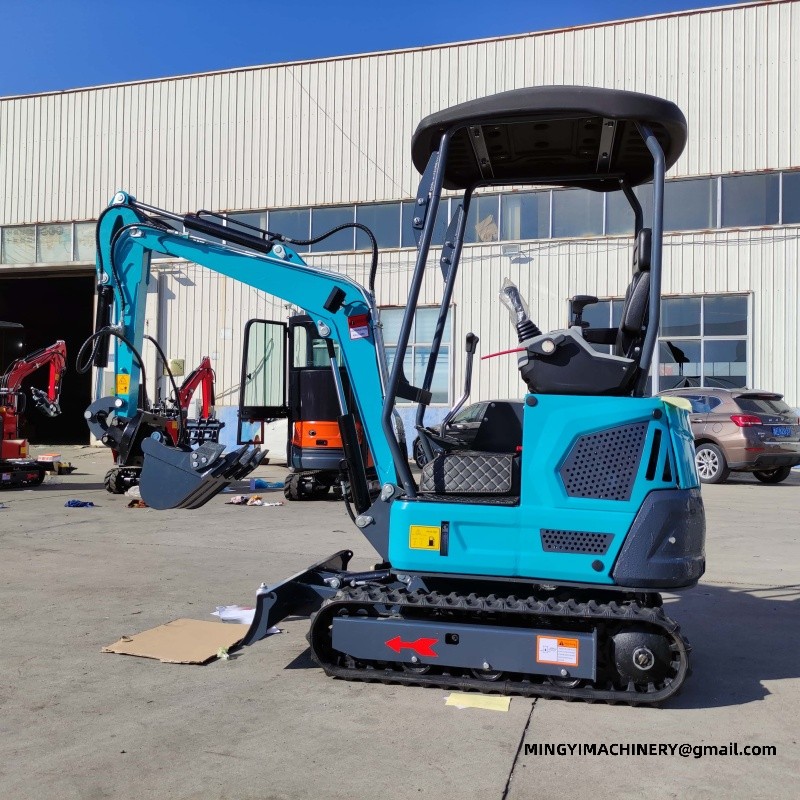
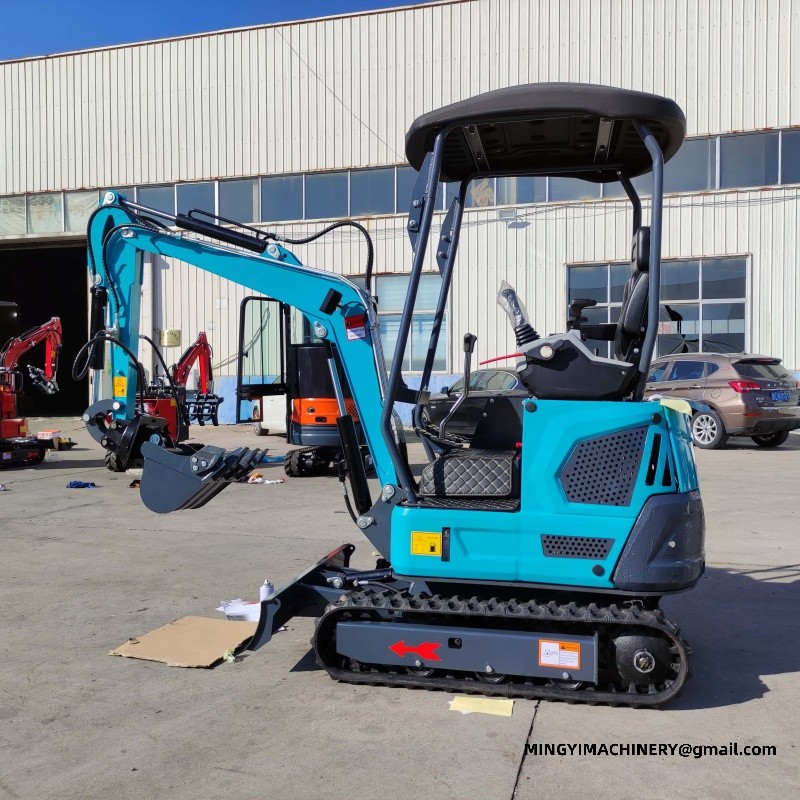
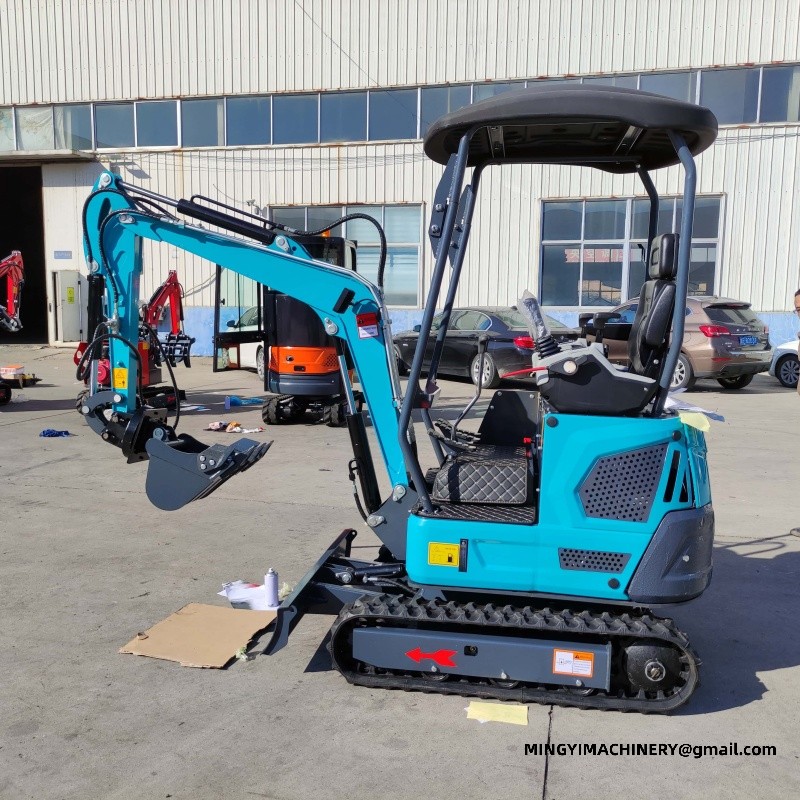
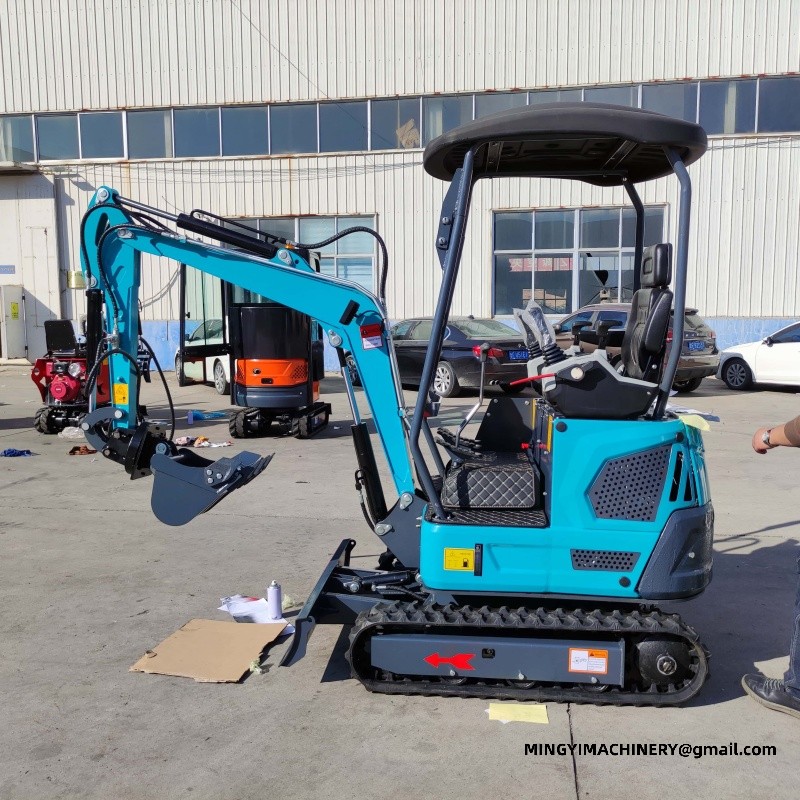
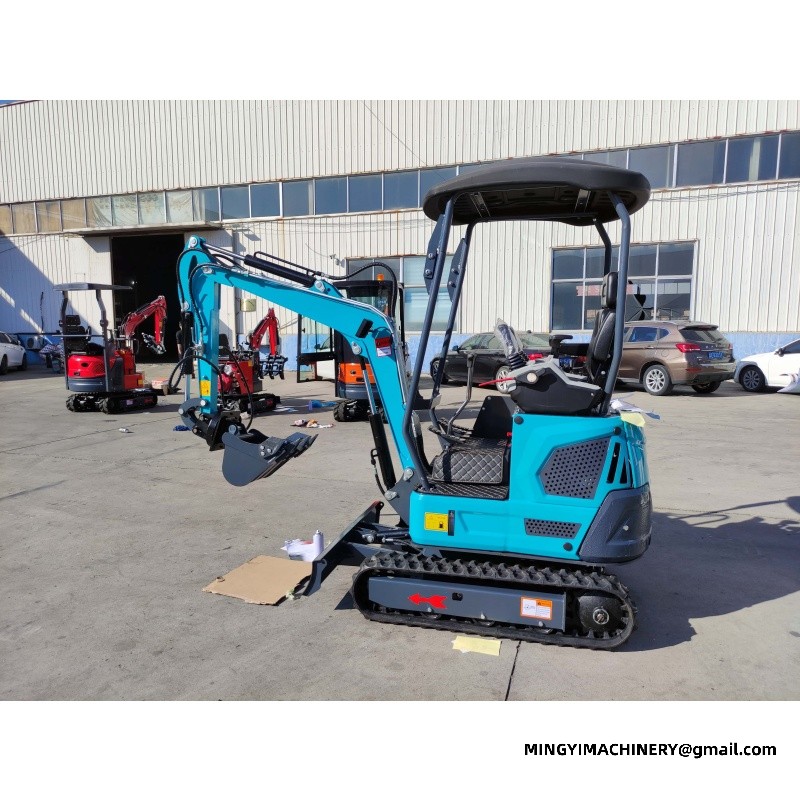
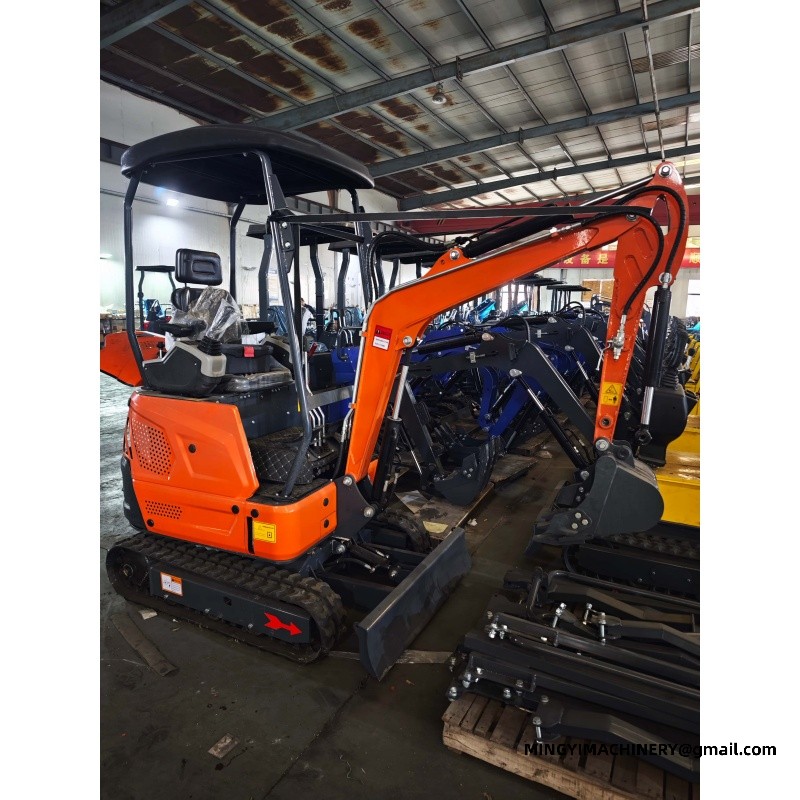
Reference specification — mini excavator range 09W 13W 20-1W 30-2W Operating weight 1100 kg (2425.08 lb) 1300 kg (2866.01 lb) 1800 kg (3968.32 lb) 2700 kg (5952.48 lb) Transport size (L×W×H) 1800 × 750 × 1970 mm 2200 × 930 × 2250 mm 2550 × 1100 × 2200 mm 3000 × 1100 × 2700 mm Max digging depth 1250 mm (49.21 in) 1630 mm (64.17 in) 1800 mm (70.87 in) 2200 mm (86.61 in) Max digging height 2800 mm (110.24 in) 2750 mm (108.27 in) 2820 mm (111.02 in) 3000 mm (118.11 in) Max dumping height 1700 mm (66.93 in) 1960 mm (77.17 in) 2050 mm (80.71 in) 2000 mm (78.74 in) Max digging radius 2570 mm (101.18 in) 2900 mm (114.17 in) 3050 mm (120.08 in) 3800 mm (149.61 in) Max digging distance 1869 mm (73.58 in) 2100 mm (82.68 in) 2300 mm (90.55 in) 3050 mm (120.08 in) Minimum turning radius 1000 mm (39.37 in) 1300 mm (51.18 in) 1450 mm (57.09 in) 1750 mm (68.9 in) Travel speed 3 km/h (1.86 mph) 3 km/h (1.86 mph) 5 km/h (3.11 mph) 7 km/h (4.35 mph) Gradeability 30° 30° 30° 30° Fuel consumption 1-1.3 L/h (0.264—0.343 gal) 1-1.3 L/h (0.264—0.343 gal) 2-3 L/h (0.528—0.793 gal) 2-3 L/h (0.528—0.793 gal) Fuel tank capacity 8 L (2.11 gal) 10 L (2.64 gal) 16 L (4.23 gal) 16 L (4.23 gal) Hydraulic oil tank 16 L (4.23 gal) 16 L (4.23 gal) 18 L (4.76 gal) 20 L (5.28 gal) Dozer blade lift height 180 mm (7.09 in) 180 mm (7.09 in) 180 mm (7.09 in) 230 mm (9.06 in) Dozer blade drop depth 210 mm (8.27 in) 210 mm (8.27 in) 210 mm (8.27 in) 280 mm (11.02 in)
LINE ( ID ): mingyicn
Planning utilisation for mini excavator for small builders
A machine booked for a job it is too large for wastes capacity, while one that is too small loses the day to rework.
Seasonal peaks are easier handled with a clear service window before them than with a repair during them.
Hours per month tell more than hours in total, and they show whether a second machine or a second operator is the real constraint.
Related pages
Steel Teeth of Tracked Excavator · The tray transport vehicle for the mini excavator · rubber track excavator for paved travel · PRODUCTS









