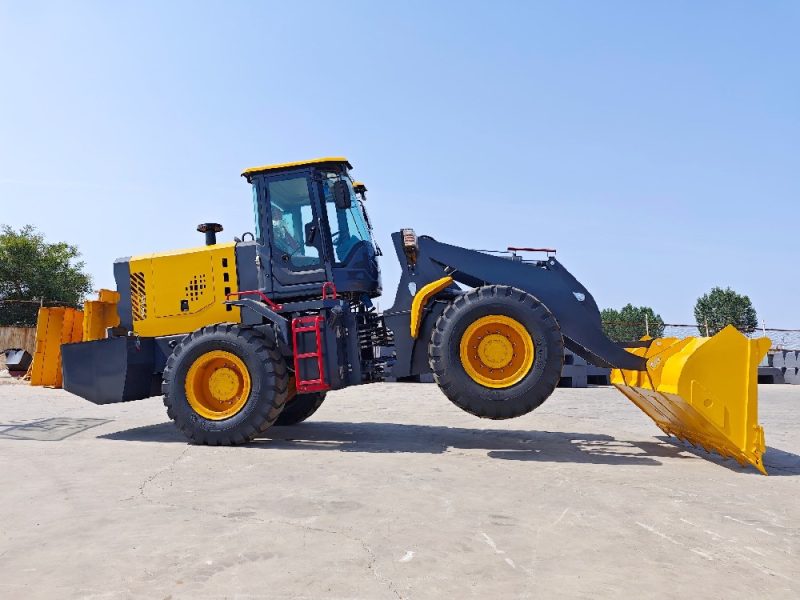
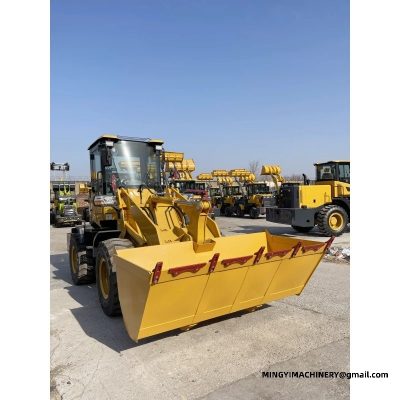
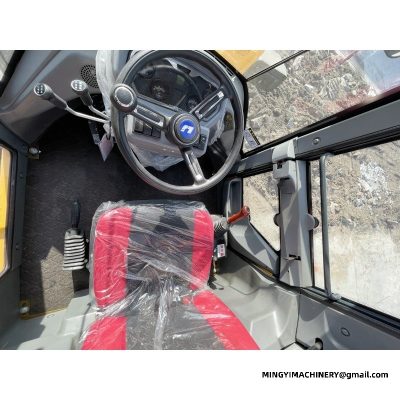
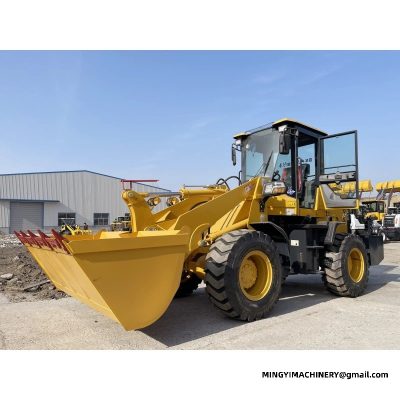
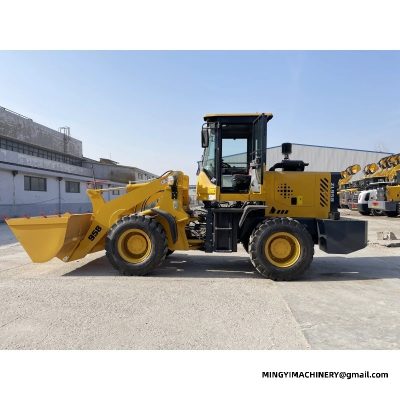
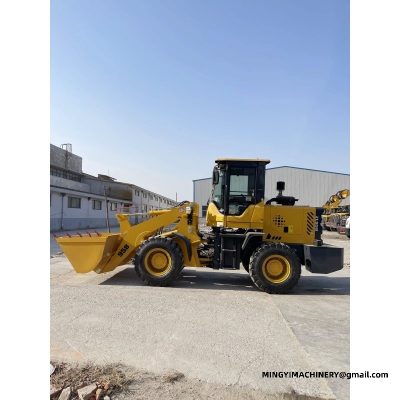
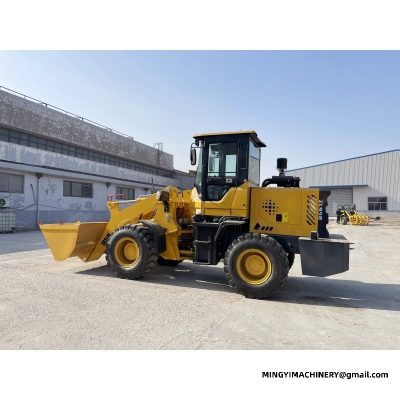
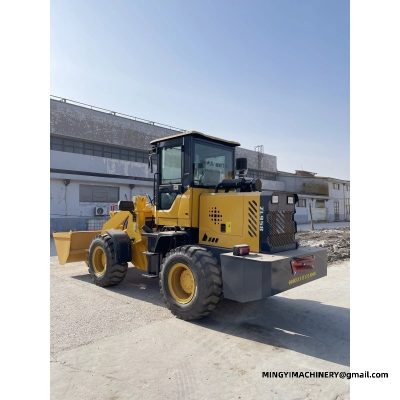
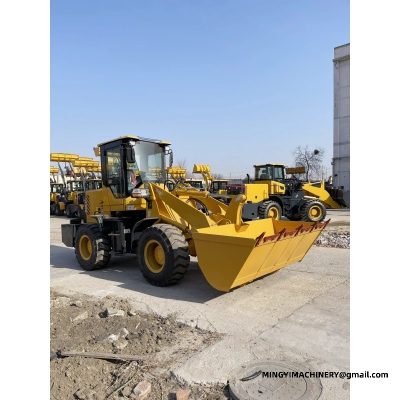
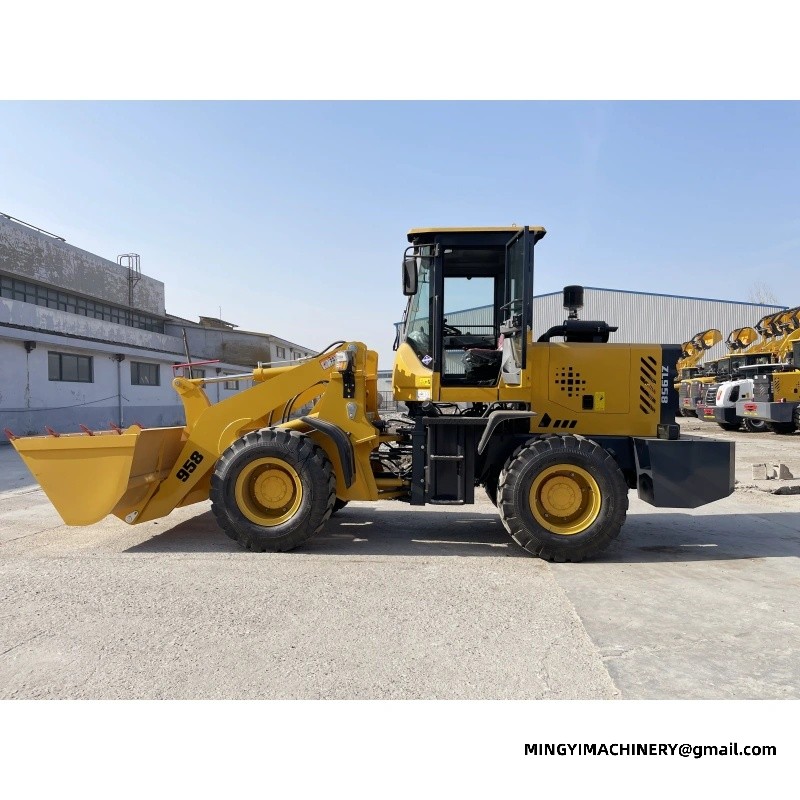
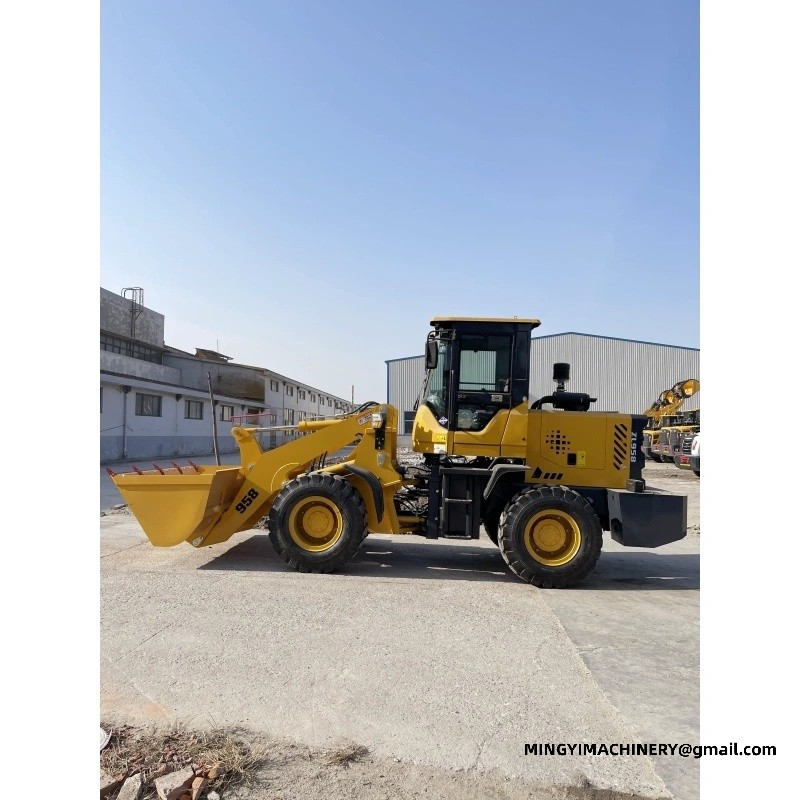
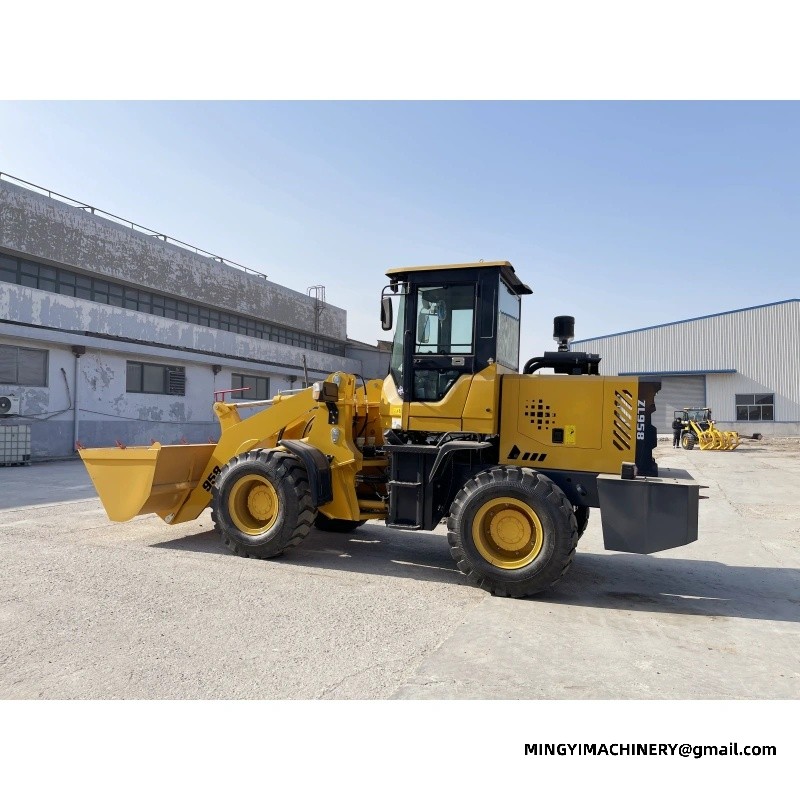
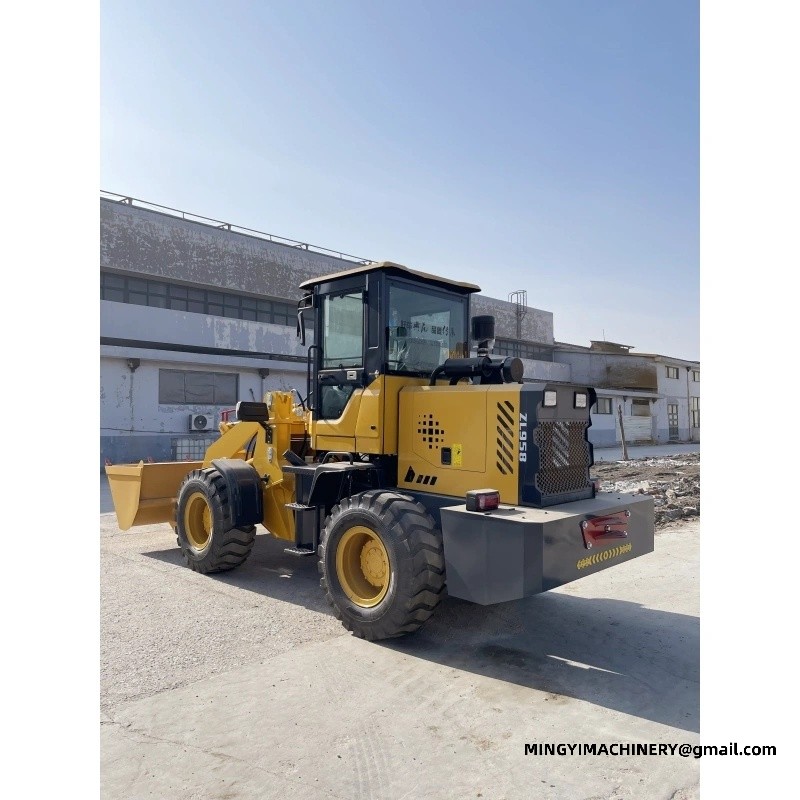
Mingyi wheel loaders are hydraulic front-loading machines for construction, mining, agriculture and general material handling. A robust hydraulic system and reinforced structural components are used throughout, so the machine keeps a high breakout force and stable performance under heavy, continuous working conditions.
Typical duties include loading aggregate and soil into trucks, stockpiling sand and gravel, cleaning and levelling sites, handling fertilizer and grain on farms, and supporting work around mines and quarries. The range covers compact and small wheeled loaders for limited spaces through to heavy-duty machines for large-scale handling projects.
Design emphasis is on low maintenance effort and long service life: a durable hydraulic system, accessible service points and common wear parts help keep the machine productive. Bucket sizes, tyres and optional attachments can be matched to the material being handled, and OEM configuration is available.
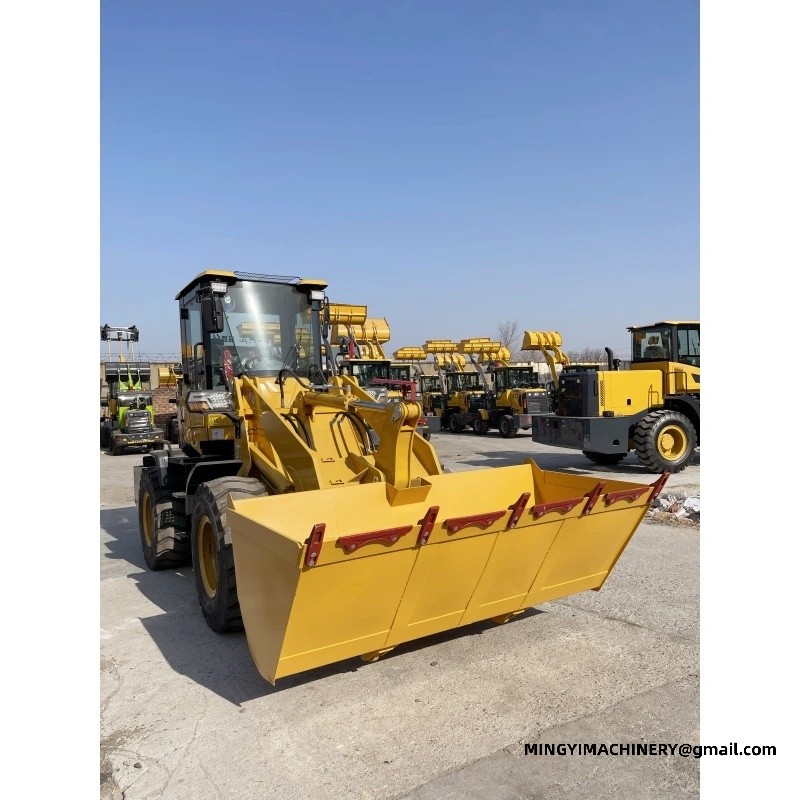
Tell us the material, the working area and the site conditions, and we will recommend a suitable loader configuration.
Fuel use and running demands of wheel loader bucket and attachment options
Consumption is best measured over a full week rather than judged per hour. Idle time, repositioning and waiting for other trades are often the largest share of the fuel this class of machine burns on a site. Planning the work to reduce empty movement is free. Fewer repositioning cycles on the unit in daily use means less fuel, less wear on the undercarriage or tyres and more of the shift spent on productive work.
Engine and power options behind wheel loader bucket and attachment options
Power unit choice is usually a parts question, not a performance one. Two buyers can order the same the equipment on site and sensibly choose different engines, because the right answer depends on which brand the local workshop already supports. Matching the engine to the duty matters more than the peak rating. A machine of this size that spends its day at part load benefits from a different setup than one that works at full output, and the difference shows in fuel use over a season.
Transporting wheel loader bucket and attachment options to and between sites
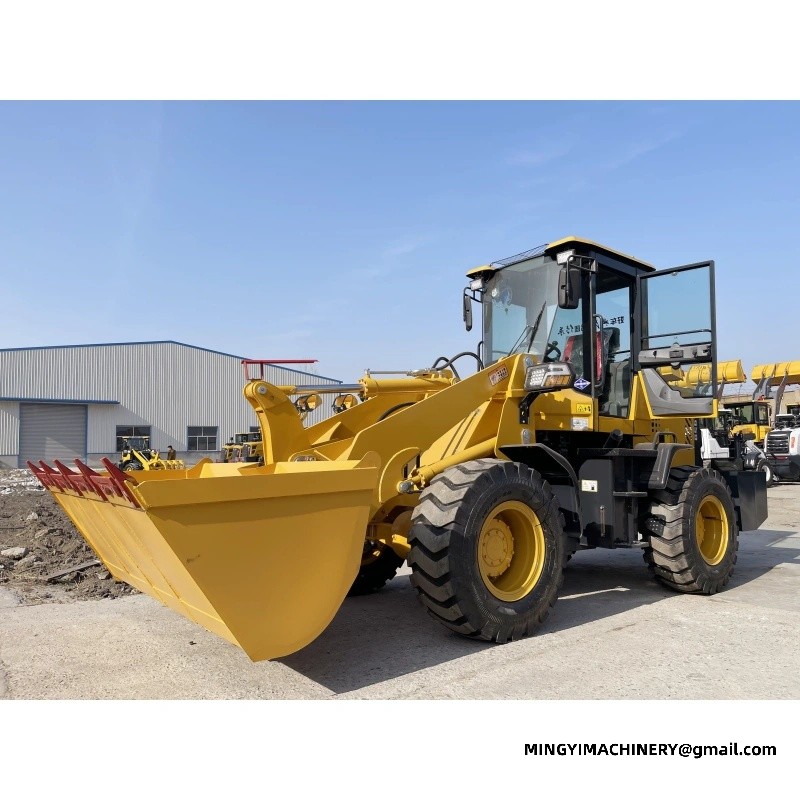
Moving the machine is part of owning it. Overall length, width and height decide which trailer or container the machine itself fits, and a machine that needs a permit or an abnormal load escort is a machine with a delivery delay built in. Shipping dimensions matter as much on export orders as they do locally. Confirming the packed size of the model in question before booking avoids re-booking freight after the machine is built.
Customisation and build options for wheel loader bucket and attachment options
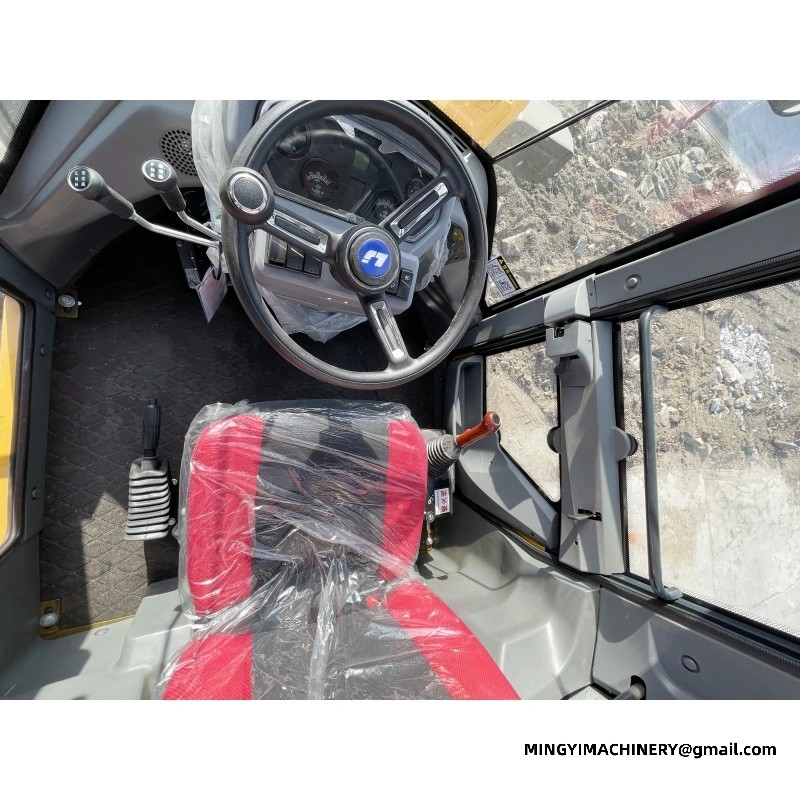
Build options are where a standard machine becomes the right machine. Colour, guarding, lighting, seating and hydraulic provisions can usually be set at build time on the machine in that duty, and are far simpler then than as a retrofit. Customisation should still be limited to what the work needs. Each addition to the unit on the job is another item to maintain, so the useful question is not what can be added but what the job list actually requires.
Safe working practice around wheel loader bucket and attachment options
Slopes and edges deserve a separate check. A machine built for the work that is stable on level ground behaves differently across a gradient, and the safe working angle is a number worth knowing rather than estimating. Personal protective equipment and a stop rule are simple controls. Agreeing before work starts that anyone can stop the job is the single measure that most often prevents a serious incident near the equipment in service.
Wear items and life of wheel loader bucket and attachment options
Wear rate follows conditions far more than hours. This class of machine working on abrasive ground or in mud will consume undercarriage or tyre life much faster than the same machine on clean ground. Replacing wear items early is usually simpler. Worn components on the unit in daily use load the parts they run against, so a worn part left too long often becomes a major repair.
Warranty, commissioning and early checks
Commissioning is the point where most avoidable issues are found. Checking levels, fasteners and function on a machine of this size before it goes to work takes an hour and prevents a claim conversation later. Warranty terms are clearer when they are read before purchase. Knowing what is covered, what counts as a wearing item and what documentation is required makes a claim on the equipment on site straightforward rather than contested.
Operator technique and familiarisation
Machine output varies more between operators than between brands. Smooth, planned movements put less load on the structure and use less fuel, and that difference is visible on the hour meter and in the service bills for the machine itself. A short handover pays for itself. Operators who understand why the model in question is set up the way it is will report a change in behaviour early, which is usually the point where a repair is simplest.
Running the machine in that duty in a mixed fleet
Utilisation matters more than the purchase decision over a few years. The unit on the job that sits idle ties up the same yard space standing still as one that earns, so the buying decision should follow the hours the machine will realistically work. Standardising where possible simplifies everything downstream. When several units of a machine built for the work share a service schedule and a parts list, the fleet becomes easier to plan and easier to sell on at replacement time.
Specifying the equipment in service against the job list
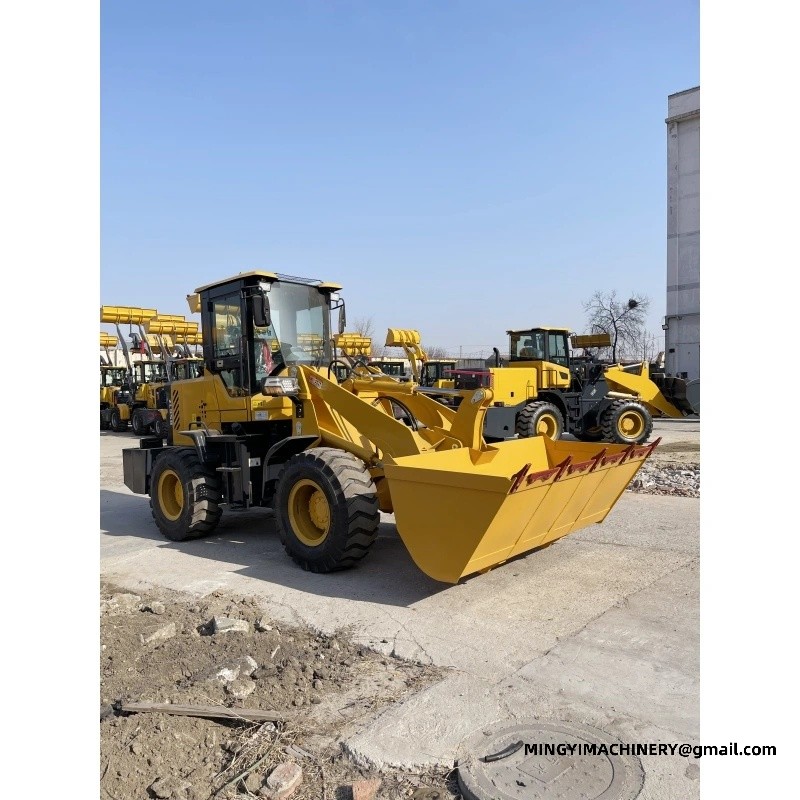
The specification should be written from the job backwards. Listing the loads, the ground and the hours first, then matching this class of machine to that list, avoids buying capacity the work never uses and avoids discovering a shortfall in the first week. Buyers who specify the unit in daily use on paper before enquiring get specifications that can be compared. Without that list, two suppliers will propose two different machines and the simpler one is usually the smaller one, not the better value.
Daily checks and maintenance on a machine of this size
Most failures start as something small that a walk-around would have caught. Fluid levels, belt tension, tyre or track condition and any fresh leak are the items worth two minutes at the start of each shift on the equipment on site. A simple log helps. Recording hours, fuel and any adjustment made to the machine itself gives the workshop a history, and that history is what turns an intermittent fault into a one-visit repair instead of three.
Storage and downtime care for the model in question
Standing still is hard on machinery. The machine in that duty left for weeks benefits from a clean, dry, covered space, a charged battery and a fuel system prepared for the layoff, and all three effort very little. Before-storage preparation prevents most return-to-work faults. Draining or treating fuel, protecting exposed rods and relieving pressure where the maker specifies it are the items worth an hour when the unit on the job is parked.
Attachments and working tools for a machine built for the work
Attachment decisions are best made before delivery. Specifying hydraulics and couplers at build time is simpler than adding them later, and it avoids the downtime of a workshop visit in the first month. Most owners find that the second attachment changes how often the machine is used. The equipment in service that was bought for one task often becomes the general machine on site once a second tool is available.
Working hours and duty cycle of this class of machine
Seasonal work changes the maintenance calendar. Machines that work hard for two months and stand for ten need preparation before storage and a check before returning to work, and both are simpler than the repairs they prevent. Hour planning helps at resale as well. The unit in daily use with a recorded service history and a sensible hour count is easier to sell than one with the same hours and no records, whatever its condition.
Dust, mud and abrasive conditions around a machine of this size
Abrasive conditions shorten service intervals. Air filters, seals and any exposed sliding surface on the equipment on site need attention more often in dusty or muddy work, and the extra checks prevent far more wear than the time they take. Sealed points and guarded areas deserve a look in these conditions. The machine itself working in abrasive dust benefits from checked boots, intact guards and clean breathers, all of which are quick to verify.
Ordering, lead time and delivery of the model in question
Lead time is part of the specification. Confirming build time, shipping method and what is included before ordering the machine in that duty prevents the common gap between when the machine is needed and when it can arrive. Delivery planning includes the receiving end. Knowing whether the unit on the job will be craned, driven or forked off, and whether the site can accept it, is settled before dispatch rather than on the day.
Load, ballast and stability on a machine built for the work
Ballast and attachment weight change the machine. Adding a heavy tool to the equipment in service moves the centre of gravity, and the counterweight or configuration should be matched to the tool rather than assumed. Carrying and travelling with a load needs its own plan. Speed, gradient and surface all matter more once this class of machine is loaded, and the safe combination is the conservative one.
Lighting and low light operation of the unit in daily use
Visibility from the seat is different at night. Reflections, shadows and glare all hide detail, so a machine of this size used after dark benefits from clean lenses, working wipers and a slower working pace. Planning helps more than extra lamps. Positioning the equipment on site so that the work is lit from the machine side, and keeping the route clear, does more for safety than adding light to a badly planned task.
Later additions and retrofits on the machine itself
Retrofitting is limited by the base machine. Before anything is added to the model in question the hydraulic flow, the mounting interface and the stability allowance have to be checked, because those limits are what decide what is sensible.
Pre-delivery inspection before the machine in that duty leaves the shop
The last hour before packing is the best time to find a fault. Running the unit on the job through its full working cycle, checking for leaks under load and confirming that the controls match the specification avoids a conversation across time zones later.
Cold weather and winter care for a machine built for the work
Winter is hard on rubber and on seals as much as on the engine. Parking the equipment in service under cover, keeping the tracks or tyres off standing water and checking the hoses for cracking are all part of the season.
Commissioning this class of machine on site
Commissioning is where the specification meets the ground. The settings chosen for the unit in daily use are confirmed against the actual site, and the working pattern is adjusted before the machine is asked for a full day.
Packing, loading and shipment of a machine of this size
Export packing is part of the machine, not an afterthought. The equipment on site is blocked and braced inside the container so that it arrives in the same condition it left, and the load plan is decided by the dimensions rather than by what fits loosely.
Visibility and blind spots around wheel loader bucket and attachment options
Mirrors, cameras and a signal person cover what the seat cannot. Walk the route before the first load and mark the corners where sight is lost.
Glass, wipers and mirrors are safety items rather than comfort items, and they belong on the daily walk-around with the lights and the horn.
Dust, low sun and rain all shorten sight lines, and the sensible response is to slow the cycle rather than to work on memory.
Water, mud and recovery planning for wheel loader bucket and attachment options
Water is the enemy of bearings, electrical connectors and anything that is supposed to be sealed, and it rarely announces where it got in.
Related pages
small excavator for engineering work · backhoe loader for trenching and backfilling · 12 model small excavator assembly · PRODUCTS









