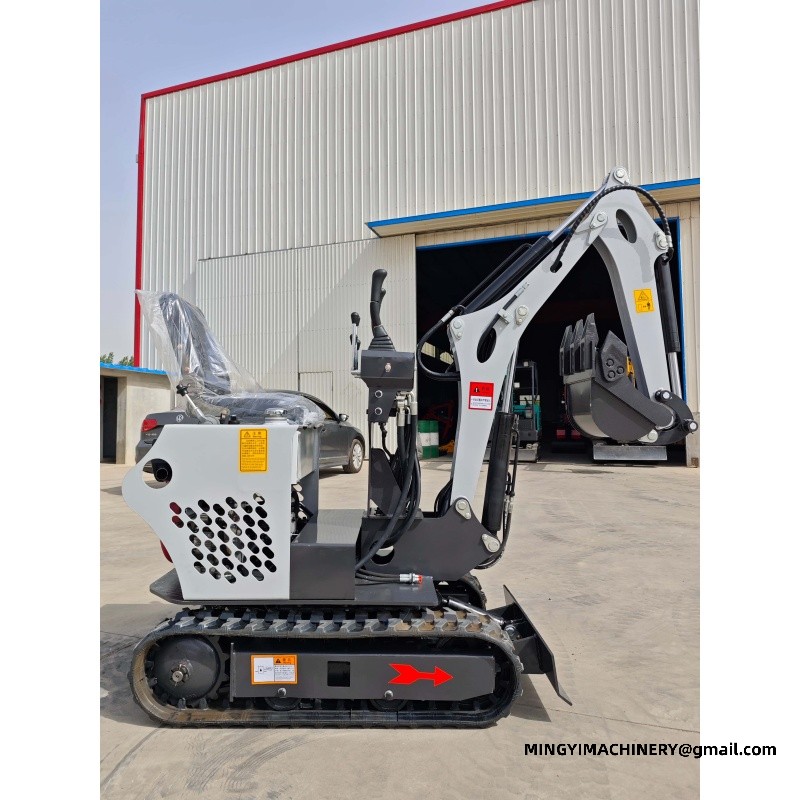
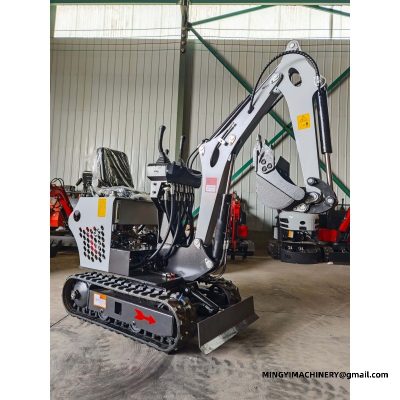
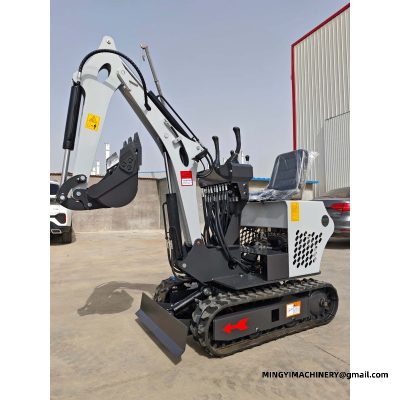
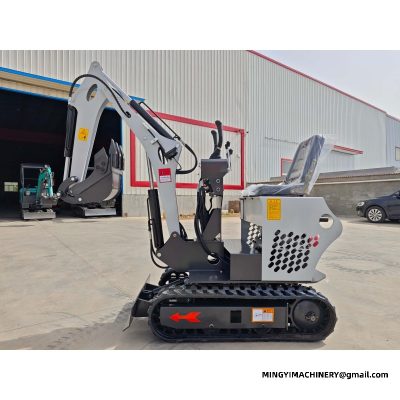
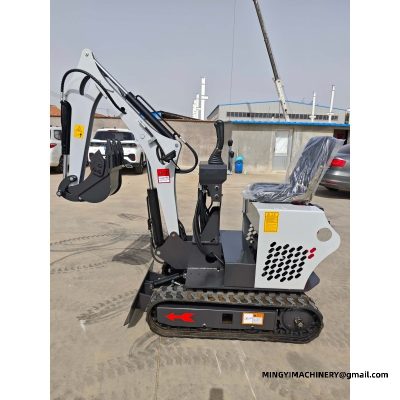
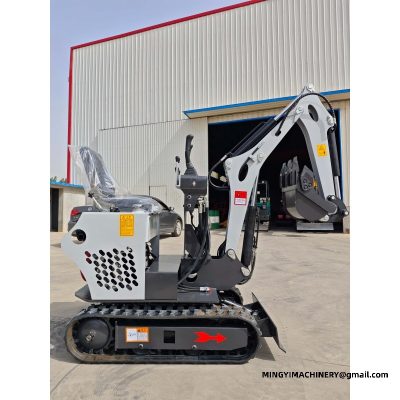
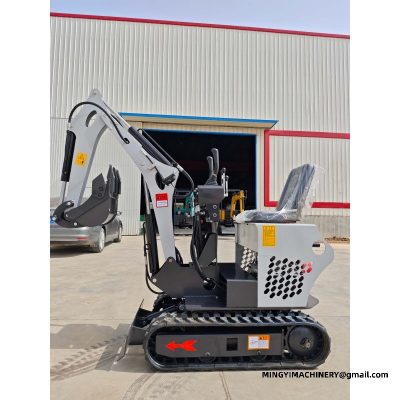
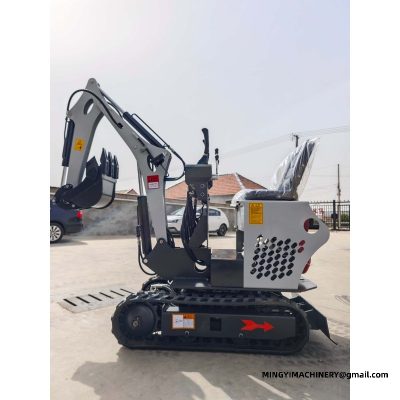
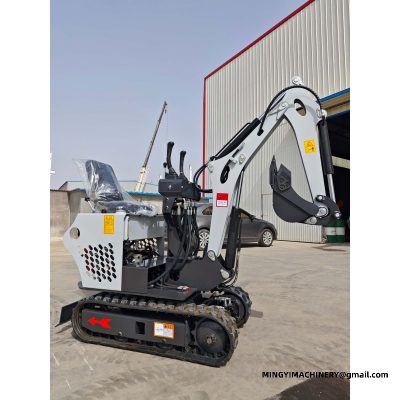
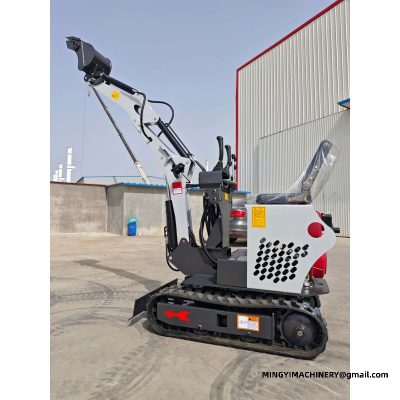
Compact excavators in Australia are asked to work in conditions that vary more than in most markets: soft coastal soils, hard compacted and rocky ground, and sites hundreds of kilometres from the nearest parts supplier. Specification has to account for all three.
MINGYI supplies mini excavators into Australia, built to order against the buyer’s working conditions.
Matching the machine to the ground
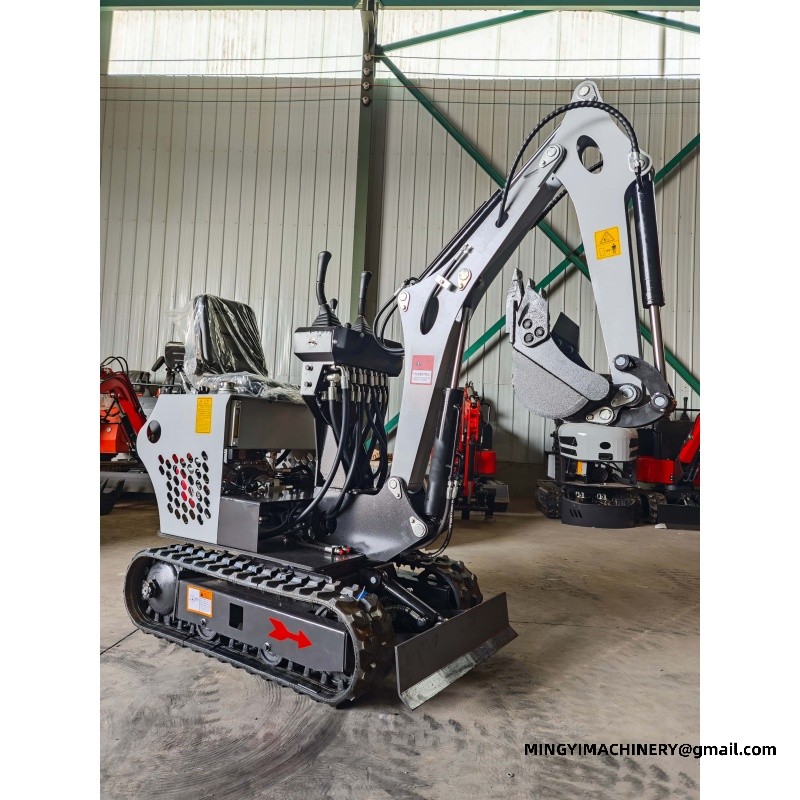
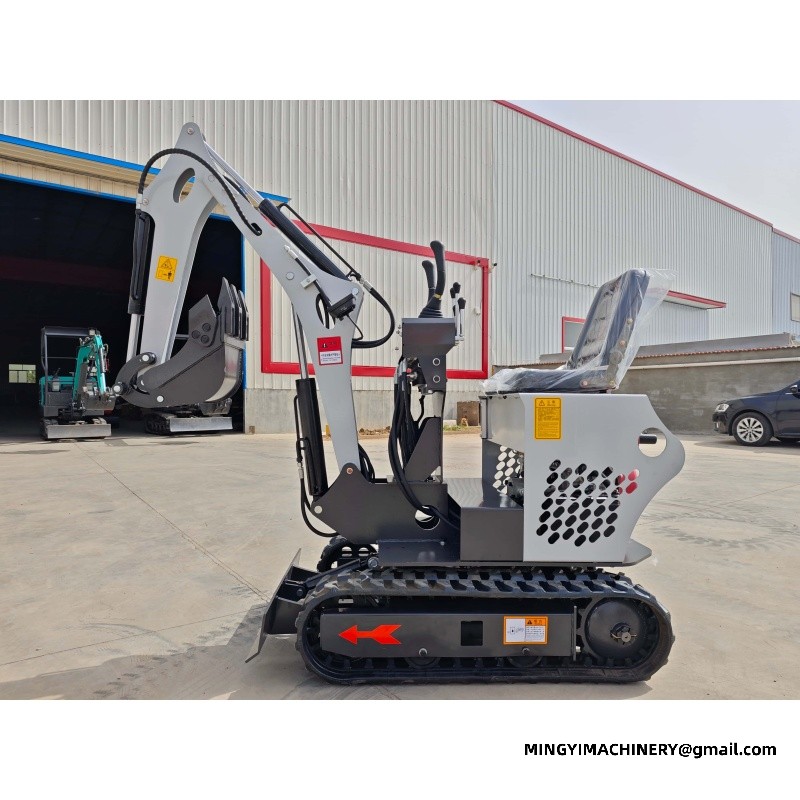
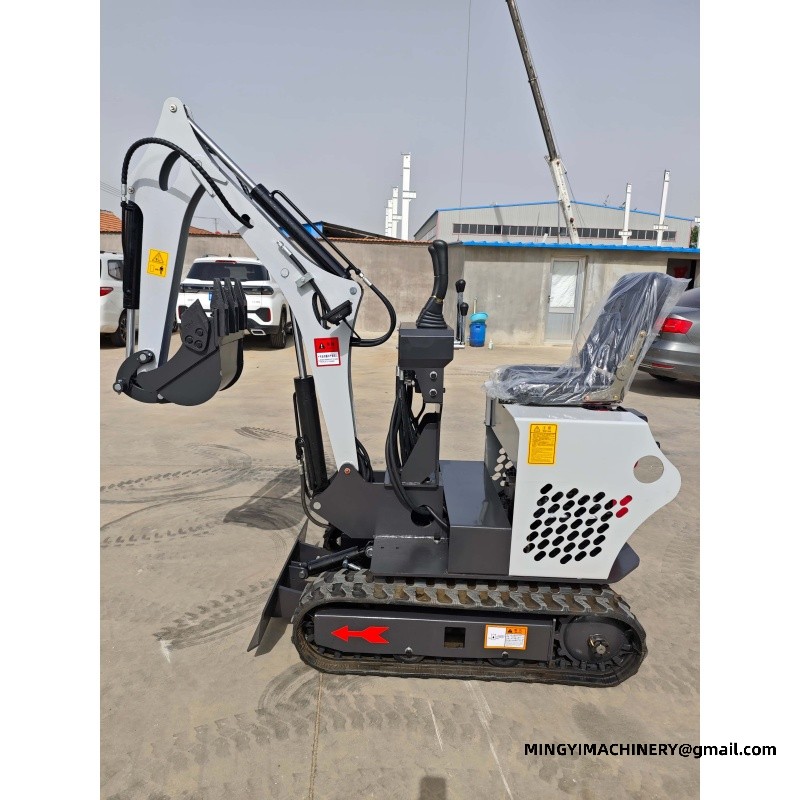
For domestic, landscaping and municipal work, the one-tonne to 2.5 tonne classes on rubber tracks suit the job: they cross finished surfaces without marking, fit through property access and travel on a standard trailer.
On harder and more abrasive ground, steel tracks with rubber blocks are specified for longer track life. The same base machine accepts either, so the undercarriage can be matched to the ground rather than fixed by the model.
Parts availability in a large market
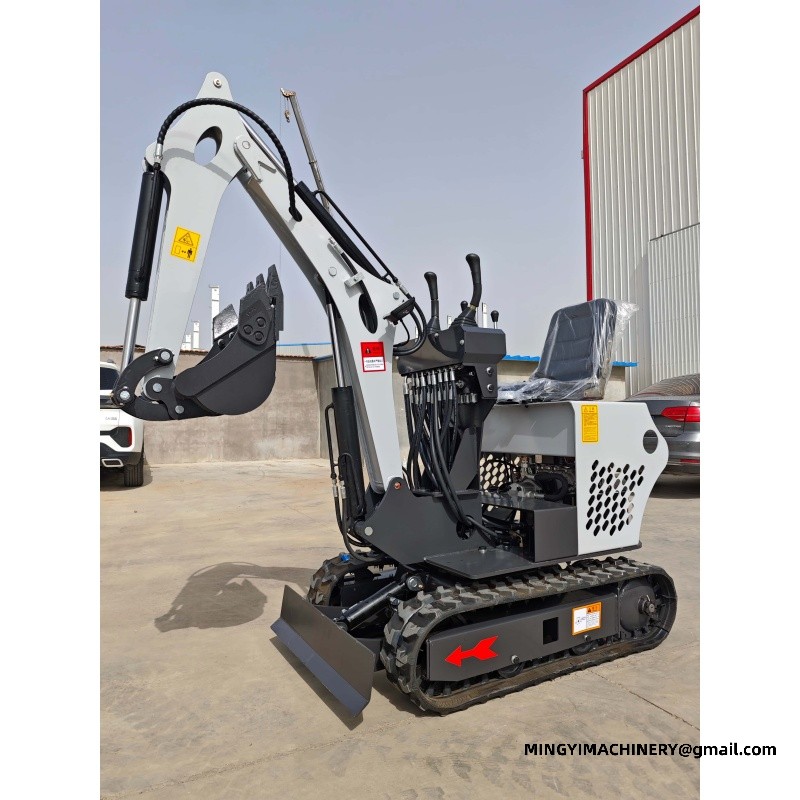
Distance is the deciding factor in Australian plant ownership. Buyers should select an engine family with parts support they can actually reach, and hold the consumables that cause most stoppages — bucket teeth, cutting edges, hoses and filters — against the machine record.
Specification for Australia
• Rubber tracks for suburban and municipal surfaces
• Steel tracks with rubber blocks for abrasive ground
• Compact classes for residential access
• Engine family with reachable parts support
• Attachments matched to landscaping and groundwork
Tell us where the machine will work and what it has to dig and we will confirm the specification and the parts to hold.
Landscaping and ground care with mini excavator for Australia Landscape contractors use this class of machine for planting holes, pond excavation, grading and retaining work. The machine is light enough to cross finished lawn and narrow enough to work between established trees. Grass cutting heads, rakes and tillers extend the unit in daily use into ground care. The same carrier that digs a border in spring can cut and clear the same area later in the season. Interior and light demolition with mini excavator for Australia Breaking out a floor slab, a wall footing or a concrete step is routine work for a machine of this size with a breaker. The machine is small enough to work inside and heavy enough to run the tool at a practical rate. Dust, debris clearance and floor loading all argue for a compact machine indoors. The equipment on site spreads its weight over a wider track footprint than a wheeled machine of similar capacity. Getting mini excavator for Australia through a narrow gap The first question on most job lists is whether the machine can reach the work at all. The machine itself is chosen against the narrowest point on the route - a garden gate, a doorway, a gap between two walls - because a machine that arrives and then cannot pass loses a day, not an hour. Contractors who buy the model in question normally have one job in mind that nothing else reaches. The purchase order follows the access measurement, not the other way round, and the build sheet is then settled around it. Trailering and moving mini excavator for Australia Transport weight and width decide whether a machine needs a specialist haulier. The machine in that duty sized to travel on a standard plant trailer behind a suitable vehicle moves with the crew rather than on a scheduled low loader. Detachable components reduce transport length. The unit on the job built with a removable arm section or a folding step fits a shorter trailer and may avoid an oversize movement permit. Lifting and material handling with a mini excavator for Australia Lifting with a machine built to dig needs a plan. The load, the radius and the ground under the equipment in service all matter, and the safe figure is the one on the chart rather than the one that looks possible. Stability changes with reach. A load a machine built for the work handles close in becomes a different proposition at full extension, so the working radius belongs in the plan before the lift rather than during it. Noise, dust and working near occupied buildings Work near housing or occupied premises brings constraints that open sites do not. Start times, exhaust condition and how often this class of machine needs to reverse are the practical limits that neighbours notice. Dust control is often part of the same conversation. Water, timing and work sequence reduce what leaves the site, and agreeing them in advance keeps the unit in daily use working rather than stopped after a complaint. Canopy or enclosed cab on a machine of this size A canopy keeps the machine light and the operator aware of the surroundings, which suits short jobs in warm weather. A fully enclosed cab is specified where rain, dust or cold are part of the working year, and it can be added to the equipment on site as a retrofit rather than only at build time. Enclosure also changes noise and dust exposure. A sealed cab on the machine itself keeps dust out on dry sites and lets the machine work through weather that would otherwise stop a canopy machine for the day. Hiring versus owning the model in question The choice follows the hours. Work that fills a few weeks a year is usually better hired, while the machine in that duty that would be on site most weeks starts to justify ownership once the transport and booking time is counted. Ownership brings obligations that hiring does not. Storage, servicing, insurance and an operator are the items to set against the hire rate before deciding which way the unit on the job should be supplied. Acceptance checks when a machine built for the work arrives A function check before the machine goes to work is worth the hour. Running through the controls, the travel and the attachment circuit on the equipment in service confirms it is set up as specified and ready for the site. Documentation should arrive with the machine. Parts list, service schedule and any certificates for this class of machine are what the workshop needs later, and they are much easier to obtain at delivery than in month six. Road and paving work for the unit in daily use Road repair generates short, interrupted jobs - a patch, a drainage connection, a kerb line. A machine of this size is economical here because it travels on a small trailer and starts working minutes after arriving. Patching and reinstatement favour a machine that can work in a lane closure. The equipment on site occupies less road than a full-size excavator, which reduces the traffic management needed and the length of the closure. Working on slopes and uneven ground with the machine itself Slope work is a stability question before it is a traction question. Knowing the gradient the model in question is rated for, and working across rather than straight up where the ground allows, removes most of the risk. Ground that looks level often is not. The machine in that duty crossing a filled trench, a soft edge or a hidden void behaves differently from one on undisturbed ground, and those are the places worth walking before driving. Municipal and public works with the unit on the job Drainage repair, tree planting, footway reconstruction and cemetery work are all within the range of a machine built for the work. The jobs are small individually and continuous across the year. Noise and surface protection matter on public work. The equipment in service on rubber tracks across paving, with a sealed cab for the operator, suits the conditions better than a larger tracked machine. Specification data for this class of machine Buyers comparing the unit in daily use usually start from four numbers - weight, digging depth, reach and transport width - because those are the ones that decide whether the machine can be delivered and whether it can do the job once it is there. Figures are factory figures and are confirmed on the build sheet for a machine of this size. Where a job sits between two models, the larger machine usually takes less time than the smaller one spends on rework. Distributors and rental fleets usually need the machine to look like theirs. Paint, decals, seat colour and attachment branding can be specified on the equipment on site at build time rather than applied after import. Documentation can be prepared to suit the importer. Manuals, parts books and decal sets for the machine itself can be supplied with the buyer's own branding where the order size justifies it.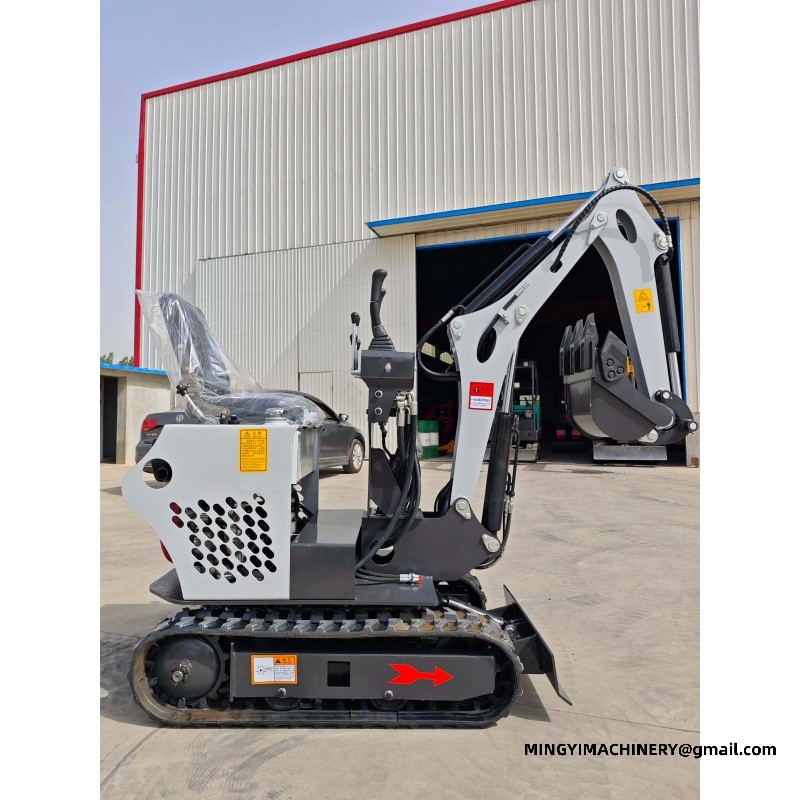
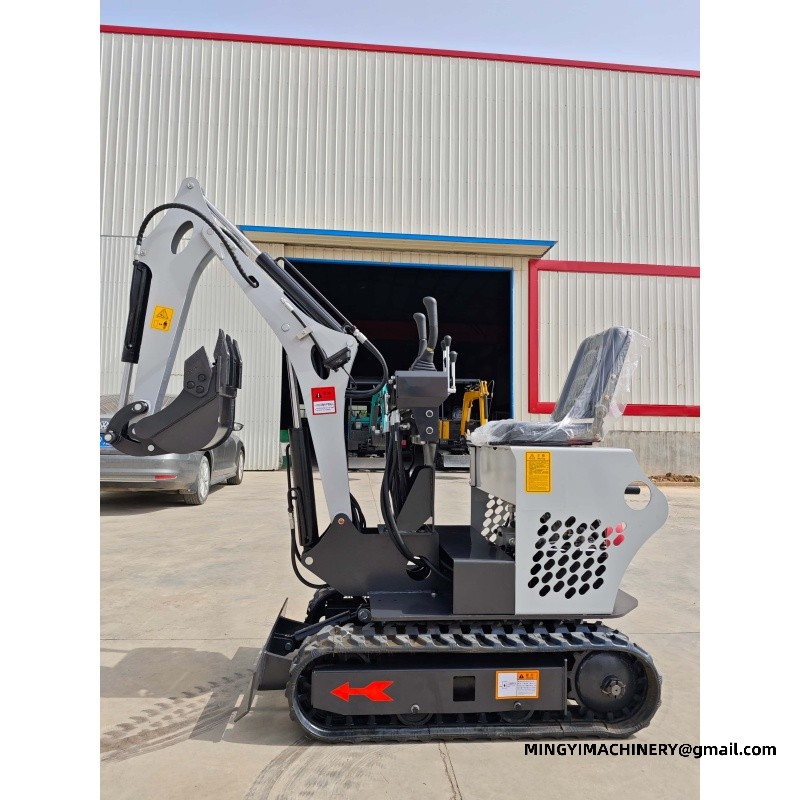
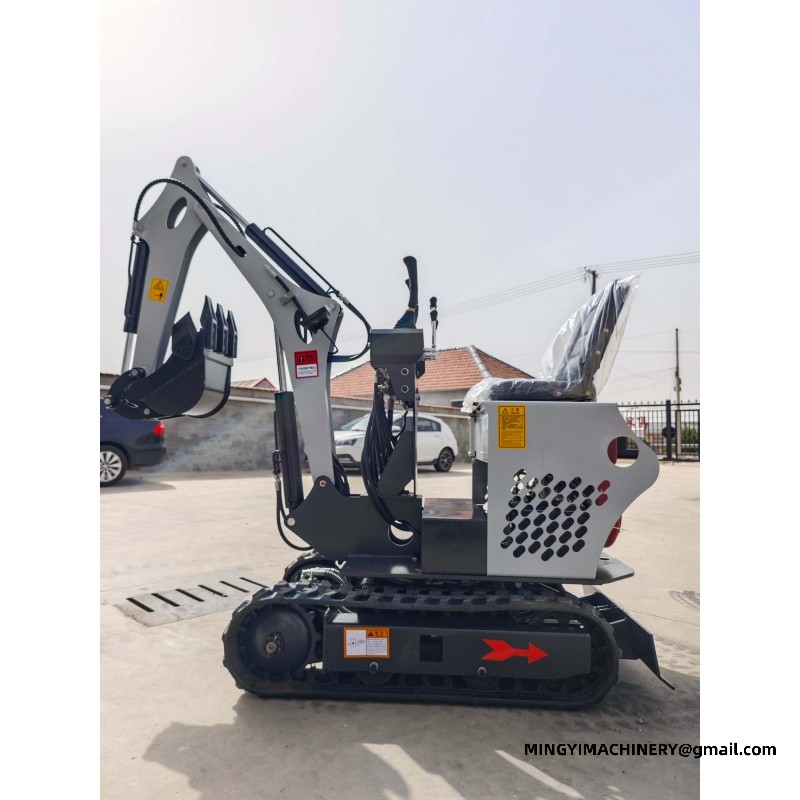
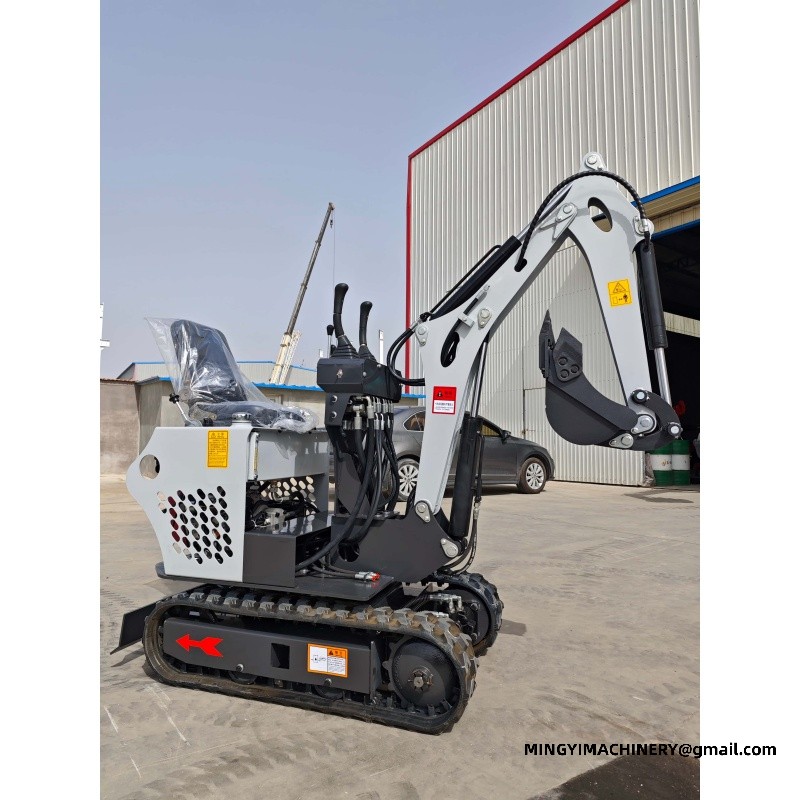
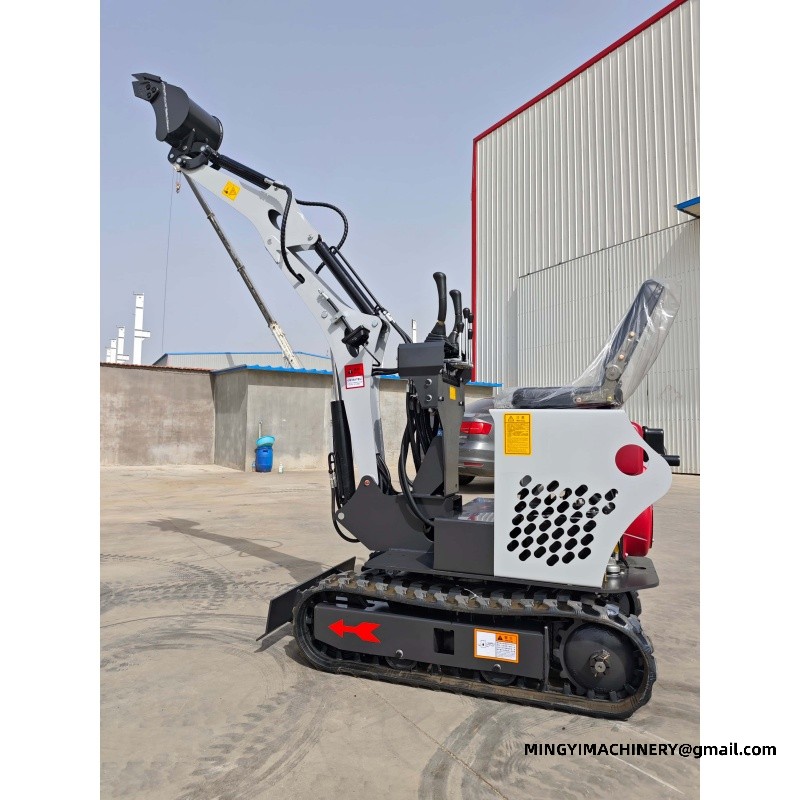
Reference specification — mini excavator range 15W 30-1W 30-2W 15L Operating weight 1400 kg (3086.47 lb) 2900 kg (6393.41 lb) 2700 kg (5952.48 lb) 1400 kg (3086.47 lb) Transport size (L×W×H) 2200 × 930 × 2250 mm 3000 × 1250 × 2780 mm 3000 × 1100 × 2700 mm 2200 × 930 × 2250 mm Max digging depth 1630 mm (64.17 in) 2200 mm (86.61 in) 2200 mm (86.61 in) 1700 mm (66.93 in) Max digging height 2750 mm (108.27 in) 3400 mm (133.86 in) 3000 mm (118.11 in) 2750 mm (108.27 in) Max dumping height 1960 mm (77.17 in) 2400 mm (94.49 in) 2000 mm (78.74 in) 1960 mm (77.17 in) Max digging radius 2900 mm (114.17 in) 4000 mm (157.48 in) 3800 mm (149.61 in) 2900 mm (114.17 in) Max digging distance 2100 mm (82.68 in) 2800 mm (110.24 in) 3050 mm (120.08 in) 2300 mm (90.55 in) Minimum turning radius 1300 mm (51.18 in) 2000 mm (78.74 in) 1750 mm (68.9 in) 1450 mm (57.09 in) Travel speed 3 km/h (1.86 mph) 5 km/h (3.11 mph) 7 km/h (4.35 mph) 3 km/h (1.86 mph) Gradeability 30° 30° 30° 30° Fuel consumption 1-1.3 L/h (0.264—0.343 gal) 2-3 L/h (0.528—0.793 gal) 2-3 L/h (0.528—0.793 gal) 1-1.3 L/h (0.264—0.343 gal) Fuel tank capacity 10 L (2.64 gal) 16 L (4.23 gal) 16 L (4.23 gal) 10 L (2.64 gal) Hydraulic oil tank 16 L (4.23 gal) 20 L (5.28 gal) 20 L (5.28 gal) 16 L (4.23 gal) Dozer blade lift height 180 mm (7.09 in) 420 mm (16.54 in) 230 mm (9.06 in) 180 mm (7.09 in) Dozer blade drop depth 210 mm (8.27 in) 210 mm (8.27 in) 280 mm (11.02 in) 210 mm (8.27 in)
Q. Do you supply mini excavators to Australia?
A. Yes. MINGYI supplies compact crawler excavators into Australia, built to order against the buyer's working conditions. Australian sites vary from soft coastal soils to hard compacted and rocky ground, so specification has to account for more than one condition on the same machine.
Q. What specification suits Australian conditions?
A. Machines that work across soft and rocky ground usually take a reinforced boom and a bucket set that covers both, with the engine family chosen for local service. Because parts distances are long in Australia, buyers often add a first-service spare parts kit to the order.
Q. How long does delivery take?
A. Machines are built to order in China and then container loaded, so the lead time runs from the build slot plus sea freight. MINGYI confirms the build and loading date when the order is placed, and can combine several models into one container.
Cold weather and winter care for the model in question
A cold start is easier when the machine is prepared the night before. The routine that keeps the machine in that duty working through winter is mostly a matter of fuel, battery and patience in the first ten minutes of the day.
Wear items and spares worth holding for the unit on the job
The parts that stop a machine are rarely the parts that are hardest to find. Filters, belts, seals and the ground engaging tools on a machine built for the work are easy to hold and slow to replace, which is why they belong on the shelf rather than on an order.
Moving the equipment in service between sites
A machine that works on one site still has to reach the next. The overall dimensions and the operating weight of this class of machine decide what trailer or truck is needed, and that decision belongs before the job is booked.
E-mail : sales@mingycn.com
LINE ( ID ): mingyicn
Related pages
rough terrain forklift for outdoor yards · diesel cargo tricycle for farm and site haulage · mini excavator for mixed site work · PRODUCTS









