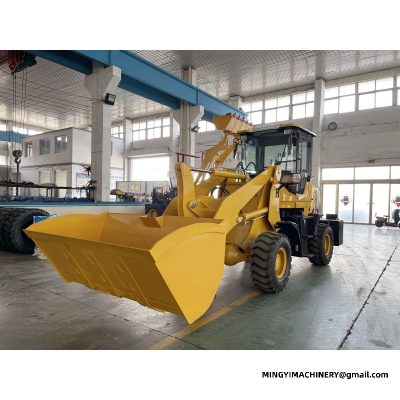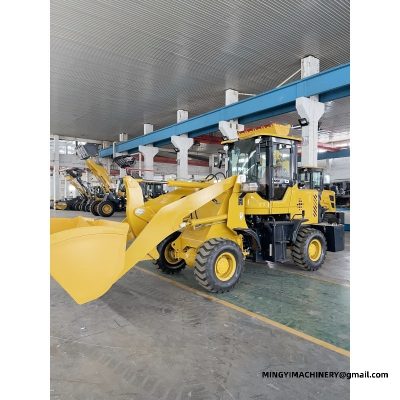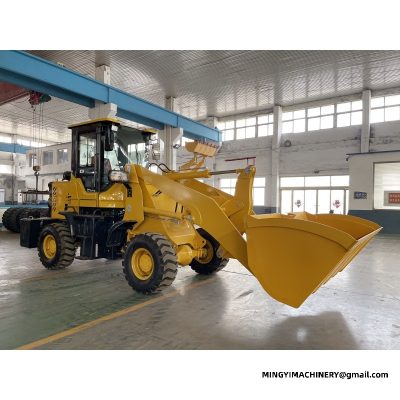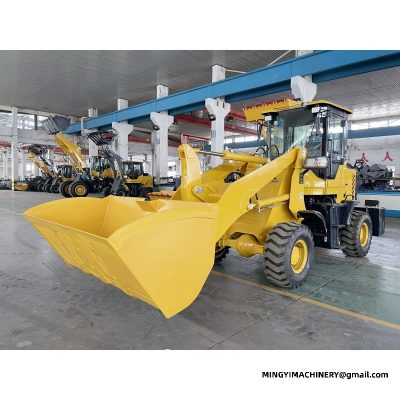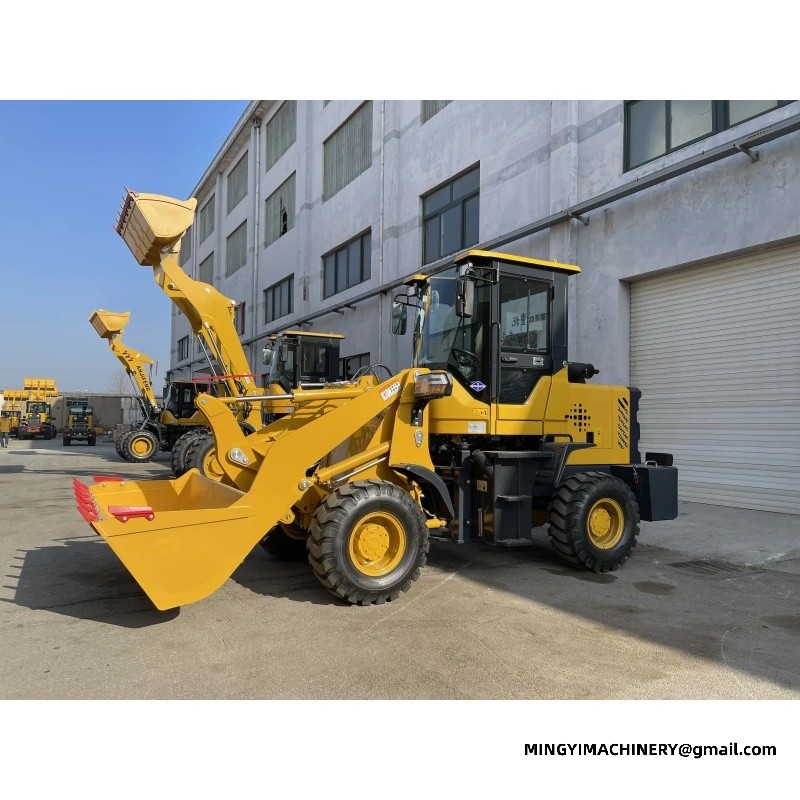
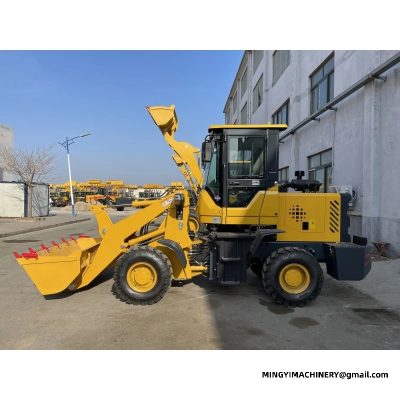
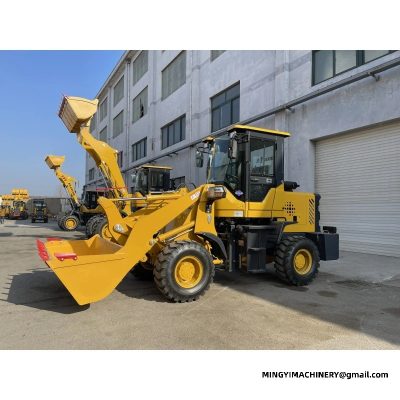
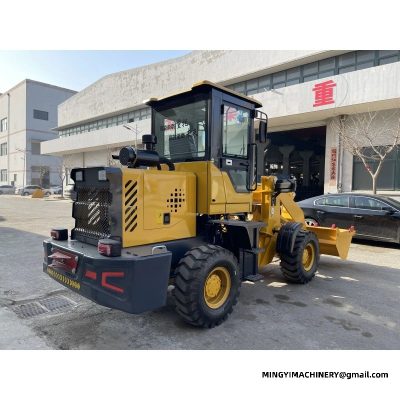
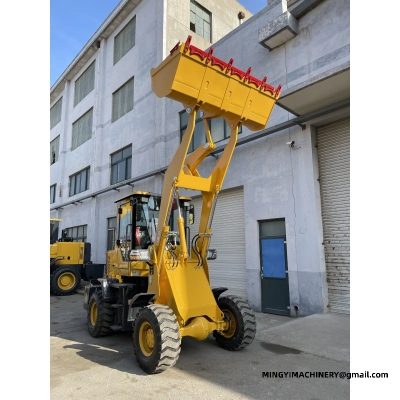
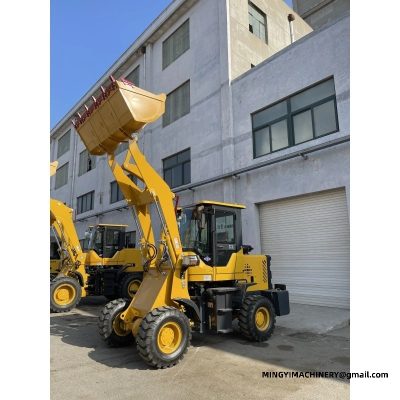
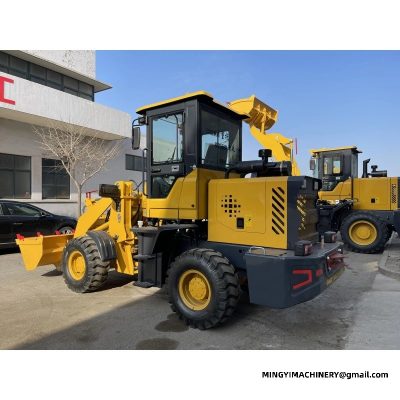
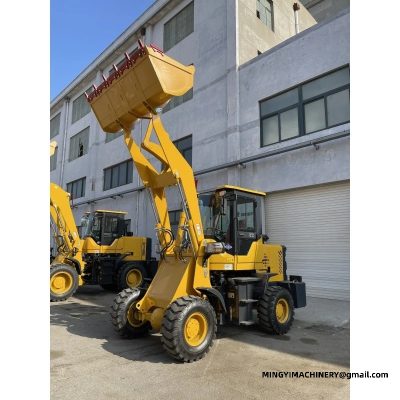
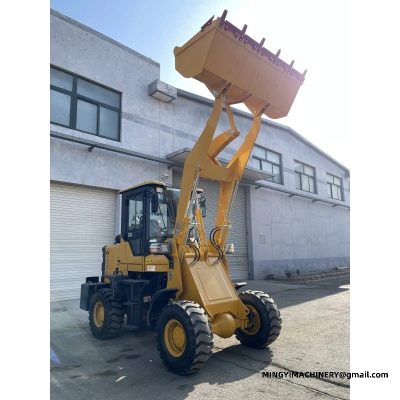
Duty decides the build, and duty is measured in cycles, not in tonnes. A hydraulic wheel loader loading twenty trucks a day needs heavier steel than one moving pallets and feed. The figures move together: cross-member 16 mm against 25 mm, rear hinge 16 mm against 14 mm, cylinder set centre cylinder 40 / side cylinder 40 against centre cylinder 45 / side cylinder 40, radiator 4100 core against 4100 core (490 engine); 4105 core (4102T engine). Buckets are 0.3 m³ and 0.38 m³, dump heights 2.4 m and 3.2 m. This page maps duty to build, with the numbers for each.
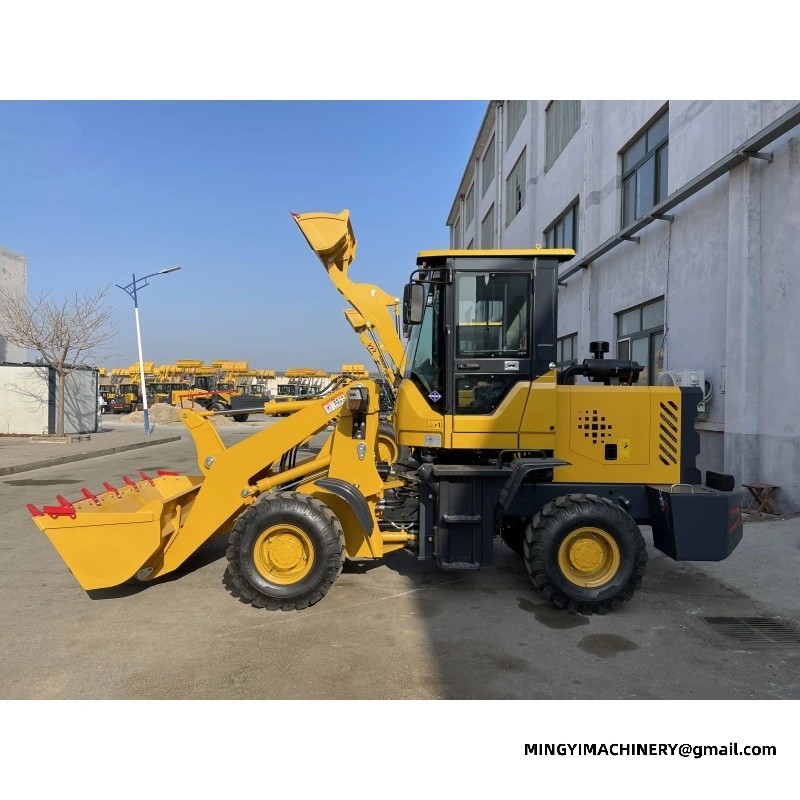
A loader is a tool carrier that happens to come with a bucket. What it can carry is decided at the factory — section width and pin geometry — which is why the light-duty 3.2 m low-profile wheel loader with its 370 mm section and the light-duty 3.8 m small-frame wheel-side reduction wheel loader with 370 mm do not share tooling even where their bucket capacities look close.
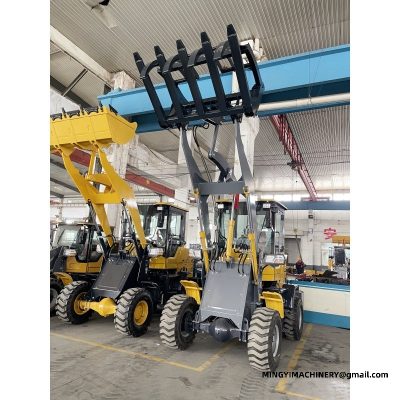
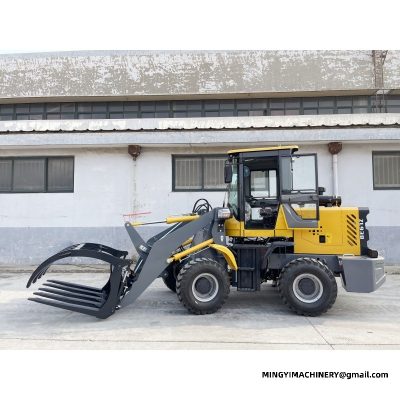
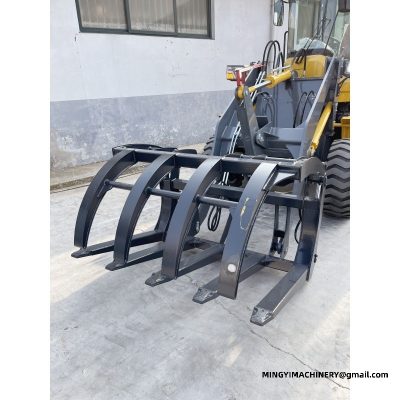
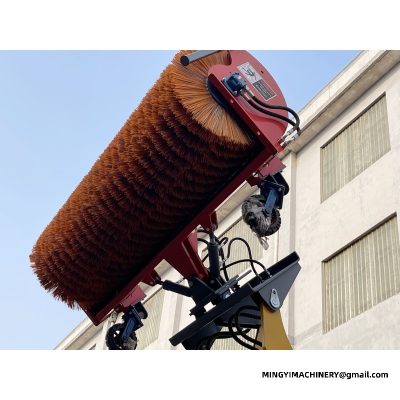
Plan the tool set with the machine order. Bucket plus forks covers most general work; add a grapple for silage, scrap or demolition; add a snow tool where winters are real. If any tool is hydraulically actuated, order the third circuit now, because the 40 pump (490 engine); 1045 pump (4102 turbo engine) on the light-duty 3.2 m low-profile wheel loader and the 40 pump (490 engine); 1045 pump (4102 turbo engine) on the light-duty 3.8 m small-frame wheel-side reduction wheel loader were sized for the base machine and a retrofit means a valve block, plumbing and labour in the field.
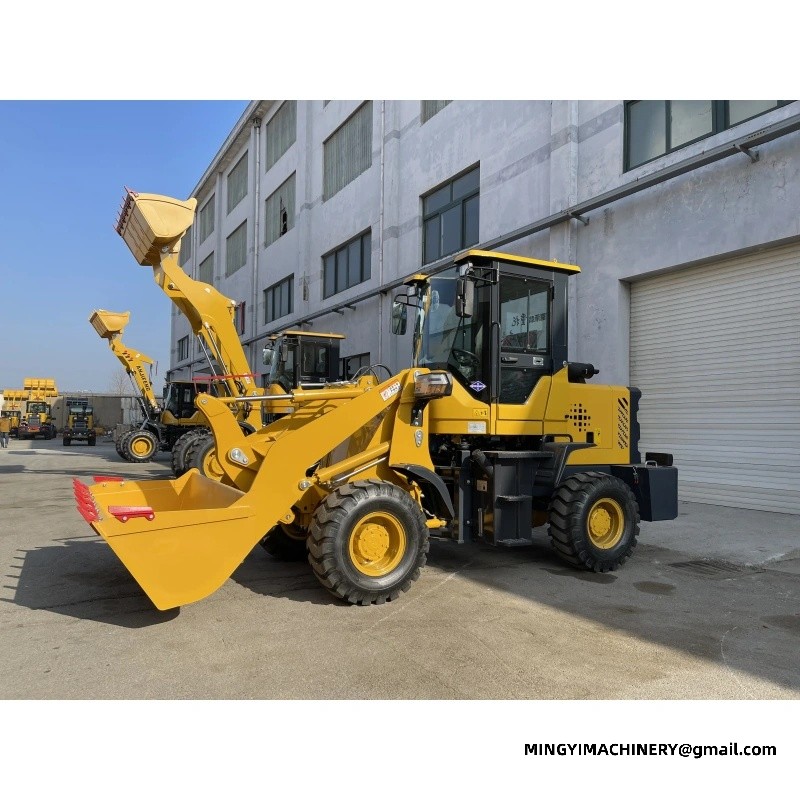
Electrical specification is short but consequential. The light-duty 3.2 m small-frame wheel-side reduction wheel loader lists 60 Ah (490 engine); 80 Ah (4102 turbo engine); the heavy-duty 4.5 m small-frame wheel-side reduction wheel loader lists 60 Ah (490 engine); 80 Ah (4102 turbo engine). Where a build offers two engines, the higher capacity belongs to the turbo — more compression to turn, more glow-plug load, and in a cold market that difference is the whole of a morning.
Beyond the battery, specify an isolator switch and confirm the alternator output matches the load you intend to add. Work lights, a beacon, a reversing alarm and a hydraulic third-circuit solenoid all draw from the same pack, and the 40 pump (490 engine); 1045 pump (4102 turbo engine) driven hydraulics on the light-duty 3.2 m small-frame wheel-side reduction wheel loader do not reduce that draw. On the heavy-duty 4.5 m small-frame wheel-side reduction wheel loader the same applies with 40 pump (490 engine); 1045 pump (4102 turbo engine). If the machine will sit for more than a month before commissioning, specify the isolator and a maintenance charge interval.
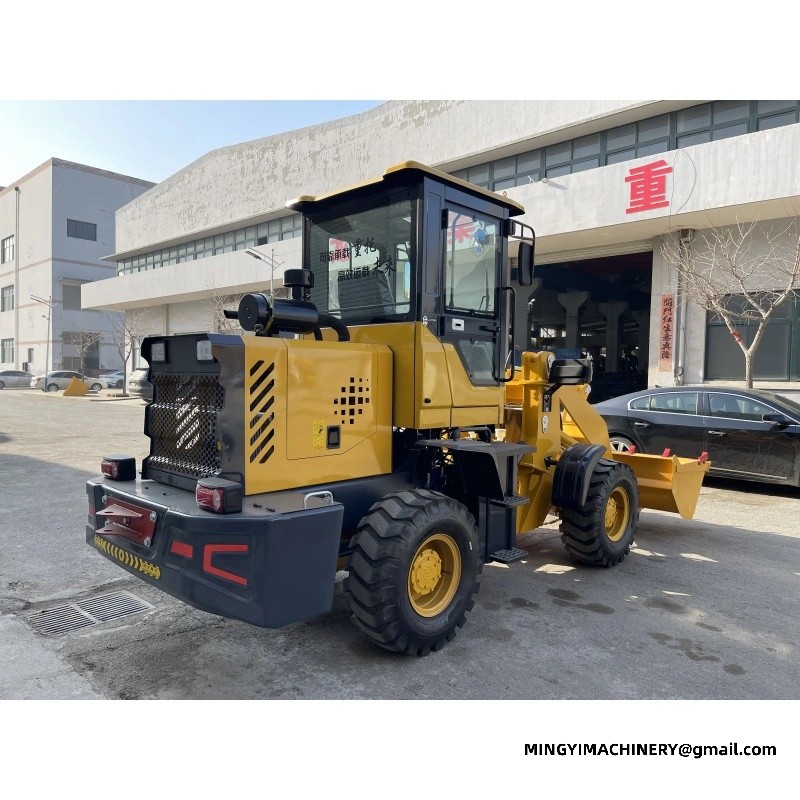
Soft ground punishes driveline parts before it punishes the frame. Sand, clay and loose overburden all increase rolling resistance, which increases torque at the hub, which is exactly where a non-reduction axle is weakest. Where the specification lists two track figures, as it does here at 1.5 m (wheel-side reduction axle); 1.45 m (Isuzu axle), the wider one belongs to the hub-reduction axle and is the specification for that ground.
Hard ground is the opposite case. On concrete, compacted hardstand or a paved yard, rolling resistance is low and sustained travel speed is high, so heat rather than torque becomes the limit. The heavy-duty 3.5 m medium-frame wheel-side reduction wheel loader lists 1.6 m, and the narrower figure there is the one for hard standing. Matching axle to surface takes nothing at the order stage and saves a driveline later.
| Published build data — light-duty 3.2 m small-frame wheel-side reduction wheel loader | |
|---|---|
| Bucket capacity | 0.38 m³ |
| Dump height | 3.2 m |
| Track width | 1.5 m (wheel-side reduction axle); 1.45 m (Isuzu axle) |
| Boom arm thickness | 25 mm |
| Boom arm width | 370 mm |
| Boom arm length | 2.3 m |
| Boom arm centre distance | 890 mm |
| Cross-member thickness | 25 mm |
| Front hinge plate thickness | 25 mm |
| Rear hinge plate thickness | 14 mm |
| Rear frame section | 280 mm high x 800 mm wide |
| Hydraulic cylinders | centre cylinder 45 / side cylinder 40 |
| Fuel tank | 64.7 L (75# small tank) |
| Battery | 60 Ah (490 engine); 80 Ah (4102 turbo engine) |
| Front wheel to counterweight | 3.8 m |
| Radiator | 4100 core (490 engine); 4105 core (4102T engine) |
| Work pump | 40 pump (490 engine); 1045 pump (4102 turbo engine) |
| Travel pump | 316 pump |
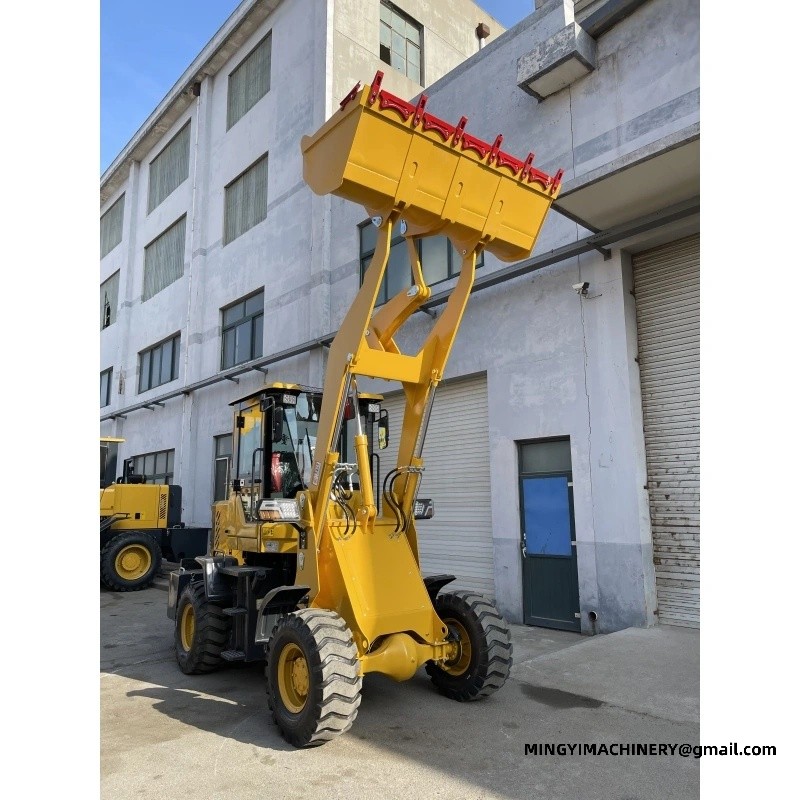
When a loaded machine turns, the load does not go straight down through the hinge. It goes through the plates at an angle, and the rear frame takes the twist. Rear section here is 230 mm high x 800 mm wide; cross-member 25 mm; rear hinge plate 14 mm. Read those three together and you have the answer to how a frame behaves when it is both loaded and turning.
The front plate, at 25 mm, is the thicker of the pair, and the boom ahead of it is designed to give way first anyway: the bucket hits the ground, the arm takes the shock, and the cylinders at centre cylinder 45 / side cylinder 40 absorb what is left. That is the intended load path. Protecting it means protecting the pins, and protecting the pins means the cross-member stays at the thickness it was built with.
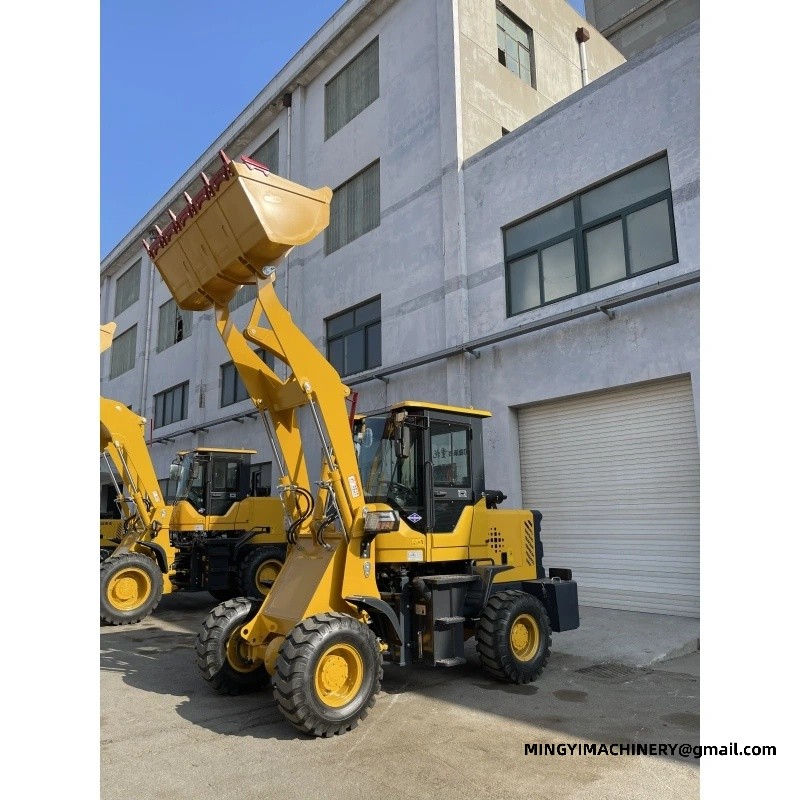
Most loader downtime is avoidable and most of what is avoidable is grease, coolant and hoses. Grease the articulation and the boom pins on the interval — on the light-duty 3.8 m small-frame wheel-side reduction wheel loader that is the 25 mm and 14 mm plates and the 890 mm boom mounts. Keep the 4100 core (490 engine); 4105 core (4102T engine) core clean, because overheating presents as lost power long before it presents as a fault.
Hoses are the second most common cause of a stopped machine and the easiest to plan for: a chafing hose on the centre cylinder 45 / side cylinder 40 circuit weeps before it bursts, and a weekly look finds it. Pumps — 40 pump (490 engine); 1045 pump (4102 turbo engine) and 316 pump on the light-duty 3.8 m small-frame wheel-side reduction wheel loader — rarely fail without warning; they get noisy first. On the heavy-duty 3.5 m medium-frame wheel-side reduction wheel loader the equivalents are centre cylinder 60 / side cylinder 50, 2063 pump and 25 pump. Keep a hose set and a filter set on site and most of this becomes a tea break rather than a week.
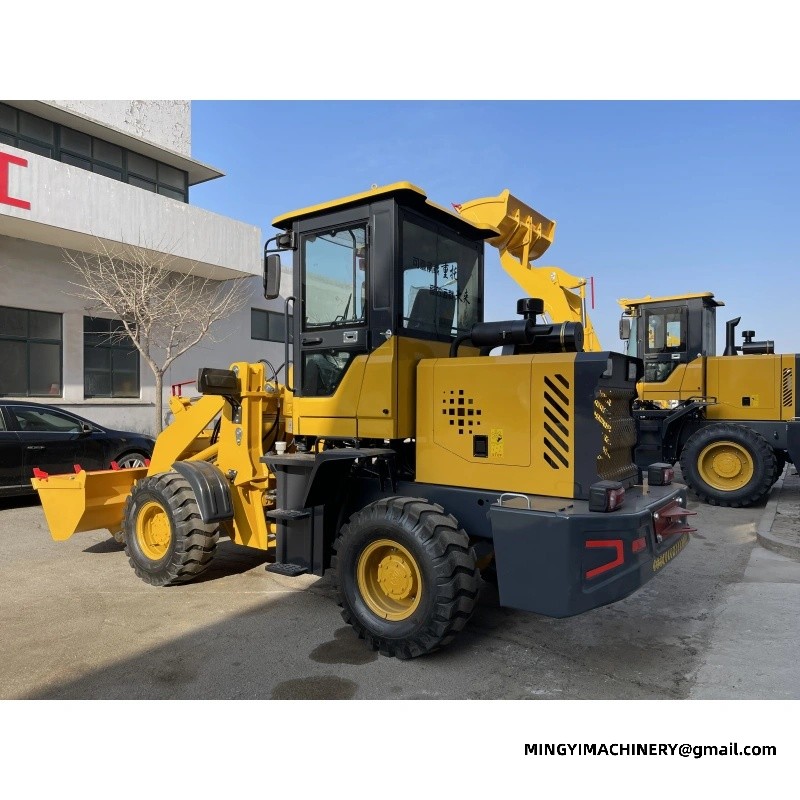
Export loading is a dimension problem. Rear frame width is the governing figure and it stays in a narrow band across this range — 280 mm high x 800 mm wide on the light-duty 3.8 m small-frame wheel-side reduction wheel loader, 300 mm high x 800 mm wide on the heavy-duty 3.5 m medium-frame wheel-side reduction wheel loader — so two to three units load in a single forty-foot container with the booms and counterweights packed alongside.
Commissioning is the part buyers under-plan. Before the first start: torque the hinge pins, fill the 64.7 L (75# small tank) tank and the 4100 core (490 engine); 4105 core (4102T engine) circuit, check the 40 pump (490 engine); 1045 pump (4102 turbo engine) and 316 pump connections, and charge or replace a battery that has sat through a voyage. Then check the five build figures — boom wall, boom width, front and rear hinge plates, cross-member — against the published table, because that is the one moment when a discrepancy is simple to fix.
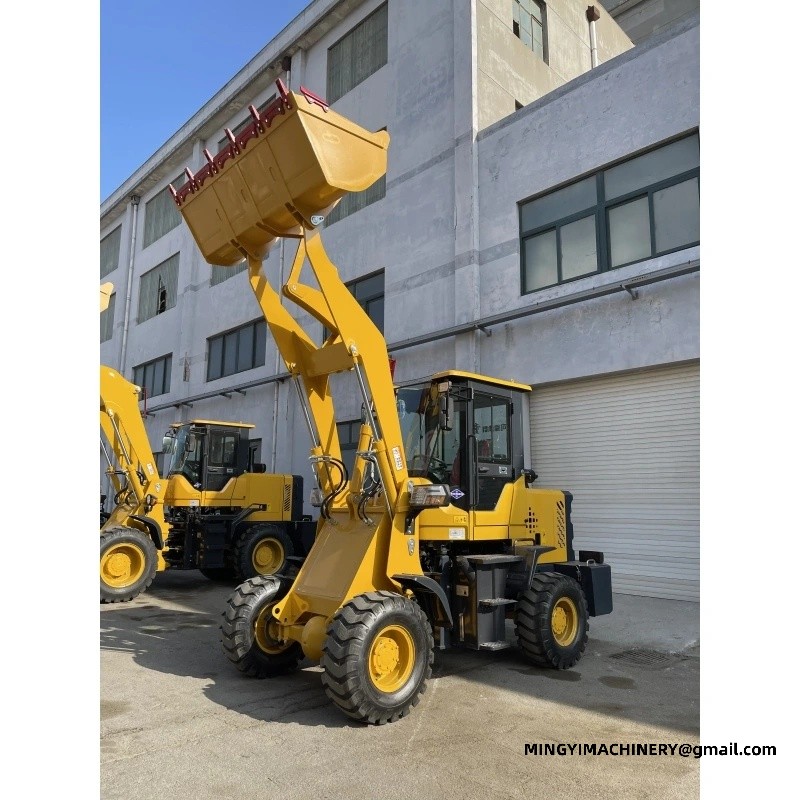
Daily: walk the machine, look at the ground under it, check the coolant level in the 4100 core (490 engine); 4105 core (4102T engine) package, and grease the hinge pins. Weekly: check the cylinder rods for scoring — centre cylinder 45 / side cylinder 40 — and the pins behind the 25 mm front plate for movement. Monthly: check the cross-member and rear frame, 230 mm high x 800 mm wide, for cracks at the weld toes.
None of that needs a workshop, and all of it is what keeps a machine tight. The parts that fail without warning are the ones nobody looks at: the pins, the hoses behind the 40 pump (490 engine); 1045 pump (4102 turbo engine), and the battery terminals on 60 Ah (490 engine); 80 Ah (4102 turbo engine). A ten-minute walk-round finds all three before they stop the machine.
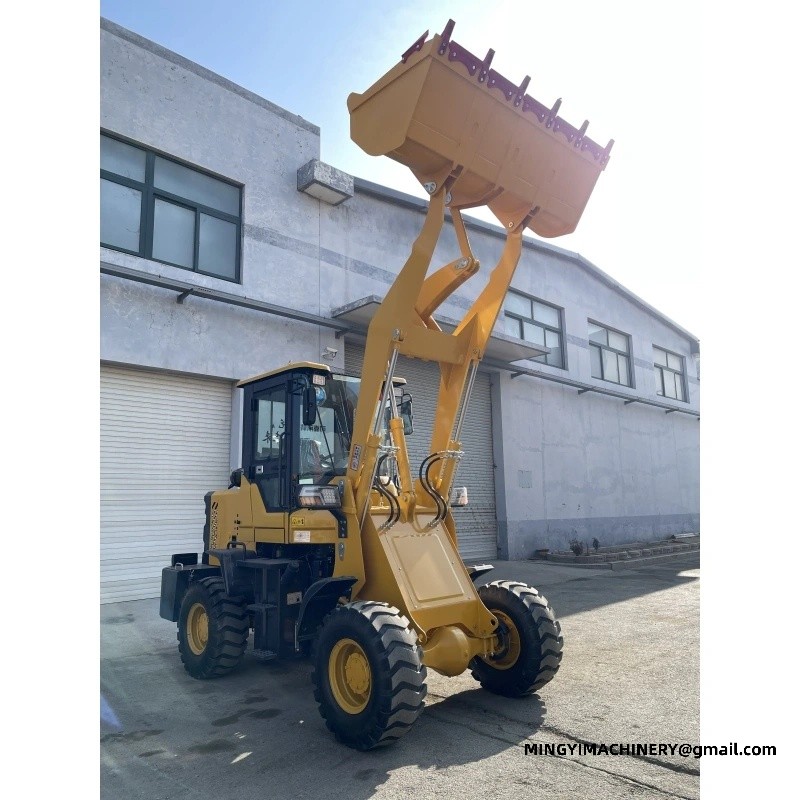
Continuous stockpile duty is where light builds are separated from heavy ones, and the separation is visible in steel. The light-duty 3.5 m small-frame wheel-side reduction wheel loader lists 25 mm front and 14 mm rear hinge plates over a 25 mm cross-member and a 280 mm high x 800 mm wide rear frame, carrying 0.38 m³ to 3.5 m. The light-duty 3.2 m low-profile wheel loader lists 25 mm, 14 mm, 25 mm and 230 mm high x 800 mm wide, carrying 0.38 m³ to 3.2 m.
Choose by cycle count rather than by material. Below twenty truck loads a day the lighter machine is the better economics; above it, the heavier frame pays for itself in avoided downtime. Then specify the cooling package for the material — 4100 core (490 engine); 4105 core (4102T engine) raised core for fines and dust — and the axle for the floor. Both are simple at order time and neither is simple later.
How does a hydraulic wheel loader compare with a backhoe loader?
A loader moves more material per pass and carries it higher — 0.65 m³ at 3.5 m on the heavy-duty 3.5 m medium-frame wheel-side reduction wheel loader — while a backhoe digs below grade. Choose by which job you do most.
What boom wall thickness does a hydraulic wheel loader need?
25 mm on the heavy-duty 4.5 m small-frame wheel-side reduction wheel loader against 30 mm on the heavy-duty 3.5 m medium-frame wheel-side reduction wheel loader. A long arm on a thin wall lifts on paper and feels vague in the yard, so read wall and length together.
How is the counterweight mounted on a hydraulic wheel loader?
Bolted to the rear frame section, 280 mm high x 800 mm wide on the light-duty 3.5 m small-frame wheel-side reduction wheel loader, rather than hung off brackets. Bracket-mounted ballast is what cracks under daily face work.
Can a hydraulic wheel loader work indoors?
The low-profile builds can, where height and footprint allow: 4.25 m front-to-counterweight length and 1.5 m (wheel-side reduction axle); 1.45 m (Isuzu axle) track on the heavy-duty 4.5 m small-frame wheel-side reduction wheel loader. Ventilation is the other constraint to check.
Can one spares kit cover a mixed hydraulic wheel loader fleet?
Within a frame family, largely yes: the centre cylinder 40 / side cylinder 40 cylinder set and the 32 pump and 316 pump pumps are shared. Across families the cylinder set changes to centre cylinder 45 / side cylinder 40.
What should I check before a hydraulic wheel loader works a ramp?
Traction and cooling. A 1.5 m (wheel-side reduction axle); 1.45 m (Isuzu axle) track with wheel-side reduction holds on a ramp where an Isuzu-pattern axle would spin, and the 4100 core (490 engine); 4105 core (4102T engine) radiator keeps working at low speed.
Is the wheel-side reduction axle worth specifying on a hydraulic wheel loader?
If the ground is soft, rutted or sloped, yes: a 1.5 m (wheel-side reduction axle); 1.45 m (Isuzu axle) track with hub reduction keeps traction where a faster axle would spin. On hard, level ground it is not needed.
Send the application and the receiving body height and we will match a hydraulic wheel loader to it from the published range — 0.3 m³ bucket at 2.4 m, or 0.38 m³ at 3.2 m — and specification the build, the container plan and the spares package together.
Packing, loading and shipment of Hydraulic Wheel Loader: Cylinders, Pumps and Circuit Options
Container loading is a planning exercise. The overall dimensions and the operating weight of Hydraulic Wheel Loader: Cylinders, Pumps and Circuit Options decide whether it ships whole, partly disassembled or with the attachment removed, and that decision is made before the booking.
Planning the season around Hydraulic Wheel Loader: Cylinders, Pumps and Circuit Options
Seasonal work rewards a machine that can change duty. Through the year Hydraulic Wheel Loader: Cylinders, Pumps and Circuit Options may move from one task to another, and the attachment list should be chosen for the whole year rather than for the first job.
Contact MINGYI Machinery for the current wheel loader lineup, configuration options and a formal specification for your market. E-mail: sales@mingycn.com | LINE (ID): mingyicn
Compact Wheel Loader: Access, Track Width and Small-Frame Builds · Small Wheel Loader: Where the Compact Builds Earn Their Keep · Wheel Loader for Material Handling: Forks and Load Centres · Loaders