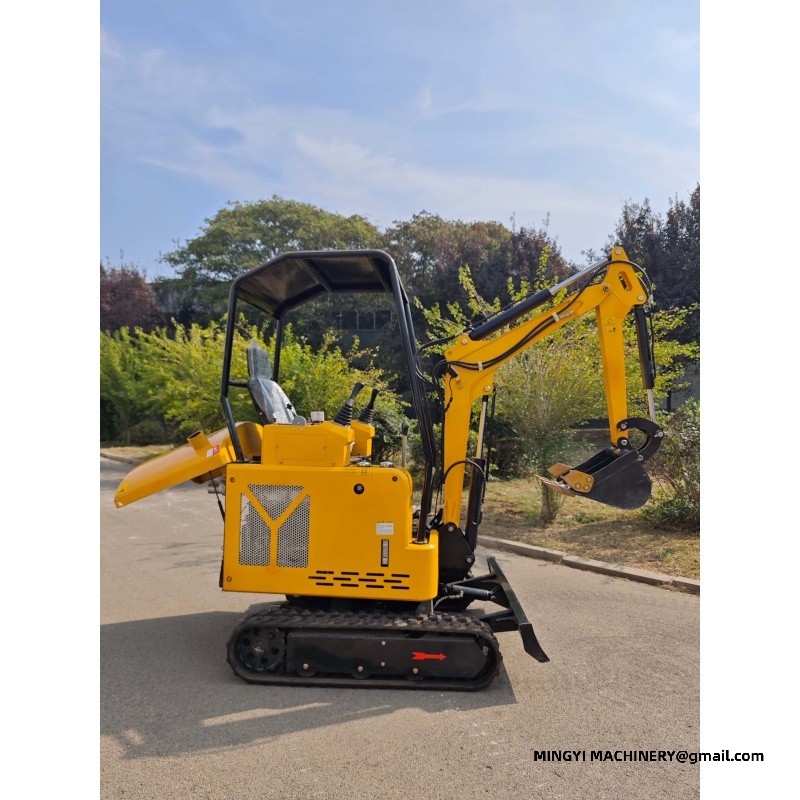
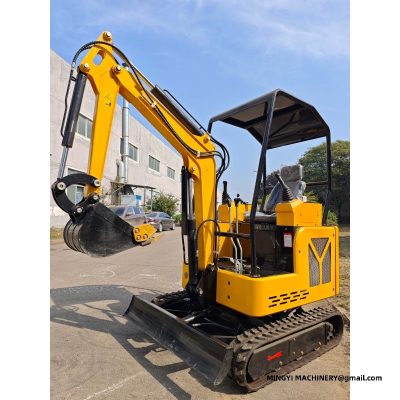
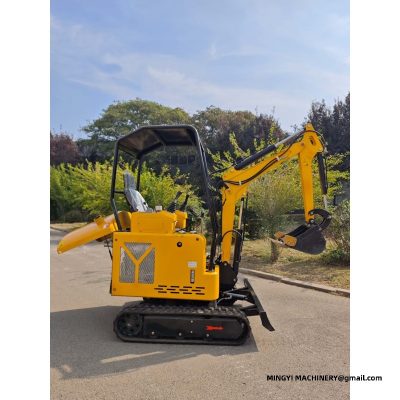
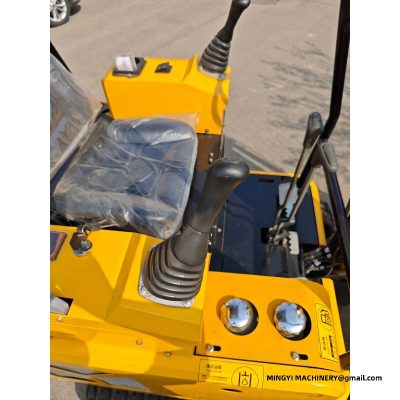
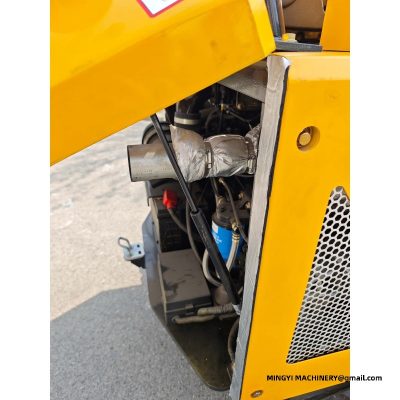
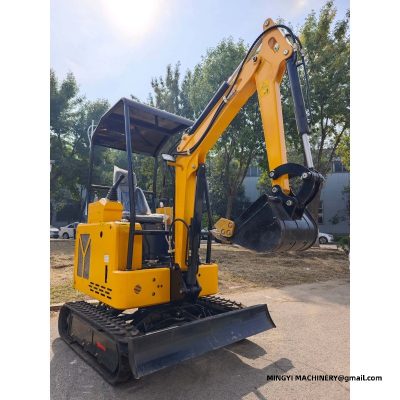
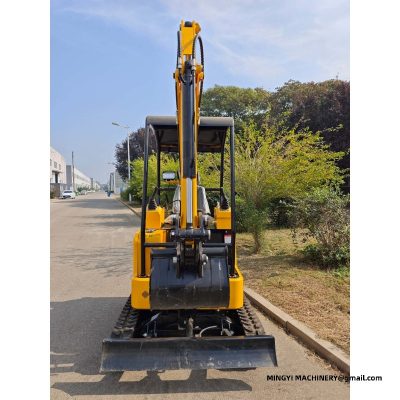
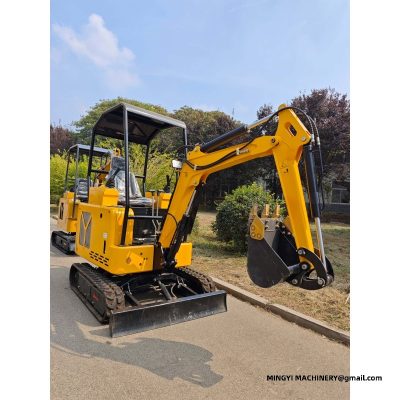
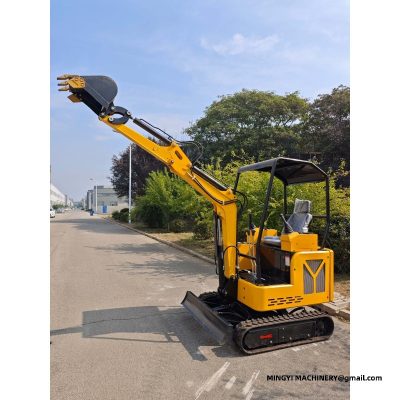
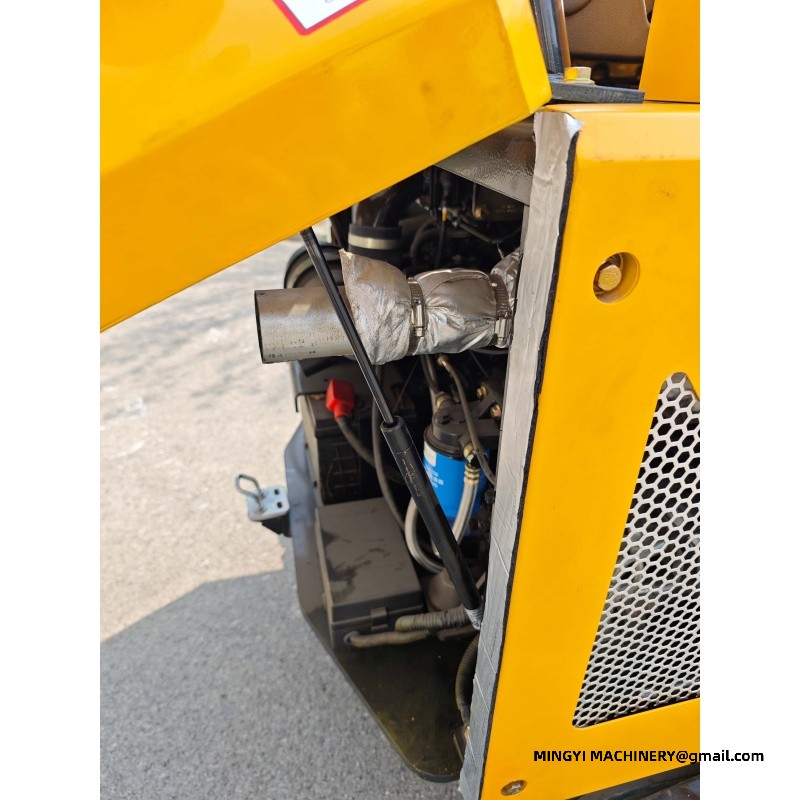
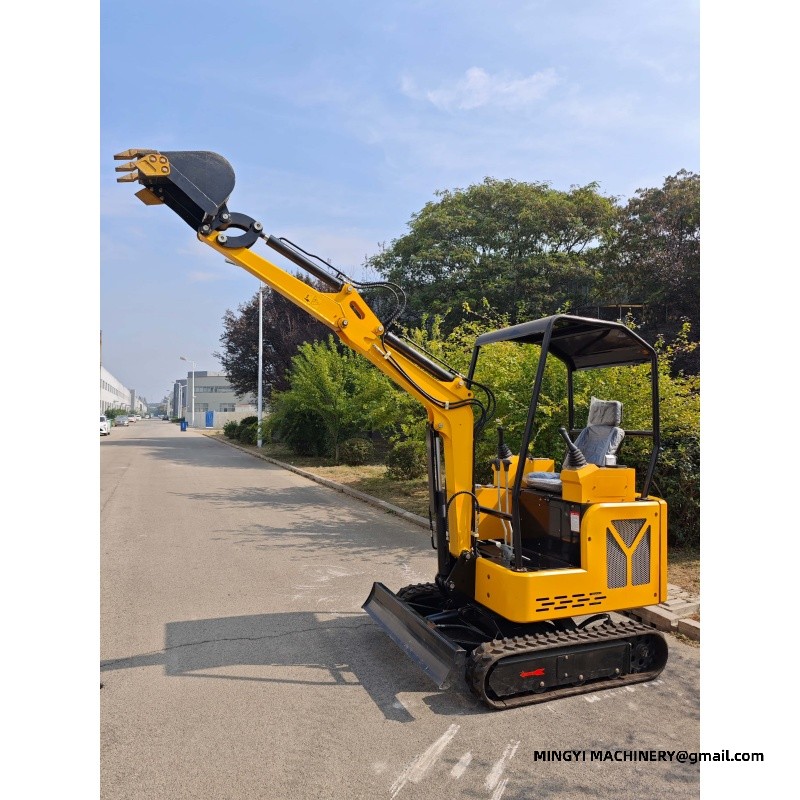
Diesel remains the right power source for an excavator that works all day, runs attachments, and may be started in the cold and left on site for weeks. MINGYI mini excavators are diesel-powered machines.
The range can be supplied with Kubota D722 or D902, YANMAR, Changchai, Laidong, Runtong, YARMAX or Youpu engines, which lets buyers match the machine to the service and parts network they already run.
Why diesel for this duty
A mini excavator spends much of its life at part load with high hydraulic demand — trenching, breaking, grading. A diesel engine delivers its torque low in the rev range and holds it under sustained load, so the machine keeps hydraulic pressure up without screaming at the top of its rev band.
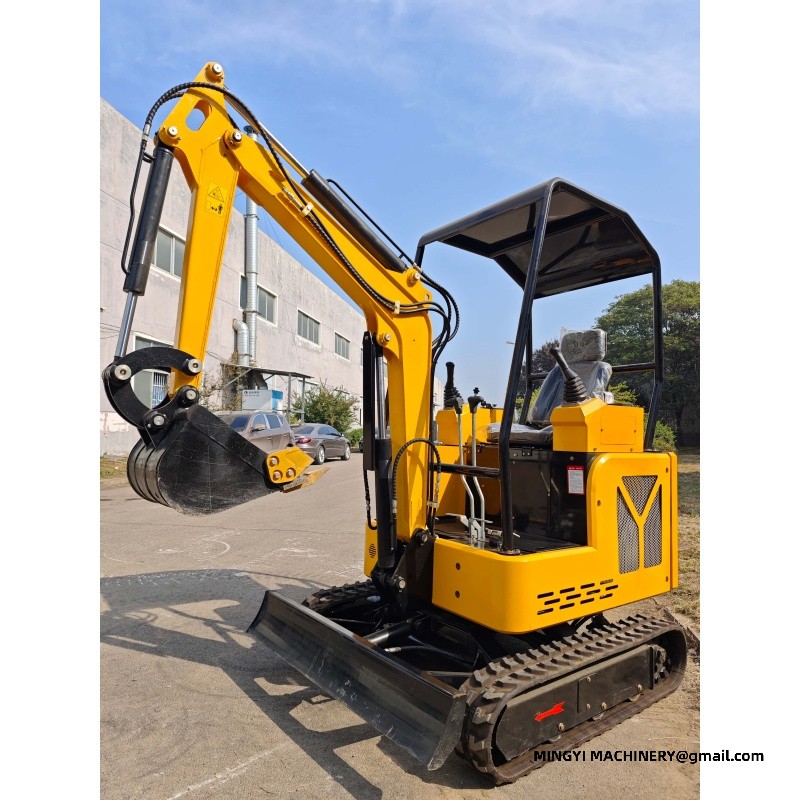
Diesel also gives a realistic working day on one tank and simple refuelling from a can, without the electrical infrastructure that a battery machine would need on a remote site.
Choosing between engine families
Kubota and YANMAR units are common where buyers want a globally recognised parts network. Changchai, Laidong, Runtong, YARMAX and Youpu engines are widely used where local service support and parts effort are the priority. Either way, the machine specification is otherwise the same.
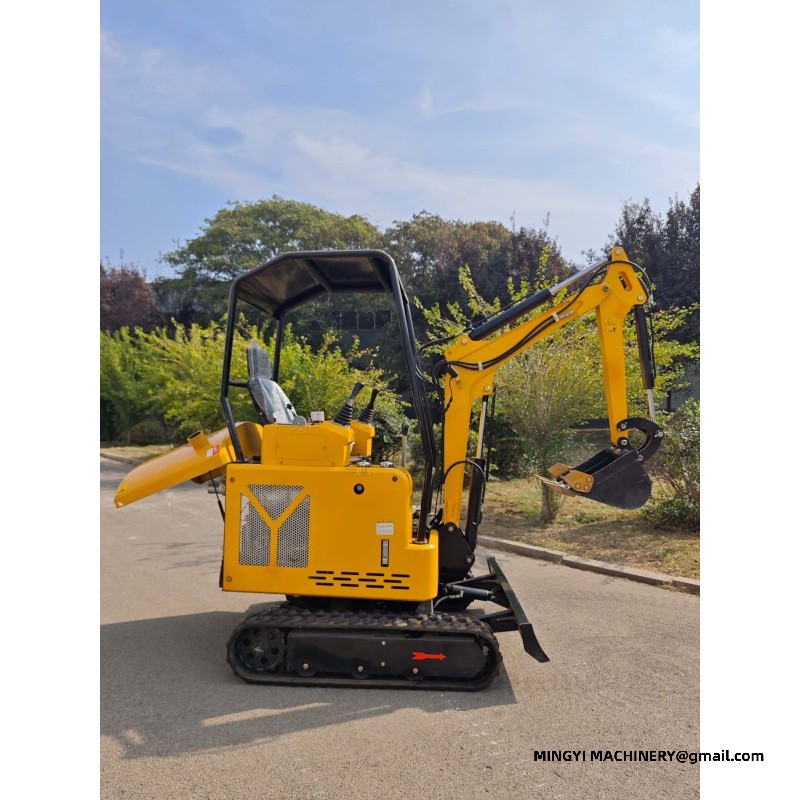
Diesel engine benefits
• Sustained torque under continuous hydraulic load
• Straightforward refuelling on sites without power
• Widely available service parts across engine families
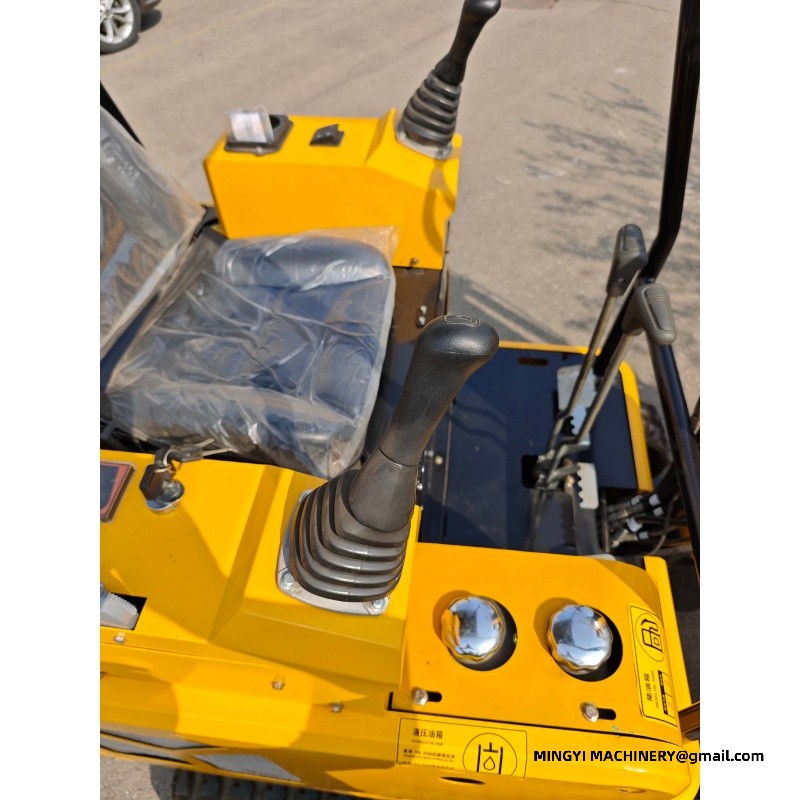
• Suited to cold starts and long periods of standing
• No charging infrastructure required
Tell us which engine family your fleet already uses and we will specification the matching specification.
Boom configuration for diesel mini excavator Extended and offset boom configurations change reach and working range. This class of machine with a longer arm reaches further but lifts less at full extension, so the specification is set against the deepest and furthest point on the job list. Detachable boom sections are used where transport length matters. The unit in daily use that has to travel on a standard trailer can be built so the arm comes off for the road and goes back on at the site. Road and paving work for diesel mini excavator Patching and reinstatement favour a machine that can work in a lane closure. A machine of this size occupies less road than a full-size excavator, which reduces the traffic management needed and the length of the closure. Breaking out a failed slab and backfilling the same hole in one visit is normal work for the equipment on site. The breaker and the bucket come off the same coupler, so the road is reopened the same day. Noise, dust and working near occupied buildings Work near housing or occupied premises brings constraints that open sites do not. Start times, exhaust condition and how often the machine itself needs to reverse are the practical limits that neighbours notice. Dust control is often part of the same conversation. Water, timing and work sequence reduce what leaves the site, and agreeing them in advance keeps the model in question working rather than stopped after a complaint. Trenching work with diesel mini excavator Trench quality depends on the bucket width and the operator, not on machine size. The machine in that duty with a narrow bucket and a swing boom cuts a clean run along a boundary without disturbing the ground either side of it. Depth control matters more on service work than speed. The unit on the job working beside live services is chosen because it can be placed precisely and stopped instantly, which is what the job actually requires. Attachments that turn diesel mini excavator into several machines The base machine is a carrier; the tool on the end of the arm decides the task. A machine built for the work fitted with a toothed bucket digs, and the same machine with a breaker, an auger or a grab does work that would otherwise need a second unit on site. Attachment lists are best written before delivery. Specifying the equipment in service with the tools the job list needs avoids the work and delay of adding hydraulics later, and a quick coupler makes the swap a few minutes instead of a workshop job. Running this class of machine in a rental fleet Rental fleets buy for utilisation, not for a single job. The unit in daily use with a quick coupler and a common attachment standard is hired more often because it suits more of the calls that come in. The specification that rents best is usually the simplest one to explain at the counter. A machine of this size with rubber tracks, a canopy and a coupler covers the majority of weekend and short-term hires. Lifting and material handling with the equipment on site Lifting with a machine built to dig needs a plan. The load, the radius and the ground under the model in question all matter, and the safe figure is the one on the chart rather than the one that looks possible. Stability changes with reach. A load the machine itself handles close in becomes a different proposition at full extension, so the working radius belongs in the plan before the lift rather than during it. Specifying the machine in that duty against a job list The practical way to specify is to write the job list first: the narrowest access, the deepest trench, the heaviest tool and the surfaces the machine must cross. The unit on the job is then matched to those four numbers. Useful information to send with an enquiry includes working width, required digging depth, ground conditions and the attachment set. Those four items let the factory specify a machine built for the work that fits rather than a generic build. Quick coupler practice on the equipment in service Couplers are specified early because they affect the arm and the hydraulic kit. Adding one to this class of machine after delivery means new pins, new hoses and a fitment session; adding it at build time is a line on the sheet. For a fleet that shares attachments between machines, a common coupler standard matters more than the coupler brand. The unit in daily use that picks up the same tools as the larger machines keeps the rack usable across the yard. Working on slopes and uneven ground with a machine of this size Ground that looks level often is not. The equipment on site crossing a filled trench, a soft edge or a hidden void behaves differently from one on undisturbed ground, and those are the places worth walking before driving. Planning the direction of travel helps. Working so that the machine itself is stable under load and not required to turn on a slope is a decision made before the job starts, not a correction made during it. Getting the model in question through a narrow gap Access decides the machine before output does. With the machine in that duty the limiting dimension is usually the widest point on the way in, so measuring the gate, the corridor and the turning space first saves a wasted delivery and a second visit. Contractors who buy the unit on the job normally have one job in mind that nothing else reaches. The purchase order follows the access measurement, not the other way round, and the build sheet is then settled around it. OEM and fleet customisation of a machine built for the work Customisation also covers the specification sheet. A fleet buyer may want every this class of machine delivered with the same coupler, the same engine and the same tool kit so training and parts stock stay simple. Documentation can be prepared to suit the importer. Manuals, parts books and decal sets for the equipment in service can be supplied with the buyer's own branding where the order size justifies it. Export packing and shipping of the unit in daily use Export documentation, decals and paint are settled before packing. Asking for them with the equipment on site order avoids a second handling session and keeps the machine on the booked vessel. Buyers who import regularly plan the spare parts with the machine. A machine of this size ordered with a wearing-parts kit arrives ready to work rather than ready to wait for the first service interval. Specification data for the machine itself Buyers comparing the model in question usually start from four numbers - weight, digging depth, reach and transport width - because those are the ones that decide whether the machine can be delivered and whether it can do the job once it is there. These are the reference figures for the machine in that duty. MINGYI confirms the final build sheet, including engine and attachment choices, against the destination and the job list before production. Daily maintenance on the unit on the job is a short list: engine oil level, coolant, track tension, hydraulic oil level and a look at the hoses. Ten minutes at the start of the shift prevents most of the failures that stop a machine. Greasing is the second item. The slew ring, the boom and arm pins and the bucket linkage on a machine built for the work take grease daily in dusty work, and the intervals shorten further when the machine is used in water or mud.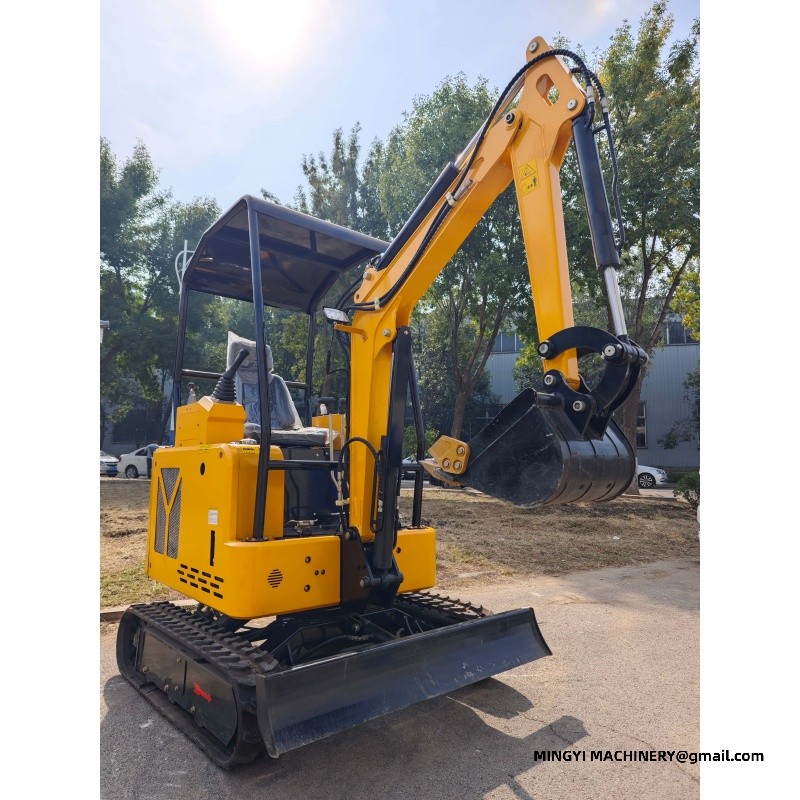
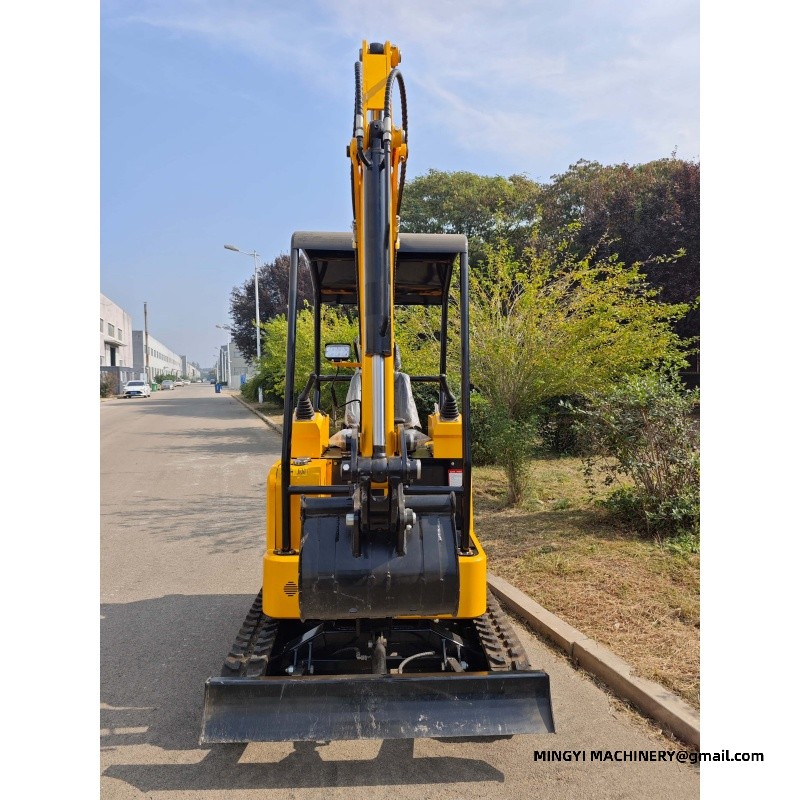
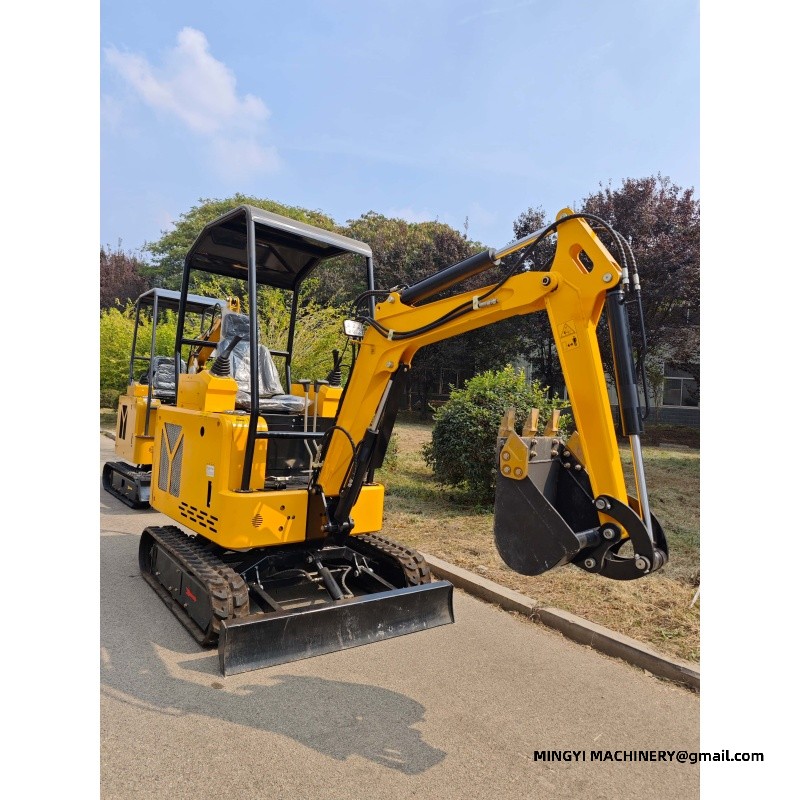
Reference specification — mini excavator range 15W 20-1W 30-1W 09L Operating weight 1400 kg (3086.47 lb) 1800 kg (3968.32 lb) 2900 kg (6393.41 lb) 1100 kg (2425.08 lb) Transport size (L×W×H) 2200 × 930 × 2250 mm 2550 × 1100 × 2200 mm 3000 × 1250 × 2780 mm 2300 × 720 × 1870 mm Max digging depth 1630 mm (64.17 in) 1800 mm (70.87 in) 2200 mm (86.61 in) 1400 mm (55.12 in) Max digging height 2750 mm (108.27 in) 2820 mm (111.02 in) 3400 mm (133.86 in) 2800 mm (110.24 in) Max dumping height 1960 mm (77.17 in) 2050 mm (80.71 in) 2400 mm (94.49 in) 1880 mm (74.02 in) Max digging radius 2900 mm (114.17 in) 3050 mm (120.08 in) 4000 mm (157.48 in) 2490 mm (98.03 in) Max digging distance 2100 mm (82.68 in) 2300 mm (90.55 in) 2800 mm (110.24 in) 2000 mm (78.74 in) Minimum turning radius 1300 mm (51.18 in) 1450 mm (57.09 in) 2000 mm (78.74 in) 1400 mm (55.12 in) Travel speed 3 km/h (1.86 mph) 5 km/h (3.11 mph) 5 km/h (3.11 mph) 3 km/h (1.86 mph) Gradeability 30° 30° 30° 30° Fuel consumption 1-1.3 L/h (0.264—0.343 gal) 2-3 L/h (0.528—0.793 gal) 2-3 L/h (0.528—0.793 gal) 1-1.3 L/h (0.264—0.343 gal) Fuel tank capacity 10 L (2.64 gal) 16 L (4.23 gal) 16 L (4.23 gal) 8 L (2.11 gal) Hydraulic oil tank 16 L (4.23 gal) 18 L (4.76 gal) 20 L (5.28 gal) 16 L (4.23 gal) Dozer blade lift height 180 mm (7.09 in) 180 mm (7.09 in) 420 mm (16.54 in) 180 mm (7.09 in) Dozer blade drop depth 210 mm (8.27 in) 210 mm (8.27 in) 210 mm (8.27 in) 210 mm (8.27 in)
Q. What diesel engines are available in your mini excavators?
A. MINGYI builds the 08, 12 and 18 models with Kubota D722 and D902, YANMAR, Changchai, Laidong, Runtong, YARMAX and Youpu power units. The engine family is fixed at order stage, so it can be matched to the fuel and service network in your market.
Q. Which diesel engine should I choose?
A. Choose for the service network you actually have. Where parts for a common family are on the shelf locally, that family keeps the machine working. Where you rely on shipping from China, order the first service kit with the machine to cover the gap.
Q. Are diesel machines suitable for indoor work?
A. Diesel machines are normally used outdoors or in well ventilated spaces, because of exhaust. For indoor demolition, basement work and greenhouse work buyers often specify a machine on the compact end of the range with the canopy build rather than an enclosed cab.
Reading the early symptoms on the equipment in service
The symptom is usually not at the fault. A hydraulic function that has become sluggish on this class of machine may point to a filter, a relief setting or a pump, and starting with the simple checks avoids the wrong guess.
Wear items and spares worth holding for the unit in daily use
Wear items are predictable once the machine has settled in. After the first service interval the pattern on a machine of this size is visible, and the parts that were replaced become the parts that are kept.
E-mail : sales@mingycn.com
LINE ( ID ): mingyicn
Related pages
mini excavator with canopy · mini excavator with cabin · mini excavator with grapple · PRODUCTS









