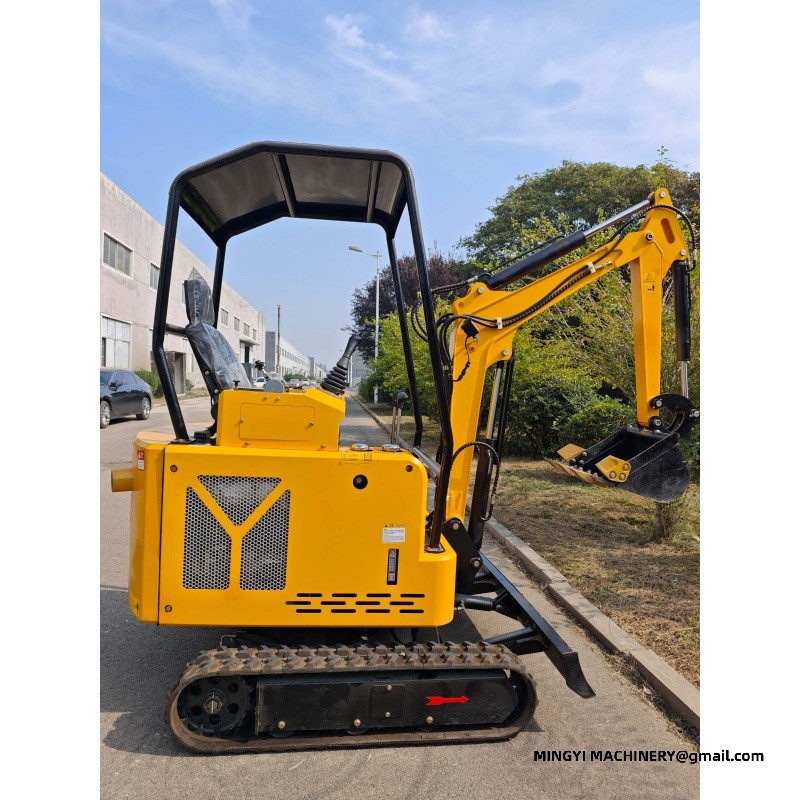
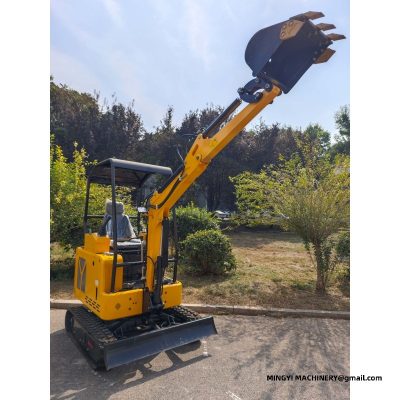
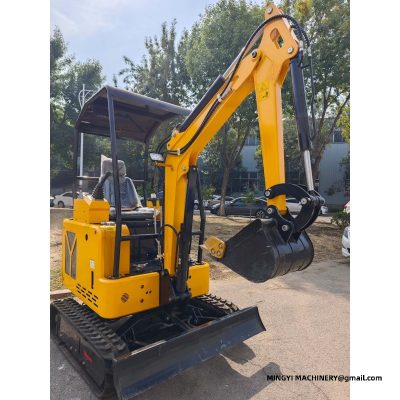
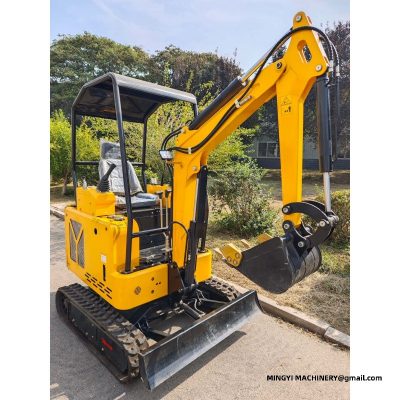
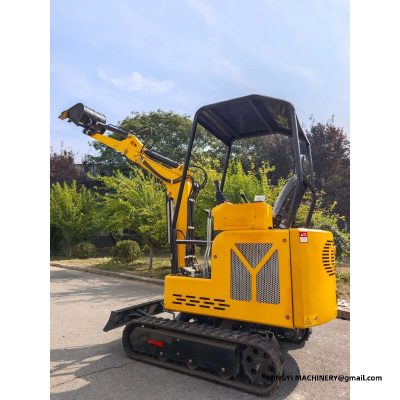
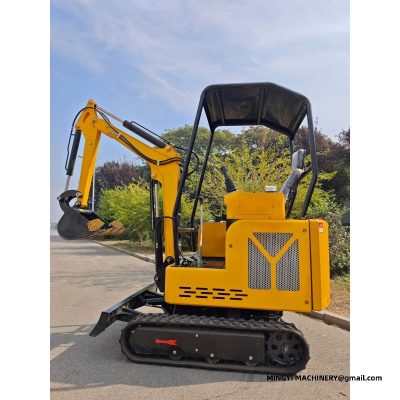
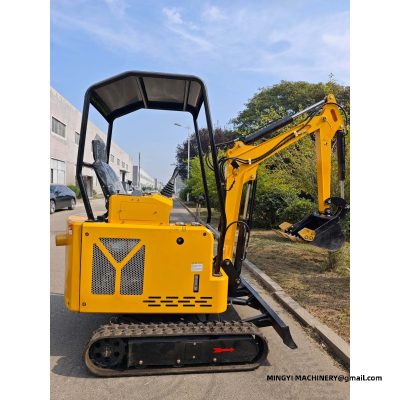
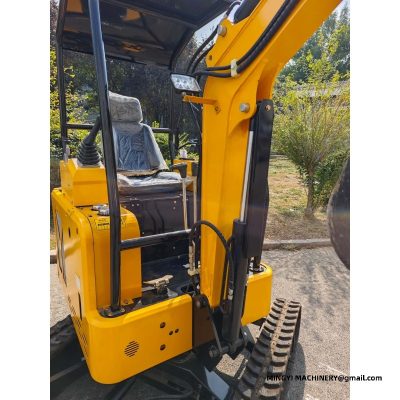
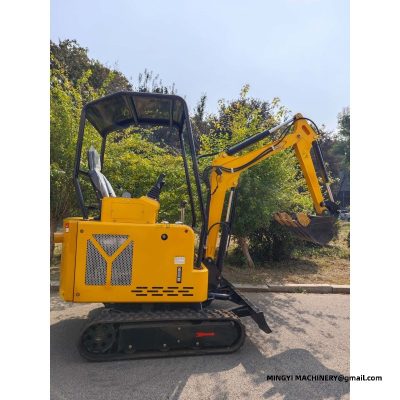
A cab changes what a mini excavator can be asked to do. With the operator enclosed, the machine can work through rain, dust and cold, and the shift length stops being limited by the weather.
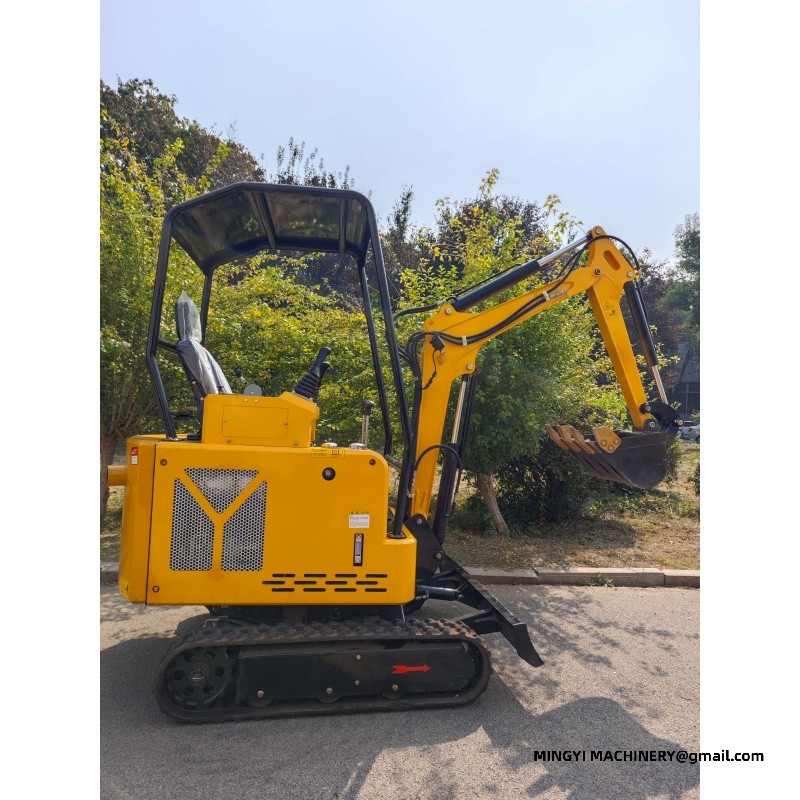
MINGYI mini excavators are available with an enclosed cab, and cab versions can be specified with a sealed operator station for dusty and wet conditions.
Comfort as productivity
An operator who is dry, out of the wind and not breathing dust works more accurately and for longer. On long trenching and demolition runs that difference shows up directly in the finished work: fewer over-dug sections, fewer repositioned machines, less rework.
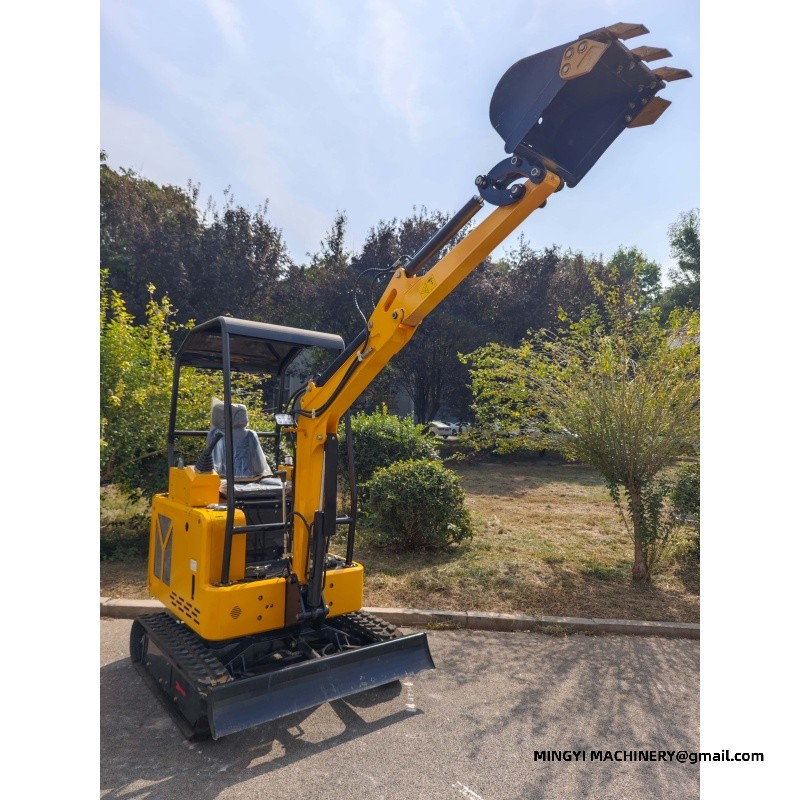
The enclosed station also reduces noise exposure, which matters on sites where the excavator runs beside other plant all day.
Canopy or cab — how to choose
Canopy machines are chosen where visibility and low transport height matter most and the operator is in the open anyway. Cab machines are chosen where the machine is the operator’s workplace for a full shift, where dust or rain is a constant, or where the site requires an enclosed station.
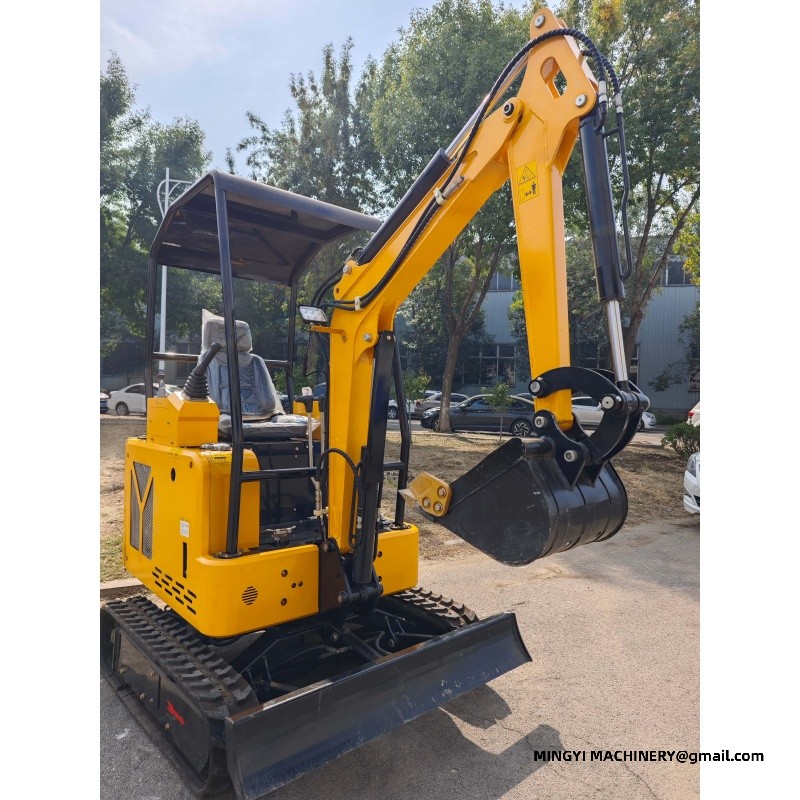
Cab version features
• Enclosed operator station for weather and dust
• Reduced noise exposure over a full shift
• Sealed option for wet and dusty environments
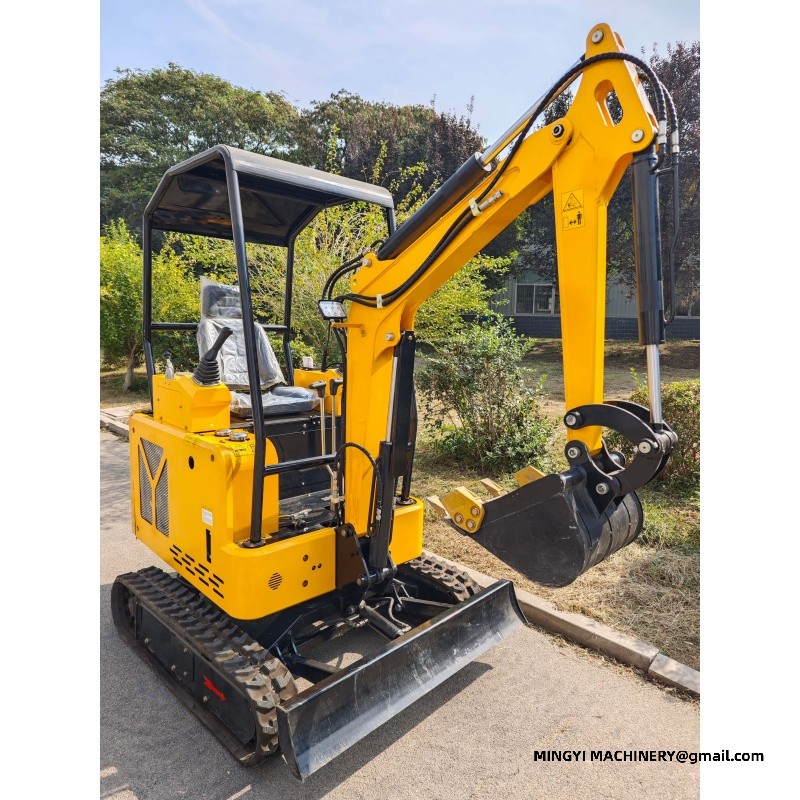
• Same base machine, hydraulics and attachments as the canopy version
• Available across the model range
Tell us about the site conditions and shift length and we will advise on cab specification and sealing level.
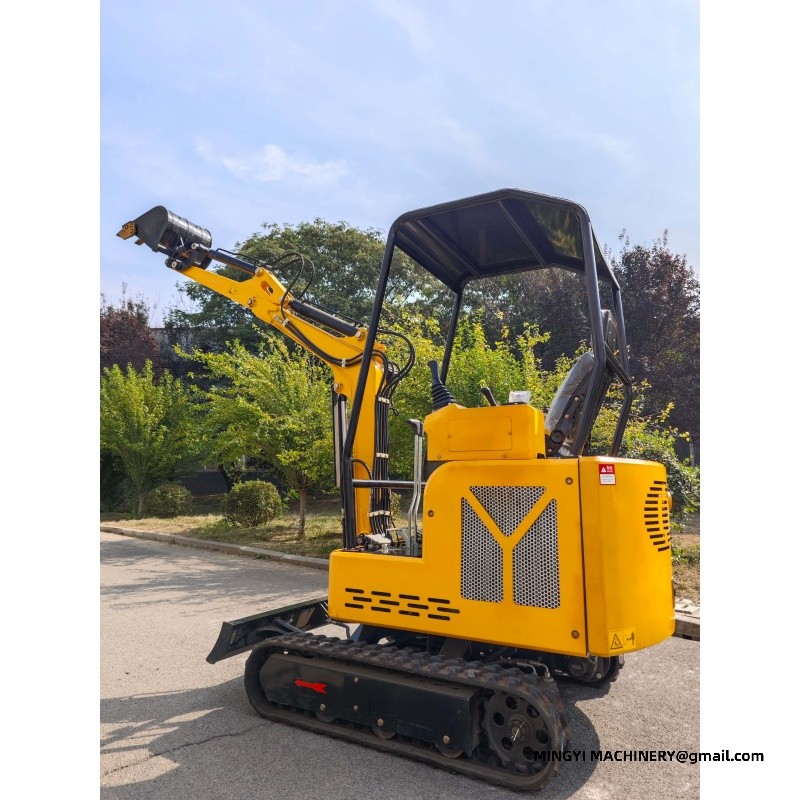
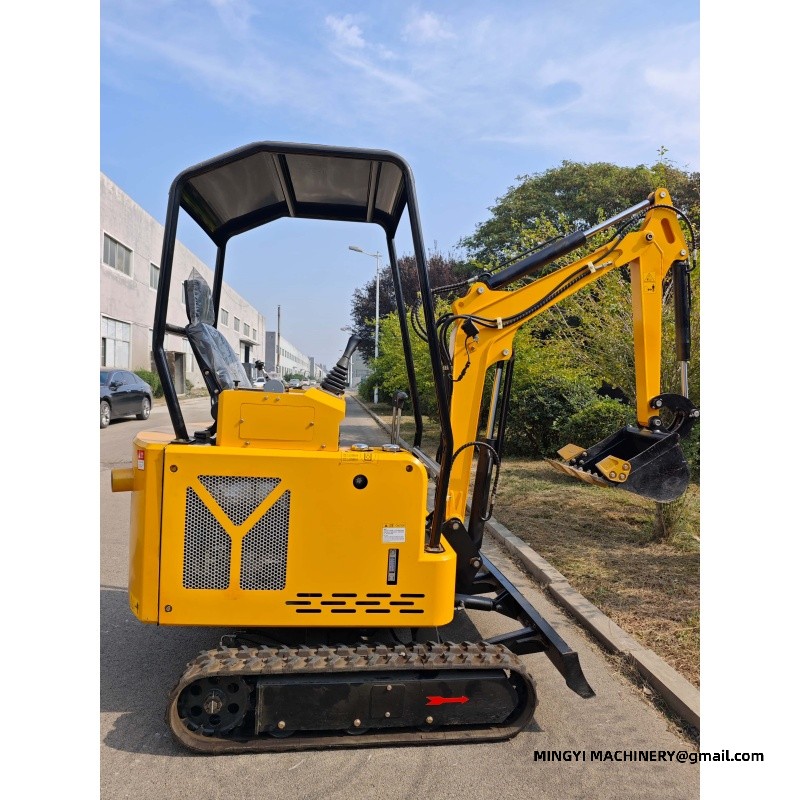
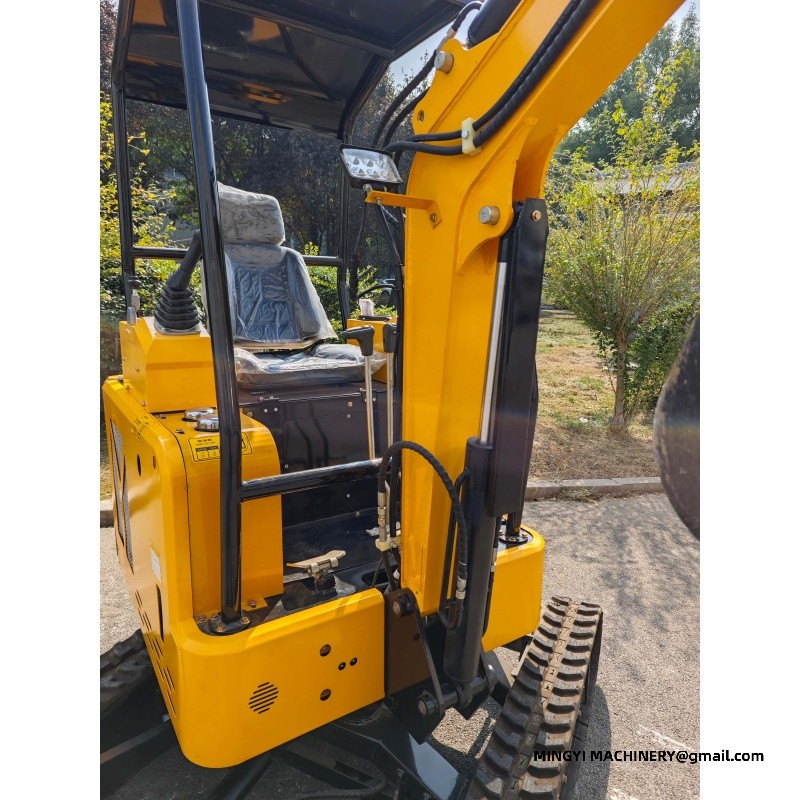
Boom configuration for mini excavator with cabin A swing boom lets the machine dig parallel to its tracks without repositioning, which is what makes trenching beside a wall or a fence practical. On this class of machine this is often the option that decides whether a job is possible at all. Detachable boom sections are used where transport length matters. The unit in daily use that has to travel on a standard trailer can be built so the arm comes off for the road and goes back on at the site. Working a mini excavator with cabin in confined spaces Confined sites are decided by dimensions. Overall width, tail swing and the space needed to work the arm are what let a machine of this size operate inside a building, between walls or in a courtyard. Clearance above matters as much as around. Door heights, pipework and overhead services set the limit for the equipment on site indoors, and measuring them first avoids a machine that arrives and cannot be used. Hiring versus owning a mini excavator with cabin The choice follows the hours. Work that fills a few weeks a year is usually better hired, while the machine itself that would be on site most weeks starts to justify ownership once the transport and booking time is counted. Availability is part of the decision. Owning the model in question means it is there on the day the ground is ready; hiring means competing for the same machine at the same time as everyone else in the season. Specifying mini excavator with cabin against a job list The practical way to specify is to write the job list first: the narrowest access, the deepest trench, the heaviest tool and the surfaces the machine must cross. The machine in that duty is then matched to those four numbers. Buyers who skip this step either over-buy or under-buy. The unit on the job specified only from machine size tends to arrive without the coupler, the circuits or the track type the work actually needs. Running mini excavator with cabin in a rental fleet Rental fleets buy for utilisation, not for a single job. A machine built for the work with a quick coupler and a common attachment standard is hired more often because it suits more of the calls that come in. Fleet buyers also weigh transport. The equipment in service that a customer can tow on a normal licence and a standard trailer is a hire that does not need a delivery truck, which changes how often it goes out. Orchard, vineyard and farm use of this class of machine Ditching, fertilising and drainage on farmland suit the unit in daily use because the work is spread over a large area in short bursts. The machine travels behind a pickup and works where it stops. Farms also use a machine of this size for general maintenance - clearing a watercourse, repairing a track, loading a spreader. One carrier with a few attachments covers most of the jobs that would otherwise wait for a contractor. Attachments that turn the equipment on site into several machines Attachment lists are best written before delivery. Specifying the machine itself with the tools the job list needs avoids the work and delay of adding hydraulics later, and a quick coupler makes the swap a few minutes instead of a workshop job. Most of the daily variety on the model in question comes from the attachment rack rather than from the machine itself. Bucket, breaker, auger, ripper, rake and grab cover the large majority of the work a contractor will see. Parts, service and support for the machine in that duty Support after delivery is a parts question. Wearing items for the unit on the job - filters, belts, track components, bucket teeth and pins - are the items a buyer should plan to hold before the first service interval. Remote support is handled by video. A machine built for the work fault can often be diagnosed on a walk-around call with the panel open, which is faster than waiting for a visit and avoids shipping a part that is not needed. Export packing and shipping of the equipment in service Machines leave the factory prepared for container or flat rack shipment. This class of machine is normally shipped with the attachment set and the spare parts list agreed in advance so the container is planned once. Buyers who import regularly plan the spare parts with the machine. The unit in daily use ordered with a wearing-parts kit arrives ready to work rather than ready to wait for the first service interval. Operator technique for a machine of this size Output on a compact machine comes from placement rather than power. An experienced operator keeps the equipment on site working inside the swing arc, positions once and digs a full run instead of repositioning for every bucket. Stability is the third. The machine itself working across the tracks rather than over the corners keeps the machine steady and the undercarriage loaded evenly, which shows up as track life at the end of the season. Engine options behind the model in question Two buyers can order the same the unit on the job and receive different engines. The decision is rarely about peak power; it is about which parts counter is closest to the site and which engine the local mechanic already knows. Engine choice is also an emissions and documentation question for some markets. Listing the available units with the machine in that duty enquiry lets the factory confirm what can be supplied and documented for the destination country. Trailering and moving a machine built for the work Loading practice matters as much as the numbers. The equipment in service is driven up ramps under its own power with the boom lowered and the tracks aligned, and secured at the points the manufacturer specifies. Detachable components reduce transport length. This class of machine built with a removable arm section or a folding step fits a shorter trailer and may avoid an oversize movement permit. Specification data for the unit in daily use The figures below are the factory figures for the models most often matched to a machine of this size. They are the numbers to check against the site: the depth the work needs, the reach from one position, and the width of the narrowest point on the route in. These are the reference figures for the equipment on site. MINGYI confirms the final build sheet, including engine and attachment choices, against the destination and the job list before production. Rubber tracks suit paved and landscaped ground because they spread the machine weight and leave the surface intact. Steel tracks with rubber blocks are specified where the ground is rougher or the working day is longer, and the choice can be made per machine rather than accepted as a factory default. Track type changes what the machine can cross and what it leaves behind. Buyers specify rubber for lawns, driveways and municipal work, and steel with rubber blocks for sites where sharp material would cut a rubber belt in a week.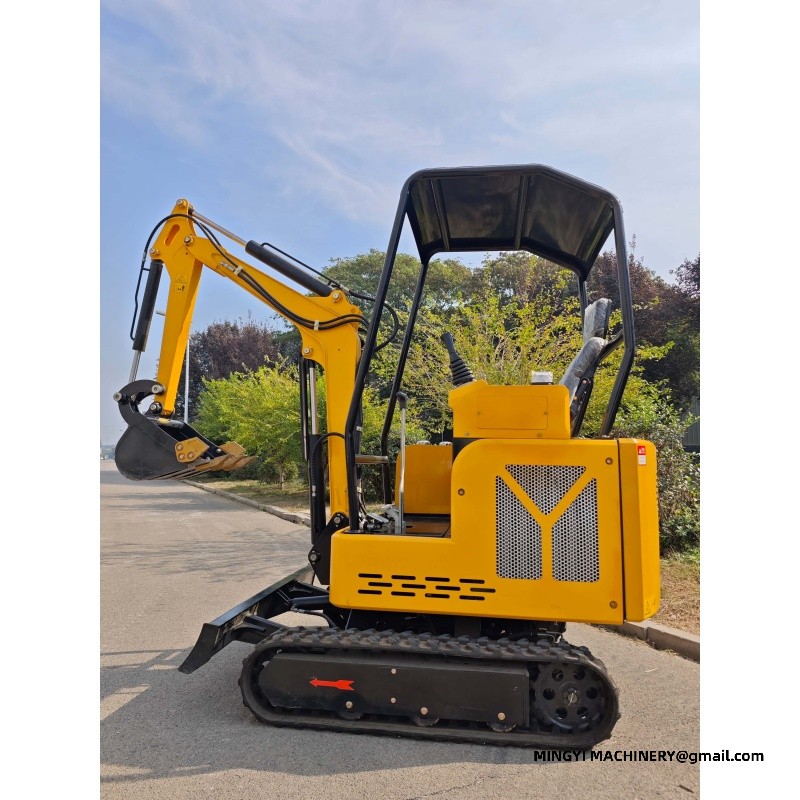
Reference specification — mini excavator range 09W 20-1W 20-1WL 30-1W Operating weight 1100 kg (2425.08 lb) 1800 kg (3968.32 lb) 1900 kg (4188.78 lb) 2900 kg (6393.41 lb) Transport size (L×W×H) 1800 × 750 × 1970 mm 2550 × 1100 × 2200 mm 2550 × 1100 × 2200 mm 3000 × 1250 × 2780 mm Max digging depth 1250 mm (49.21 in) 1800 mm (70.87 in) 1800 mm (70.87 in) 2200 mm (86.61 in) Max digging height 2800 mm (110.24 in) 2820 mm (111.02 in) 2820 mm (111.02 in) 3400 mm (133.86 in) Max dumping height 1700 mm (66.93 in) 2050 mm (80.71 in) 2050 mm (80.71 in) 2400 mm (94.49 in) Max digging radius 2570 mm (101.18 in) 3050 mm (120.08 in) 3050 mm (120.08 in) 4000 mm (157.48 in) Max digging distance 1869 mm (73.58 in) 2300 mm (90.55 in) 2300 mm (90.55 in) 2800 mm (110.24 in) Minimum turning radius 1000 mm (39.37 in) 1450 mm (57.09 in) 1450 mm (57.09 in) 2000 mm (78.74 in) Travel speed 3 km/h (1.86 mph) 5 km/h (3.11 mph) 5 km/h (3.11 mph) 5 km/h (3.11 mph) Gradeability 30° 30° 30° 30° Fuel consumption 1-1.3 L/h (0.264—0.343 gal) 2-3 L/h (0.528—0.793 gal) 2-3 L/h (0.528—0.793 gal) 2-3 L/h (0.528—0.793 gal) Fuel tank capacity 8 L (2.11 gal) 16 L (4.23 gal) 16 L (4.23 gal) 16 L (4.23 gal) Hydraulic oil tank 16 L (4.23 gal) 18 L (4.76 gal) 18 L (4.76 gal) 20 L (5.28 gal) Dozer blade lift height 180 mm (7.09 in) 180 mm (7.09 in) 180 mm (7.09 in) 420 mm (16.54 in) Dozer blade drop depth 210 mm (8.27 in) 210 mm (8.27 in) 210 mm (8.27 in) 210 mm (8.27 in)
Q. What is the machine itself used for?
A. An enclosed cab is specified where the operator works outdoors in rain, cold or heavy dust and needs protection across a full shift. On MINGYI machines the cab sits on the same compact crawler chassis, so the digging capability is unchanged, only the operator station differs.
Q. Does a cabin limit where the machine can work?
A. It raises overall height, so it matters on indoor work and under low structures. For that reason contractors who split their time between indoor and outdoor work often order the canopy instead, and contractors who work almost entirely outdoors order the cab.
Q. Can I get heating or ventilation with the cab?
A. The cab is specified at order stage together with the rest of the machine, so tell us the climate and the season you work in when you ask for the specification. MINGYI will confirm what is available for the model you choose.
Hot, humid and dusty conditions around the model in question
Tropical operation is a specification question as much as a maintenance one. The cooling capacity, the sealing and the corrosion protection fitted to the machine in that duty are what make the difference once the ambient temperature rises.
Documents that travel with the unit on the job
Keeping the documents together is part of ownership. The manual, the service record and the build sheet for a machine built for the work belong in one folder, and the machine is easier to sell later when that folder is complete.
Packing, loading and shipment of the equipment in service
The paperwork matters as much as the packing. Serial numbers, dimensions and weights recorded for this class of machine at loading are the same figures the destination needs, and a mismatch here loses more days than the voyage itself.
E-mail : sales@mingycn.com
LINE ( ID ): mingyicn
Related pages
zero tail swing mini excavator · swing boom mini excavator · mini excavator with ripper · PRODUCTS









