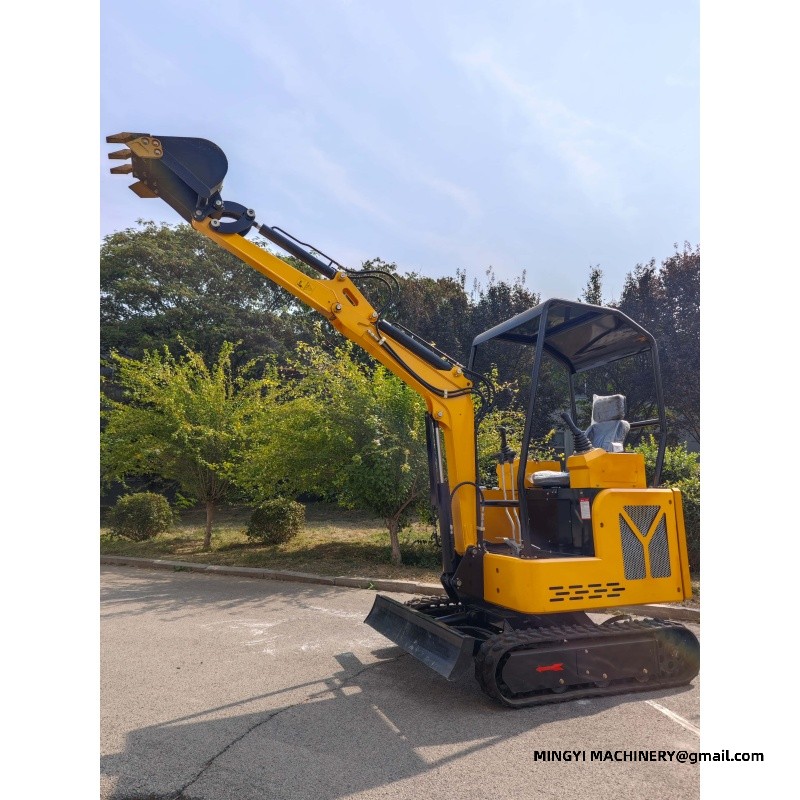
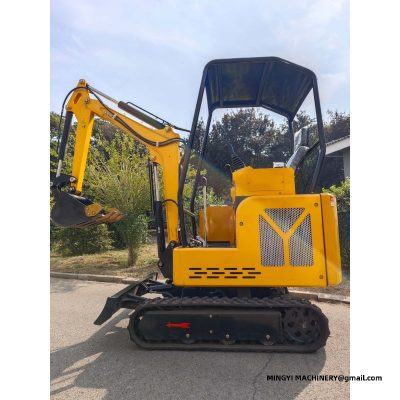
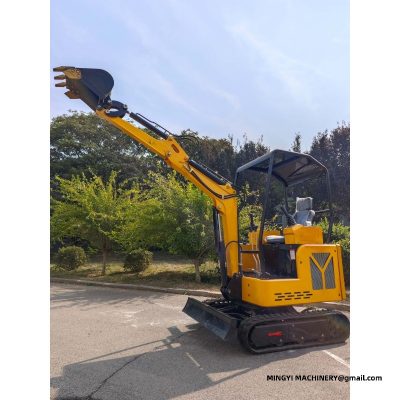
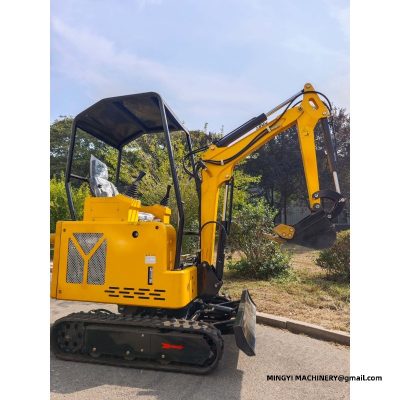
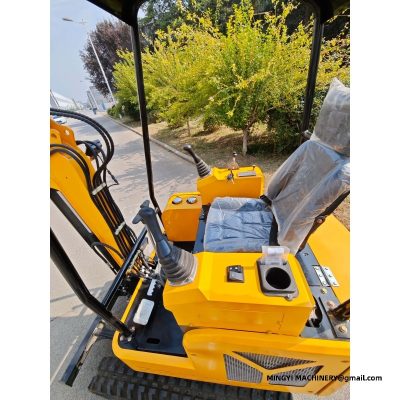
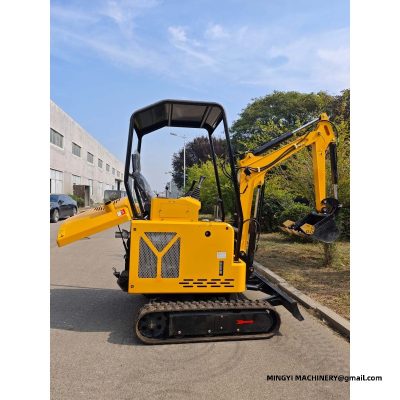
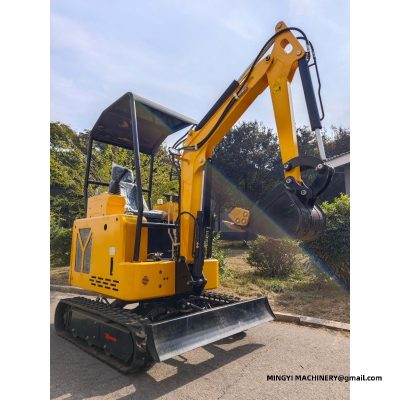
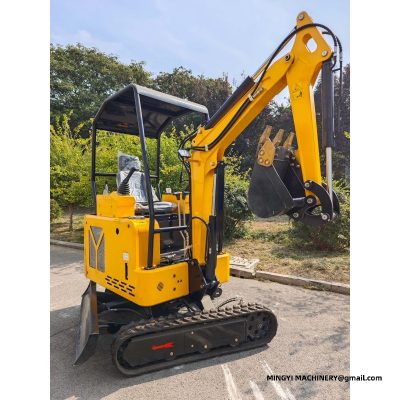
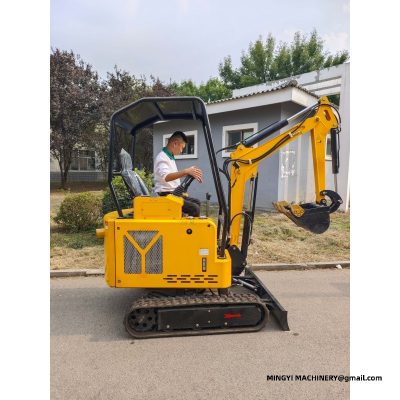
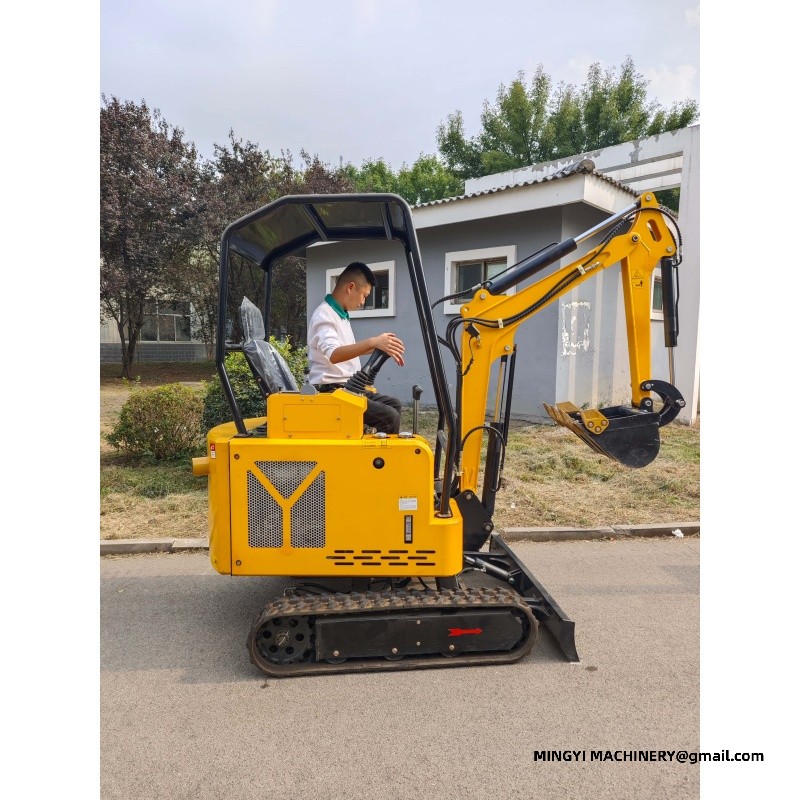
The swing boom is the feature that makes a mini excavator genuinely useful in confined work. It lets the boom offset left or right relative to the tracks, so the machine can dig alongside a wall, a kerb or a fence while the undercarriage stays clear of the excavation.
MINGYI mini excavators are fitted with an offset swing boom, and the function can be specified on the models in the 08, 12 and 18 series.
What the swing boom changes
Without a swing boom, the operator must keep the tracks parallel to the trench and drive the machine along it, which means the track runs beside the trench edge and the machine cannot dig close to a wall. With an offset boom the track line stays away from the excavation and the bucket works in a straight line beside it.
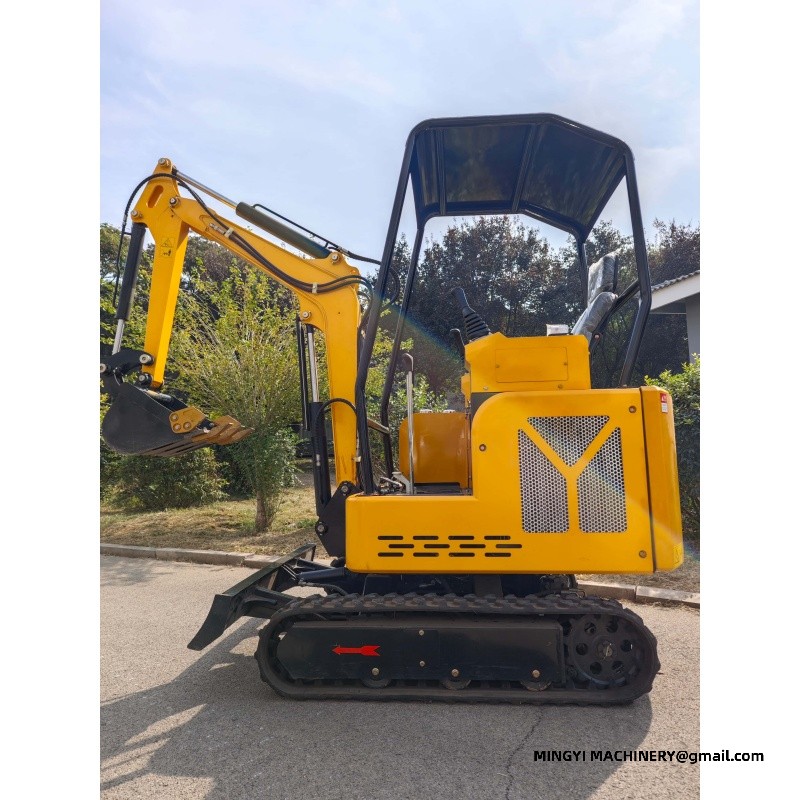
The result is a cleaner trench edge, no track damage to the kerb or wall, and the ability to work at a boundary that the machine would otherwise have to stay a metre away from.
Practical uses on site
Swing boom machines are standard for kerb-side trenching, working along building footings, digging between fence posts and any trench that follows a wall. The offset also helps when grading beside a structure where a straight boom would strike the wall as the bucket crowd comes on.
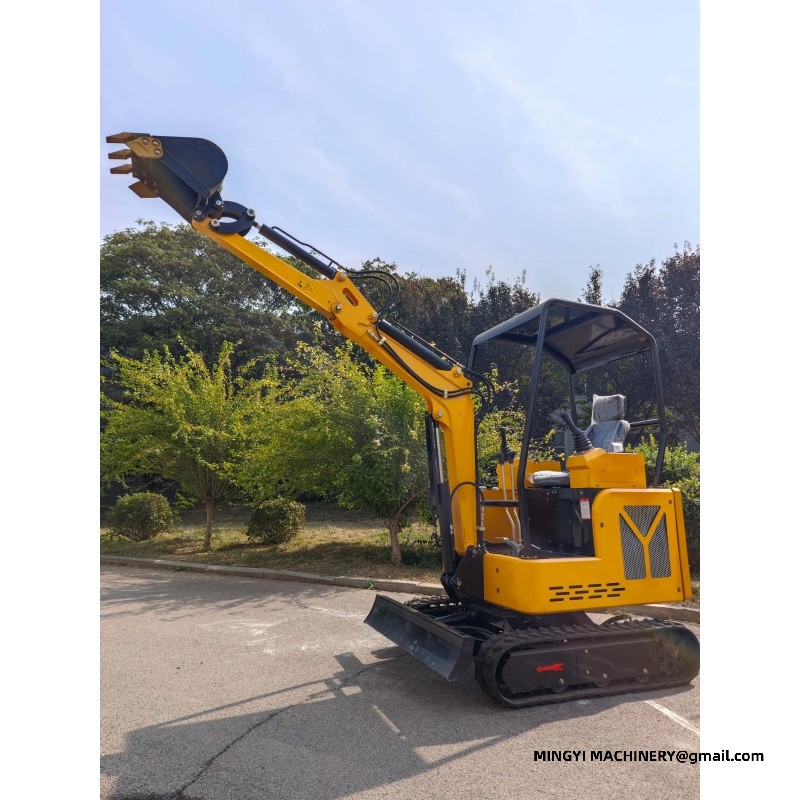
Swing boom applications
• Trenching parallel and adjacent to walls and kerbs
• Digging along footings without repositioning the tracks
• Work between fence posts and inside boundary lines
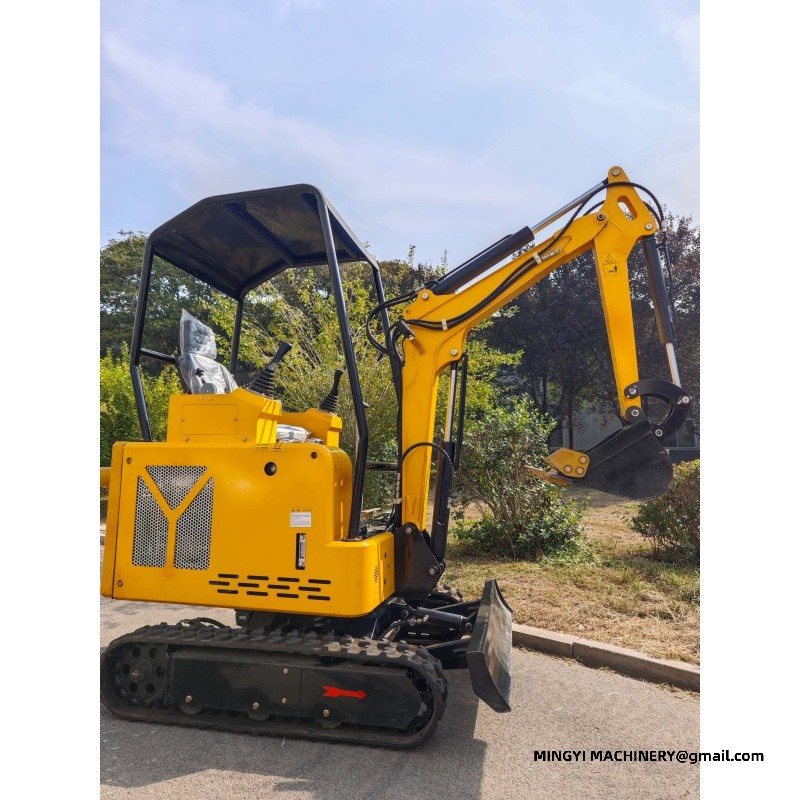
• Grading beside structures, glazing and scaffolding
• Tight-access work where the machine cannot drive the trench line
Tell us how close the trench runs to a wall or kerb and we will confirm the boom offset range available on the model you need.
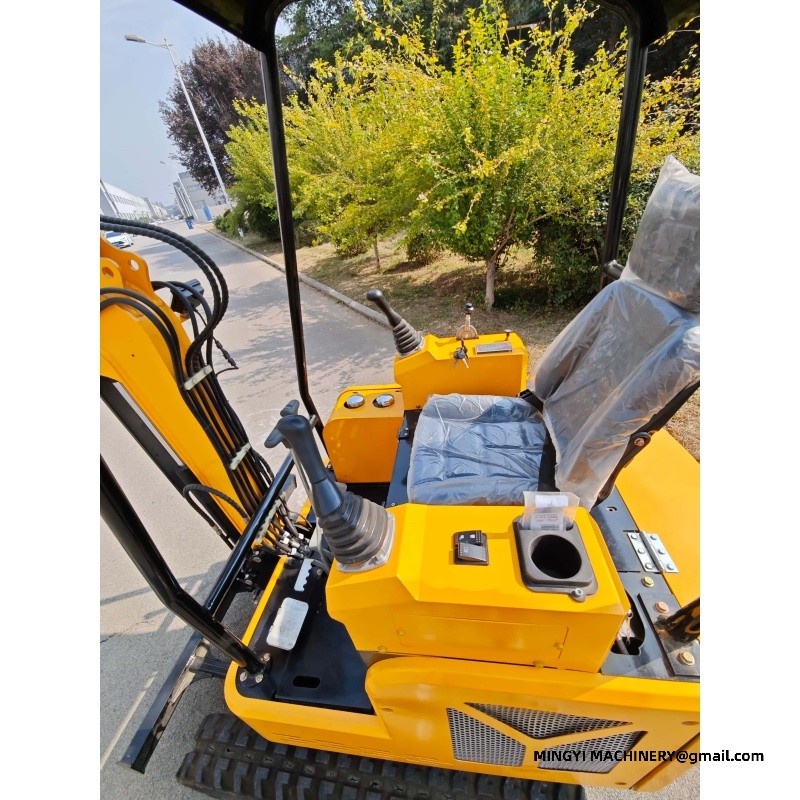
Working near live services with swing boom mini excavator Digging near water, gas and cable is a precision job. This class of machine is used here because the operator can work in short controlled cuts and because the machine can be positioned without driving over the run being exposed. Utility crews specify the unit in daily use with a narrow bucket and good visibility for exactly this reason: the machine has to stop at the service, not at the edge of the operator's view. Track choice for swing boom mini excavator Rubber tracks suit paved and landscaped ground because they spread the machine weight and leave the surface intact. Steel tracks with rubber blocks are specified where the ground is rougher or the working day is longer, and the choice can be made per machine rather than accepted as a factory default. Undercarriage selection is a ground question, not a preference question. A machine of this size running on finished paving needs rubber; the same machine on demolition rubble or rock wears rubber quickly, so steel with rubber blocks becomes the better answer over a full season. Lifting and material handling with a swing boom mini excavator Lifting with a machine built to dig needs a plan. The load, the radius and the ground under the machine itself all matter, and the safe figure is the one on the chart rather than the one that looks possible. Stability changes with reach. A load the equipment on site handles close in becomes a different proposition at full extension, so the working radius belongs in the plan before the lift rather than during it. Canopy or enclosed cab on a swing boom mini excavator A canopy keeps the machine light and the operator aware of the surroundings, which suits short jobs in warm weather. A fully enclosed cab is specified where rain, dust or cold are part of the working year, and it can be added to the model in question as a retrofit rather than only at build time. Enclosure also changes noise and dust exposure. A sealed cab on the machine in that duty keeps dust out on dry sites and lets the machine work through weather that would otherwise stop a canopy machine for the day. Getting swing boom mini excavator through a narrow gap The first question on most job lists is whether the machine can reach the work at all. The unit on the job is chosen against the narrowest point on the route - a garden gate, a doorway, a gap between two walls - because a machine that arrives and then cannot pass loses a day, not an hour. Contractors who buy a machine built for the work normally have one job in mind that nothing else reaches. The purchase order follows the access measurement, not the other way round, and the build sheet is then settled around it. Specifying the equipment in service against a job list The practical way to specify is to write the job list first: the narrowest access, the deepest trench, the heaviest tool and the surfaces the machine must cross. This class of machine is then matched to those four numbers. Useful information to send with an enquiry includes working width, required digging depth, ground conditions and the attachment set. Those four items let the factory specify the unit in daily use that fits rather than a generic build. Working on slopes and uneven ground with a machine of this size Slope work is a stability question before it is a traction question. Knowing the gradient the equipment on site is rated for, and working across rather than straight up where the ground allows, removes most of the risk. Ground that looks level often is not. The machine itself crossing a filled trench, a soft edge or a hidden void behaves differently from one on undisturbed ground, and those are the places worth walking before driving. Trenching work with the model in question Service trenches are the most common reason the machine in that duty is hired. Water, sewage, cable and gas runs are narrow, shallow and often close to existing services, which is exactly the work a full-size machine cannot do safely. Depth control matters more on service work than speed. The unit on the job working beside live services is chosen because it can be placed precisely and stopped instantly, which is what the job actually requires. Export packing and shipping of a machine built for the work Export documentation, decals and paint are settled before packing. Asking for them with the class of machine order avoids a second handling session and keeps the machine on the booked vessel. Buyers who import regularly plan the spare parts with the machine. The equipment in service ordered with a wearing-parts kit arrives ready to work rather than ready to wait for the first service interval. Landscaping and ground care with the unit in daily use Landscape contractors use a machine of this size for planting holes, pond excavation, grading and retaining work. The machine is light enough to cross finished lawn and narrow enough to work between established trees. Grass cutting heads, rakes and tillers extend the equipment on site into ground care. The same carrier that digs a border in spring can cut and clear the same area later in the season. Municipal and public works with the machine itself Drainage repair, tree planting, footway reconstruction and cemetery work are all within the range of the model in question. The jobs are small individually and continuous across the year. Noise and surface protection matter on public work. The machine in that duty on rubber tracks across paving, with a sealed cab for the operator, suits the conditions better than a larger tracked machine. What owners should plan for beyond the unit on the job The useful comparison is demand per working hour, not demand per machine. A machine built for the work that works more hours a year spreads its standing takes over more output, which is why utilisation usually matters more than the invoice figure. Downtime is the hidden line item. The equipment in service waiting on a part earns nothing while it stands, so parts availability and service access belong in the plan as much as fuel does. Specification data for this class of machine Where the unit in daily use is being specified for a job list, the table below gives the factory figures that matter most: what the machine weighs, how deep and how far it works, and what it measures on a trailer. These are the reference figures for a machine of this size. MINGYI confirms the final build sheet, including engine and attachment choices, against the destination and the job list before production. Hard and abrasive ground reverses the specification. On rock, demolition rubble or sharp gravel, steel tracks with rubber blocks on the equipment on site survive conditions that cut a rubber belt quickly. Mixed sites are common and argue for a compromise specification. Most buyers choose rubber for the machine itself and accept the wear, unless the majority of the work is on material that will damage it.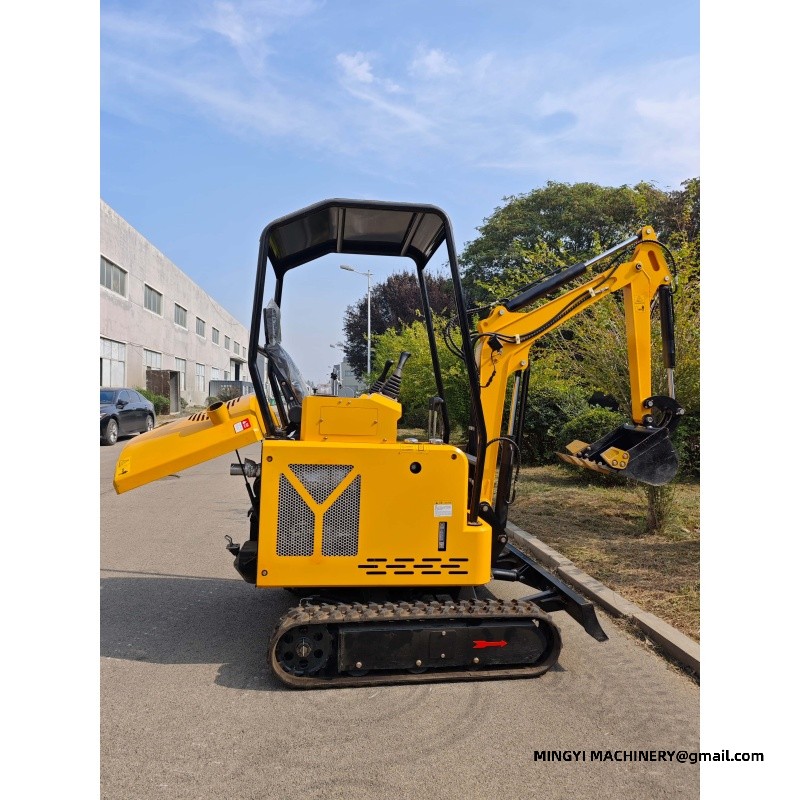
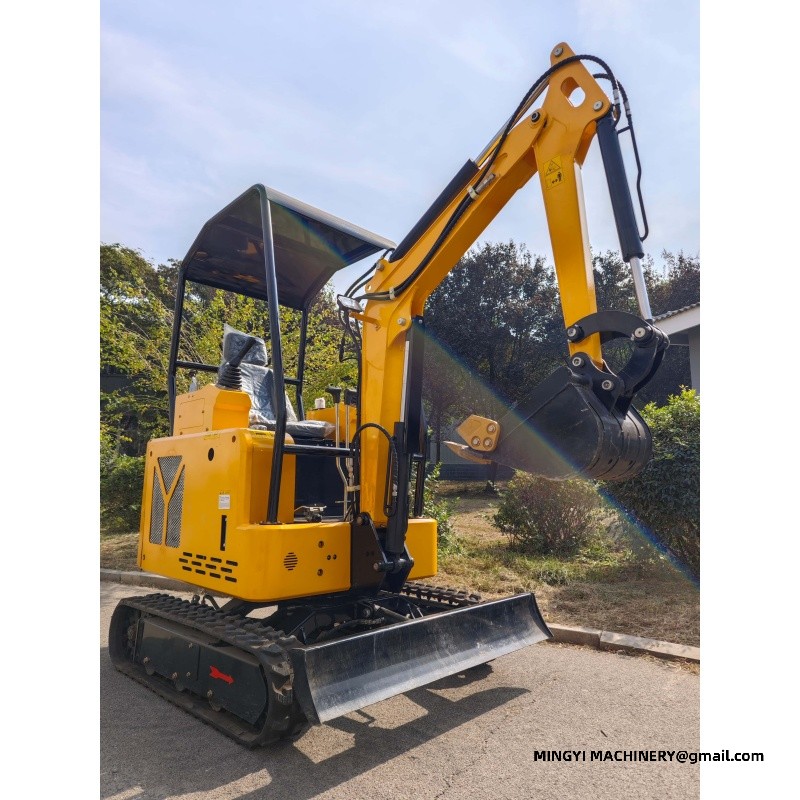
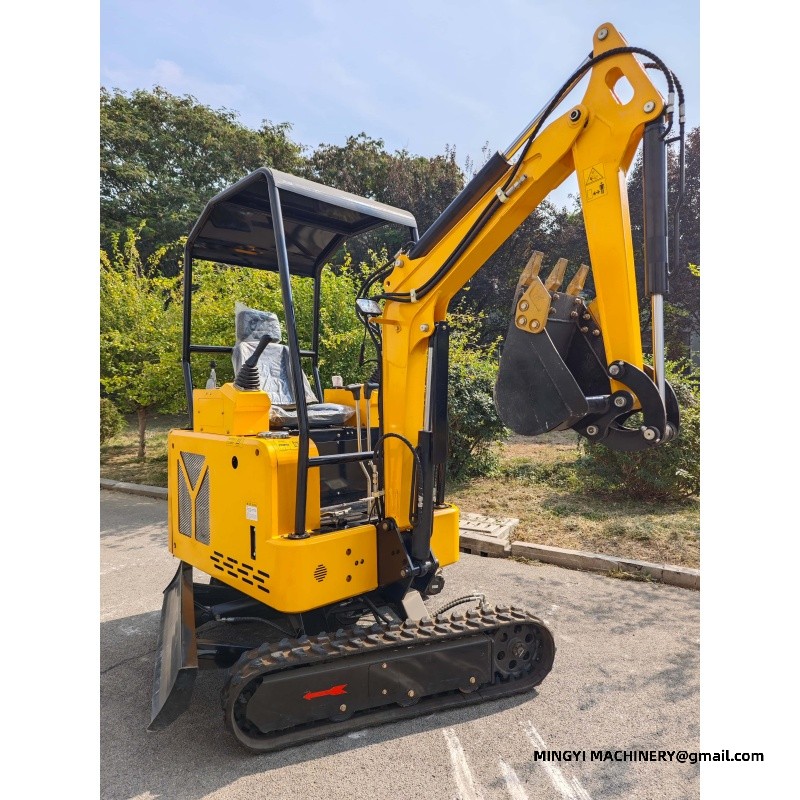
Reference specification — mini excavator range 12W 20-1W 20-1WL 15L Operating weight 1200 kg (2645.55 lb) 1800 kg (3968.32 lb) 1900 kg (4188.78 lb) 1400 kg (3086.47 lb) Transport size (L×W×H) 2200 × 930 × 2250 mm 2550 × 1100 × 2200 mm 2550 × 1100 × 2200 mm 2200 × 930 × 2250 mm Max digging depth 1630 mm (64.17 in) 1800 mm (70.87 in) 1800 mm (70.87 in) 1700 mm (66.93 in) Max digging height 2750 mm (108.27 in) 2820 mm (111.02 in) 2820 mm (111.02 in) 2750 mm (108.27 in) Max dumping height 1960 mm (77.17 in) 2050 mm (80.71 in) 2050 mm (80.71 in) 1960 mm (77.17 in) Max digging radius 2900 mm (114.17 in) 3050 mm (120.08 in) 3050 mm (120.08 in) 2900 mm (114.17 in) Max digging distance 2100 mm (82.68 in) 2300 mm (90.55 in) 2300 mm (90.55 in) 2300 mm (90.55 in) Minimum turning radius 1300 mm (51.18 in) 1450 mm (57.09 in) 1450 mm (57.09 in) 1450 mm (57.09 in) Travel speed 3 km/h (1.86 mph) 5 km/h (3.11 mph) 5 km/h (3.11 mph) 3 km/h (1.86 mph) Gradeability 30° 30° 30° 30° Fuel consumption 1-1.3 L/h (0.264—0.343 gal) 2-3 L/h (0.528—0.793 gal) 2-3 L/h (0.528—0.793 gal) 1-1.3 L/h (0.264—0.343 gal) Fuel tank capacity 10 L (2.64 gal) 16 L (4.23 gal) 16 L (4.23 gal) 10 L (2.64 gal) Hydraulic oil tank 16 L (4.23 gal) 18 L (4.76 gal) 18 L (4.76 gal) 16 L (4.23 gal) Dozer blade lift height 180 mm (7.09 in) 180 mm (7.09 in) 180 mm (7.09 in) 180 mm (7.09 in) Dozer blade drop depth 210 mm (8.27 in) 210 mm (8.27 in) 210 mm (8.27 in) 210 mm (8.27 in)
Q. What is a swing boom on a mini excavator?
A. A swing boom lets the digging arm offset to the side, so the machine can dig along a wall, kerb or footing without turning the whole machine. It is the feature that makes trenching beside an obstruction practical rather than awkward.
Q. When is a swing boom worth specifying?
A. Wherever the machine will trench alongside an existing structure: house footings, kerb lines, boundary walls and service runs close to buildings. Without it the machine has to be repositioned repeatedly, which takes more time than the attachment takes to specify.
Q. Does a swing boom change the machine's capacity?
A. The boom offers offset digging on the same machine rather than replacing straight digging. Tell us the work and the positions the machine has to reach and MINGYI will confirm whether a swing boom model suits the job.
Wear items and spares worth holding for the model in question
A spares list should follow the duty cycle. The machine in that duty working every day in abrasive dust consumes filters and cutting edges far faster than the same machine used once a week, and the shelf should be stocked for the harder case.
Documents that travel with the unit on the job
A clear parts book saves more time than any other document. When a machine built for the work needs a replacement, the illustration and the part number are what turn a phone call into a shipment instead of a description.
E-mail : sales@mingycn.com
LINE ( ID ): mingyicn
Related pages
mini excavator attachments · mini excavator with auger · mini excavator with concrete breaker · PRODUCTS









