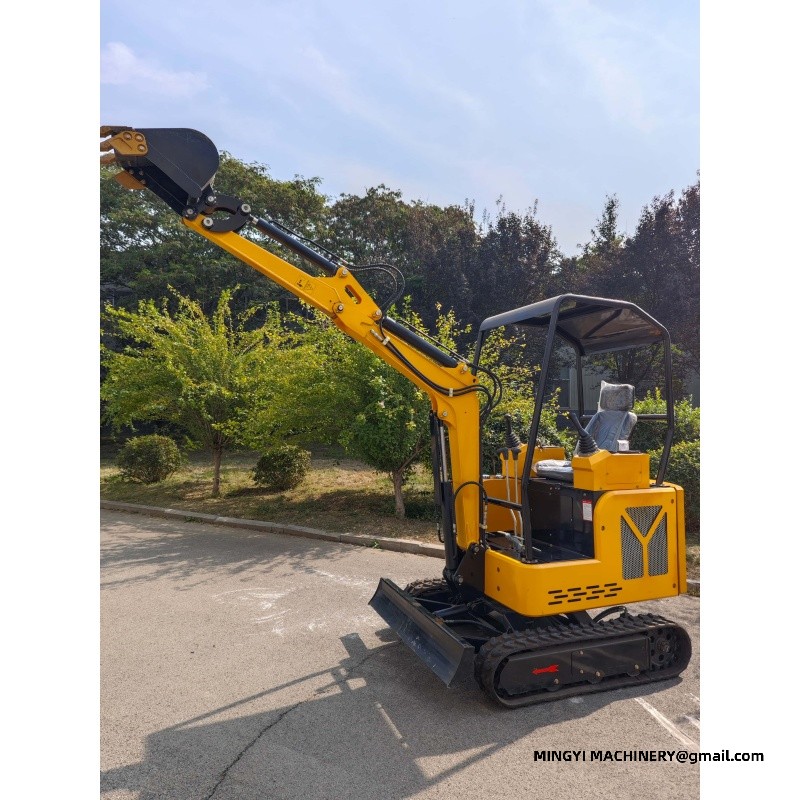
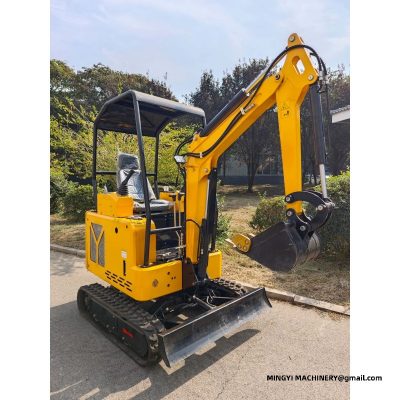
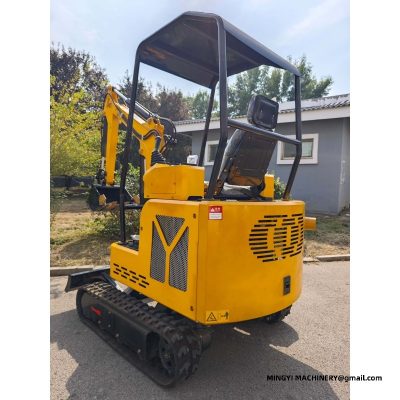
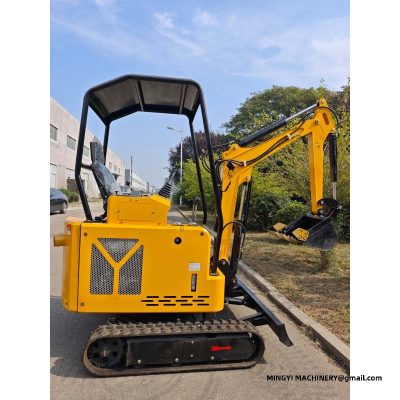
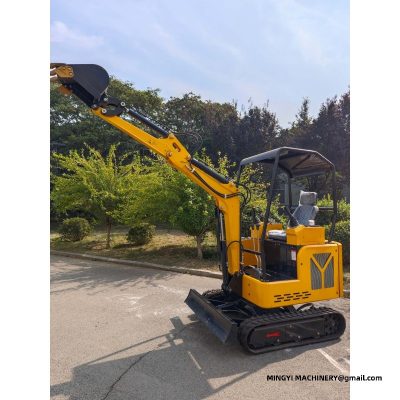
A thumb bucket turns the excavator arm into a grab. With a thumb fitted opposite the bucket, the operator can pick up and place objects — logs, stone, pipe, concrete rubble, brash — instead of pushing them around on the ground.
MINGYI supplies mechanical and hydraulic thumb buckets that mount on the standard quick-change interface.
What a thumb adds to the machine
Without a thumb, an excavator can only dig and dump. Material that has to be moved — a length of pipe into a trench, stone onto a wall, timber into a stack — must first be dug into a pile and then handled again by hand or by a second machine.
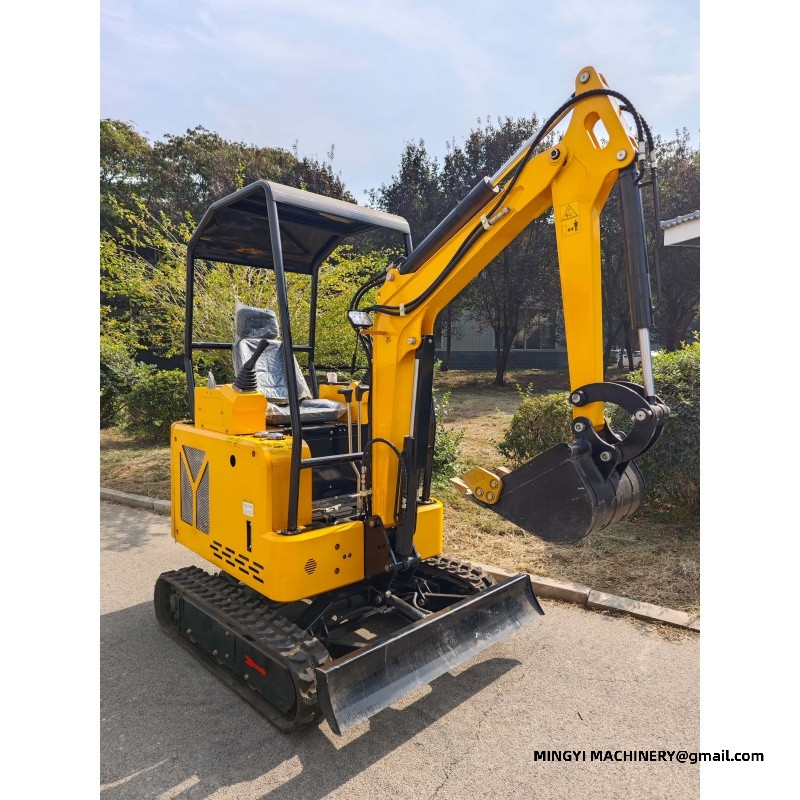
A thumb lets the same operator grip and place the load accurately, which removes an entire handling stage from site clearance, landscaping and drainage work.
Mechanical or hydraulic
A mechanical thumb is set to a fixed position and is simple and robust. A hydraulic thumb is controlled from the cab and can be adjusted to grip different shapes and sizes of load, which suits mixed demolition and landscaping work where the material changes constantly.
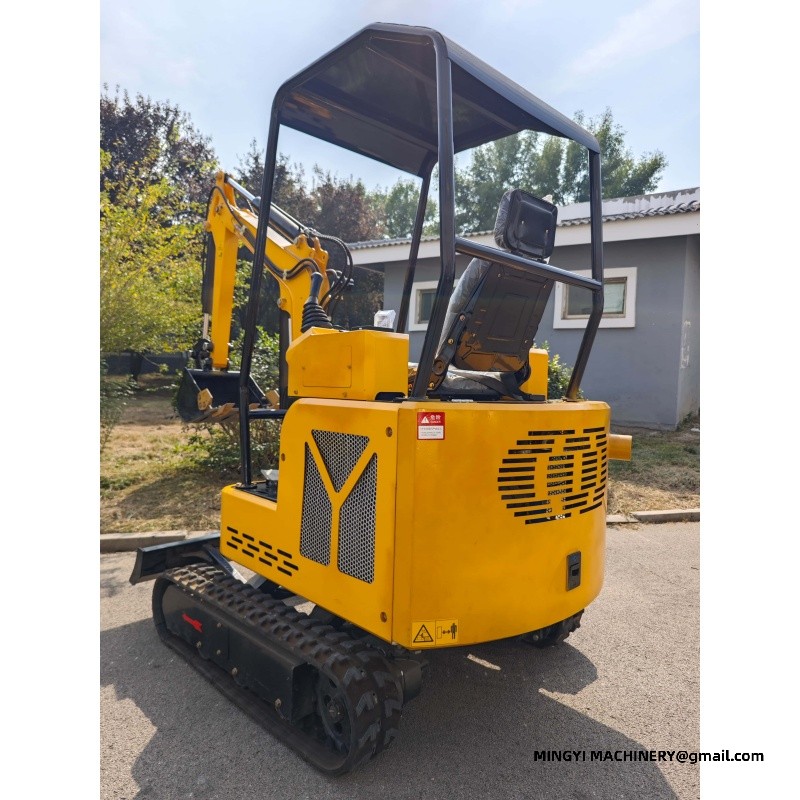
Thumb bucket applications
• Placing pipe and drainage sections into trenches
• Handling stone, logs and timber on landscaping work
• Loading demolition rubble into skips and trucks
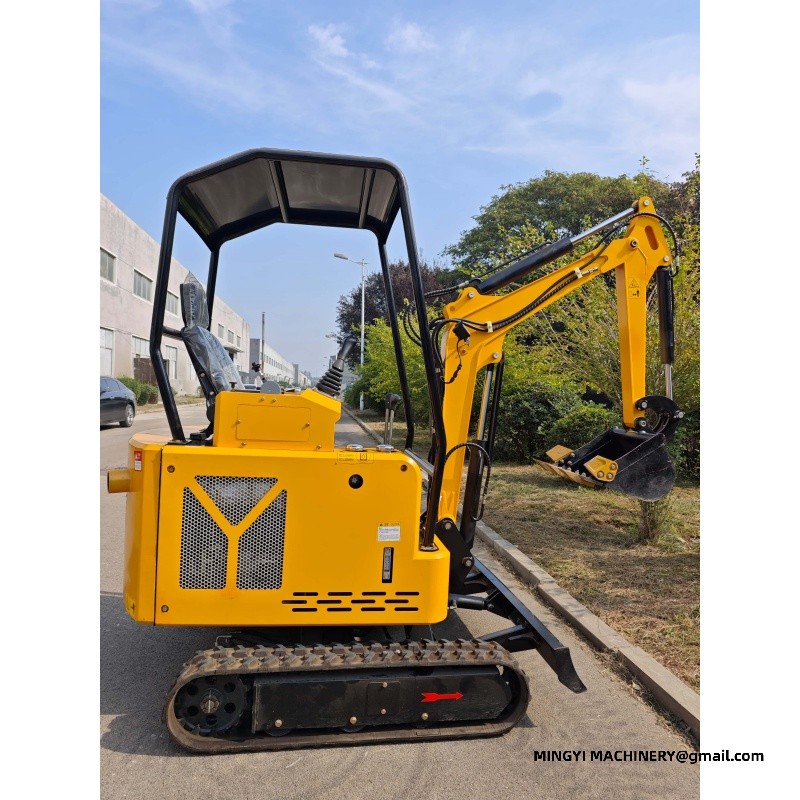
• Clearing brash, scrub and site debris
• Positioning kerbs, slabs and small precast units
Tell us what material you need to pick and place and we will advise between a mechanical and a hydraulic thumb.
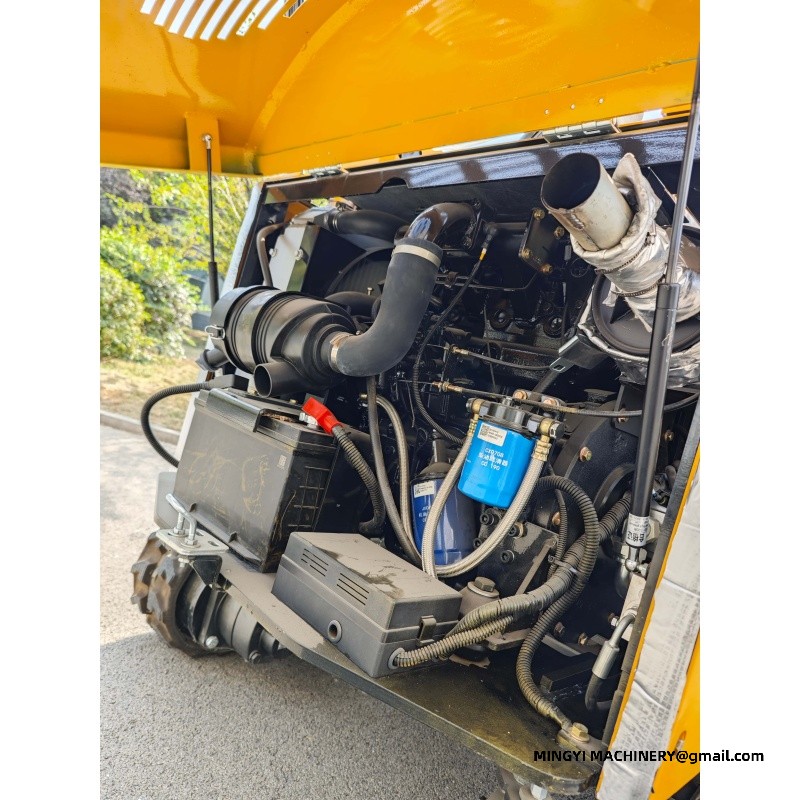
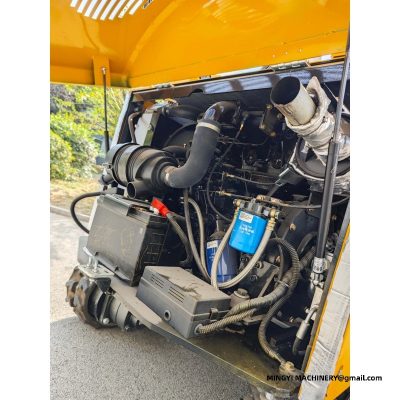
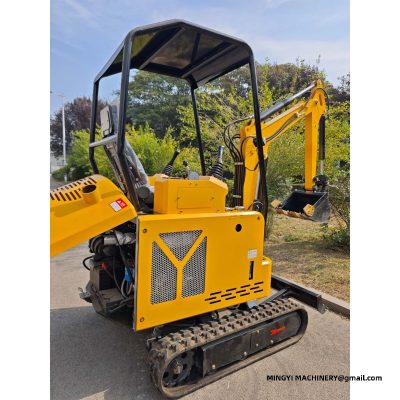
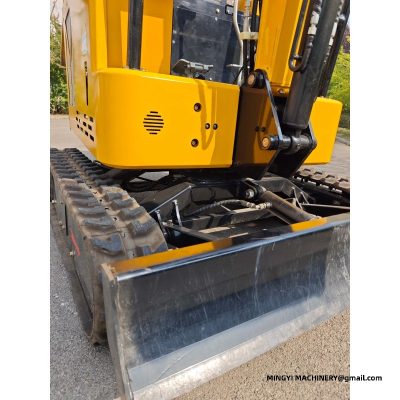
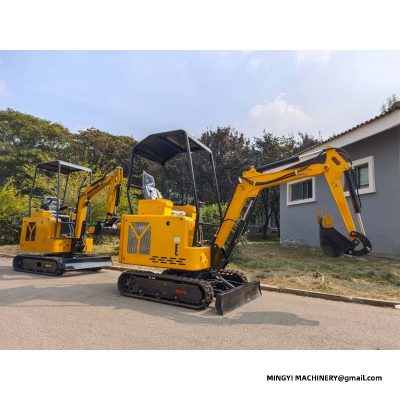
Specifying mini excavator with thumb against a job list The practical way to specify is to write the job list first: the narrowest access, the deepest trench, the heaviest tool and the surfaces the machine must cross. This class of machine is then matched to those four numbers. Useful information to send with an enquiry includes working width, required digging depth, ground conditions and the attachment set. Those four items let the factory specify the unit in daily use that fits rather than a generic build. Attachments that turn mini excavator with thumb into several machines The base machine is a carrier; the tool on the end of the arm decides the task. A machine of this size fitted with a toothed bucket digs, and the same machine with a breaker, an auger or a grab does work that would otherwise need a second unit on site. Attachment lists are best written before delivery. Specifying the equipment on site with the tools the job list needs avoids the work and delay of adding hydraulics later, and a quick coupler makes the swap a few minutes instead of a workshop job. Working on slopes and uneven ground with mini excavator with thumb Slope work is a stability question before it is a traction question. Knowing the gradient the machine itself is rated for, and working across rather than straight up where the ground allows, removes most of the risk. Ground that looks level often is not. The model in question crossing a filled trench, a soft edge or a hidden void behaves differently from one on undisturbed ground, and those are the places worth walking before driving. Engine options behind mini excavator with thumb Power unit selection is settled against the service network the buyer already uses. MINGYI offers Kubota D722, Kubota D902, YANMAR, Changchai, Laidong, Runtong, YARMAX, Youpu 2V80 and Youpu 195, so a fleet running one brand of engine can keep the same filters, the same parts supplier and the same mechanic. Engine choice is also an emissions and documentation question for some markets. Listing the available units with the machine in that duty enquiry lets the factory confirm what can be supplied and documented for the destination country. Noise, dust and working near occupied buildings Work near housing or occupied premises brings constraints that open sites do not. Start times, exhaust condition and how often the unit on the job needs to reverse are the practical limits that neighbours notice. Dust control is often part of the same conversation. Water, timing and work sequence reduce what leaves the site, and agreeing them in advance keeps a machine built for the work working rather than stopped after a complaint. Hiring versus owning the equipment in service The choice follows the hours. Work that fills a few weeks a year is usually better hired, while this class of machine that would be on site most weeks starts to justify ownership once the transport and booking time is counted. Ownership brings obligations that hiring does not. Storage, servicing, insurance and an operator are the items to set against the hire rate before deciding which way the unit in daily use should be supplied. What owners should plan for beyond the machine of this size The useful comparison is demand per working hour, not demand per machine. The equipment on site that works more hours a year spreads its standing takes over more output, which is why utilisation usually matters more than the invoice figure. Downtime is the hidden line item. The machine itself waiting on a part earns nothing while it stands, so parts availability and service access belong in the plan as much as fuel does. Landscaping and ground care with the model in question Landscape contractors use the machine in that duty for planting holes, pond excavation, grading and retaining work. The machine is light enough to cross finished lawn and narrow enough to work between established trees. Grass cutting heads, rakes and tillers extend the unit on the job into ground care. The same carrier that digs a border in spring can cut and clear the same area later in the season. Canopy or enclosed cab on a machine built for the work A canopy keeps the machine light and the operator aware of the surroundings, which suits short jobs in warm weather. A fully enclosed cab is specified where rain, dust or cold are part of the working year, and it can be added to the equipment in service as a retrofit rather than only at build time. Enclosure also changes noise and dust exposure. A sealed cab on this class of machine keeps dust out on dry sites and lets the machine work through weather that would otherwise stop a canopy machine for the day. Working near live services with the unit in daily use Digging near water, gas and cable is a precision job. A machine of this size is used here because the operator can work in short controlled cuts and because the machine can be positioned without driving over the run being exposed. Utility crews specify the equipment on site with a narrow bucket and good visibility for exactly this reason: the machine has to stop at the service, not at the edge of the operator's view. Matching the machine itself to ground conditions Hard and abrasive ground reverses the specification. On rock, demolition rubble or sharp gravel, steel tracks with rubber blocks on the model in question survive conditions that cut a rubber belt quickly. Mixed sites are common and argue for a compromise specification. Most buyers choose rubber for the machine in that duty and accept the wear, unless the majority of the work is on material that will damage it. Daily checks and maintenance on the unit on the job Daily maintenance on a machine built for the work is a short list: engine oil level, coolant, track tension, hydraulic oil level and a look at the hoses. Ten minutes at the start of the shift prevents most of the failures that stop a machine. Greasing is the second item. The slew ring, the boom and arm pins and the bucket linkage on the equipment in service take grease daily in dusty work, and the intervals shorten further when the machine is used in water or mud. Specification data for this class of machine Buyers comparing the unit in daily use usually start from four numbers - weight, digging depth, reach and transport width - because those are the ones that decide whether the machine can be delivered and whether it can do the job once it is there. Figures are factory figures and are confirmed on the build sheet for a machine of this size. Where a job sits between two models, the larger machine usually takes less time than the smaller one spends on rework. A function check before the machine goes to work is worth the hour. Running through the controls, the travel and the attachment circuit on the equipment on site confirms it is set up as specified and ready for the site. Documentation should arrive with the machine. Parts list, service schedule and any certificates for the machine itself are what the workshop needs later, and they are much easier to obtain at delivery than in month six.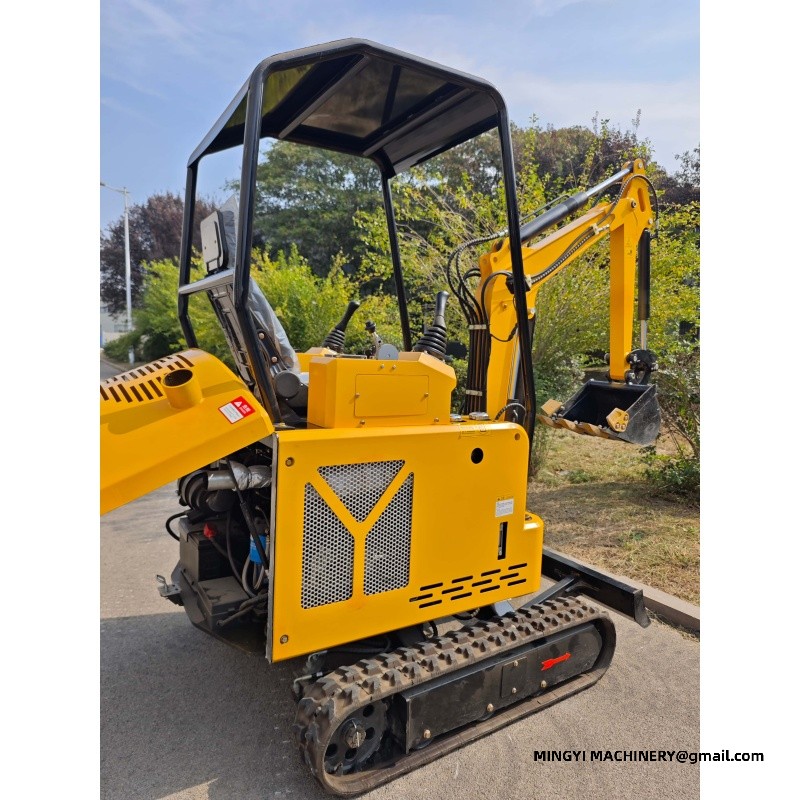
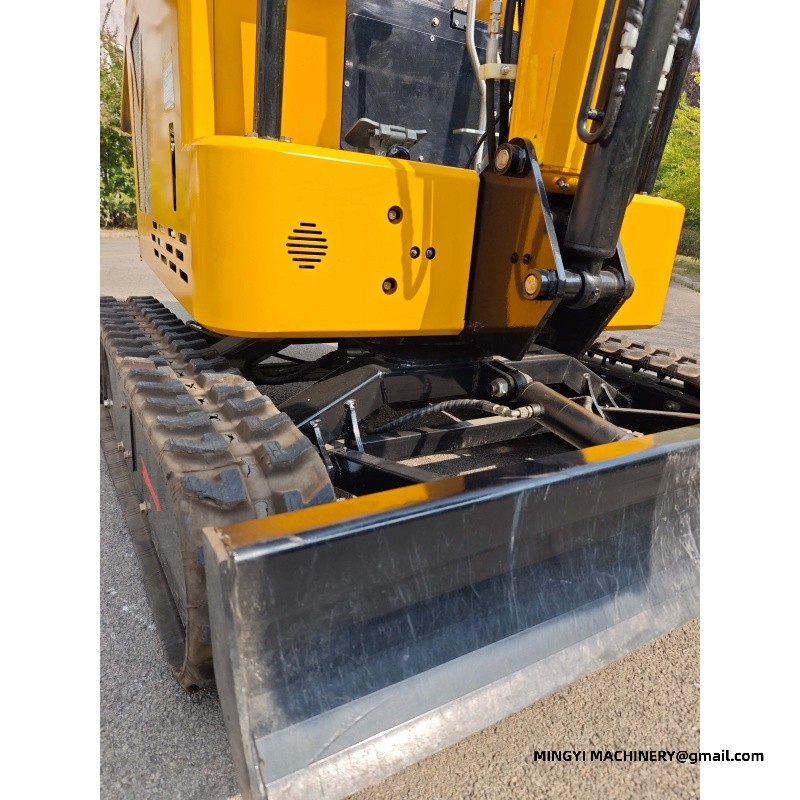
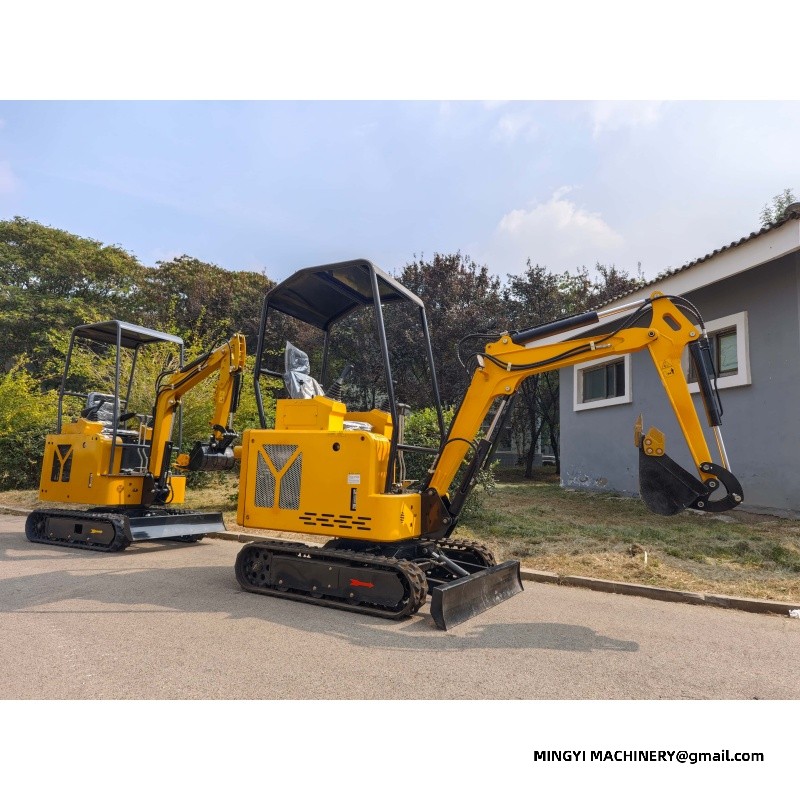
Reference specification — mini excavator range 15W 20-1W 20-1WL 12L Operating weight 1400 kg (3086.47 lb) 1800 kg (3968.32 lb) 1900 kg (4188.78 lb) 1200 kg (2645.55 lb) Transport size (L×W×H) 2200 × 930 × 2250 mm 2550 × 1100 × 2200 mm 2550 × 1100 × 2200 mm 2200 × 930 × 2250 mm Max digging depth 1630 mm (64.17 in) 1800 mm (70.87 in) 1800 mm (70.87 in) 1700 mm (66.93 in) Max digging height 2750 mm (108.27 in) 2820 mm (111.02 in) 2820 mm (111.02 in) 2600 mm (102.36 in) Max dumping height 1960 mm (77.17 in) 2050 mm (80.71 in) 2050 mm (80.71 in) 1800 mm (70.87 in) Max digging radius 2900 mm (114.17 in) 3050 mm (120.08 in) 3050 mm (120.08 in) 2900 mm (114.17 in) Max digging distance 2100 mm (82.68 in) 2300 mm (90.55 in) 2300 mm (90.55 in) 2300 mm (90.55 in) Minimum turning radius 1300 mm (51.18 in) 1450 mm (57.09 in) 1450 mm (57.09 in) 1450 mm (57.09 in) Travel speed 3 km/h (1.86 mph) 5 km/h (3.11 mph) 5 km/h (3.11 mph) 3 km/h (1.86 mph) Gradeability 30° 30° 30° 30° Fuel consumption 1-1.3 L/h (0.264—0.343 gal) 2-3 L/h (0.528—0.793 gal) 2-3 L/h (0.528—0.793 gal) 1-1.3 L/h (0.264—0.343 gal) Fuel tank capacity 10 L (2.64 gal) 16 L (4.23 gal) 16 L (4.23 gal) 10 L (2.64 gal) Hydraulic oil tank 16 L (4.23 gal) 18 L (4.76 gal) 18 L (4.76 gal) 16 L (4.23 gal) Dozer blade lift height 180 mm (7.09 in) 180 mm (7.09 in) 180 mm (7.09 in) 180 mm (7.09 in) Dozer blade drop depth 210 mm (8.27 in) 210 mm (8.27 in) 210 mm (8.27 in) 210 mm (8.27 in)
Q. What is a thumb bucket used for?
A. A thumb works with the bucket to grip and hold material, which turns the machine into a handling tool as well as a digging one. It is used for lifting and placing logs, stone, kerbs and demolition material.
Q. When is a thumb worth adding?
A. Where the work involves moving and placing material rather than only excavating it: landscaping, stone work, timber handling and site clearance. Without a thumb the operator has to dig material out and then handle it separately.
Q. Can a thumb be fitted to any model?
A. The attachment set is confirmed with the order so that the thumb, the hydraulic circuit and the coupler all match. Tell us the material you need to handle and MINGYI will confirm what is available for the model you choose.
Keeping a service record for the model in question
Patterns show up in the record before they show up in the machine. Rising oil consumption or a filter that keeps blocking on the machine in that duty is obvious on paper long before it becomes a failure on site.
Planning the season around the unit on the job
The calendar decides more than the specification does. Planning when a machine built for the work will be working, when it will be serviced and when it can be spared keeps the maintenance out of the weeks that matter.
Wear items and spares worth holding for the equipment in service
The parts that stop a machine are rarely the parts that are hardest to find. Filters, belts, seals and the ground engaging tools on this class of machine are easy to hold and slow to replace, which is why they belong on the shelf rather than on an order.
E-mail : sales@mingycn.com
LINE ( ID ): mingyicn
Related pages
mini excavator quick coupler · The 12-model mini excavator was the first to arrive. · mini excavator for orchard work · PRODUCTS









