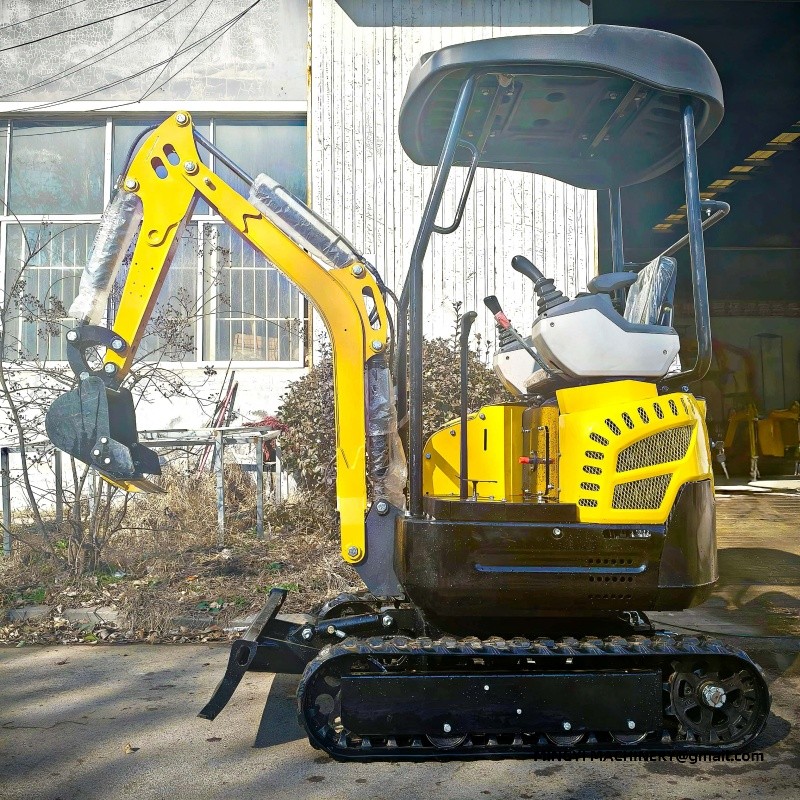
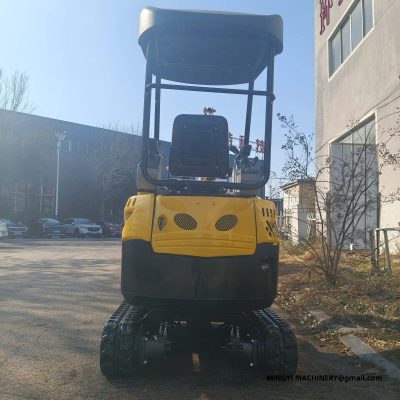
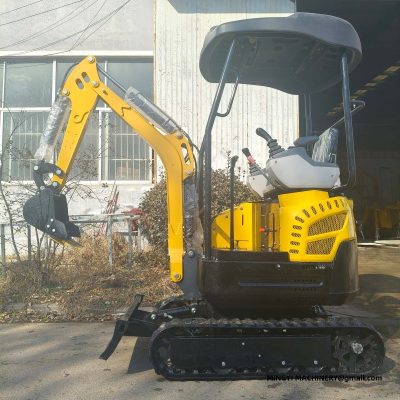
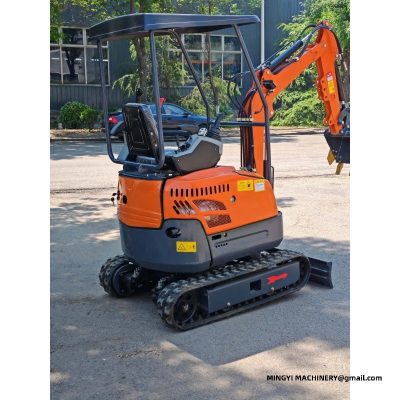
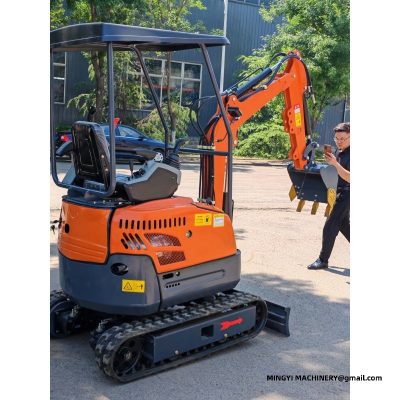
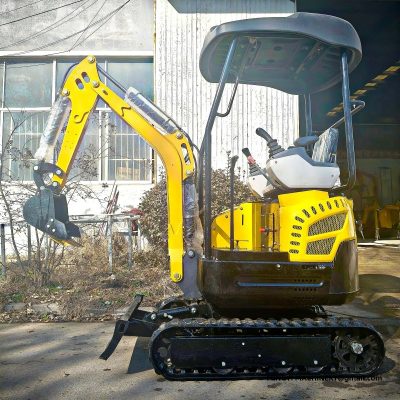
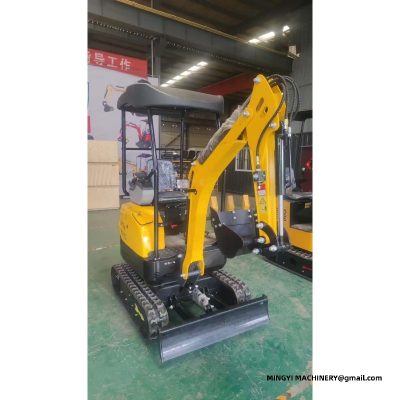
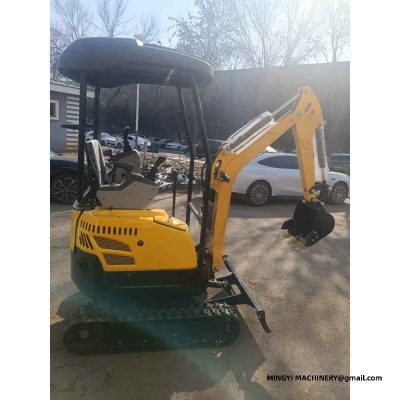
Choosing a supplier is a different decision from choosing a machine. The supplier has to be able to answer questions before the order, specify the machine correctly, hold to the delivery date, and still be reachable when a part is needed two years later.
MINGYI supplies mini excavators to contractors, dealers and rental fleets worldwide from its own manufacturing operation in China.
What a supplier has to get right
The most common cause of a disappointing excavator purchase is not the machine but the specification: the wrong track type for the ground, an engine family with no local parts support, or an attachment set that does not cover the buyer’s actual work. Getting that right requires the supplier to ask about the buyer’s sites before quoting.
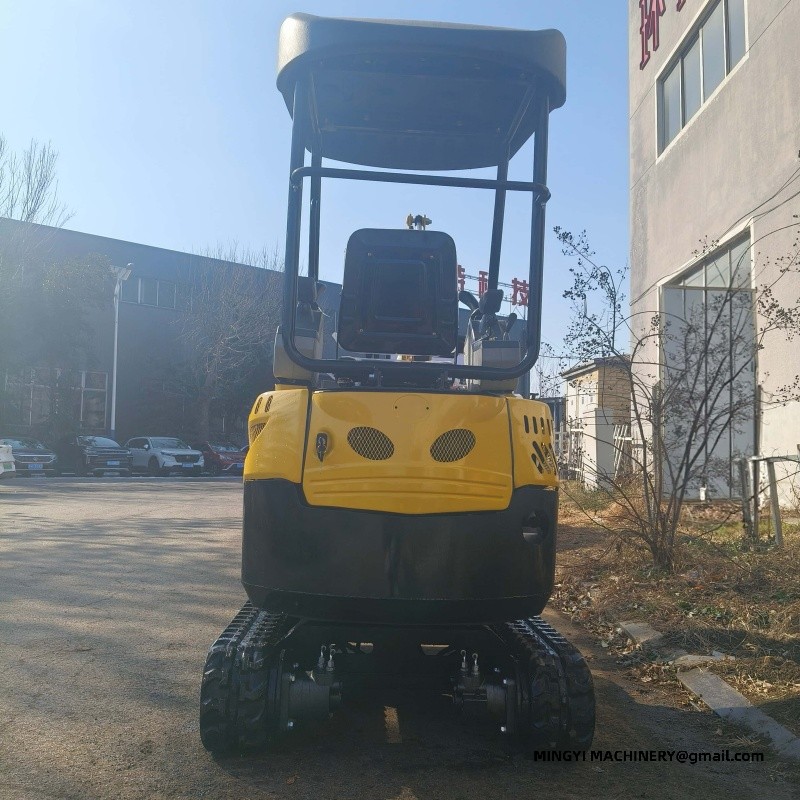
The second requirement is continuity. Machines are kept for years, so the supplier has to be able to provide consumables, wear parts and attachments over that period, not just at the point of sale.
How we work with buyers
We ask what the machine will dig, where it will work and how the operator will use it, then propose a specification with the reasoning stated. Where an alternative model or track type would serve the buyer better, we say so.
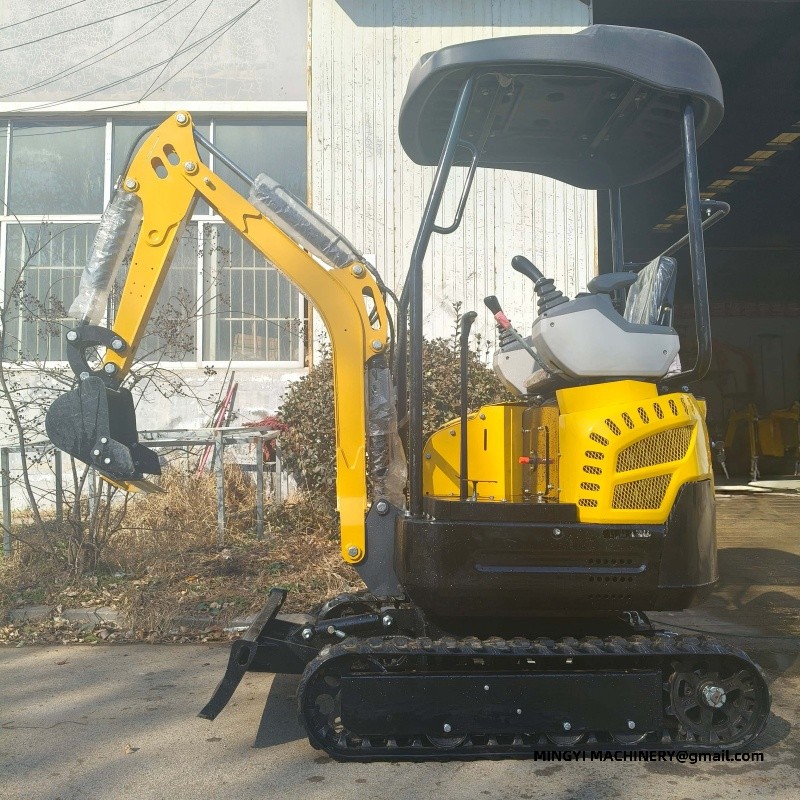
Supplier support
• Specification advice against your actual site conditions
• Engine family selection for local parts availability
• Attachment matching to the work you do
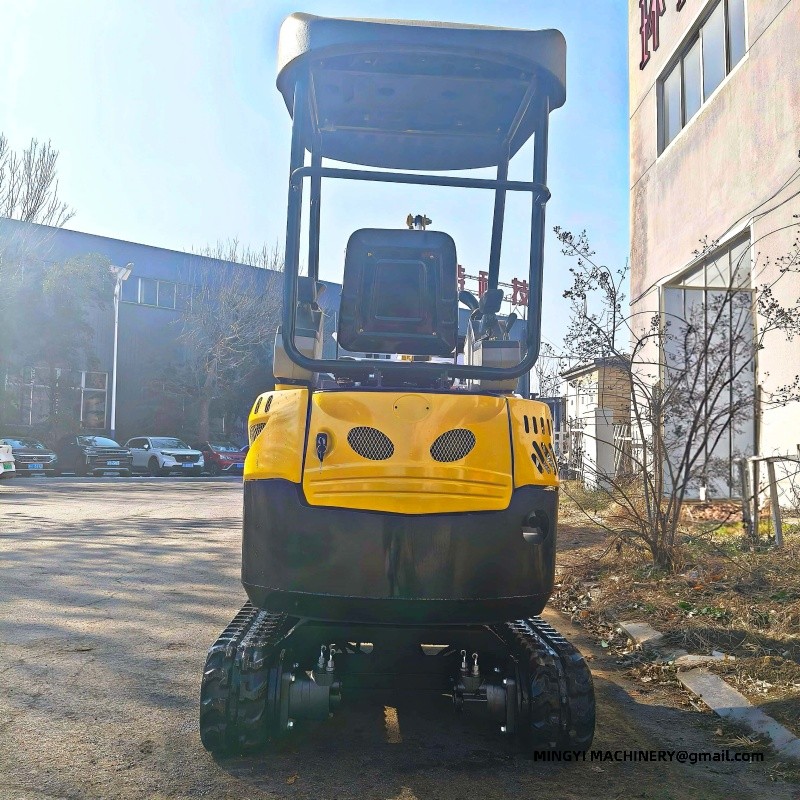
• Consumables, wear parts and attachments after delivery
• Direct contact with the manufacturer
Send us your requirements and site conditions and we will come back with a specification and a reasoned recommendation.
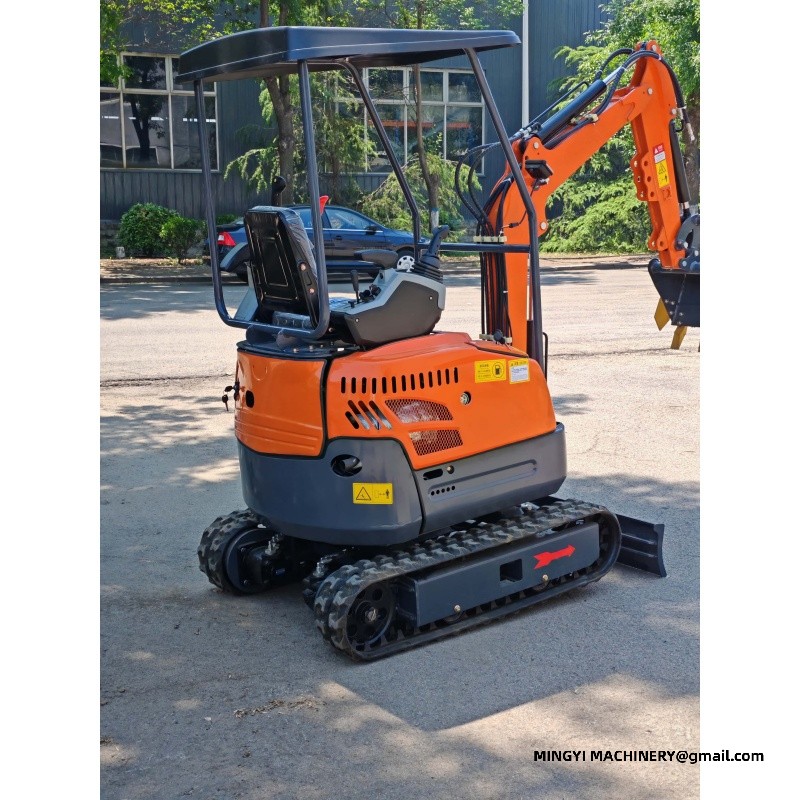
Track choice for mini excavator supplier Rubber tracks suit paved and landscaped ground because they spread the machine weight and leave the surface intact. Steel tracks with rubber blocks are specified where the ground is rougher or the working day is longer, and the choice can be made per machine rather than accepted as a factory default. Undercarriage selection is a ground question, not a preference question. This class of machine running on finished paving needs rubber; the same machine on demolition rubble or rock wears rubber quickly, so steel with rubber blocks becomes the better answer over a full season. Export packing and shipping of mini excavator supplier Export documentation, decals and paint are settled before packing. Asking for them with the machine of this size order avoids a second handling session and keeps the machine on the booked vessel. Buyers who import regularly plan the spare parts with the machine. The unit in daily use ordered with a wearing-parts kit arrives ready to work rather than ready to wait for the first service interval. Working a mini excavator supplier in confined spaces Confined sites are decided by dimensions. Overall width, tail swing and the space needed to work the arm are what let the equipment on site operate inside a building, between walls or in a courtyard. Ventilation is the other indoor constraint. Running the machine itself inside a closed structure needs air movement, and that is a planning item rather than something to discover after the first hour. OEM and fleet customisation of mini excavator supplier Distributors and rental fleets usually need the machine to look like theirs. Paint, decals, seat colour and attachment branding can be specified on the model in question at build time rather than applied after import. Documentation can be prepared to suit the importer. Manuals, parts books and decal sets for the machine in that duty can be supplied with the buyer's own branding where the order size justifies it. Parts, service and support for mini excavator supplier Support after delivery is a parts question. Wearing items for the unit on the job - filters, belts, track components, bucket teeth and pins - are the items a buyer should plan to hold before the first service interval. Engine parts availability usually drives the engine choice. A machine built for the work built with an engine the local network already carries is serviced from stock rather than from an international order. Boom configuration for the equipment in service Extended and offset boom configurations change reach and working range. This class of machine with a longer arm reaches further but lifts less at full extension, so the specification is set against the deepest and furthest point on the job list. Detachable boom sections are used where transport length matters. The unit in daily use that has to travel on a standard trailer can be built so the arm comes off for the road and goes back on at the site. Orchard, vineyard and farm use of a machine of this size Orchard and vineyard work is carried out between rows. The equipment on site with a narrow chassis and a swing boom works down the row without damaging the trees, which is the reason a full-size machine is not used at all. Farms also use the machine itself for general maintenance - clearing a watercourse, repairing a track, loading a spreader. One carrier with a few attachments covers most of the jobs that would otherwise wait for a contractor. Working near live services with the model in question Digging near water, gas and cable is a precision job. The machine in that duty is used here because the operator can work in short controlled cuts and because the machine can be positioned without driving over the run being exposed. Utility crews specify the unit on the job with a narrow bucket and good visibility for exactly this reason: the machine has to stop at the service, not at the edge of the operator's view. Hiring versus owning a machine built for the work The choice follows the hours. Work that fills a few weeks a year is usually better hired, while the equipment in service that would be on site most weeks starts to justify ownership once the transport and booking time is counted. Ownership brings obligations that hiring does not. Storage, servicing, insurance and an operator are the items to set against the hire rate before deciding which way this class of machine should be supplied. Quick coupler practice on the unit in daily use A quick coupler is the single option that changes how a machine is used day to day. Fitted to a machine of this size, it turns an attachment change from a two-person workshop job into a task the operator does alone in minutes. Couplers are specified early because they affect the arm and the hydraulic kit. Adding one to the equipment on site after delivery means new pins, new hoses and a fitment session; adding it at build time is a line on the sheet. Landscaping and ground care with the machine itself Landscape contractors use the model in question for planting holes, pond excavation, grading and retaining work. The machine is light enough to cross finished lawn and narrow enough to work between established trees. Grass cutting heads, rakes and tillers extend the machine in that duty into ground care. The same carrier that digs a border in spring can cut and clear the same area later in the season. Noise, dust and working near occupied buildings Work near housing or occupied premises brings constraints that open sites do not. Start times, exhaust condition and how often the unit on the job needs to reverse are the practical limits that neighbours notice. Dust control is often part of the same conversation. Water, timing and work sequence reduce what leaves the site, and agreeing them in advance keeps a machine built for the work working rather than stopped after a complaint. Matching the equipment in service to ground conditions Hard and abrasive ground reverses the specification. On rock, demolition rubble or sharp gravel, steel tracks with rubber blocks on this class of machine survive conditions that cut a rubber belt quickly. Mixed sites are common and argue for a compromise specification. Most buyers choose rubber for the unit in daily use and accept the wear, unless the majority of the work is on material that will damage it. Specification data for a machine of this size The figures below are the factory figures for the models most often matched to the equipment on site. They are the numbers to check against the site: the depth the work needs, the reach from one position, and the width of the narrowest point on the route in. Every value shown is as built for the machine itself; options such as cab, side swing or a telescopic undercarriage change the transport dimensions and are confirmed at order stage. Slope work is a stability question before it is a traction question. Knowing the gradient the model in question is rated for, and working across rather than straight up where the ground allows, removes most of the risk. Ground that looks level often is not. The machine in that duty crossing a filled trench, a soft edge or a hidden void behaves differently from one on undisturbed ground, and those are the places worth walking before driving.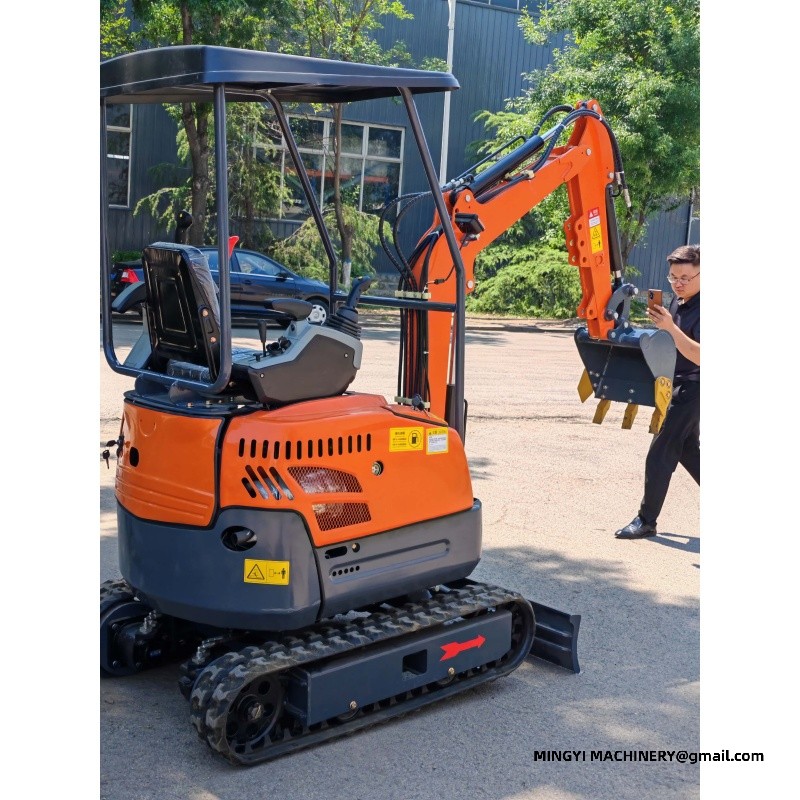
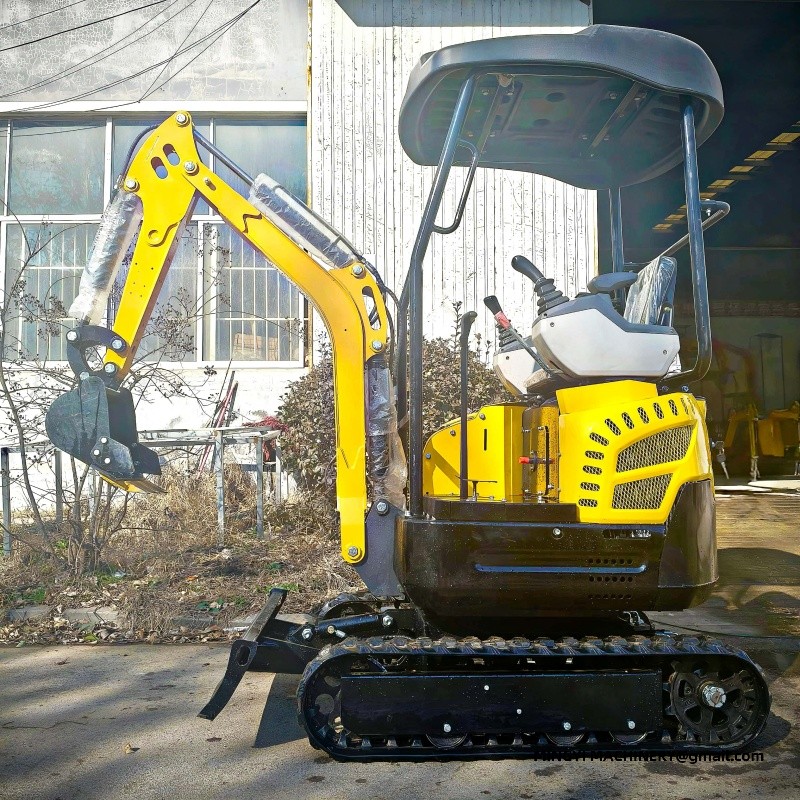
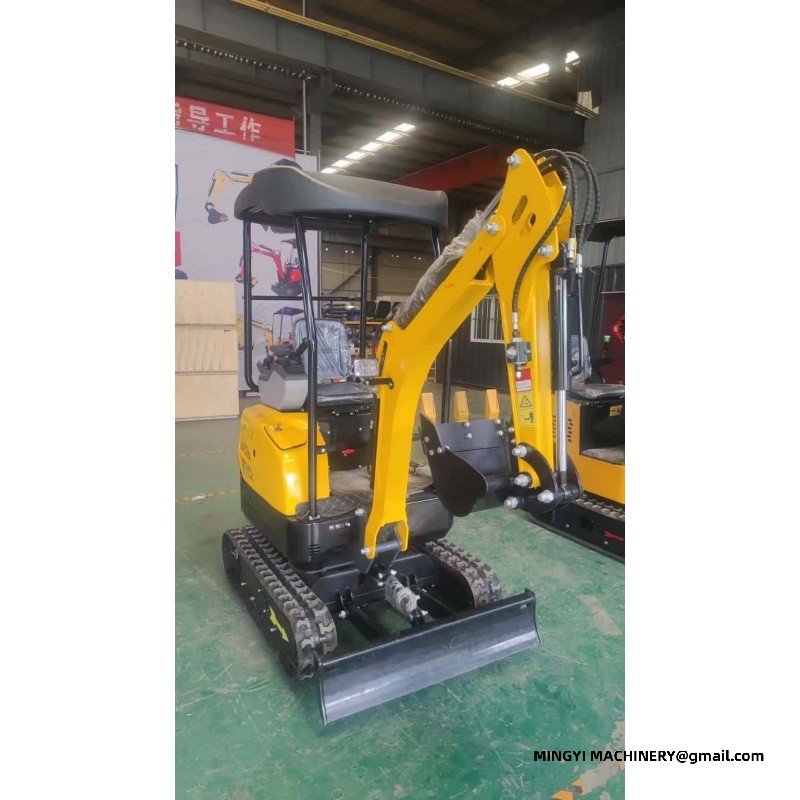
Reference specification — mini excavator range 13W 30-2W 12L 20-2L Operating weight 1300 kg (2866.01 lb) 2700 kg (5952.48 lb) 1200 kg (2645.55 lb) 1900 kg (4188.78 lb) Transport size (L×W×H) 2200 × 930 × 2250 mm 3000 × 1100 × 2700 mm 2200 × 930 × 2250 mm 2600 × 1300 × 2344 mm Max digging depth 1630 mm (64.17 in) 2200 mm (86.61 in) 1700 mm (66.93 in) 2100 mm (82.68 in) Max digging height 2750 mm (108.27 in) 3000 mm (118.11 in) 2600 mm (102.36 in) 2880 mm (113.39 in) Max dumping height 1960 mm (77.17 in) 2000 mm (78.74 in) 1800 mm (70.87 in) 2100 mm (82.68 in) Max digging radius 2900 mm (114.17 in) 3800 mm (149.61 in) 2900 mm (114.17 in) 3215 mm (126.57 in) Max digging distance 2100 mm (82.68 in) 3050 mm (120.08 in) 2300 mm (90.55 in) 2460 mm (96.85 in) Minimum turning radius 1300 mm (51.18 in) 1750 mm (68.9 in) 1450 mm (57.09 in) 1587 mm (62.48 in) Travel speed 3 km/h (1.86 mph) 7 km/h (4.35 mph) 3 km/h (1.86 mph) 5 km/h (3.11 mph) Gradeability 30° 30° 30° 30° Fuel consumption 1-1.3 L/h (0.264—0.343 gal) 2-3 L/h (0.528—0.793 gal) 1-1.3 L/h (0.264—0.343 gal) 2-3 L/h (0.528—0.793 gal) Fuel tank capacity 10 L (2.64 gal) 16 L (4.23 gal) 10 L (2.64 gal) 16 L (4.23 gal) Hydraulic oil tank 16 L (4.23 gal) 20 L (5.28 gal) 16 L (4.23 gal) 18 L (4.76 gal) Dozer blade lift height 180 mm (7.09 in) 230 mm (9.06 in) 180 mm (7.09 in) 180 mm (7.09 in) Dozer blade drop depth 210 mm (8.27 in) 280 mm (11.02 in) 210 mm (8.27 in) 210 mm (8.27 in)
Q. What do you supply as the unit on the job?
A. MINGYI supplies the 08, 12 and 18 models from its own factory in China, built to order with the engine family, track type and attachment set chosen by the buyer. Machines can be bought singly or as a mixed container.
Q. How do I choose between suppliers?
A. Ask each one the same three questions: will they build to your specification, which engine families can they offer, and how are spare parts supplied after delivery. The answers separate a manufacturer from a trading company.
Q. What happens after the machine is delivered?
A. Parts supply and technical support continue from the factory. Send the model, the working hours and a description or photograph of any issue and MINGYI will identify the part or adjustment involved.
Handover and getting familiar with a machine built for the work
Operators who come from a different machine need a short conversion. The controls on the equipment in service follow the usual pattern, but the response, the sightlines and the stopping distance are learned by doing rather than by reading.
Fuel, oil and fluid quality for this class of machine
The specification for oil is written for a reason. Using the grade and the change interval set for the unit in daily use keeps the engine and the hydraulic system inside the range they were designed for.
Hot, humid and dusty conditions around a machine of this size
Humidity attacks the parts that are not used. Storage in a damp climate means the equipment on site needs the exposed metal protected and the machine run regularly, because standing still does more damage than working.
E-mail : sales@mingycn.com
LINE ( ID ): mingyicn
Related pages
mini excavator manufacturer · Add a fully enclosed cab to a small excavator · mini excavator for backyard · PRODUCTS









