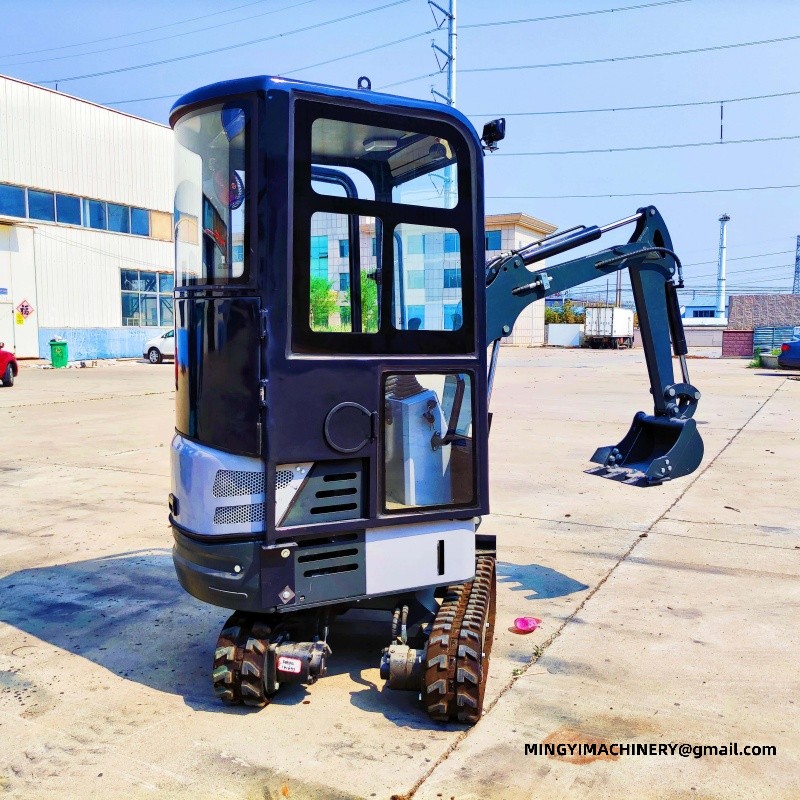
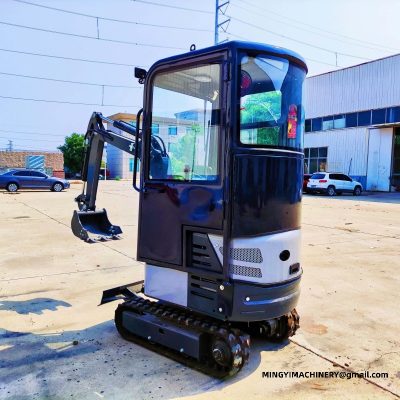
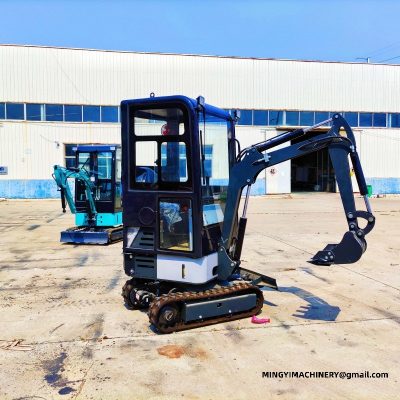
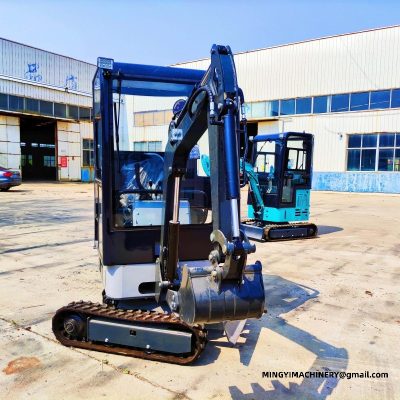
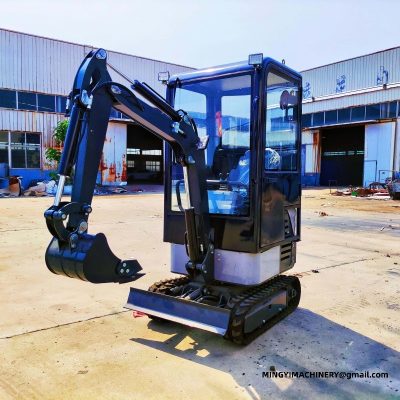
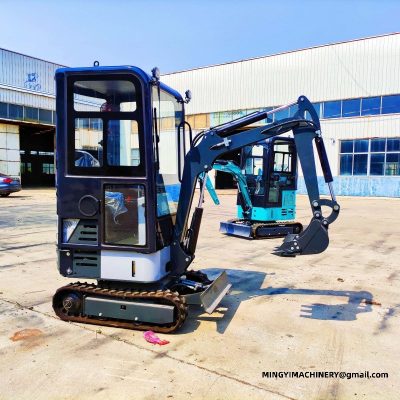
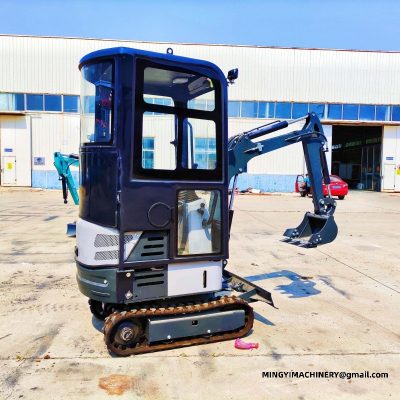
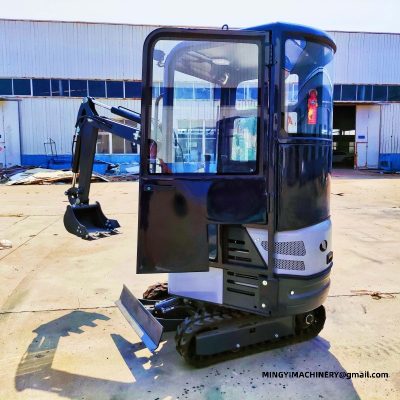
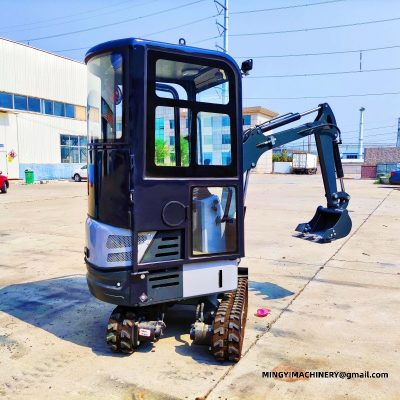
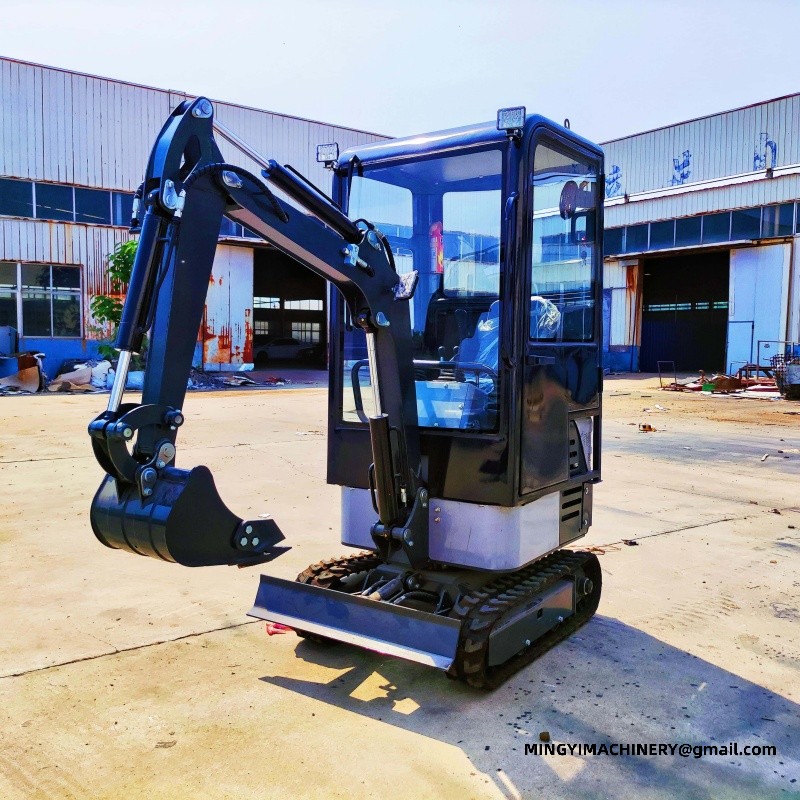
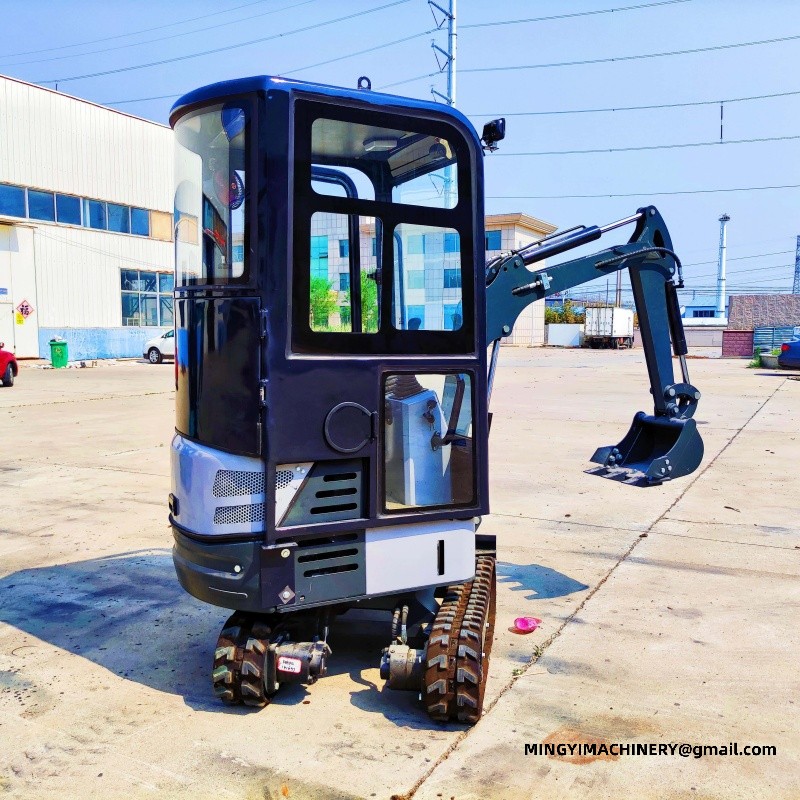
An open-canopy mini excavator is comfortable in mild weather and punishing in everything else. Fitting an enclosed cab afterwards is a common request from owners who bought a canopy machine for effort or for low headroom and later found that dust, rain, wind and cold decide how many hours the operator can work.
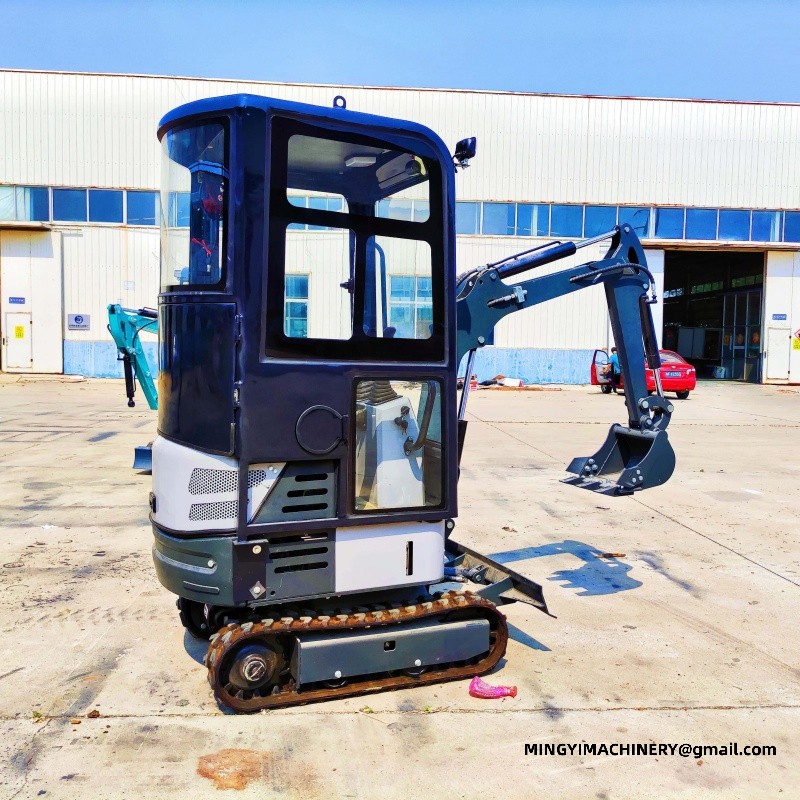
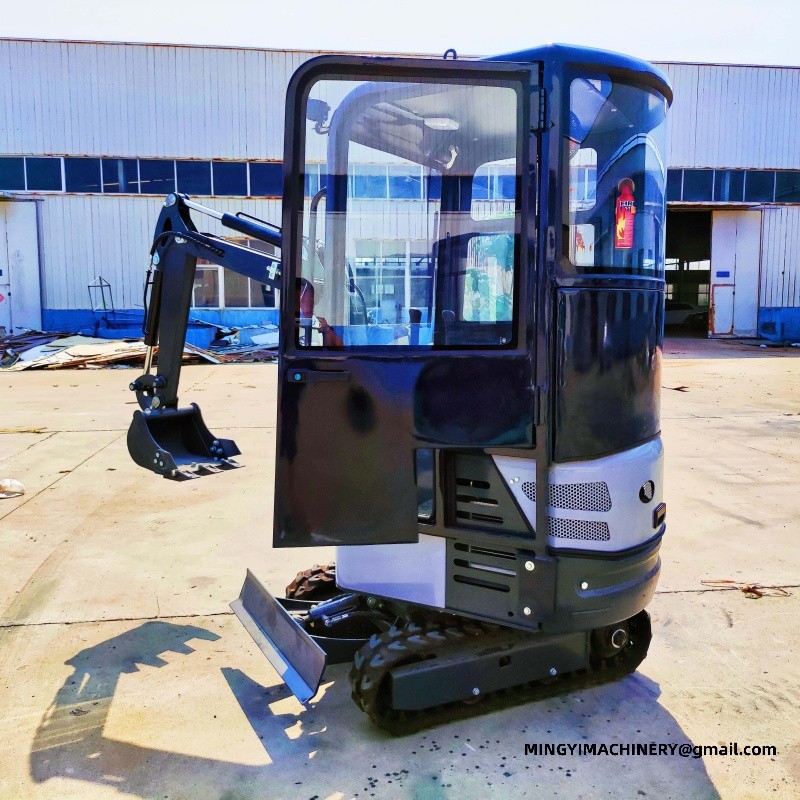
A retrofit cab is a frame, glazing and sealing package that closes the operator platform without disturbing the machine structure underneath. Because the excavator was designed as an open machine, the work is mostly about where the cab mounts and how the joints are finished.
What a retrofit cab package has to solve
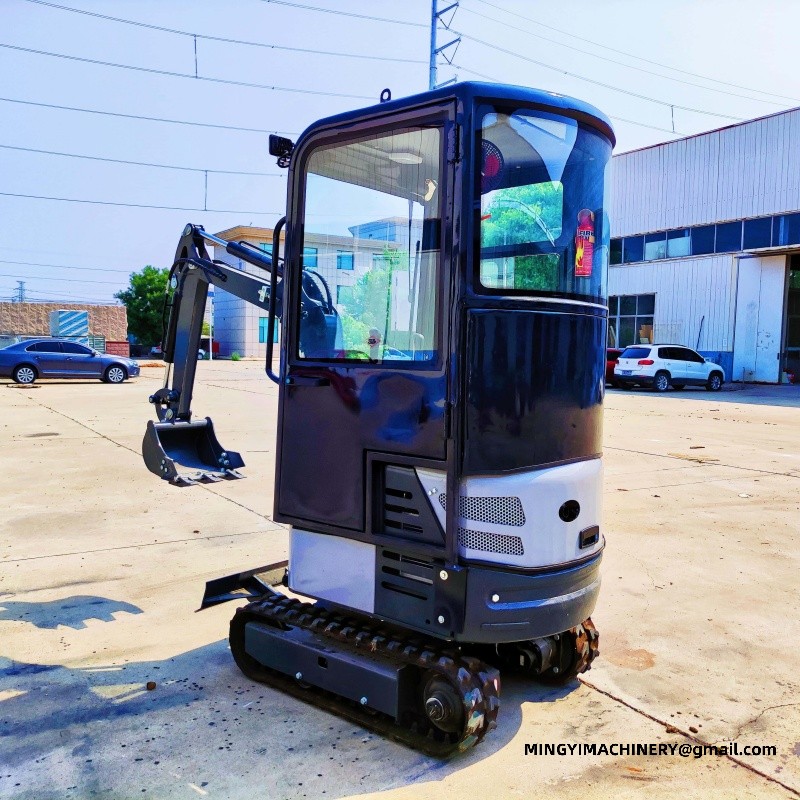
The cab mounts to the existing platform and canopy pillars, so the first task is confirming the fixing points and the height available above the seat. A cab that is bolted through the original structure keeps the machine serviceable; one that requires cutting the platform can weaken the structure and makes later removal difficult.
Sealing is the second task. Dust and water find every unsealed cable pass-through, pedal opening and hydraulic lever slot. A retrofit package therefore includes grommets, boots and trim rather than glazing alone, so the interior stays usable on a dry, dusty site.
Visibility, comfort and controls
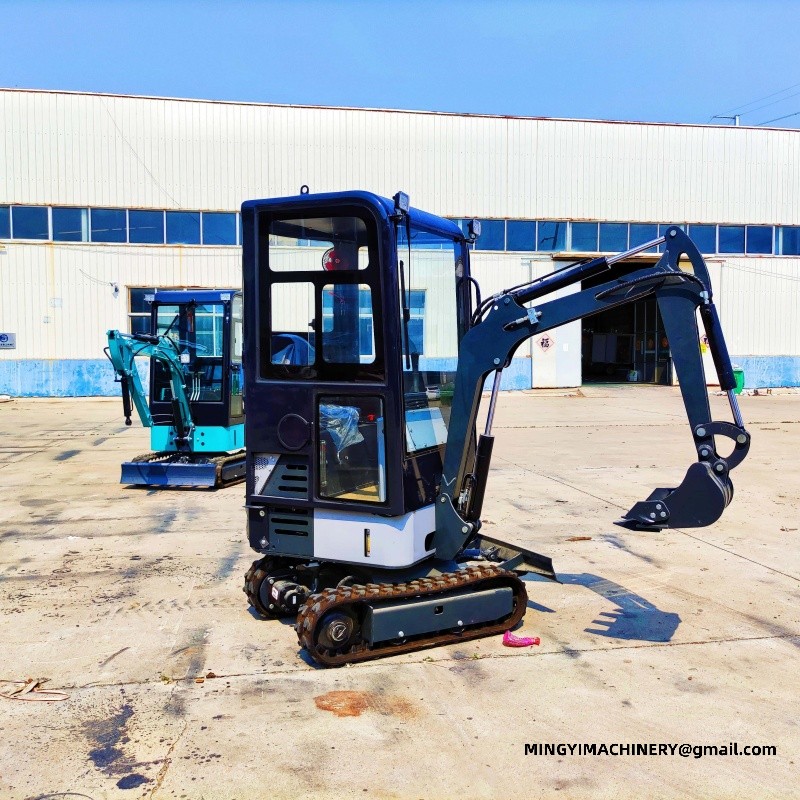
Glazing has to be clear at the working angles the operator actually uses: looking down at the bucket, back over the counterweight and sideways at the track edge. Flat glass is easier to replace than curved glass, and a wiper on the front screen keeps it usable in rain.
Heat is the other deciding factor. A heater and demister unit keeps the screens clear in cold weather and lets the operator work in a jacket-free posture, which matters for control accuracy. Ventilation, a cabin light and a radio are low-effort additions that owners usually specify at the same time.
Matching the cab to the machine and the climate
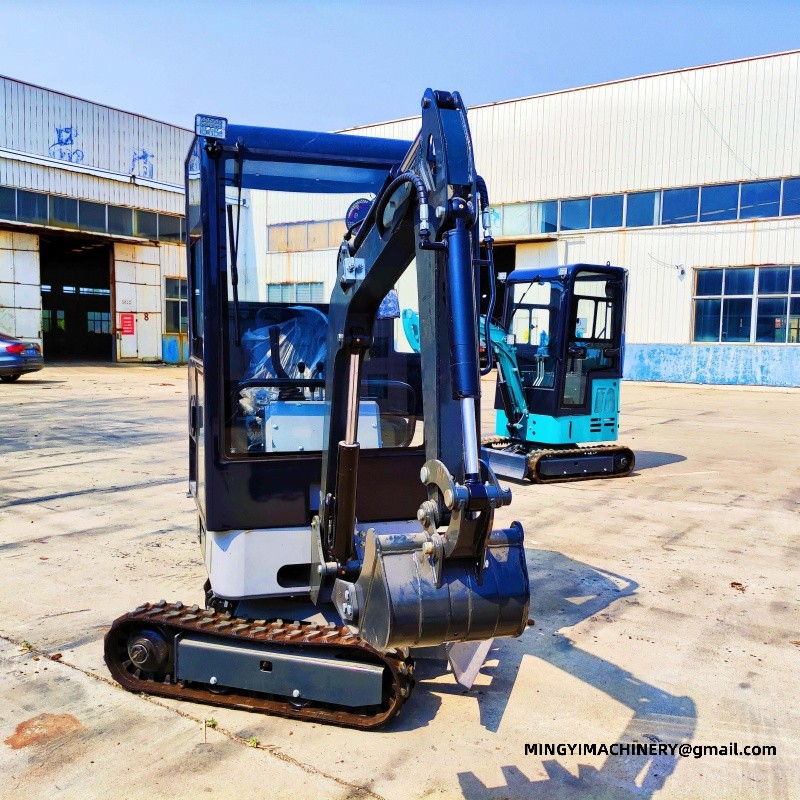
Track type and canopy version both change the fit. Machines on rubber tracks tend to work on finished surfaces and in built-up areas, where a quieter and better-sealed cab is worth more; machines on steel tracks with rubber blocks work rougher ground, where a simple sealed canopy with side screens is often enough.
For hot, dusty markets the priority is dust sealing and ventilation; for cold markets it is the heater, demister and insulated side panels. Tell us the machine model, the canopy version and the climate it works in, and we will advise on the retrofit package that fits.
Retrofit packages are matched to the machine series and the canopy version already fitted. Send us the model and a photograph of the operator platform and we will confirm the configuration.
E-mail : Trenching work with this class of machine Service trenches are the most common reason the unit in daily use is hired. Water, sewage, cable and gas runs are narrow, shallow and often close to existing services, which is exactly the work a full-size machine cannot do safely. Trench quality depends on the bucket width and the operator, not on machine size. A machine of this size with a narrow bucket and a swing boom cuts a clean run along a boundary without disturbing the ground either side of it. Parts, service and support for retrofit cab for mini excavators Support after delivery is a parts question. Wearing items for the equipment on site - filters, belts, track components, bucket teeth and pins - are the items a buyer should plan to hold before the first service interval. Remote support is handled by video. The machine itself fault can often be diagnosed on a walk-around call with the panel open, which is faster than waiting for a visit and avoids shipping a part that is not needed. Orchard, vineyard and farm use of retrofit cab for mini excavators Orchard and vineyard work is carried out between rows. The model in question with a narrow chassis and a swing boom works down the row without damaging the trees, which is the reason a full-size machine is not used at all. Ditching, fertilising and drainage on farmland suit the machine in that duty because the work is spread over a large area in short bursts. The machine travels behind a pickup and works where it stops. Working a retrofit cab for mini excavators in confined spaces Confined sites are decided by dimensions. Overall width, tail swing and the space needed to work the arm are what let the unit on the job operate inside a building, between walls or in a courtyard. Clearance above matters as much as around. Door heights, pipework and overhead services set the limit for a machine built for the work indoors, and measuring them first avoids a machine that arrives and cannot be used. Attachments that turn retrofit cab for mini excavators into several machines The base machine is a carrier; the tool on the end of the arm decides the task. The equipment in service fitted with a toothed bucket digs, and the same machine with a breaker, an auger or a grab does work that would otherwise need a second unit on site. Most of the daily variety on this class of machine comes from the attachment rack rather than from the machine itself. Bucket, breaker, auger, ripper, rake and grab cover the large majority of the work a contractor will see. Daily checks and maintenance on retrofit cab for mini excavators Track tension is the item most often neglected. The unit in daily use run with slack tracks wears the undercarriage and can throw a track on a turn; run too tight, the same components wear from the other direction. Greasing is the second item. The slew ring, the boom and arm pins and the bucket linkage on a machine of this size take grease daily in dusty work, and the intervals shorten further when the machine is used in water or mud. Trailering and moving the equipment on site Loading practice matters as much as the numbers. The machine itself is driven up ramps under its own power with the boom lowered and the tracks aligned, and secured at the points the manufacturer specifies. Detachable components reduce transport length. The model in question built with a removable arm section or a folding step fits a shorter trailer and may avoid an oversize movement permit. Export packing and shipping of the machine in that duty Machines leave the factory prepared for container or flat rack shipment. The unit on the job is normally shipped with the attachment set and the spare parts list agreed in advance so the container is planned once. Buyers who import regularly plan the spare parts with the machine. A machine built for the work ordered with a wearing-parts kit arrives ready to work rather than ready to wait for the first service interval. Working near live services with the equipment in service The risk on utility work is not machine power but machine placement. This class of machine that fits the working width leaves the surrounding ground undisturbed, which keeps the trench stable and the reinstatement small. Utility crews specify the unit in daily use with a narrow bucket and good visibility for exactly this reason: the machine has to stop at the service, not at the edge of the operator's view. Road and paving work for a machine of this size Road repair generates short, interrupted jobs - a patch, a drainage connection, a kerb line. The equipment on site is economical here because it travels on a small trailer and starts working minutes after arriving. Breaking out a failed slab and backfilling the same hole in one visit is normal work for the machine itself. The breaker and the bucket come off the same coupler, so the road is reopened the same day. What owners should plan for beyond the model in question Purchase decision is the visible part of the effort. Fuel, filters, tracks or tyres, the operator and the transport between sites are the items that decide what the machine in that duty actually demands over a few seasons, and they are worth listing before the order. The useful comparison is demand per working hour, not demand per machine. The unit on the job that works more hours a year spreads its standing takes over more output, which is why utilisation usually matters more than the invoice figure. Running a machine built for the work in a rental fleet Rental fleets buy for utilisation, not for a single job. The equipment in service with a quick coupler and a common attachment standard is hired more often because it suits more of the calls that come in. Fleet buyers also weigh transport. This class of machine that a customer can tow on a normal licence and a standard trailer is a hire that does not need a delivery truck, which changes how often it goes out. Specification data for the unit in daily use The figures below are the factory figures for the models most often matched to a machine of this size. They are the numbers to check against the site: the depth the work needs, the reach from one position, and the width of the narrowest point on the route in. Every value shown is as built for the equipment on site; options such as cab, side swing or a telescopic undercarriage change the transport dimensions and are confirmed at order stage. Reading the early symptoms on the machine itself The symptom is usually not at the fault. A hydraulic function that has become sluggish on the model in question may point to a filter, a relief setting or a pump, and starting with the simple checks avoids the wrong guess. Pre-delivery inspection before the machine in that duty leaves the shop What the customer sees on arrival is decided before departure. The walk-around given to the unit on the job covers the same points the operator will check on day one, so there are no surprises when the crate is opened at the destination. Auxiliary hydraulic lines are what let a machine drive a tool rather than only a bucket. A machine built for the work specified with the right circuits and flow runs a breaker or an auger without an add-on power pack bolted to the frame. Flow and pressure are matched to the tool, not to the machine size. Asking for the attachment list first means the equipment in service leaves the factory with circuits that suit the heaviest tool the buyer intends to run.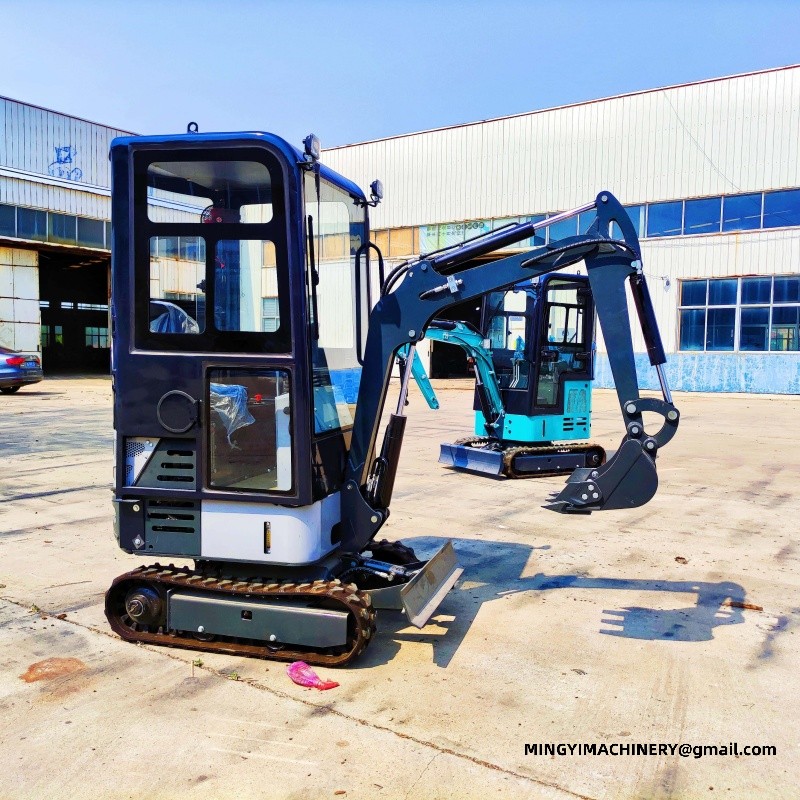
Reference specification — mini excavator range 12W 30-1W 09L 12L Operating weight 1200 kg (2645.55 lb) 2900 kg (6393.41 lb) 1100 kg (2425.08 lb) 1200 kg (2645.55 lb) Transport size (L×W×H) 2200 × 930 × 2250 mm 3000 × 1250 × 2780 mm 2300 × 720 × 1870 mm 2200 × 930 × 2250 mm Max digging depth 1630 mm (64.17 in) 2200 mm (86.61 in) 1400 mm (55.12 in) 1700 mm (66.93 in) Max digging height 2750 mm (108.27 in) 3400 mm (133.86 in) 2800 mm (110.24 in) 2600 mm (102.36 in) Max dumping height 1960 mm (77.17 in) 2400 mm (94.49 in) 1880 mm (74.02 in) 1800 mm (70.87 in) Max digging radius 2900 mm (114.17 in) 4000 mm (157.48 in) 2490 mm (98.03 in) 2900 mm (114.17 in) Max digging distance 2100 mm (82.68 in) 2800 mm (110.24 in) 2000 mm (78.74 in) 2300 mm (90.55 in) Minimum turning radius 1300 mm (51.18 in) 2000 mm (78.74 in) 1400 mm (55.12 in) 1450 mm (57.09 in) Travel speed 3 km/h (1.86 mph) 5 km/h (3.11 mph) 3 km/h (1.86 mph) 3 km/h (1.86 mph) Gradeability 30° 30° 30° 30° Fuel consumption 1-1.3 L/h (0.264—0.343 gal) 2-3 L/h (0.528—0.793 gal) 1-1.3 L/h (0.264—0.343 gal) 1-1.3 L/h (0.264—0.343 gal) Fuel tank capacity 10 L (2.64 gal) 16 L (4.23 gal) 8 L (2.11 gal) 10 L (2.64 gal) Hydraulic oil tank 16 L (4.23 gal) 20 L (5.28 gal) 16 L (4.23 gal) 16 L (4.23 gal) Dozer blade lift height 180 mm (7.09 in) 420 mm (16.54 in) 180 mm (7.09 in) 180 mm (7.09 in) Dozer blade drop depth 210 mm (8.27 in) 210 mm (8.27 in) 210 mm (8.27 in) 210 mm (8.27 in)
LINE ( ID ): mingyicn
mini excavator factory
Related pages
mini excavator exporter · Small excavator with a luxurious cab added · high efficiency hydraulic mini excavator · PRODUCTS









