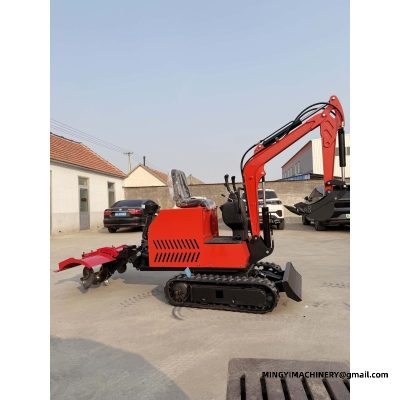
Reliability, for a buyer, means three things: the machine arrives as specified, it works as expected, and the supplier is still answering when something wears out. Those three requirements are what a buyer is really testing when they assess a manufacturer.
Mingyi Machinery manufactures and supplies mini excavators from China, with machines built to order and supported after delivery.
Machine arrives as specified
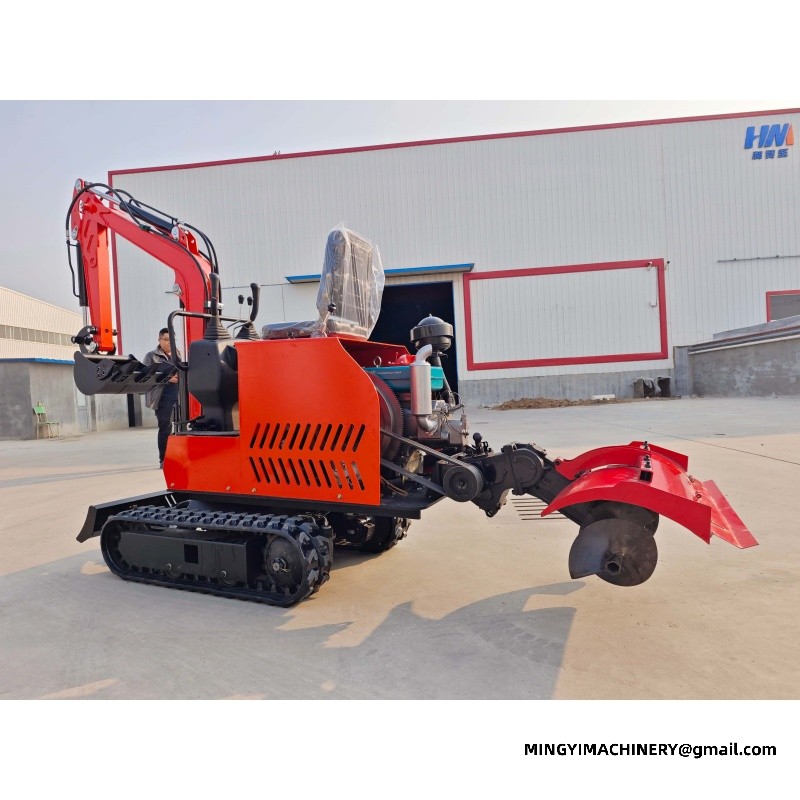
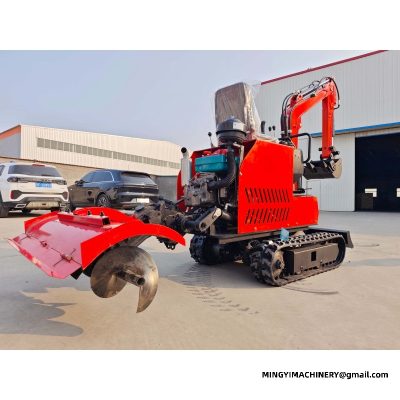
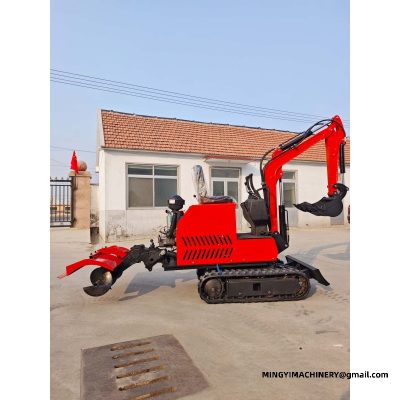
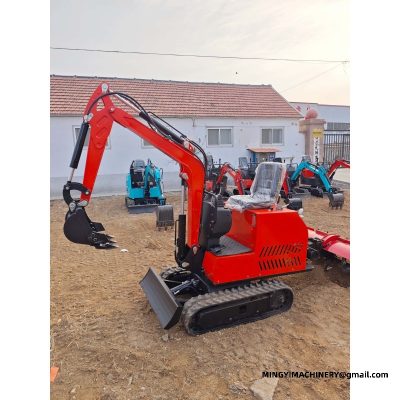
Every machine is built against a written order specification covering model, engine family, track type, operator station, quick coupler type and attachment set. Before dispatch the machine is functionally tested, so what arrives matches what was stated.
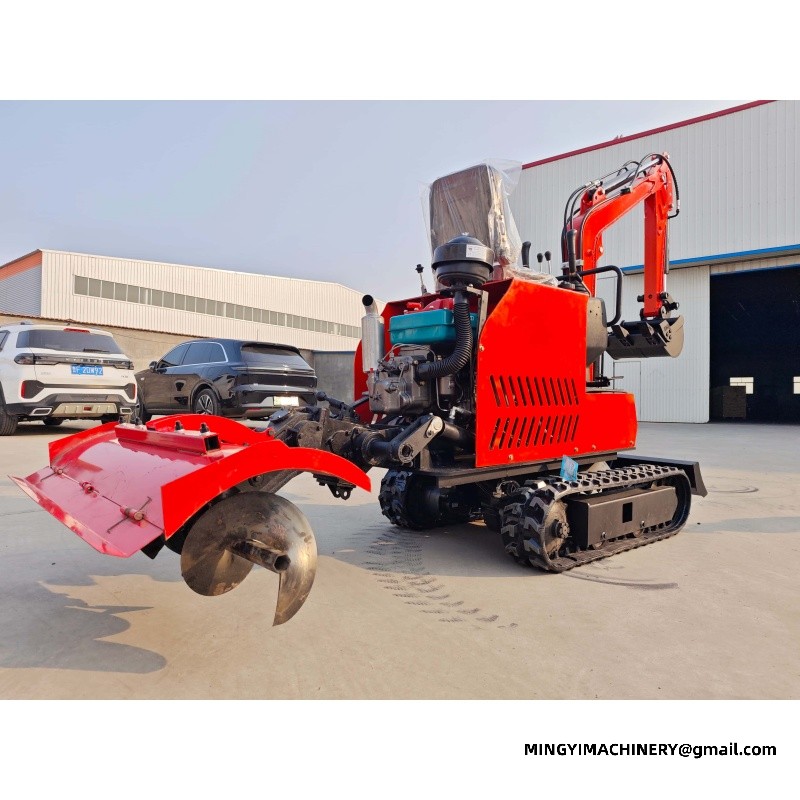
Machine works as expected
Compact crawler excavators in the 08, 12 and 18 model series are built around matched hydraulic systems and in-house fabricated structures, and the diesel engine families offered — Kubota, YANMAR, Changchai, Laidong, Runtong, YARMAX and Youpu — are selected for parts availability in the markets we serve.
Supplier still answering afterward
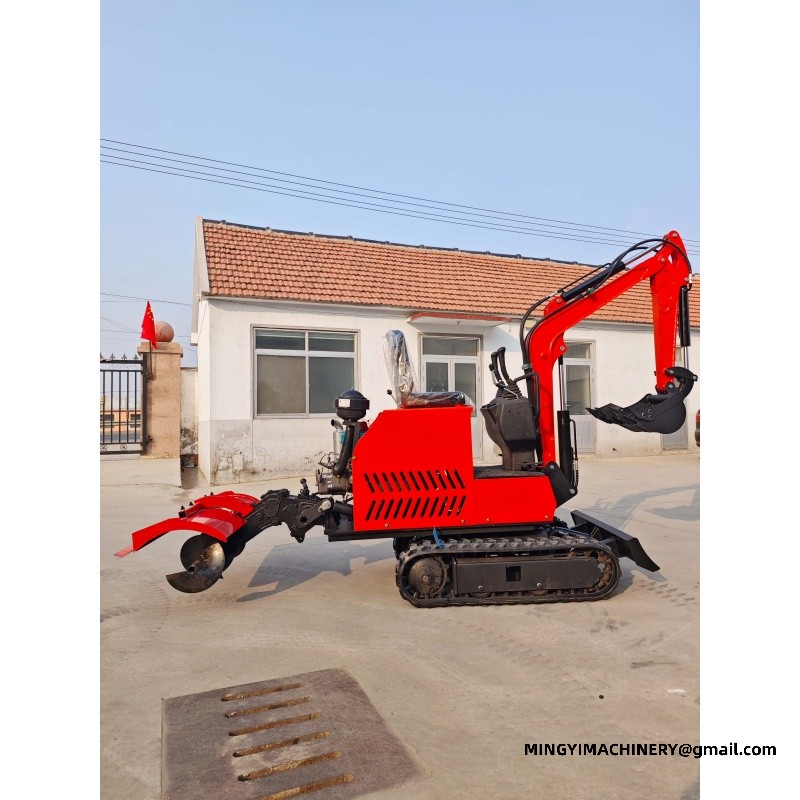
Machines run for years, so wear parts, replacement tracks, teeth, hoses and additional attachments have to remain available. Buyers can raise technical questions directly with the manufacturer rather than through a reseller chain.
What buyers should verify
• Written specification against the order
• Pre-dispatch functional testing
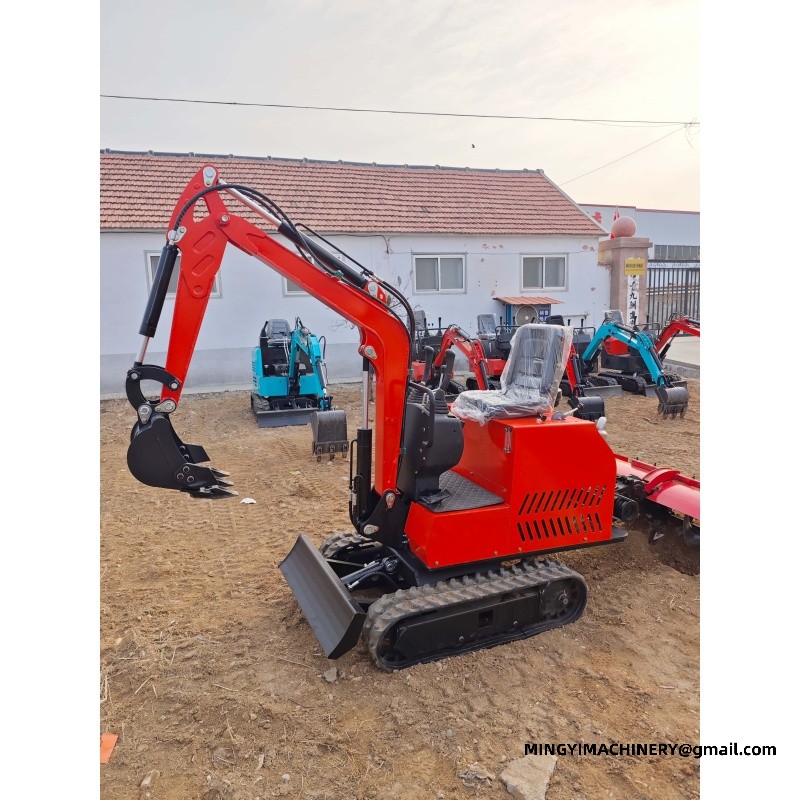
• Engine family with local parts support
• Availability of tracks, teeth and hoses
• Direct contact for technical questions
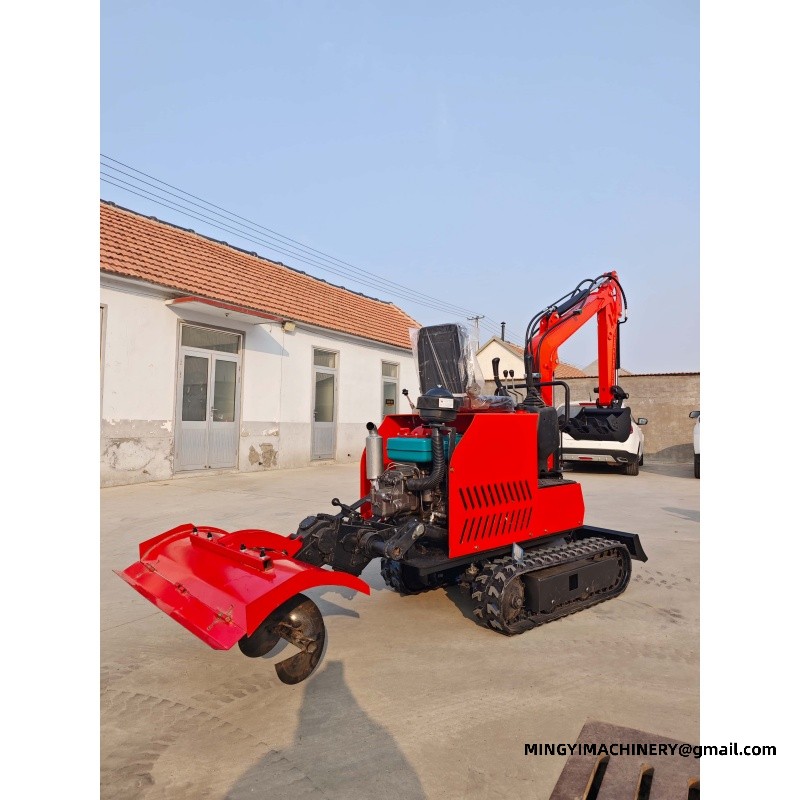
Tell us what you need to verify about the machine or the supplier and we will answer it directly.
Municipal and public works with reliable mini excavator manufacturer in China Municipal crews work on streets, footpaths and parks where the public is present. This class of machine is specified because it occupies little space, works inside a small exclusion zone and can be moved on a standard trailer. Noise and surface protection matter on public work. The unit in daily use on rubber tracks across paving, with a sealed cab for the operator, suits the conditions better than a larger tracked machine. Working near live services with reliable mini excavator manufacturer in China Digging near water, gas and cable is a precision job. A machine of this size is used here because the operator can work in short controlled cuts and because the machine can be positioned without driving over the run being exposed. The risk on utility work is not machine power but machine placement. The equipment on site that fits the working width leaves the surrounding ground undisturbed, which keeps the trench stable and the reinstatement small. What owners should plan for beyond the reliable mini excavator manufacturer in China Purchase decision is the visible part of the effort. Fuel, filters, tracks or tyres, the operator and the transport between sites are the items that decide what the machine itself actually demands over a few seasons, and they are worth listing before the order. The useful comparison is demand per working hour, not demand per machine. The model in question that works more hours a year spreads its standing takes over more output, which is why utilisation usually matters more than the invoice figure. Parts, service and support for reliable mini excavator manufacturer in China Support after delivery is a parts question. Wearing items for the machine in that duty - filters, belts, track components, bucket teeth and pins - are the items a buyer should plan to hold before the first service interval. Remote support is handled by video. The unit on the job fault can often be diagnosed on a walk-around call with the panel open, which is faster than waiting for a visit and avoids shipping a part that is not needed. Working a machine built for the work through the seasons Weather decides which days are productive. Rain turns some ground unusable and cold changes how the equipment in service starts and warms up, so planning the wet months around maintenance is more useful than planning around output. Seasonal planning smooths the workload. Machines that are busy for a few months and idle for the rest benefit from a service slot in the quiet period, and this class of machine prepared in the off-season starts the busy months reliably. OEM and fleet customisation of the unit in daily use Distributors and rental fleets usually need the machine to look like theirs. Paint, decals, seat colour and attachment branding can be specified on a machine of this size at build time rather than applied after import. Customisation also covers the specification sheet. A fleet buyer may want every equipment on site delivered with the same coupler, the same engine and the same tool kit so training and parts stock stay simple. Noise, dust and working near occupied buildings Work near housing or occupied premises brings constraints that open sites do not. Start times, exhaust condition and how often the machine itself needs to reverse are the practical limits that neighbours notice. Enclosure and machine condition both reduce noise. The model in question with intact panels, sound mounts and a maintained exhaust is measurably quieter than the same machine with loose guards, and the difference matters on restricted sites. Trailering and moving the machine in that duty Loading practice matters as much as the numbers. The unit on the job is driven up ramps under its own power with the boom lowered and the tracks aligned, and secured at the points the manufacturer specifies. Detachable components reduce transport length. A machine built for the work built with a removable arm section or a folding step fits a shorter trailer and may avoid an oversize movement permit. Specifying the equipment in service against a job list The practical way to specify is to write the job list first: the narrowest access, the deepest trench, the heaviest tool and the surfaces the machine must cross. This class of machine is then matched to those four numbers. Buyers who skip this step either over-buy or under-buy. The unit in daily use specified only from machine size tends to arrive without the coupler, the circuits or the track type the work actually needs. Running a machine of this size in a rental fleet Rental fleets buy for utilisation, not for a single job. The equipment on site with a quick coupler and a common attachment standard is hired more often because it suits more of the calls that come in. Fleet buyers also weigh transport. The machine itself that a customer can tow on a normal licence and a standard trailer is a hire that does not need a delivery truck, which changes how often it goes out. Track choice for the model in question Undercarriage selection is a ground question, not a preference question. The machine in that duty running on finished paving needs rubber; the same machine on demolition rubble or rock wears rubber quickly, so steel with rubber blocks becomes the better answer over a full season. Track type changes what the machine can cross and what it leaves behind. Buyers specify rubber for lawns, driveways and municipal work, and steel with rubber blocks for sites where sharp material would cut a rubber belt in a week. Interior and light demolition with the unit on the job Interior demolition is an access and a weight question. A machine built for the work that fits through a doorway and works on a suspended floor does jobs that would otherwise be done by hand or by a larger machine that cannot enter. Breaking out a floor slab, a wall footing or a concrete step is routine work for the equipment in service with a breaker. The machine is small enough to work inside and heavy enough to run the tool at a practical rate. Specification data for this class of machine The figures below are the factory figures for the models most often matched to the unit in daily use. They are the numbers to check against the site: the depth the work needs, the reach from one position, and the width of the narrowest point on the route in. Every value shown is as built for a machine of this size; options such as cab, side swing or a telescopic undercarriage change the transport dimensions and are confirmed at order stage. Stability changes with reach. A load the equipment on site handles close in becomes a different proposition at full extension, so the working radius belongs in the plan before the lift rather than during it. Ground condition under the machine is part of every lift. Soft or uneven support is the common factor in handling incidents, and checking it takes less time than recovering the machine itself that has settled.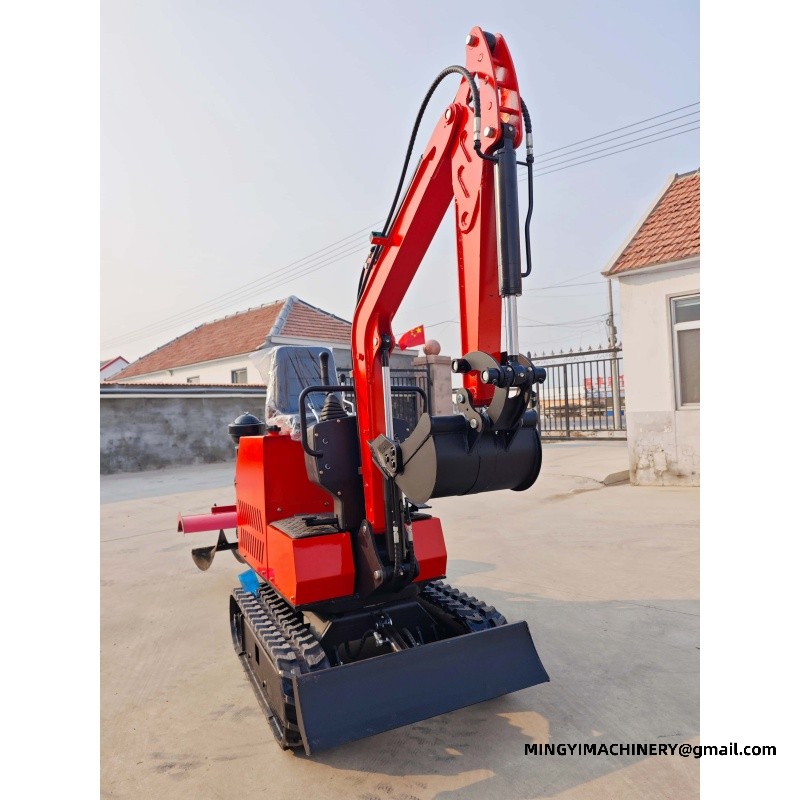
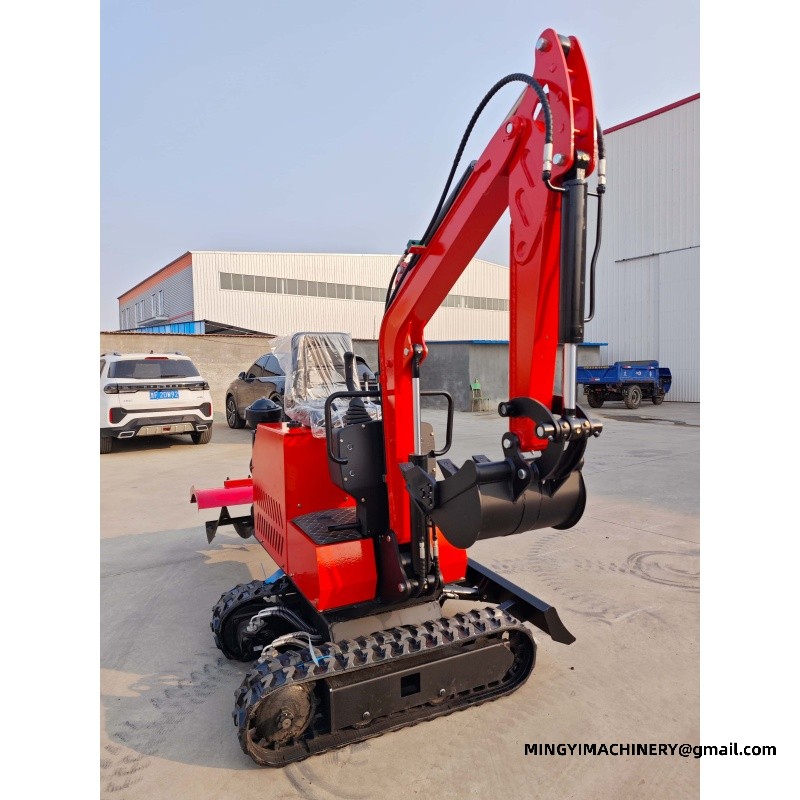
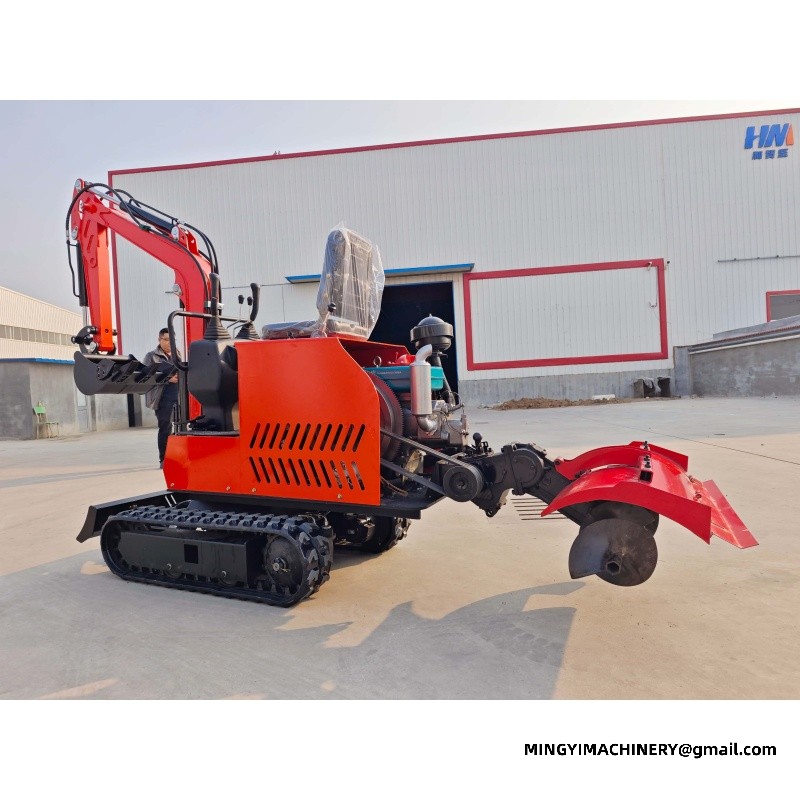
Reference specification — mini excavator range 12W 20-1WL 15L 20-2L Operating weight 1200 kg (2645.55 lb) 1900 kg (4188.78 lb) 1400 kg (3086.47 lb) 1900 kg (4188.78 lb) Transport size (L×W×H) 2200 × 930 × 2250 mm 2550 × 1100 × 2200 mm 2200 × 930 × 2250 mm 2600 × 1300 × 2344 mm Max digging depth 1630 mm (64.17 in) 1800 mm (70.87 in) 1700 mm (66.93 in) 2100 mm (82.68 in) Max digging height 2750 mm (108.27 in) 2820 mm (111.02 in) 2750 mm (108.27 in) 2880 mm (113.39 in) Max dumping height 1960 mm (77.17 in) 2050 mm (80.71 in) 1960 mm (77.17 in) 2100 mm (82.68 in) Max digging radius 2900 mm (114.17 in) 3050 mm (120.08 in) 2900 mm (114.17 in) 3215 mm (126.57 in) Max digging distance 2100 mm (82.68 in) 2300 mm (90.55 in) 2300 mm (90.55 in) 2460 mm (96.85 in) Minimum turning radius 1300 mm (51.18 in) 1450 mm (57.09 in) 1450 mm (57.09 in) 1587 mm (62.48 in) Travel speed 3 km/h (1.86 mph) 5 km/h (3.11 mph) 3 km/h (1.86 mph) 5 km/h (3.11 mph) Gradeability 30° 30° 30° 30° Fuel consumption 1-1.3 L/h (0.264—0.343 gal) 2-3 L/h (0.528—0.793 gal) 1-1.3 L/h (0.264—0.343 gal) 2-3 L/h (0.528—0.793 gal) Fuel tank capacity 10 L (2.64 gal) 16 L (4.23 gal) 10 L (2.64 gal) 16 L (4.23 gal) Hydraulic oil tank 16 L (4.23 gal) 18 L (4.76 gal) 16 L (4.23 gal) 18 L (4.76 gal) Dozer blade lift height 180 mm (7.09 in) 180 mm (7.09 in) 180 mm (7.09 in) 180 mm (7.09 in) Dozer blade drop depth 210 mm (8.27 in) 210 mm (8.27 in) 210 mm (8.27 in) 210 mm (8.27 in)
Q. How do I find the model in question?
A. Judge on what is asked of the machine: whether the manufacturer will build to your specification, which engine families they offer, and whether they support the machine with parts after delivery. Those three answers separate a manufacturer from a trading company.
Q. What should I ask before ordering?
A. Ask which engine families are available, what the undercarriage options are, whether the tooling can be specified with the machine, and what parts support follows delivery. MINGYI answers all four from the production side.
Q. Can I see evidence of the build?
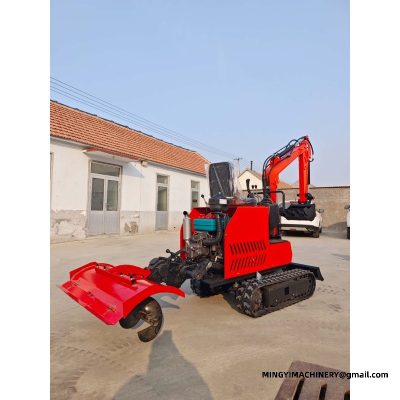
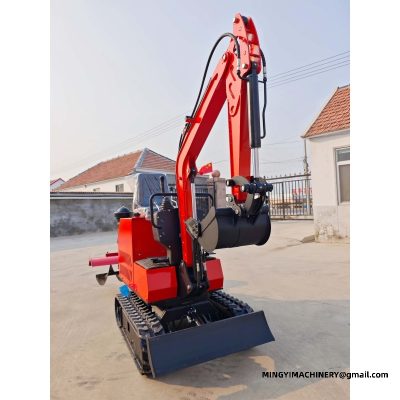
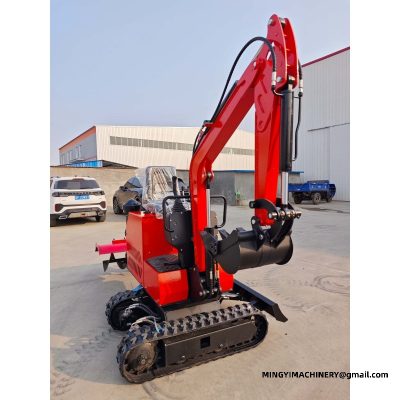
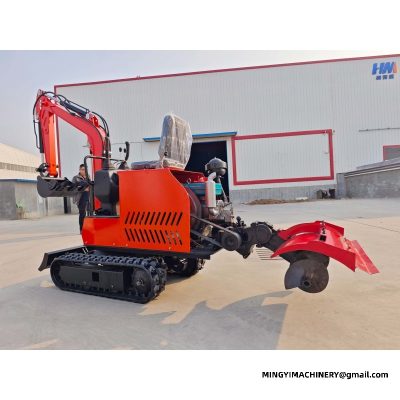
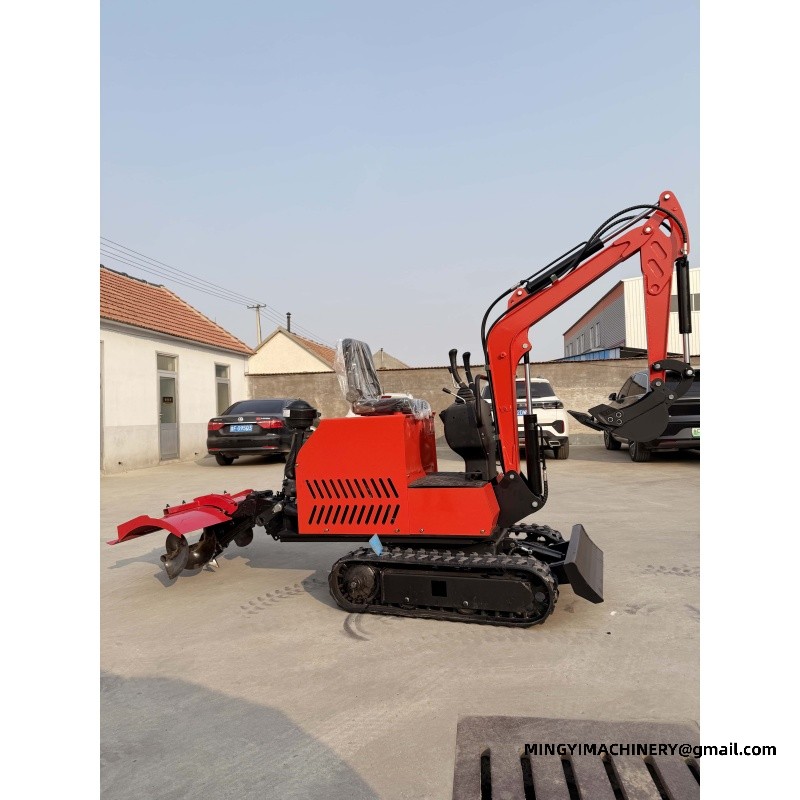
A. Yes. Photographs of the finished machine and its attachments are taken before container loading, so the buyer can compare the build against the order before the machine is shipped.
Cold weather and winter care for the machine in that duty
A cold start is easier when the machine is prepared the night before. The routine that keeps the unit on the job working through winter is mostly a matter of fuel, battery and patience in the first ten minutes of the day.
Wear items and spares worth holding for a machine built for the work
The parts that stop a machine are rarely the parts that are hardest to find. Filters, belts, seals and the ground engaging tools on the equipment in service are easy to hold and slow to replace, which is why they belong on the shelf rather than on an order.
E-mail : sales@mingycn.com
LINE ( ID ): mingyicn
Water, mud and recovery planning for reliable mini excavator manufacturer in China
Wading to the hub, the track frame or the axle line is a limit rather than a target, and it is printed in the manual for a reason.
A stuck machine is usually recovered badly, and a rated recovery point, a proper sling and a second machine with enough capacity keep a delay from becoming a repair.
Related pages
mini excavator export packing and shipping · Modification of Miniature Excavator into Tractor · swing boom digger for roadside ditches · PRODUCTS









