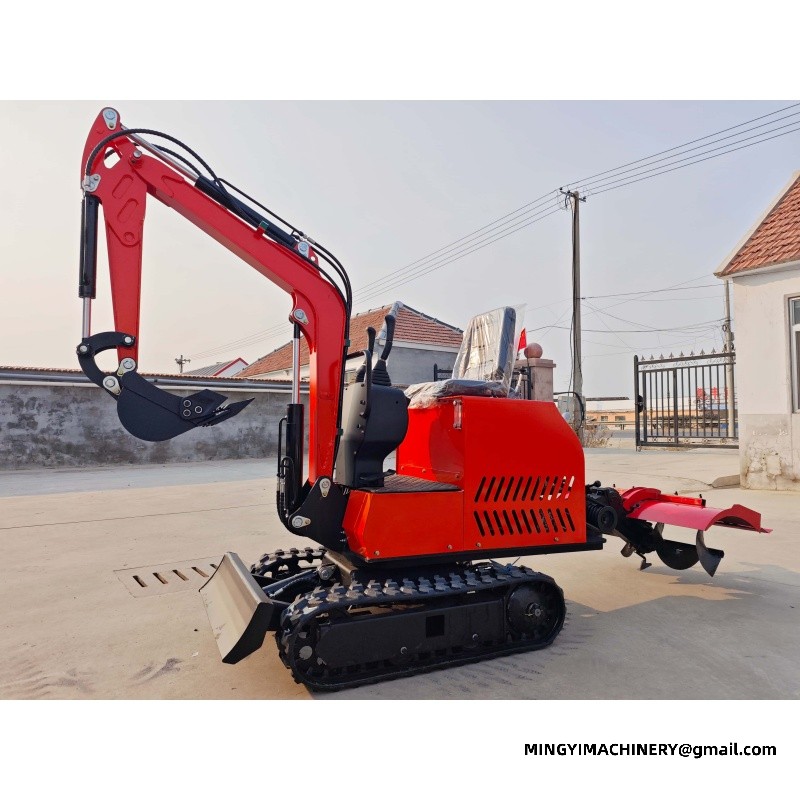
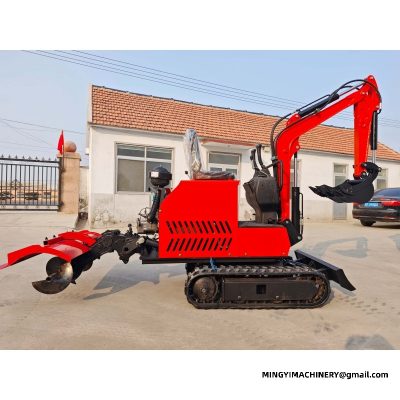
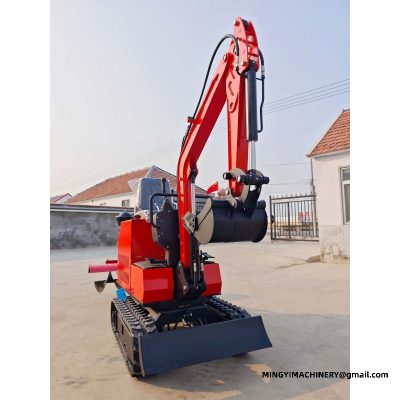
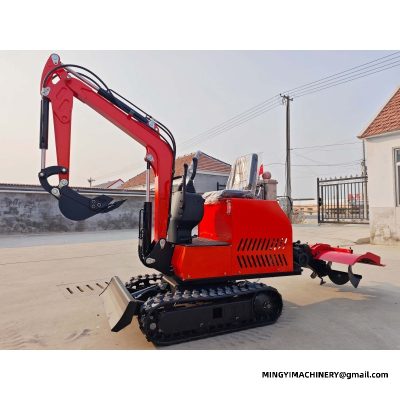
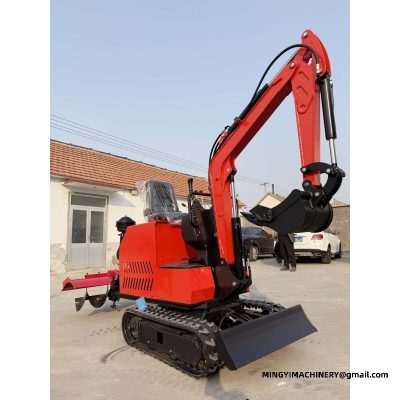
Buying from China works well when the supplier is set up for export and understands the market the machine is going to, rather than only the factory gate.
MINGYI builds compact excavators and exports them, so the machine can be specified for the destination market and shipped as part of the same order.
What export supply covers
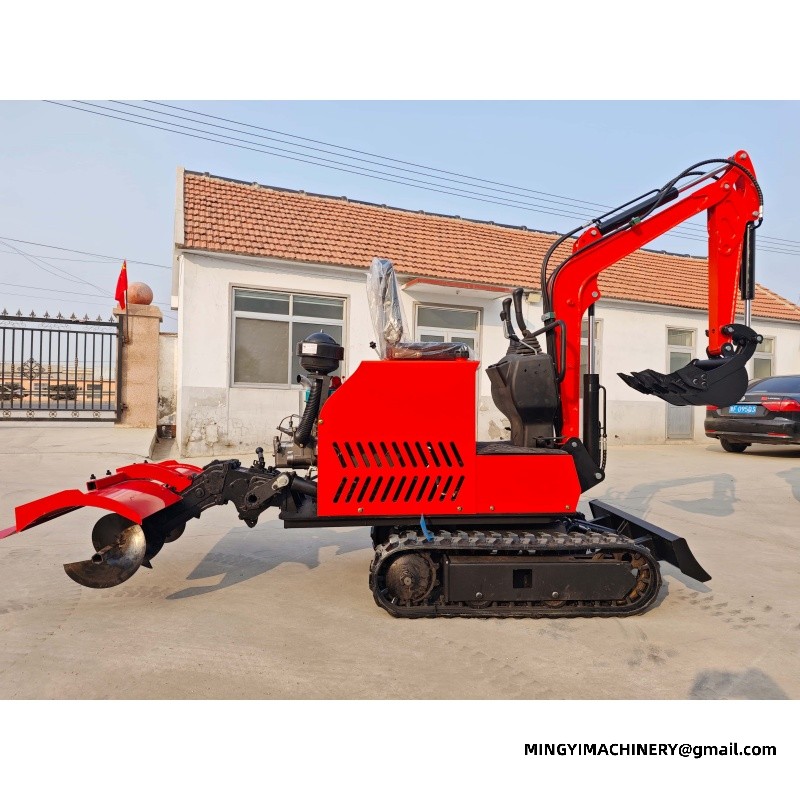
Specification for the destination market, packing suitable for container shipping, and the documentation the buyer needs at the receiving end.
Options such as engine make, track type and operator station are set to suit the market rather than fixed by what is on the line that week.
Working with a Chinese manufacturer
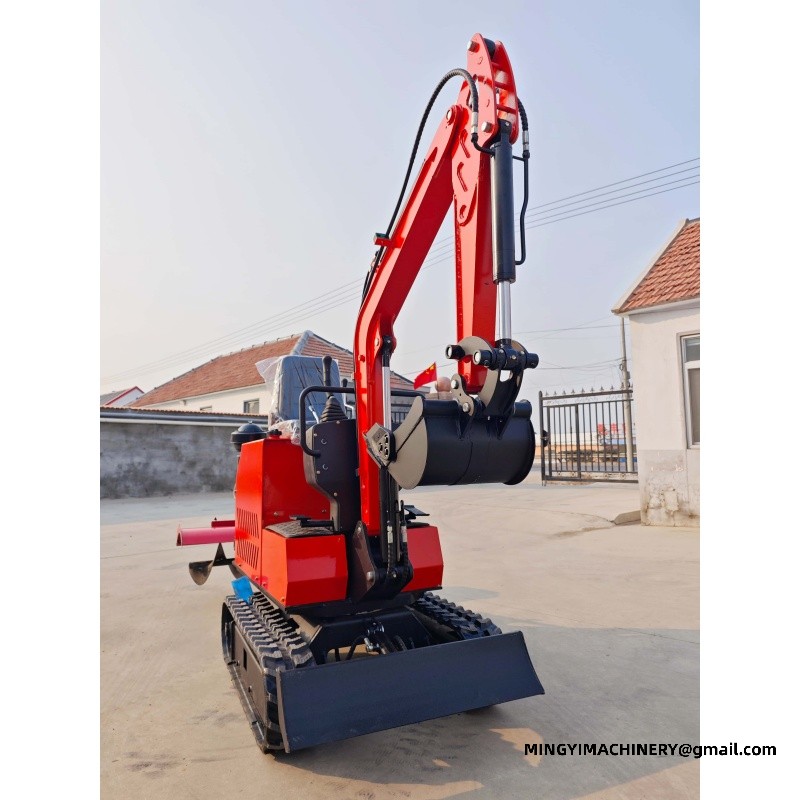
Direct contact with the factory keeps specification questions short and makes parts and technical support easier to arrange later.
Repeat orders are straightforward when the specification is recorded and the machine can be built to match it.
Send MINGYI your market and requirement and we will set out the export arrangement and lead time.
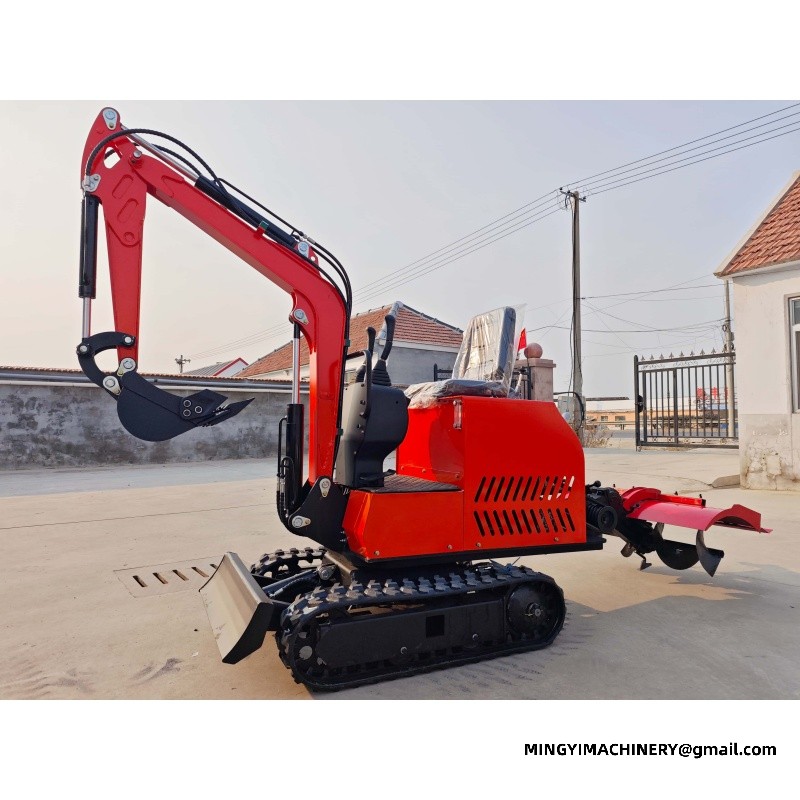
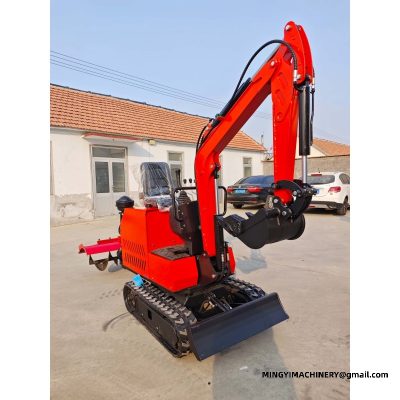
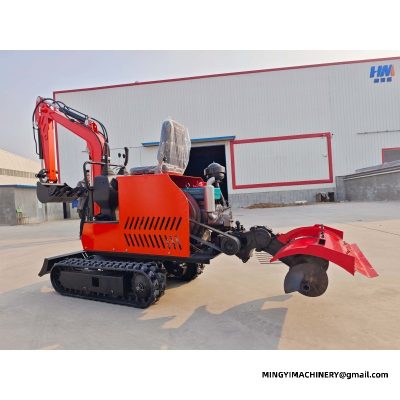
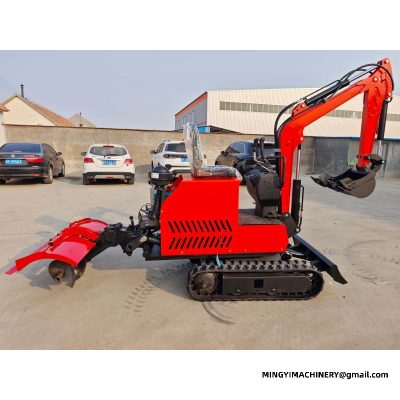
E-mail : Working this class of machine in confined spaces Confined sites are decided by dimensions. Overall width, tail swing and the space needed to work the arm are what let the unit in daily use operate inside a building, between walls or in a courtyard. Clearance above matters as much as around. Door heights, pipework and overhead services set the limit for a machine of this size indoors, and measuring them first avoids a machine that arrives and cannot be used. Track choice for mini excavator export packing and shipping Rubber tracks suit paved and landscaped ground because they spread the machine weight and leave the surface intact. Steel tracks with rubber blocks are specified where the ground is rougher or the working day is longer, and the choice can be made per machine rather than accepted as a factory default. Undercarriage selection is a ground question, not a preference question. The equipment on site running on finished paving needs rubber; the same machine on demolition rubble or rock wears rubber quickly, so steel with rubber blocks becomes the better answer over a full season. Road and paving work for mini excavator export packing and shipping Road repair generates short, interrupted jobs - a patch, a drainage connection, a kerb line. The machine itself is economical here because it travels on a small trailer and starts working minutes after arriving. Breaking out a failed slab and backfilling the same hole in one visit is normal work for the model in question. The breaker and the bucket come off the same coupler, so the road is reopened the same day. Daily checks and maintenance on mini excavator export packing and shipping Track tension is the item most often neglected. The machine in that duty run with slack tracks wears the undercarriage and can throw a track on a turn; run too tight, the same components wear from the other direction. Greasing is the second item. The slew ring, the boom and arm pins and the bucket linkage on the unit on the job take grease daily in dusty work, and the intervals shorten further when the machine is used in water or mud. Acceptance checks when a mini excavator export packing and shipping arrives A function check before the machine goes to work is worth the hour. Running through the controls, the travel and the attachment circuit on a machine built for the work confirms it is set up as specified and ready for the site. Documentation should arrive with the machine. Parts list, service schedule and any certificates for the equipment in service are what the workshop needs later, and they are much easier to obtain at delivery than in month six. Working a mini excavator export packing and shipping through the seasons Weather decides which days are productive. Rain turns some ground unusable and cold changes how this class of machine starts and warms up, so planning the wet months around maintenance is more useful than planning around output. Heat and dust are as limiting as rain. Air intake condition and cooling cleanliness decide how the unit in daily use behaves in a dry season, and both are checked in a minute rather than repaired later. Noise, dust and working near occupied buildings Work near housing or occupied premises brings constraints that open sites do not. Start times, exhaust condition and how often a machine of this size needs to reverse are the practical limits that neighbours notice. Dust control is often part of the same conversation. Water, timing and work sequence reduce what leaves the site, and agreeing them in advance keeps the equipment on site working rather than stopped after a complaint. Orchard, vineyard and farm use of the machine itself Orchard and vineyard work is carried out between rows. The model in question with a narrow chassis and a swing boom works down the row without damaging the trees, which is the reason a full-size machine is not used at all. Ditching, fertilising and drainage on farmland suit the machine in that duty because the work is spread over a large area in short bursts. The machine travels behind a pickup and works where it stops. Canopy or enclosed cab on the unit on the job A canopy keeps the machine light and the operator aware of the surroundings, which suits short jobs in warm weather. A fully enclosed cab is specified where rain, dust or cold are part of the working year, and it can be added to a machine built for the work as a retrofit rather than only at build time. The cab decision follows the climate and the hours. Operators working a full shift in the equipment in service benefit from a sealed cab with wipers and heating; operators stepping on and off every few minutes usually prefer the canopy for the visibility and the quick exit. Hydraulic circuits on this class of machine Auxiliary hydraulic lines are what let a machine drive a tool rather than only a bucket. The unit in daily use specified with the right circuits and flow runs a breaker or an auger without an add-on power pack bolted to the frame. Flow and pressure are matched to the tool, not to the machine size. Asking for the attachment list first means a machine of this size leaves the factory with circuits that suit the heaviest tool the buyer intends to run. Working near live services with the equipment on site The risk on utility work is not machine power but machine placement. The machine itself that fits the working width leaves the surrounding ground undisturbed, which keeps the trench stable and the reinstatement small. Utility crews specify the model in question with a narrow bucket and good visibility for exactly this reason: the machine has to stop at the service, not at the edge of the operator's view. Quick coupler practice on the machine in that duty A quick coupler is the single option that changes how a machine is used day to day. Fitted to the unit on the job, it turns an attachment change from a two-person workshop job into a task the operator does alone in minutes. For a fleet that shares attachments between machines, a common coupler standard matters more than the coupler brand. A machine built for the work that picks up the same tools as the larger machines keeps the rack usable across the yard. Matching the equipment in service to ground conditions Soft ground is a flotation problem, not a power problem. This class of machine on wide rubber tracks crosses lawn, sand and cultivated soil that would stop a narrower machine or a wheeled unit of the same capacity. Mixed sites are common and argue for a compromise specification. Most buyers choose rubber for the unit in daily use and accept the wear, unless the majority of the work is on material that will damage it. Getting a machine of this size through a narrow gap The first question on most job lists is whether the machine can reach the work at all. The equipment on site is chosen against the narrowest point on the route - a garden gate, a doorway, a gap between two walls - because a machine that arrives and then cannot pass loses a day, not an hour. Access decides the machine before output does. With the machine itself the limiting dimension is usually the widest point on the way in, so measuring the gate, the corridor and the turning space first saves a wasted delivery and a second visit. Specification data for the model in question Buyers comparing the machine in that duty usually start from four numbers - weight, digging depth, reach and transport width - because those are the ones that decide whether the machine can be delivered and whether it can do the job once it is there. Every value shown is as built for the unit on the job; options such as cab, side swing or a telescopic undercarriage change the transport dimensions and are confirmed at order stage. Cold weather and winter care for a machine built for the work Starting is only the first problem. Until the equipment in service reaches working temperature the hydraulic response is slower and the seals are stiffer, and warming the machine before asking for full output avoids unnecessary strain. Reading the early symptoms on this class of machine The symptom is usually not at the fault. A hydraulic function that has become sluggish on the unit in daily use may point to a filter, a relief setting or a pump, and starting with the simple checks avoids the wrong guess. Grass cutting heads, rakes and tillers extend a machine of this size into ground care. The same carrier that digs a border in spring can cut and clear the same area later in the season. On soft landscape work the surface is the constraint. The equipment on site on rubber tracks crosses turf without stripping it, which is why the same jobs are not given to a wheeled machine.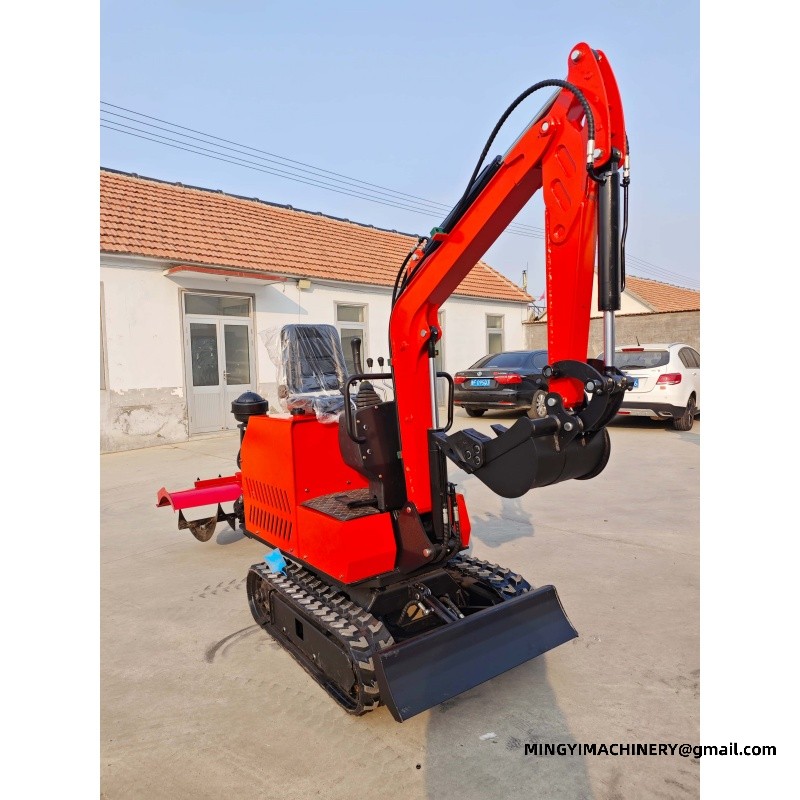
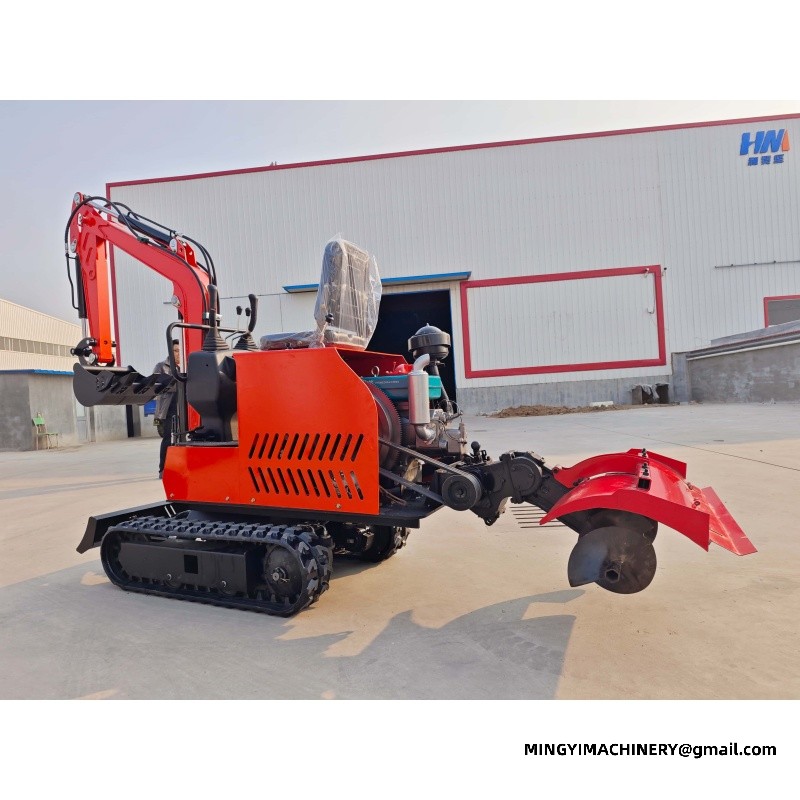
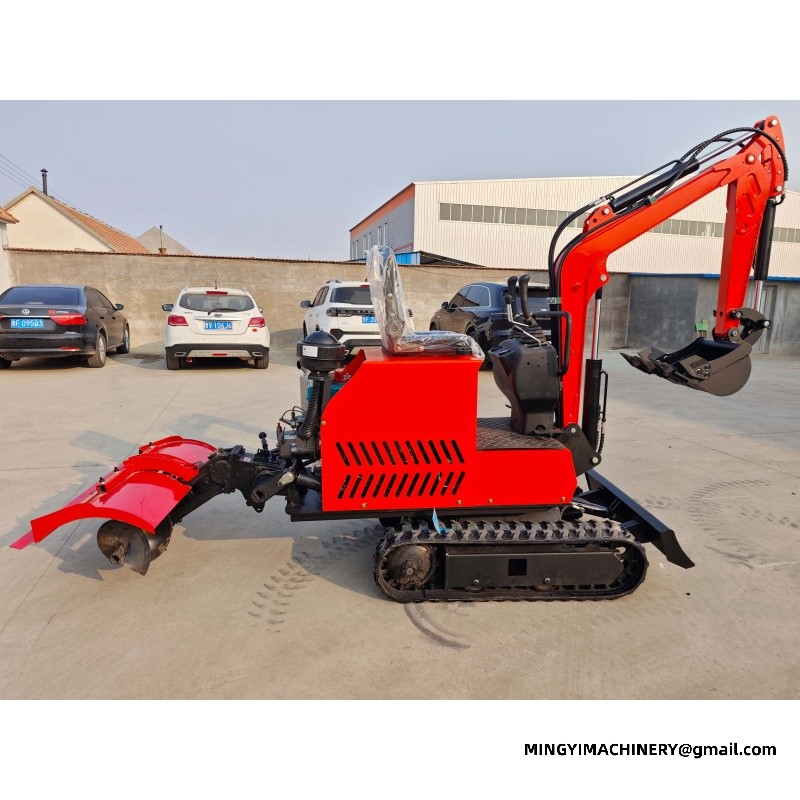
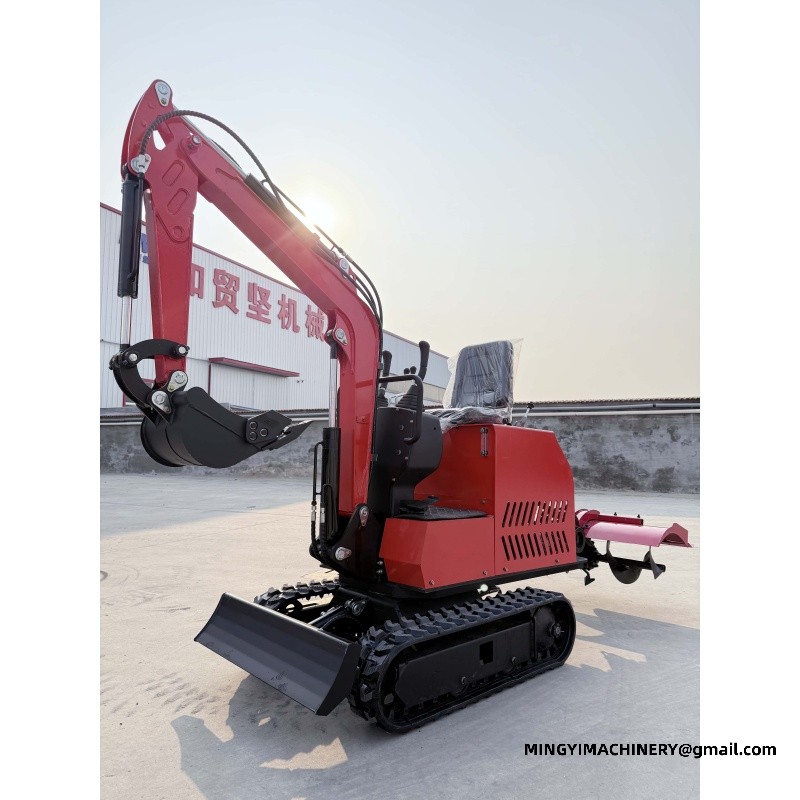
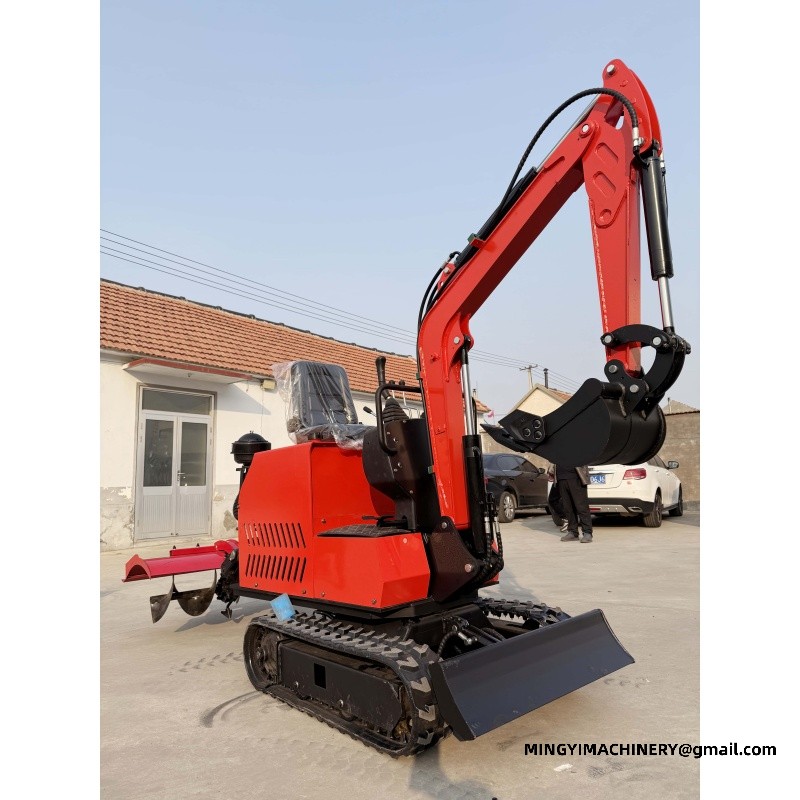
Reference specification — mini excavator range 20-1W 20-3W 25L 30-2L Operating weight 1800 kg (3968.32 lb) 1900 kg (4188.78 lb) 2200 kg (4850.17 lb) 2400 kg (5291 lb) Transport size (L×W×H) 2550 × 1100 × 2200 mm 2550 × 1100 × 2200 mm 3000 × 1300 × 2700 mm 2800 × 1500 × 2500 mm Max digging depth 1800 mm (70.87 in) 1800 mm (70.87 in) 2300 mm (90.55 in) 2200 mm (86.61 in) Max digging height 2820 mm (111.02 in) 2820 mm (111.02 in) 3100 mm (122.05 in) 2900 mm (114.17 in) Max dumping height 2050 mm (80.71 in) 2050 mm (80.71 in) 2050 mm (80.71 in) 2100 mm (82.68 in) Max digging radius 3050 mm (120.08 in) 3050 mm (120.08 in) 3900 mm (153.54 in) 3330 mm (131.1 in) Max digging distance 2300 mm (90.55 in) 2300 mm (90.55 in) 3100 mm (125.05 in) 2700 mm (106.3 in) Minimum turning radius 1450 mm (57.09 in) 1450 mm (57.09 in) 1800 mm (70.87 in) 1555 mm (61.22 in) Travel speed 5 km/h (3.11 mph) 5 km/h (3.11 mph) 7 km/h (4.35 mph) 7 km/h (4.35 mph) Gradeability 30° 30° 30° 30° Fuel consumption 2-3 L/h (0.528—0.793 gal) 2-3 L/h (0.528—0.793 gal) 2-3 L/h (0.528—0.793 gal) 2-3 L/h (0.528—0.793 gal) Fuel tank capacity 16 L (4.23 gal) 16 L (4.23 gal) 16 L (4.23 gal) 16 L (4.23 gal) Hydraulic oil tank 18 L (4.76 gal) 18 L (4.76 gal) 18 L (4.76 gal) 18 L (4.76 gal) Dozer blade lift height 180 mm (7.09 in) 180 mm (7.09 in) 230 mm (9.06 in) 230 mm (9.06 in) Dozer blade drop depth 210 mm (8.27 in) 210 mm (8.27 in) 280 mm (11.02 in) 280 mm (11.02 in)
LINE ( ID ): mingyicn
Working alongside other plant with mini excavator export packing and shipping
Most site incidents between machines are about sequencing rather than about skill, meaning who is in the arc, who is loading whom and who moves next.
Radio discipline saves more time than any other single measure, and one channel with agreed words is enough.
Matching the cycle counts matters too, because a fast loader feeding a slow haulage route simply builds a queue, and the queue is where the risk sits.
Related pages
Modification of Miniature Excavator into Tractor · 1 ton mini excavator · mini excavator for demolition on site · PRODUCTS









