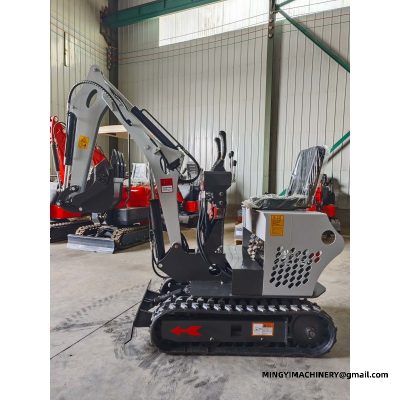
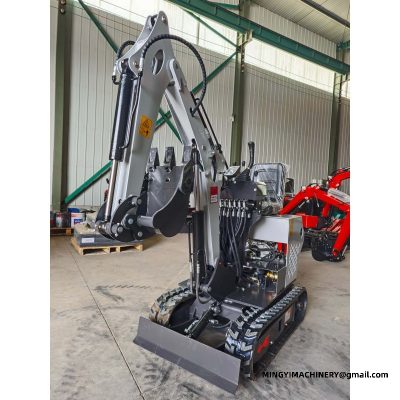
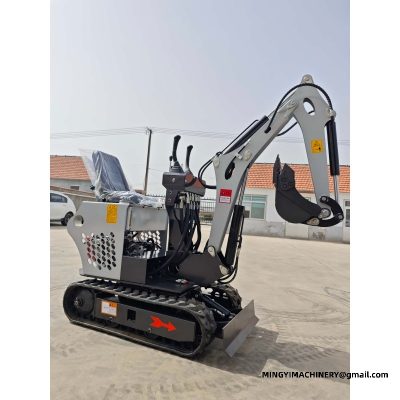
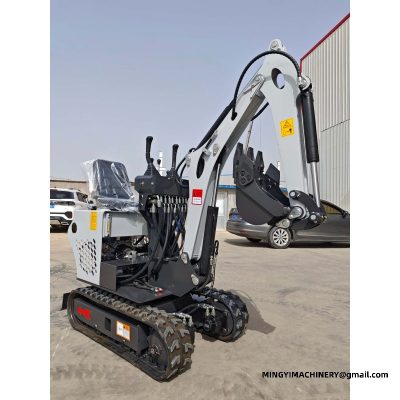
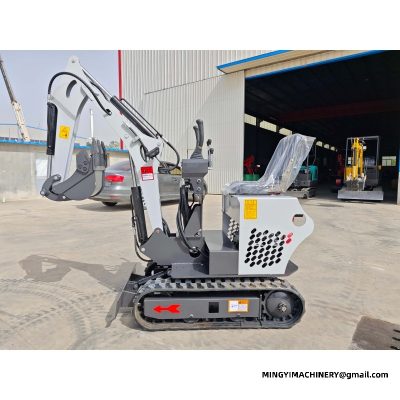
Rental companies specify differently from end users. A hire machine is operated by people who did not buy it, on sites the owner has never seen, and it has to survive both. That makes robustness, simplicity and serviceability the decisive criteria — and it makes standardisation valuable.
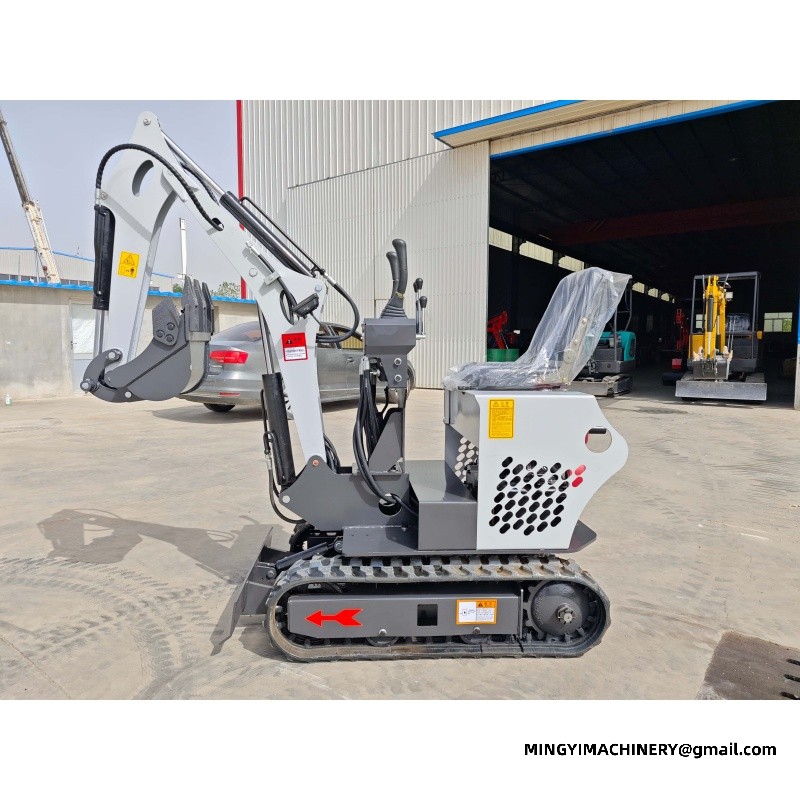
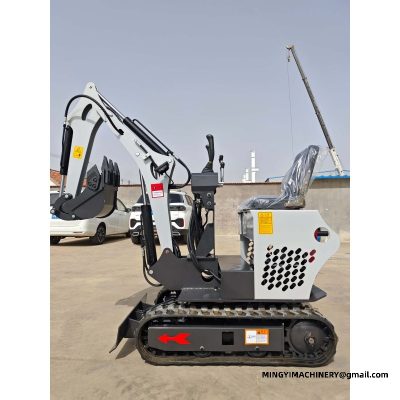
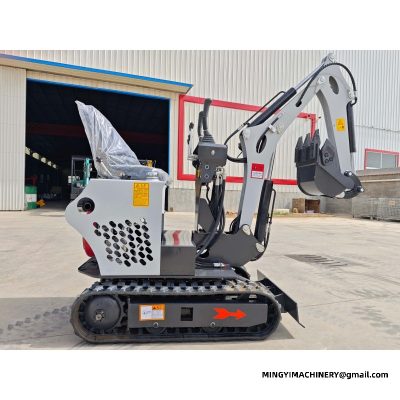
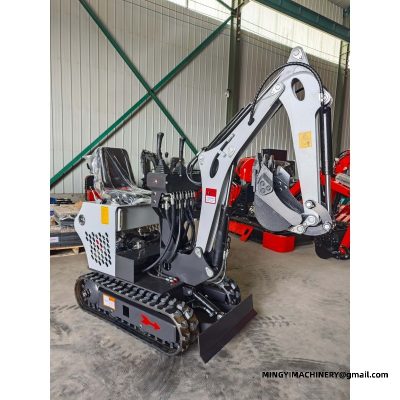
MINGYI mini excavators are supplied to rental fleets with those requirements in mind.
What a rental machine has to survive
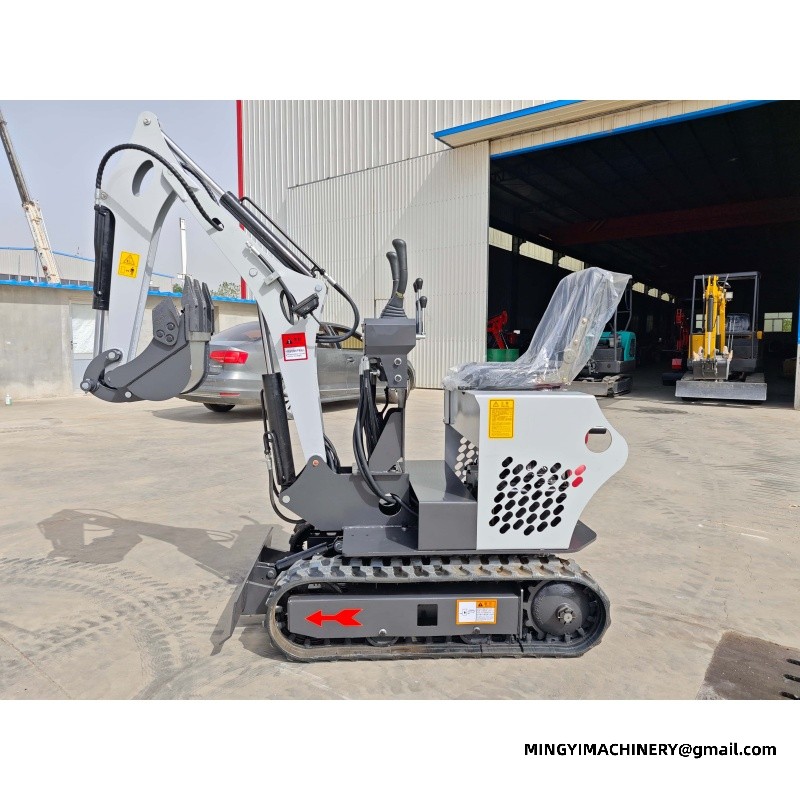
Hire machines are worked by unfamiliar operators, often on confined domestic sites where contact damage is likely. A compact machine on rubber tracks is the standard answer: it is easier to place, harder to damage a surface with, and simpler for an inexperienced operator to control than a larger machine.
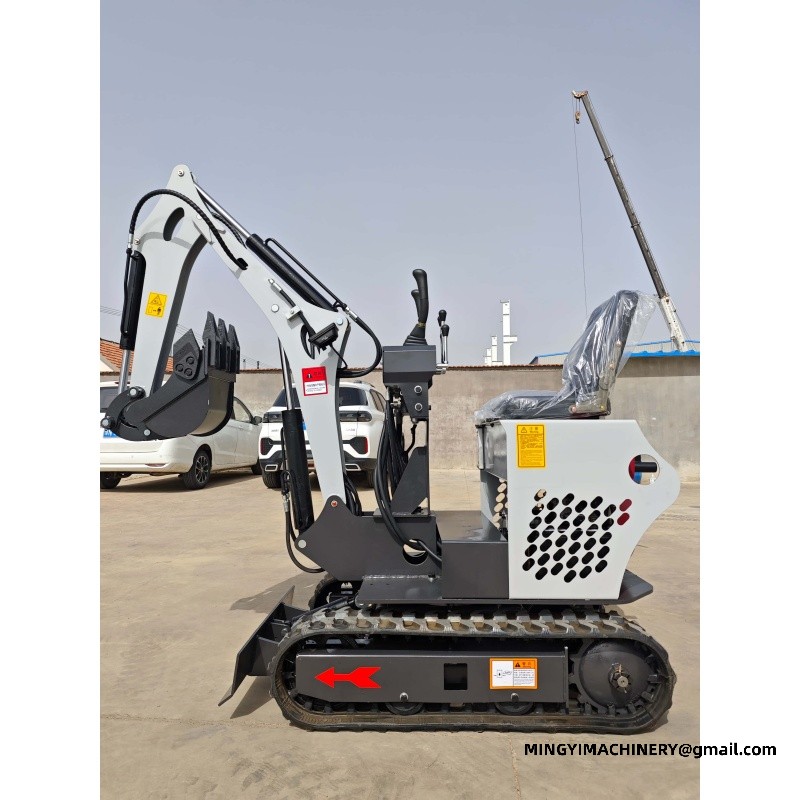
Canopy versions suit hire because the operator is supervised on site and the low transport height simplifies delivery on a standard trailer.
Standardisation across a fleet
The single biggest effort saving in a rental fleet is standardisation. Running one model class on one engine family and one track type means one set of spares, one set of filters and one service procedure across the whole fleet, and an operator who has used one machine can use any of them.
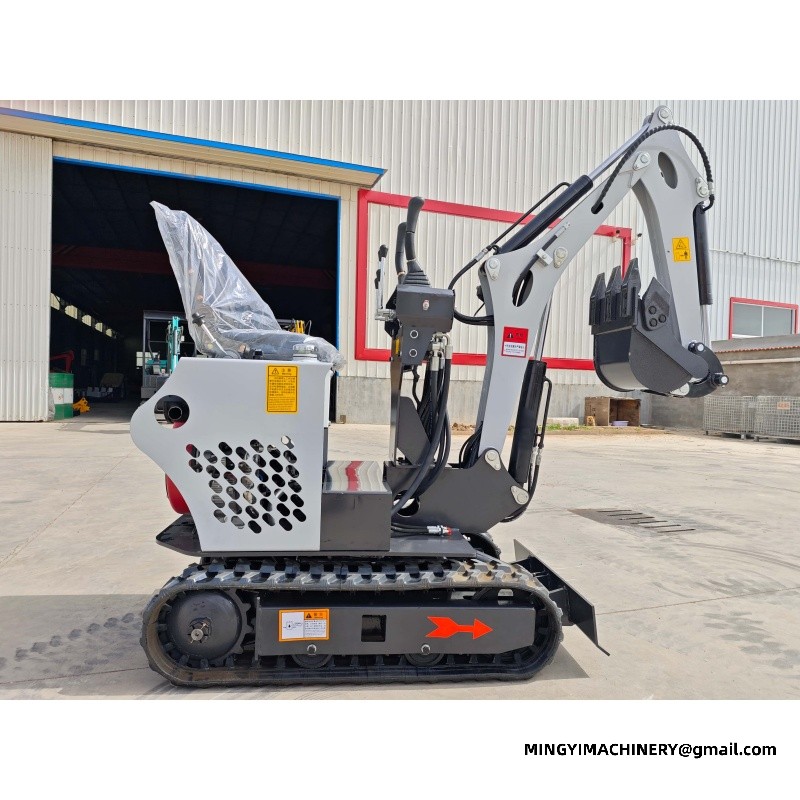
A common quick-change attachment interface then lets buckets, breakers and augers be shared across the fleet rather than duplicated per machine.
Downtime is the whole business
A hire machine off the road earns nothing and still occupies a space on the books. Holding teeth, hoses, filters and a spare track locally, against a recorded build specification, is what keeps utilisation up.
For rental fleets
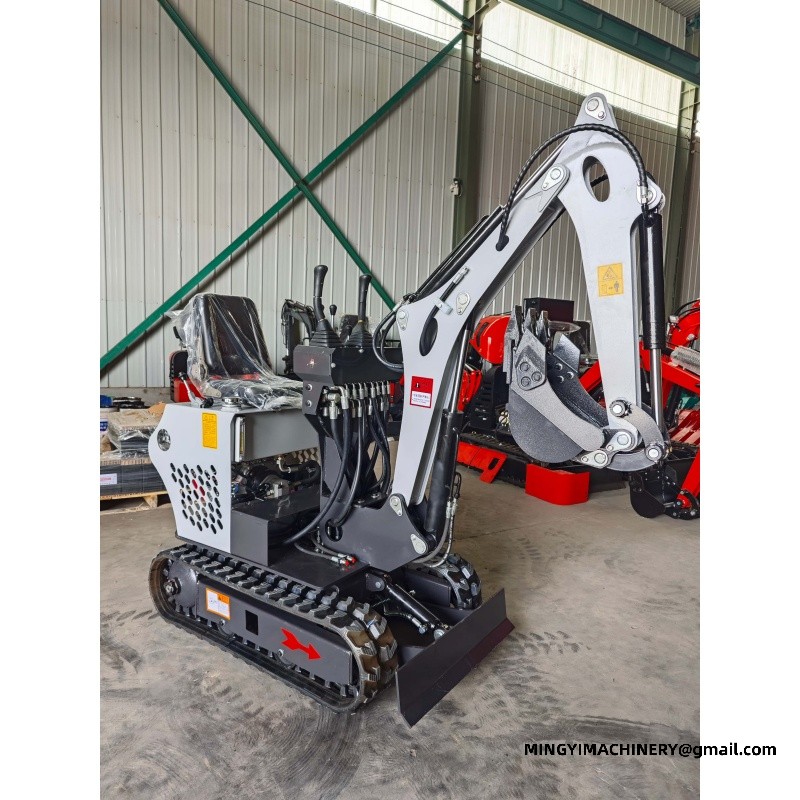
• One standard class, engine family and track type
• Canopy versions with low transport height
• Rubber tracks for domestic and municipal hire
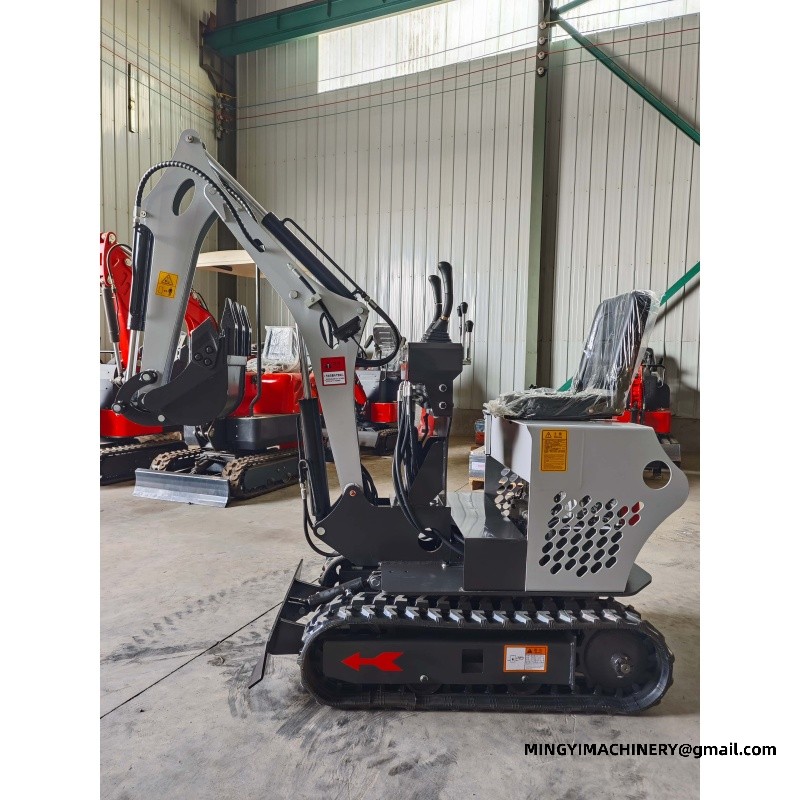
• Shared attachments across the fleet
• Wear parts supplied against the machine record
Tell us the class and quantities you run and the typical hire applications and we will propose a fleet specification.
Municipal and public works with mini excavator for rental companies Drainage repair, tree planting, footway reconstruction and cemetery work are all within the range of this class of machine. The jobs are small individually and continuous across the year. Noise and surface protection matter on public work. The unit in daily use on rubber tracks across paving, with a sealed cab for the operator, suits the conditions better than a larger tracked machine. Working on slopes and uneven ground with mini excavator for rental companies Slope work is a stability question before it is a traction question. Knowing the gradient a machine of this size is rated for, and working across rather than straight up where the ground allows, removes most of the risk. Ground that looks level often is not. The equipment on site crossing a filled trench, a soft edge or a hidden void behaves differently from one on undisturbed ground, and those are the places worth walking before driving. Interior and light demolition with mini excavator for rental companies Breaking out a floor slab, a wall footing or a concrete step is routine work for the machine itself with a breaker. The machine is small enough to work inside and heavy enough to run the tool at a practical rate. Dust, debris clearance and floor loading all argue for a compact machine indoors. The model in question spreads its weight over a wider track footprint than a wheeled machine of similar capacity. Acceptance checks when a mini excavator for rental companies arrives A function check before the machine goes to work is worth the hour. Running through the controls, the travel and the attachment circuit on the machine in that duty confirms it is set up as specified and ready for the site. Documentation should arrive with the machine. Parts list, service schedule and any certificates for the unit on the job are what the workshop needs later, and they are much easier to obtain at delivery than in month six. Lifting and material handling with a machine built for the work Lifting with a machine built to dig needs a plan. The load, the radius and the ground under the class of machine all matter, and the safe figure is the one on the chart rather than the one that looks possible. Stability changes with reach. A load the equipment in service handles close in becomes a different proposition at full extension, so the working radius belongs in the plan before the lift rather than during it. Trailering and moving the unit in daily use Transport weight and width decide whether a machine needs a specialist haulier. A machine of this size sized to travel on a standard plant trailer behind a suitable vehicle moves with the crew rather than on a scheduled low loader. Detachable components reduce transport length. The equipment on site built with a removable arm section or a folding step fits a shorter trailer and may avoid an oversize movement permit. Boom configuration for the machine itself Extended and offset boom configurations change reach and working range. The model in question with a longer arm reaches further but lifts less at full extension, so the specification is set against the deepest and furthest point on the job list. Detachable boom sections are used where transport length matters. The machine in that duty that has to travel on a standard trailer can be built so the arm comes off for the road and goes back on at the site. Orchard, vineyard and farm use of the unit on the job Orchard and vineyard work is carried out between rows. A machine built for the work with a narrow chassis and a swing boom works down the row without damaging the trees, which is the reason a full-size machine is not used at all. Farms also use the equipment in service for general maintenance - clearing a watercourse, repairing a track, loading a spreader. One carrier with a few attachments covers most of the jobs that would otherwise wait for a contractor. Operator technique for this class of machine The second habit is tool discipline. Running the unit in daily use with the right bucket width for the trench means less spoil, less reinstatement and a cleaner job than a wide bucket and a lot of trimming. Stability is the third. A machine of this size working across the tracks rather than over the corners keeps the machine steady and the undercarriage loaded evenly, which shows up as track life at the end of the season. Road and paving work for the equipment on site Road repair generates short, interrupted jobs - a patch, a drainage connection, a kerb line. The machine itself is economical here because it travels on a small trailer and starts working minutes after arriving. Patching and reinstatement favour a machine that can work in a lane closure. The model in question occupies less road than a full-size excavator, which reduces the traffic management needed and the length of the closure. Matching the machine in that duty to ground conditions Hard and abrasive ground reverses the specification. On rock, demolition rubble or sharp gravel, steel tracks with rubber blocks on the unit on the job survive conditions that cut a rubber belt quickly. Mixed sites are common and argue for a compromise specification. Most buyers choose rubber for a machine built for the work and accept the wear, unless the majority of the work is on material that will damage it. Specification data for the equipment in service Where this class of machine is being specified for a job list, the table below gives the factory figures that matter most: what the machine weighs, how deep and how far it works, and what it measures on a trailer. These are the reference figures for the unit in daily use. MINGYI confirms the final build sheet, including engine and attachment choices, against the destination and the job list before production. The first question on most job lists is whether the machine can reach the work at all. A machine of this size is chosen against the narrowest point on the route - a garden gate, a doorway, a gap between two walls - because a machine that arrives and then cannot pass loses a day, not an hour. Contractors who buy the equipment on site normally have one job in mind that nothing else reaches. The purchase order follows the access measurement, not the other way round, and the build sheet is then settled around it.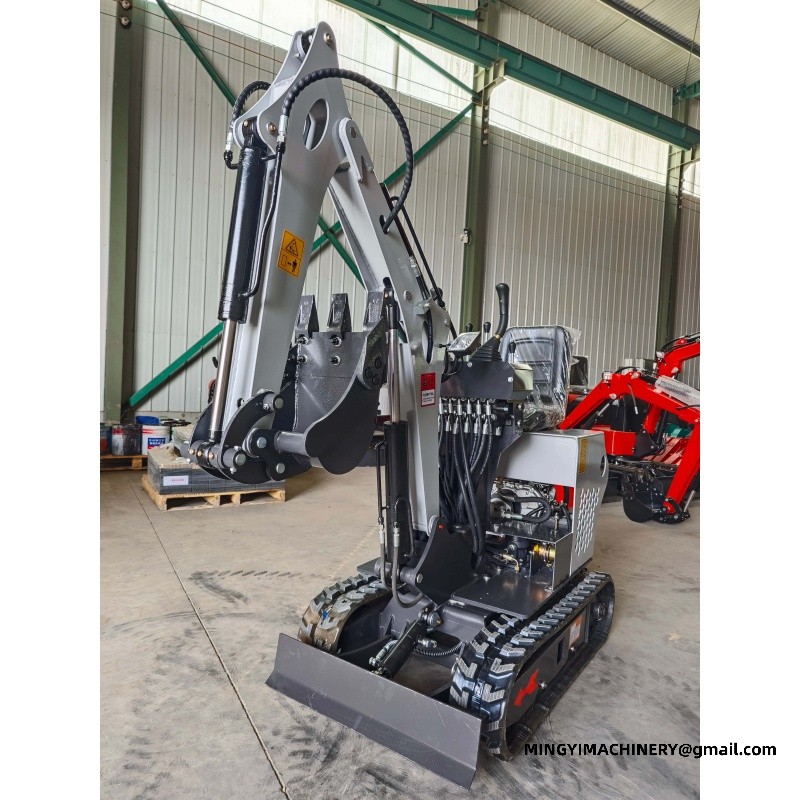
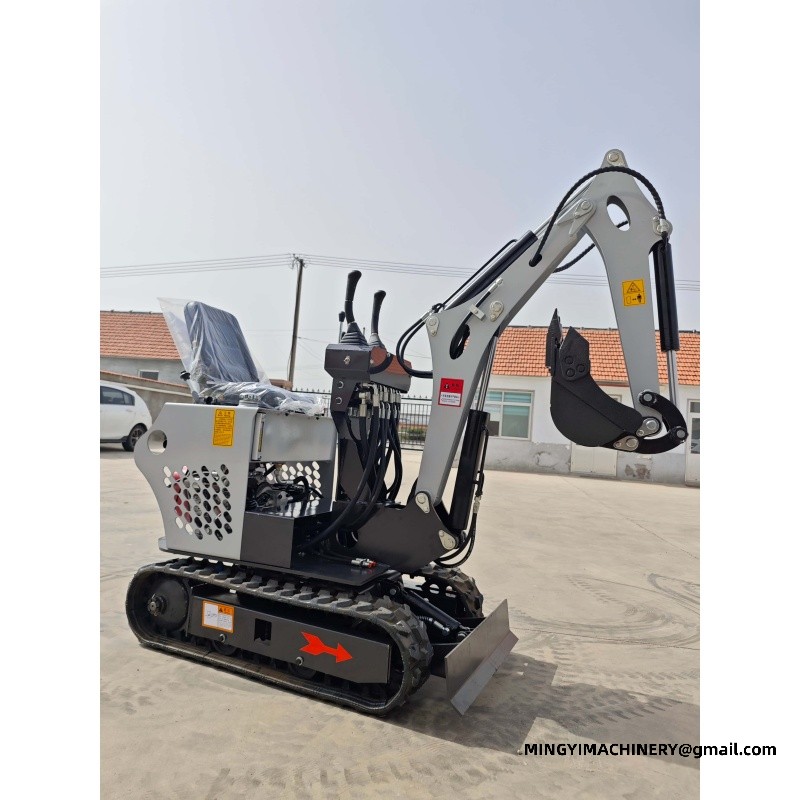
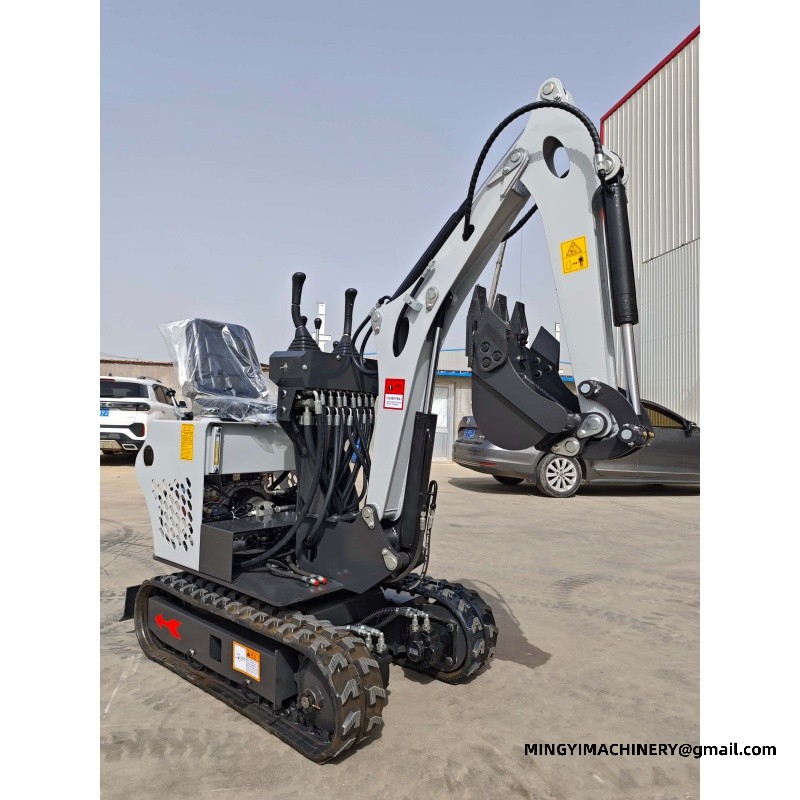
Reference specification — mini excavator range 13W 30-1W 15L 30-2L Operating weight 1300 kg (2866.01 lb) 2900 kg (6393.41 lb) 1400 kg (3086.47 lb) 2400 kg (5291 lb) Transport size (L×W×H) 2200 × 930 × 2250 mm 3000 × 1250 × 2780 mm 2200 × 930 × 2250 mm 2800 × 1500 × 2500 mm Max digging depth 1630 mm (64.17 in) 2200 mm (86.61 in) 1700 mm (66.93 in) 2200 mm (86.61 in) Max digging height 2750 mm (108.27 in) 3400 mm (133.86 in) 2750 mm (108.27 in) 2900 mm (114.17 in) Max dumping height 1960 mm (77.17 in) 2400 mm (94.49 in) 1960 mm (77.17 in) 2100 mm (82.68 in) Max digging radius 2900 mm (114.17 in) 4000 mm (157.48 in) 2900 mm (114.17 in) 3330 mm (131.1 in) Max digging distance 2100 mm (82.68 in) 2800 mm (110.24 in) 2300 mm (90.55 in) 2700 mm (106.3 in) Minimum turning radius 1300 mm (51.18 in) 2000 mm (78.74 in) 1450 mm (57.09 in) 1555 mm (61.22 in) Travel speed 3 km/h (1.86 mph) 5 km/h (3.11 mph) 3 km/h (1.86 mph) 7 km/h (4.35 mph) Gradeability 30° 30° 30° 30° Fuel consumption 1-1.3 L/h (0.264—0.343 gal) 2-3 L/h (0.528—0.793 gal) 1-1.3 L/h (0.264—0.343 gal) 2-3 L/h (0.528—0.793 gal) Fuel tank capacity 10 L (2.64 gal) 16 L (4.23 gal) 10 L (2.64 gal) 16 L (4.23 gal) Hydraulic oil tank 16 L (4.23 gal) 20 L (5.28 gal) 16 L (4.23 gal) 18 L (4.76 gal) Dozer blade lift height 180 mm (7.09 in) 420 mm (16.54 in) 180 mm (7.09 in) 230 mm (9.06 in) Dozer blade drop depth 210 mm (8.27 in) 210 mm (8.27 in) 210 mm (8.27 in) 280 mm (11.02 in)
Q. Do you supply mini excavators to rental companies?
A. Yes. Rental fleets order mixed containers so that several sizes arrive together, and machines can carry fleet colour and decals. MINGYI builds the 08, 12 and 18 models to order.
Q. What does a rental fleet need from a machine?
A. Simple controls, easy attachment changes and parts that a range of users cannot easily damage. A quick coupler and a standard tooling set make a rental machine usable across more contracts without extra machines.
Q. How should a fleet be specified?
A. Standardise the engine family and the coupler across the fleet, and keep the tooling common between sizes where possible. That is what keeps parts stocking and servicing simple as the fleet grows.
Reading the early symptoms on the machine itself
Temperature and pressure are the two things worth watching. The model in question that runs hotter than it used to, or whose pressure has drifted, is reporting a problem that is still simple to fix.
Pre-delivery inspection before the machine in that duty leaves the shop
A machine should be inspected while it is still on our floor rather than after it lands. For the unit on the job that means the engine is run to temperature, the hydraulics are cycled through full travel, and every function is checked against the build sheet before the crate is closed.
Keeping a service record for a machine built for the work
The record should follow the machine, not the owner. When the equipment in service changes hands the service history travels with it, and a complete folder is often the difference between a quick sale and a long one.
E-mail : sales@mingycn.com
LINE ( ID ): mingyicn
Wear limits and replacement points on mini excavator for rental companies
Measuring at the same place each time turns a guess into a trend, and a trend is what tells a workshop when to order.
Uneven wear usually points at alignment, pressure or a driving habit rather than at the part itself.
Keeping a record of hours at each change makes the next machine easier to plan for, and it helps whoever buys the machine later.
Related pages
mini excavator for contractors · mini excavator for Latin America · small excavator · PRODUCTS









