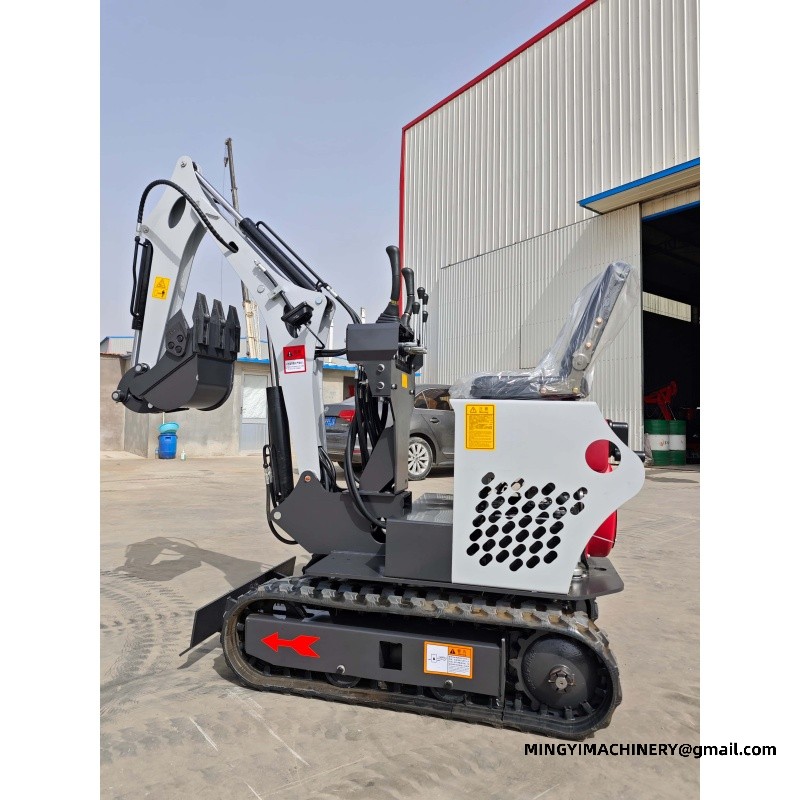
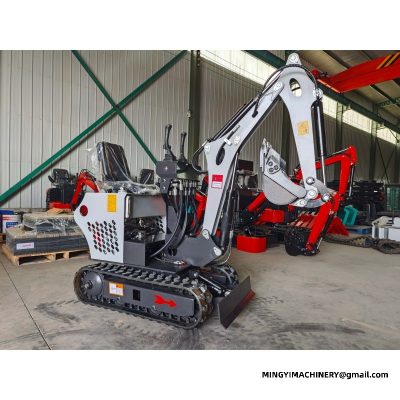
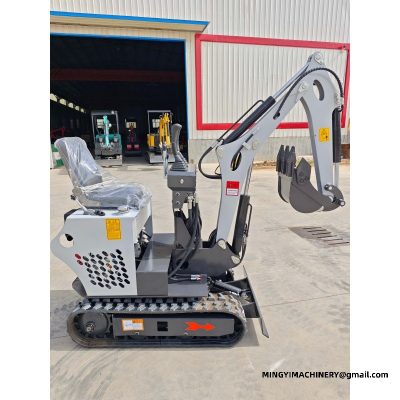
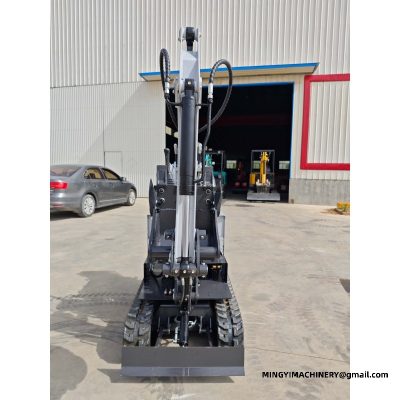
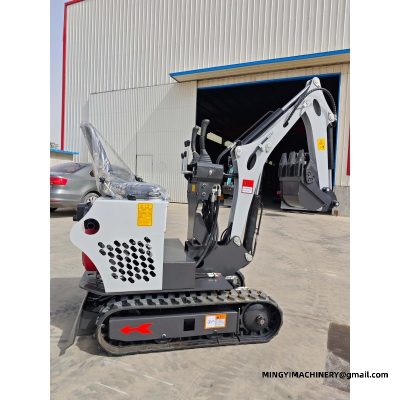
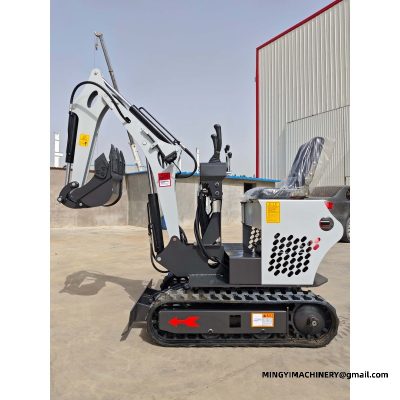
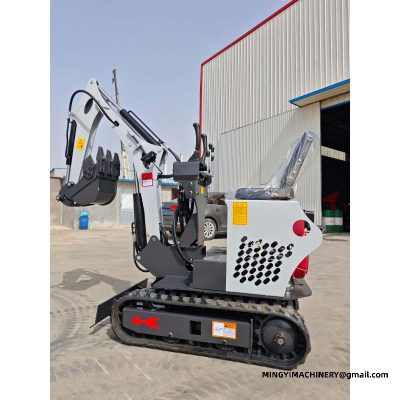
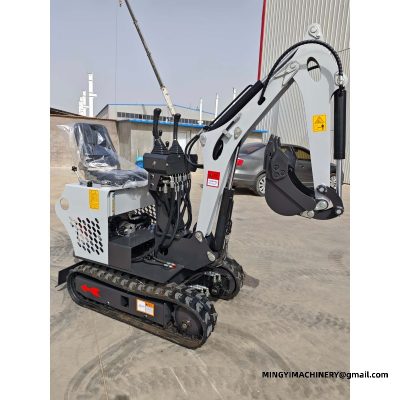
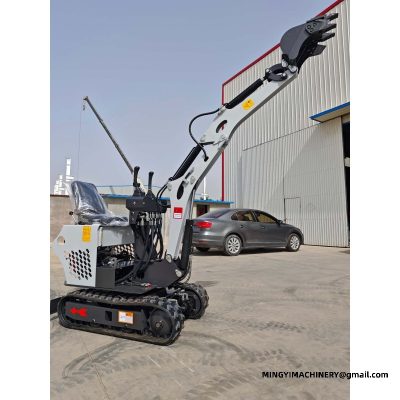
Demand for compact excavators across African markets comes from construction, agriculture, municipal work and small contracting. What those applications share is a need for a machine that is practical to buy, economical to run, and simple enough to keep working where service infrastructure is thin.
MINGYI supplies mini excavators into African markets with that specification requirement in mind.
The specification that suits the market
The compact classes offer the best balance. They effort less to buy and to transport, consume less fuel, and are simple enough for an owner-operator to keep serviced. A machine in the one-tonne to 2.5 tonne range covers utility trenching, building footings, agricultural drainage and municipal work.
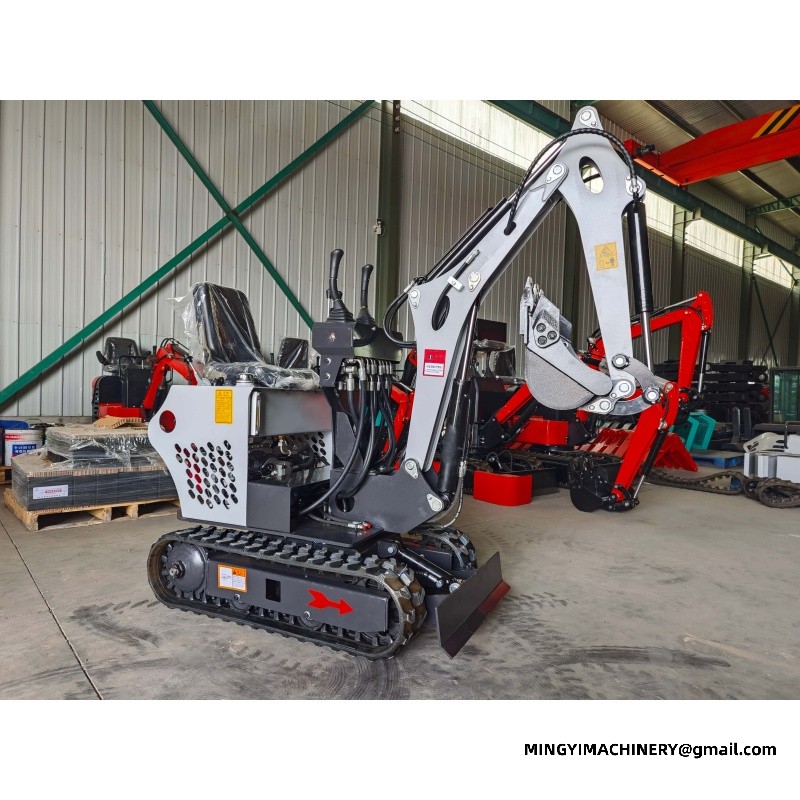
Diesel power suits conditions where refuelling has to be straightforward and a working day has to be completed without recharging. Engine family selection should follow the parts supply the buyer can reach.
Getting more work from one machine
Where machine count is limited, versatility matters. A quick coupler and an attachment set that covers digging, breaking, drilling and clearing allows one excavator to take on work that would otherwise need two or three machines.
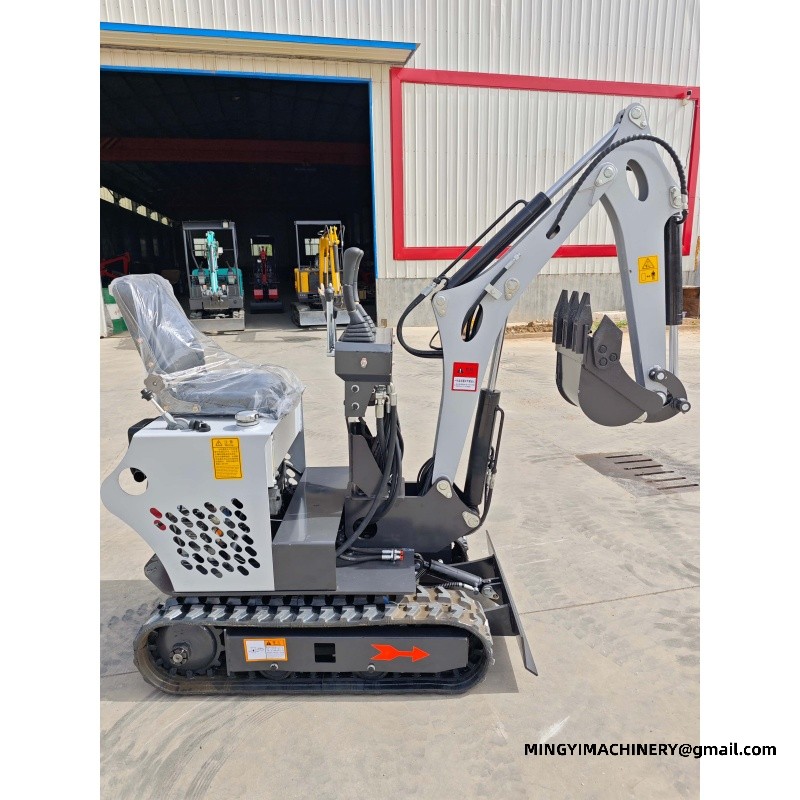
Keeping it running
The consumables that stop a compact excavator — teeth, cutting edges, hoses, filters and tracks — should be identified at purchase and held against the machine record, so that a stoppage is measured in hours rather than in weeks.
Market-appropriate specification
• Compact classes with low purchase and transport effort
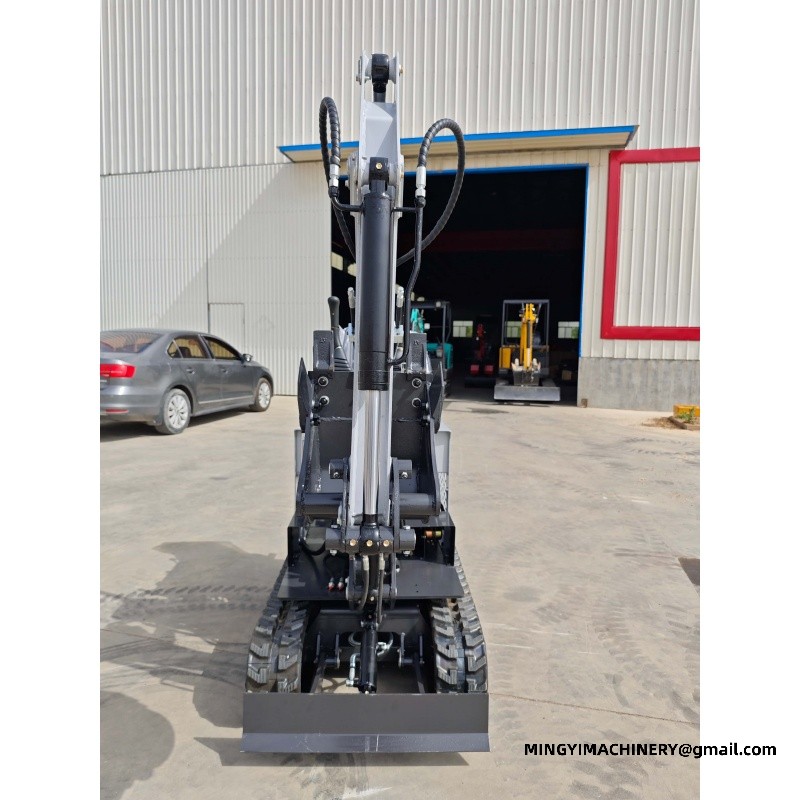
• Diesel power for straightforward refuelling
• Engine family matched to reachable parts supply
• One machine covering digging, breaking and drilling
• Consumables identified at purchase against the machine record
Tell us the country and the work the machine needs to cover and we will propose a specification and a parts list.
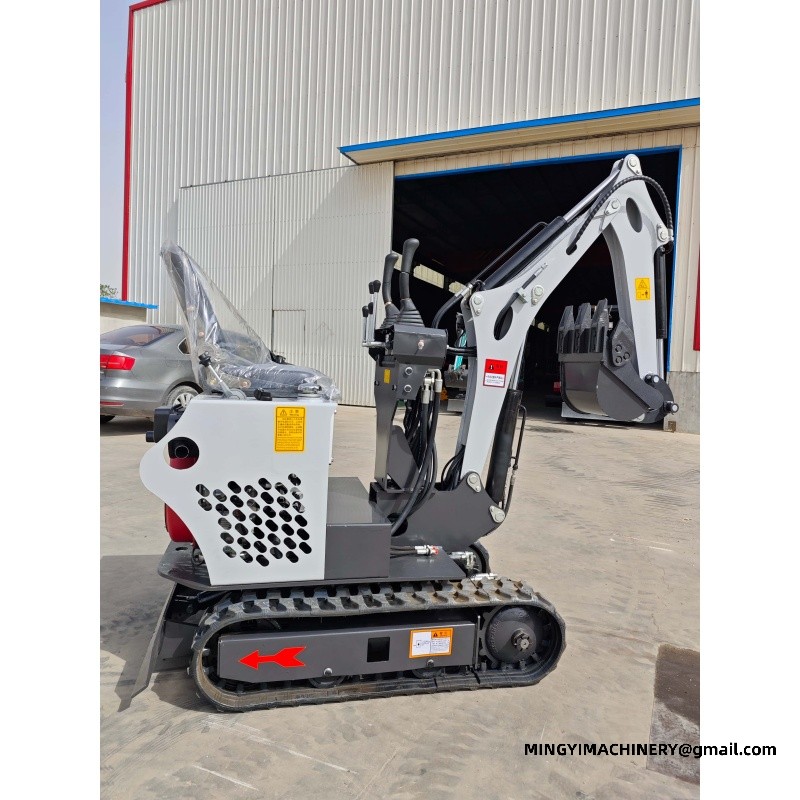
Quick coupler practice on mini excavator for Africa market A quick coupler is the single option that changes how a machine is used day to day. Fitted to this class of machine, it turns an attachment change from a two-person workshop job into a task the operator does alone in minutes. For a fleet that shares attachments between machines, a common coupler standard matters more than the coupler brand. The unit in daily use that picks up the same tools as the larger machines keeps the rack usable across the yard. Trailering and moving mini excavator for Africa market Loading practice matters as much as the numbers. A machine of this size is driven up ramps under its own power with the boom lowered and the tracks aligned, and secured at the points the manufacturer specifies. Detachable components reduce transport length. The equipment on site built with a removable arm section or a folding step fits a shorter trailer and may avoid an oversize movement permit. Hiring versus owning a mini excavator for Africa market Availability is part of the decision. Owning the machine itself means it is there on the day the ground is ready; hiring means competing for the same machine at the same time as everyone else in the season. Ownership brings obligations that hiring does not. Storage, servicing, insurance and an operator are the items to set against the hire rate before deciding which way the model in question should be supplied. Working a mini excavator for Africa market in confined spaces Confined sites are decided by dimensions. Overall width, tail swing and the space needed to work the arm are what let the machine in that duty operate inside a building, between walls or in a courtyard. Clearance above matters as much as around. Door heights, pipework and overhead services set the limit for the unit on the job indoors, and measuring them first avoids a machine that arrives and cannot be used. Working on slopes and uneven ground with a machine built for the work Slope work is a stability question before it is a traction question. Knowing the gradient the equipment in service is rated for, and working across rather than straight up where the ground allows, removes most of the risk. Planning the direction of travel helps. Working so that the this class of machine is stable under load and not required to turn on a slope is a decision made before the job starts, not a correction made during it. Matching the unit in daily use to ground conditions Soft ground is a flotation problem, not a power problem. A machine of this size on wide rubber tracks crosses lawn, sand and cultivated soil that would stop a narrower machine or a wheeled unit of the same capacity. Mixed sites are common and argue for a compromise specification. Most buyers choose rubber for the equipment on site and accept the wear, unless the majority of the work is on material that will damage it. Interior and light demolition with the machine itself Interior demolition is an access and a weight question. The model in question that fits through a doorway and works on a suspended floor does jobs that would otherwise be done by hand or by a larger machine that cannot enter. Breaking out a floor slab, a wall footing or a concrete step is routine work for the machine in that duty with a breaker. The machine is small enough to work inside and heavy enough to run the tool at a practical rate. Parts, service and support for the unit on the job Support after delivery is a parts question. Wearing items for a machine built for the work - filters, belts, track components, bucket teeth and pins - are the items a buyer should plan to hold before the first service interval. Remote support is handled by video. The equipment in service fault can often be diagnosed on a walk-around call with the panel open, which is faster than waiting for a visit and avoids shipping a part that is not needed. Boom configuration for this class of machine A swing boom lets the machine dig parallel to its tracks without repositioning, which is what makes trenching beside a wall or a fence practical. On the unit in daily use this is often the option that decides whether a job is possible at all. Detachable boom sections are used where transport length matters. A machine of this size that has to travel on a standard trailer can be built so the arm comes off for the road and goes back on at the site. Export packing and shipping of the equipment on site Machines leave the factory prepared for container or flat rack shipment. The machine itself is normally shipped with the attachment set and the spare parts list agreed in advance so the container is planned once. Buyers who import regularly plan the spare parts with the machine. The model in question ordered with a wearing-parts kit arrives ready to work rather than ready to wait for the first service interval. Orchard, vineyard and farm use of the machine in that duty Orchard and vineyard work is carried out between rows. The unit on the job with a narrow chassis and a swing boom works down the row without damaging the trees, which is the reason a full-size machine is not used at all. Ditching, fertilising and drainage on farmland suit a machine built for the work because the work is spread over a large area in short bursts. The machine travels behind a pickup and works where it stops. Specification data for the equipment in service Where this class of machine is being specified for a job list, the table below gives the factory figures that matter most: what the machine weighs, how deep and how far it works, and what it measures on a trailer. These are the reference figures for the unit in daily use. MINGYI confirms the final build sheet, including engine and attachment choices, against the destination and the job list before production. The first question on most job lists is whether the machine can reach the work at all. A machine of this size is chosen against the narrowest point on the route - a garden gate, a doorway, a gap between two walls - because a machine that arrives and then cannot pass loses a day, not an hour. Access decides the machine before output does. With the equipment on site the limiting dimension is usually the widest point on the way in, so measuring the gate, the corridor and the turning space first saves a wasted delivery and a second visit.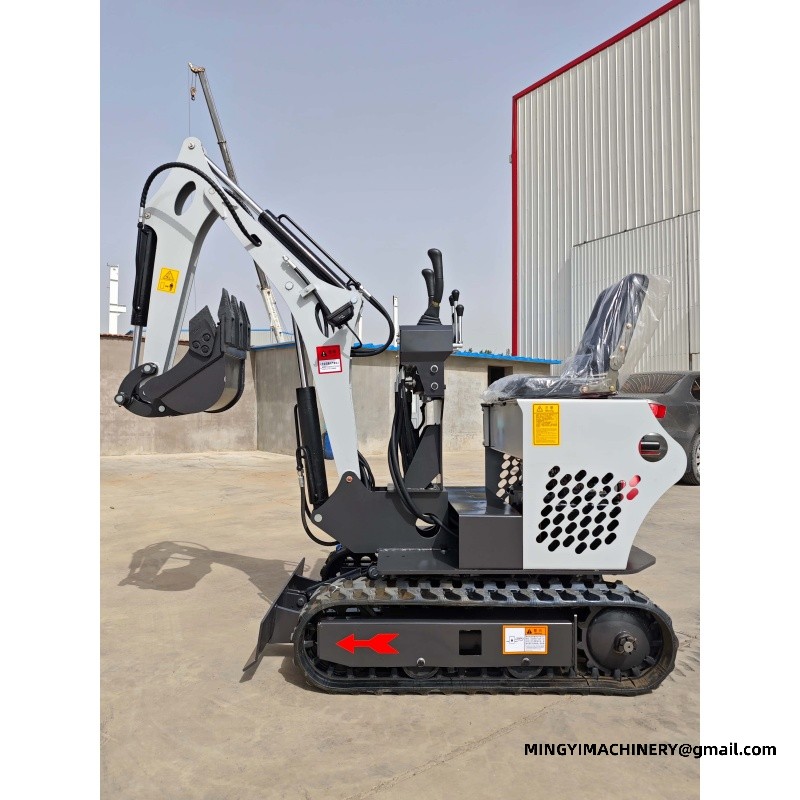
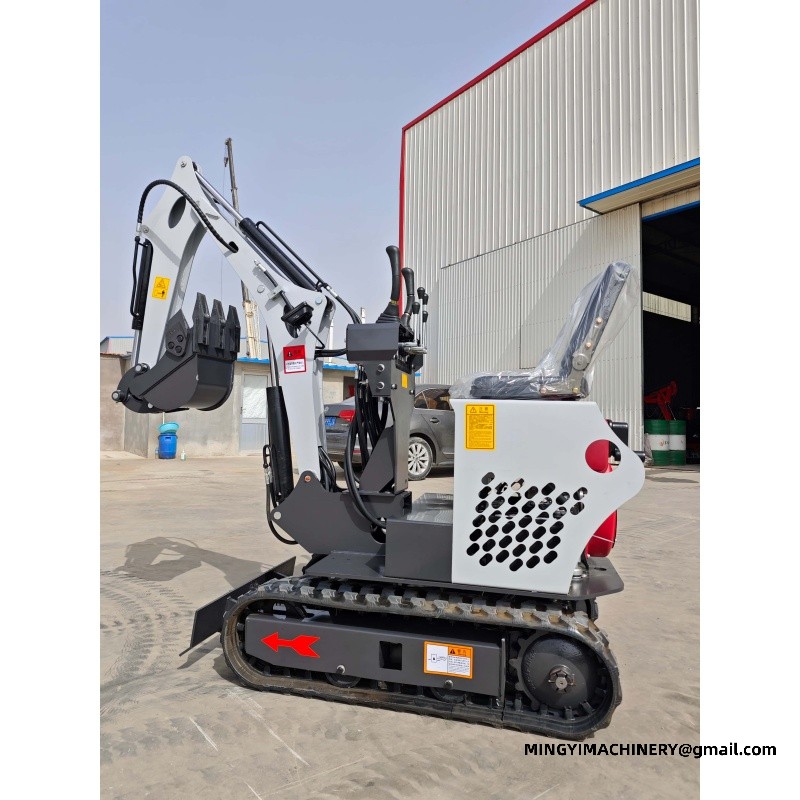
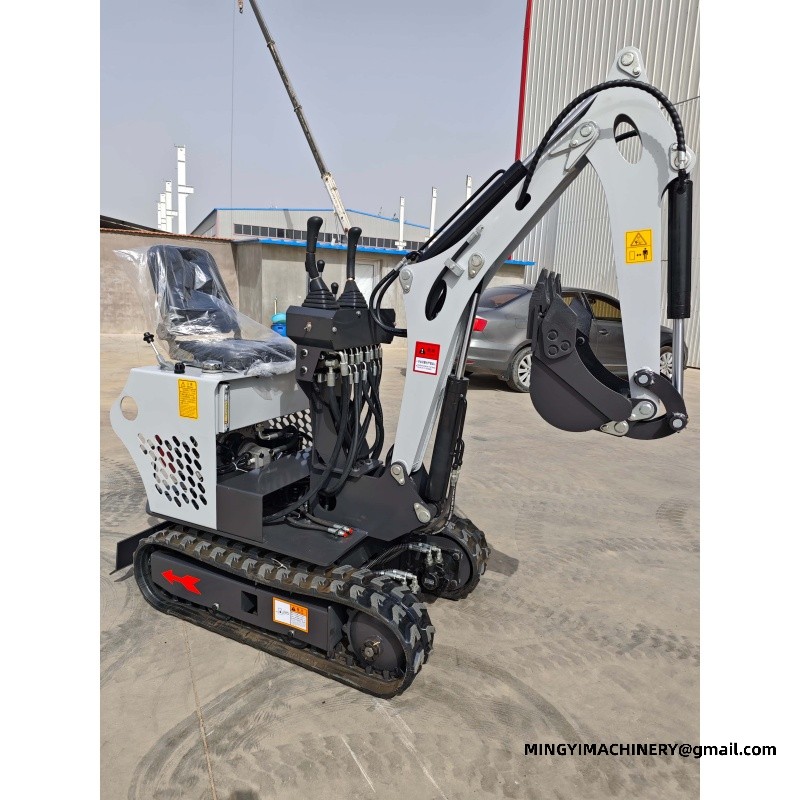
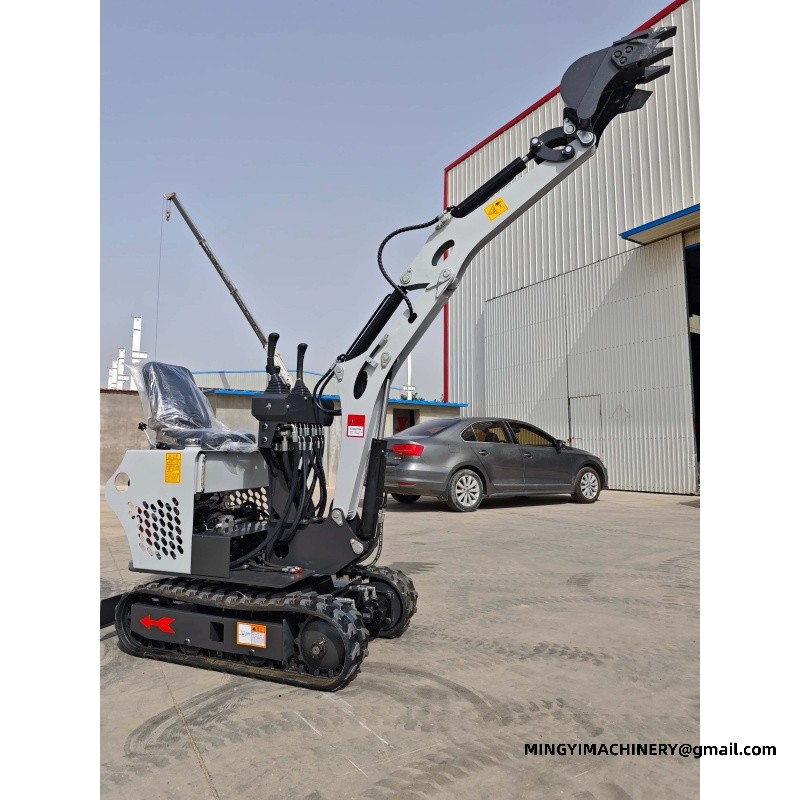
Reference specification — mini excavator range 13W 20-3W 30-2W 30-2L Operating weight 1300 kg (2866.01 lb) 1900 kg (4188.78 lb) 2700 kg (5952.48 lb) 2400 kg (5291 lb) Transport size (L×W×H) 2200 × 930 × 2250 mm 2550 × 1100 × 2200 mm 3000 × 1100 × 2700 mm 2800 × 1500 × 2500 mm Max digging depth 1630 mm (64.17 in) 1800 mm (70.87 in) 2200 mm (86.61 in) 2200 mm (86.61 in) Max digging height 2750 mm (108.27 in) 2820 mm (111.02 in) 3000 mm (118.11 in) 2900 mm (114.17 in) Max dumping height 1960 mm (77.17 in) 2050 mm (80.71 in) 2000 mm (78.74 in) 2100 mm (82.68 in) Max digging radius 2900 mm (114.17 in) 3050 mm (120.08 in) 3800 mm (149.61 in) 3330 mm (131.1 in) Max digging distance 2100 mm (82.68 in) 2300 mm (90.55 in) 3050 mm (120.08 in) 2700 mm (106.3 in) Minimum turning radius 1300 mm (51.18 in) 1450 mm (57.09 in) 1750 mm (68.9 in) 1555 mm (61.22 in) Travel speed 3 km/h (1.86 mph) 5 km/h (3.11 mph) 7 km/h (4.35 mph) 7 km/h (4.35 mph) Gradeability 30° 30° 30° 30° Fuel consumption 1-1.3 L/h (0.264—0.343 gal) 2-3 L/h (0.528—0.793 gal) 2-3 L/h (0.528—0.793 gal) 2-3 L/h (0.528—0.793 gal) Fuel tank capacity 10 L (2.64 gal) 16 L (4.23 gal) 16 L (4.23 gal) 16 L (4.23 gal) Hydraulic oil tank 16 L (4.23 gal) 18 L (4.76 gal) 20 L (5.28 gal) 18 L (4.76 gal) Dozer blade lift height 180 mm (7.09 in) 180 mm (7.09 in) 230 mm (9.06 in) 230 mm (9.06 in) Dozer blade drop depth 210 mm (8.27 in) 210 mm (8.27 in) 280 mm (11.02 in) 280 mm (11.02 in)
Q. Which mini excavator suits African working conditions?
A. The priorities are simple service, common engine parts and tolerance of dust and heat. MINGYI supplies the 08, 12 and 18 models into African markets, and the engine family is chosen at order stage so that filters and consumables can be found locally rather than shipped in.
Q. How are machines delivered?
A. Machines are container loaded from China and can ship together with a spare parts kit for the first service intervals. MINGYI arranges loading and export documentation, and mixed model orders can be built into the same container so a dealer receives several sizes in one shipment.
Q. What happens when a part wears out?
A. Filters, seals and wear parts are supplied with the machine or shipped separately afterward. Because the power units are common families rather than one-off engines, most consumables can be sourced in-market, with MINGYI covering the machine-specific items.
Wear items and spares worth holding for the machine itself
Wear items are predictable once the machine has settled in. After the first service interval the pattern on the model in question is visible, and the parts that were replaced become the parts that are kept.
Cold weather and winter care for the machine in that duty
Cold exposes weak batteries, thick oil and water in the fuel. Preparing the unit on the job for winter means the right grade of oil, a battery in good condition and fuel that will not wax in the tank overnight.
Later additions and retrofits on a machine built for the work
Retrofitting is limited by the base machine. Before anything is added to the equipment in service the hydraulic flow, the mounting interface and the stability allowance have to be checked, because those limits are what decide what is sensible.
E-mail : sales@mingycn.com
LINE ( ID ): mingyicn
Related pages
mini excavator for hot and dusty sites · mini excavator for Australia · compact crawler excavator range · PRODUCTS









